Sand, salt, and silence. Auki sits on a lagoon in the Solomon Islands where the water stays calm until the wind picks up. You go for the quiet.
The Lagoon Side
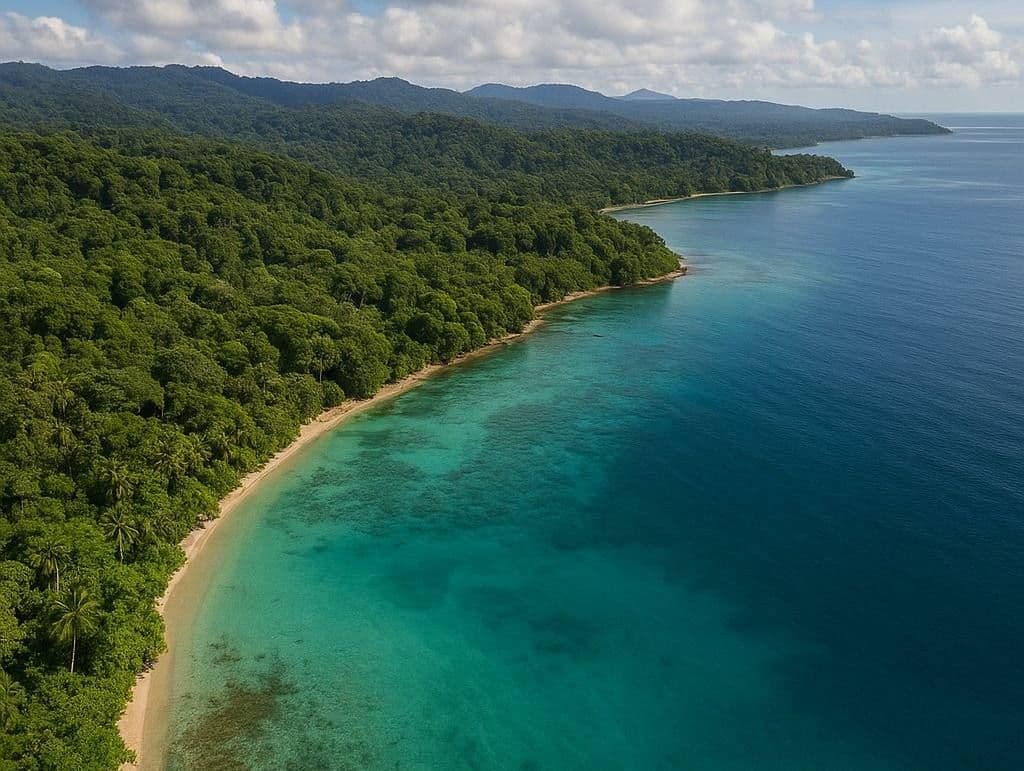
Auki is the capital of Guadalcanal Province, located on the western coast of the island. It lacks the resort strip with high-rises or jet skis found elsewhere. It is a small town built around a harbor and a lagoon that stretches out to the west. The beach here is long, flat, and composed of sand mixed with shell fragments. The water is shallow for a considerable distance from the shore, making it accessible without wading far into deep water.
The visual texture of the place is defined by the mangroves lining the inner channels and the open ocean breaking against the reef further out. When the swell is low, the lagoon is nearly glass-like. When the trade winds shift, the surface turns choppy and white-capped. This variability is the primary feature of the escape. You are not guaranteed a postcard view every hour; you are given the raw mechanics of a tropical coastline.
Getting There and Moving Around
There is no railway network in the Solomon Islands. Travel between major centers like Honiara and Auki relies on small aircraft or inter-island ferries. The flight from Honiara International Airport to Auki takes roughly an hour, depending on wind conditions. The ferry route is longer, often taking several days if connections require stops at other islands along the chain.
Within Auki itself, public transport is minimal. The main road runs parallel to the coast, connecting the town center to the surrounding villages. Most movement happens on foot, by bicycle, or by local bus (often referred to as "bus" but typically a modified truck or van). Distances within the immediate town area are short enough that walking is the most efficient method. If you need to reach specific coves or points further down the coast, you will likely need to arrange a private vehicle or walk significant distances along the sandy track.

Where to Stay
Accommodation options in Auki are limited compared to Honiara. You will find a handful of guesthouses and small hotels, primarily clustered near the main road and the harbor area. These properties typically offer basic rooms with fans rather than air conditioning, reflecting the humid coastal climate. Prices vary widely based on season and availability, but expect to pay more during peak travel months.
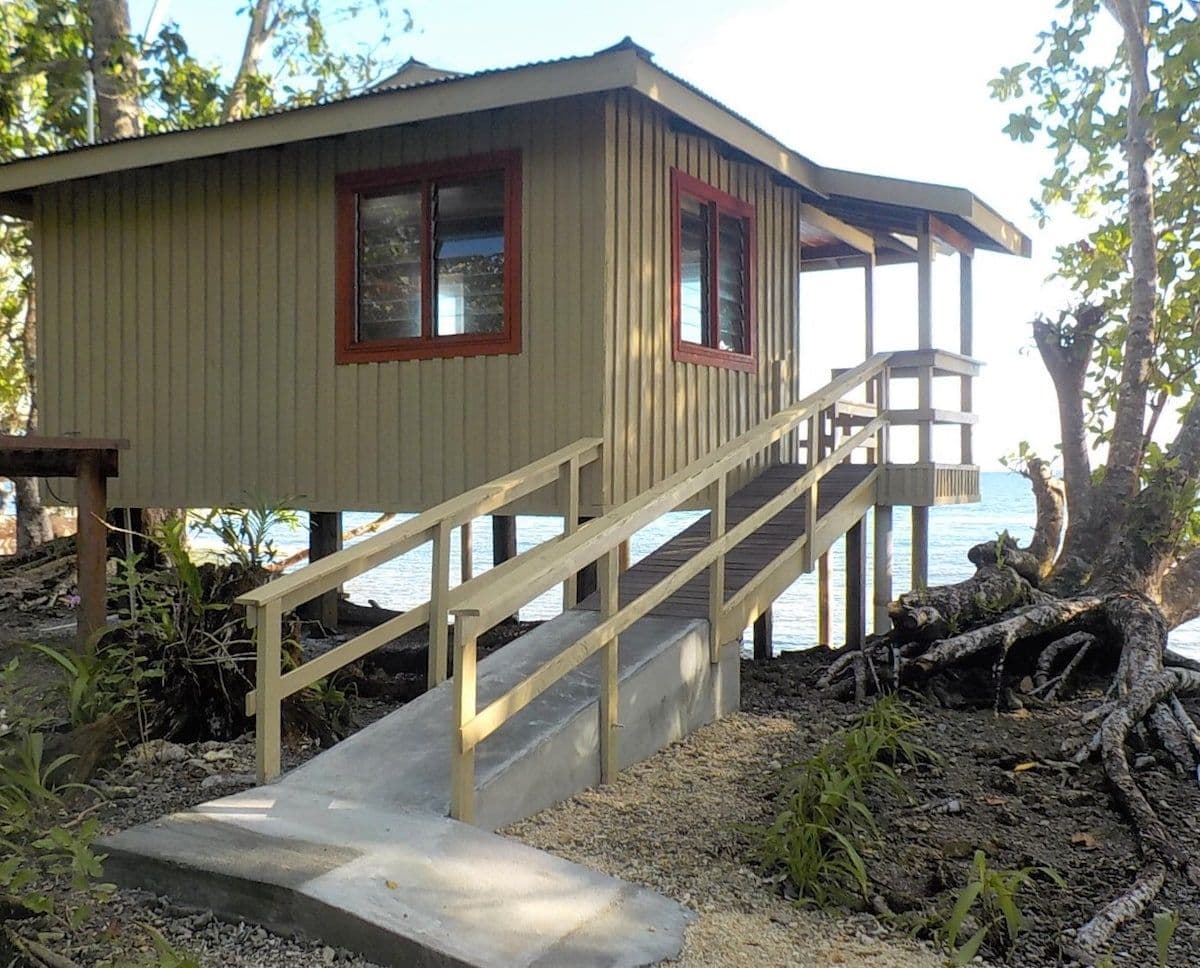
For a beach-focused stay, look for lodging situated directly on the lagoon side or within a short walk of the shoreline. Some options offer simple bungalows with direct access to the sand. Others are located slightly inland, requiring a five-to-ten-minute walk to reach the water. The differentiator here is proximity to the quietest stretch of beach. Ask specifically about which side of the property faces the lagoon versus the open sea, as the noise levels and wave action differ significantly between the two.
Food and Daily Rhythm
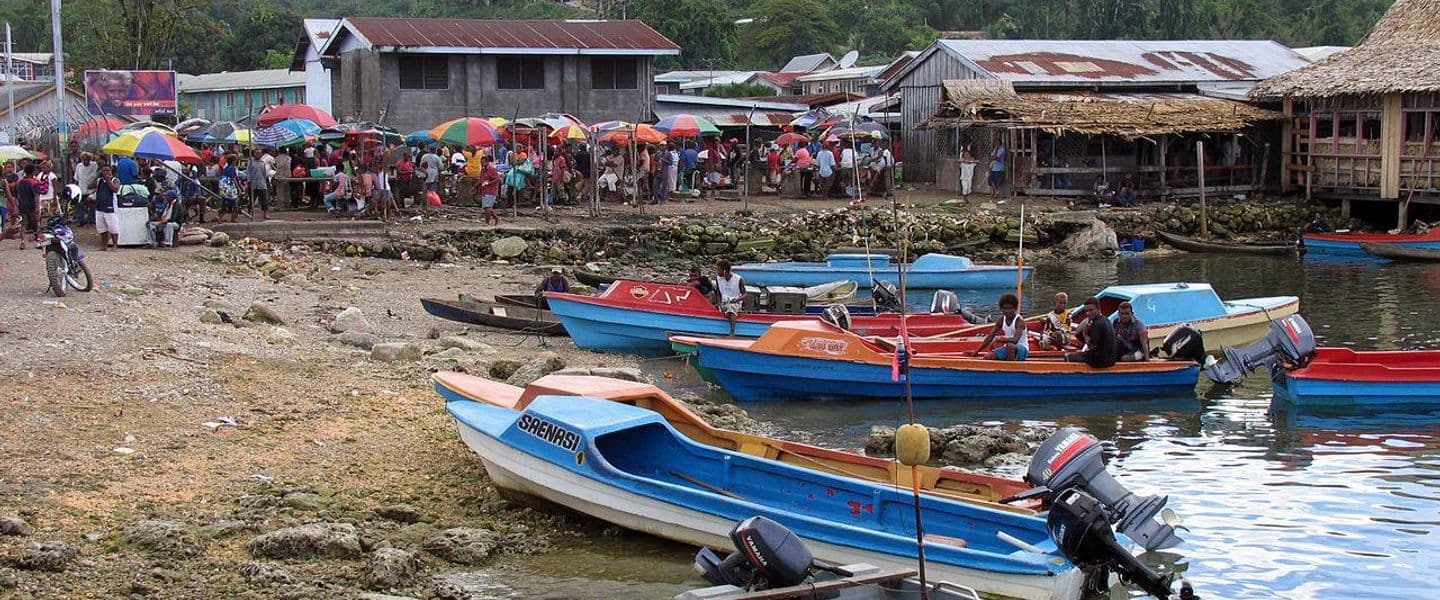
Local cuisine in this region relies heavily on fresh seafood, root vegetables like taro and cassava, and coconut. Fish is often grilled over an open fire or cooked in banana leaves. You will find small eateries and market stalls selling prepared meals, particularly in the afternoon when the heat peaks and activity slows. Breakfast options are generally simple: bread, eggs, and fruit.
The daily rhythm in Auki is dictated by the sun and the tides. Mornings start early, with markets opening before 8 AM. The midday hours are often quiet, with many shops closing for a break to avoid the intense heat. Afternoons see a resurgence of activity as temperatures drop slightly. Evenings are when social life concentrates around the harbor and main street. Dining out is informal; menus are rarely written, and prices are negotiated or displayed on simple chalkboards.
Practical Considerations
Cash is king in Auki. ATMs are scarce or non-existent in the town center, so you should carry sufficient Solomon Islands Dollars (SBD) upon arrival. Credit cards are not widely accepted outside of larger guesthouses. For medical needs, basic first aid is available locally, but serious cases require evacuation to Honiara. Check your travel insurance policy carefully to ensure it covers medical evacuation from remote areas.
Safety is generally good, but standard precautions apply. Keep valuables secure, especially on the beach where unattended items can be taken quickly. The isolation means that help may take time to arrive in an emergency. Respect local customs; dressing modestly is advisable outside of the immediate swimming area. Interactions with locals are generally friendly, but approaching with curiosity rather than entitlement goes a long way.
When to Go
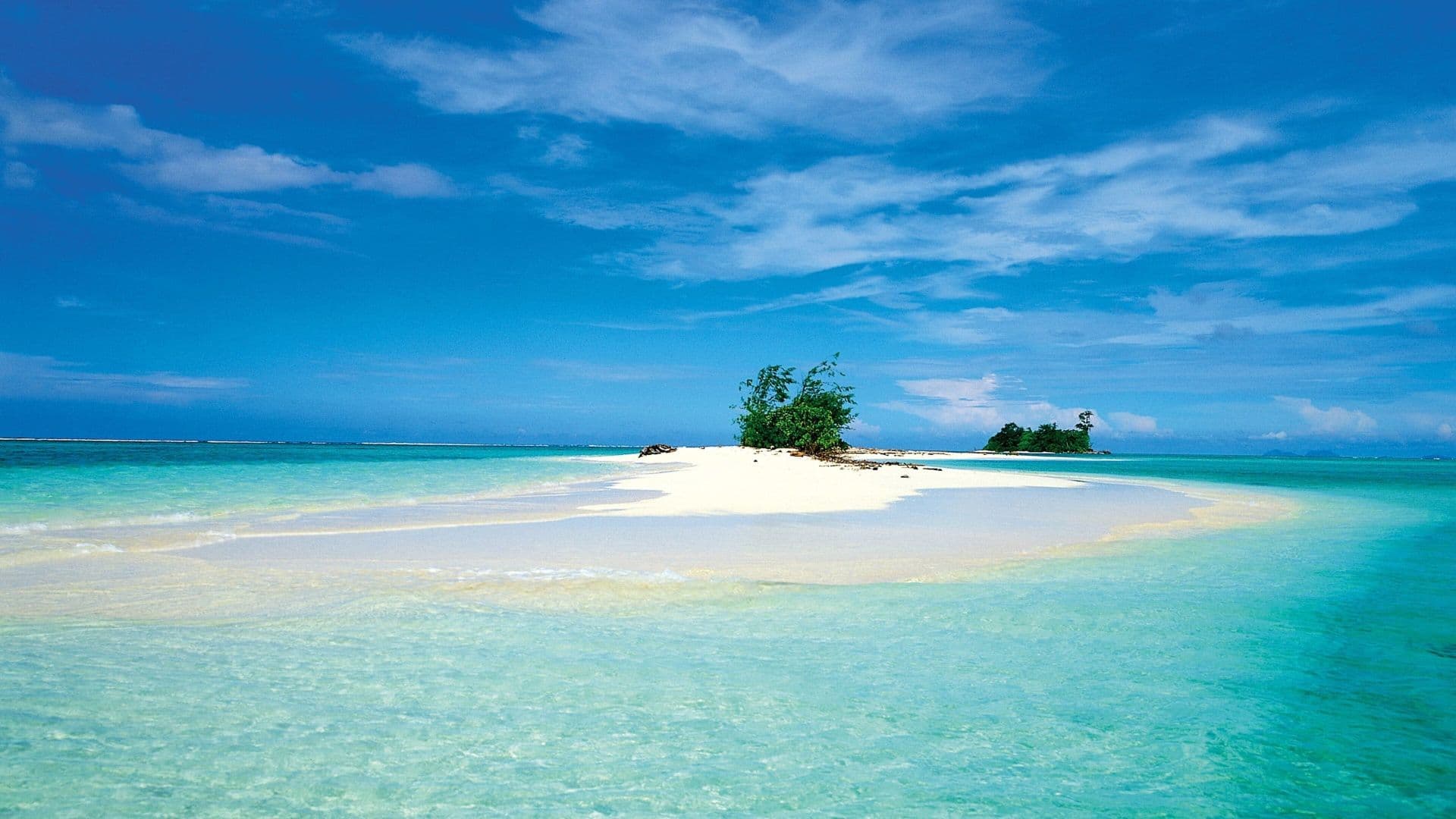
The best time to visit Auki depends on your tolerance for weather variability. The dry season, typically from May to October, offers clearer skies and calmer seas, making it ideal for beach relaxation and water activities. The wet season, from November to April, brings heavier rainfall and stronger winds, which can make the lagoon rougher and limit outdoor activities.
Since there are no major holidays recorded for the next six months, crowd levels remain low year-round. This makes Auki suitable for solo travelers, couples seeking seclusion, or slow-travel enthusiasts who prefer to settle into a location for two to three weeks. Families may find the lack of structured tourist infrastructure challenging, but the safety and simplicity of the environment can be appealing for those looking to disconnect.
FAQ
Do I need a visa to enter the Solomon Islands? Most nationalities do not require a visa for short tourist stays, typically up to 90 days. However, requirements can change, so verify current entry rules with the nearest Solomon Islands embassy or consulate before booking flights.
How do I get from Honiara to Auki? The most common route is by small aircraft, which takes approximately one hour. Ferry services also operate but are slower and subject to schedule changes due to weather. Book flights in advance, especially during the dry season.
Is it safe to swim in the lagoon? Generally, yes, provided you check for currents and jellyfish presence. The lagoon is protected from large ocean swells, but conditions can change rapidly. Always swim with a buddy and be aware of your surroundings, as lifeguard services are not present.