Plan a 241 km transit to Ocnița for authentic Moldovan cooking. Learn plăcinte and sarmale in a disciplined, low-key rural setting this autumn.
The Logistics of Arrival
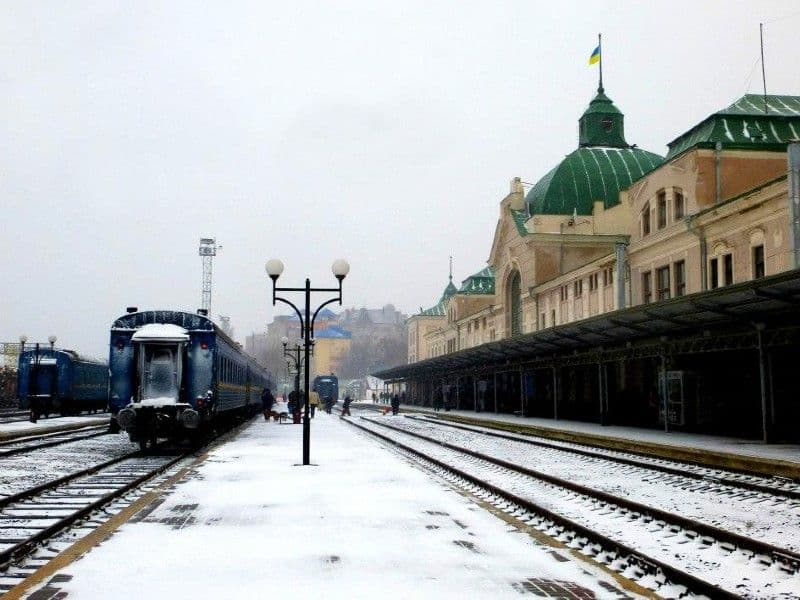
The train arrives at Ocnița station, a stop on the local rail line connecting to Bălți. The platform is utilitarian. There is no terminal building to admire, only the necessary infrastructure for a stop-station. This is appropriate. Ocnița functions as a node in the agricultural network of Raionul Ocnița. You should not expect a grand entrance. The town is a functional hub, rather than a curated experience.
Getting here requires planning. The distance from Chișinău is 241 km on the fastest route. By road, this is a four-hour drive. By train, the journey is slower but more predictable. The rail connection is the most reliable way to enter the region without the fatigue of a long car ride. Buses also operate, but the train offers a fixed schedule. If you are coming from the capital, you are leaving the polished, tourist-heavy environment of Chișinău and entering a region defined by its land, not its services.
The station is also known locally as Stantsiya Oknitsa. The signage is clear. The staff are professional, if reserved. Do not expect a concierge to direct you to a hotel or a restaurant. You will need to arrange your own transport from the station to your accommodation or the cooking venue. A taxi is available, but you should agree on the fare before entering the vehicle. The economy is cash-based. Bring local currency. Cards are rarely accepted in rural settings.
The Culinary Standard
Moldovan cuisine is defined by its simplicity and its reliance on local produce. The dishes you will learn in Ocnița are foundational. The core curriculum for any serious cooking session here involves three items: mămăligă, plăcinte, and sarmale.
Mămăligă is the base. It is a cornmeal porridge, similar to polenta, but with a specific texture that requires constant stirring. It is the staple of the region. You will learn to judge the consistency by sight and sound. The pot should bubble gently. The cornmeal should be coarse, not fine. This is a test of patience. Rushing the process results in a lumpy, uneven product. A proper mămăligă is smooth, yellow, and firm enough to be cut with a string.
Plăcinte are pies. In this context, they are savory, often filled with cheese, potatoes, or greens. The dough is simple: flour, water, salt, and oil. The skill lies in the rolling. The dough must be thin enough to be translucent but strong enough to hold the filling without tearing. You will roll your own. The fillings are seasonal. In autumn, you will use whatever is available from the local market.
Sarmale are stuffed cabbage rolls. This is the most labor-intensive dish. The cabbage leaves must be blanched until they are pliable but not mushy. The filling is a mixture of minced meat, rice, and herbs. The rolling technique is precise. The roll must be tight. If it is too loose, it will fall apart in the broth. If it is too tight, it will crack. You will practice the roll until your hand remembers the tension.
The Classroom Environment
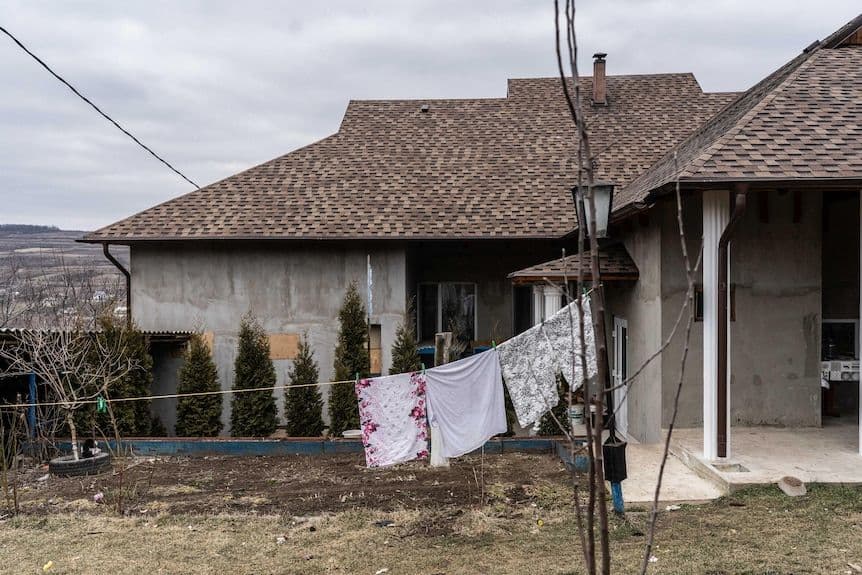
There is no dedicated, high-end cooking school in Ocnița with a marquee name. The "classes" you will find are typically hosted in private homes or small, family-run guesthouses. This is a feature, not a flaw. The environment is intimate. You are in a kitchen that is used daily. The surfaces are worn. The tools are practical.
The instructor will likely be a local cook or a host who has been preparing these meals for decades. They do not perform. They demonstrate. You will stand beside them, not across from them. The language barrier is real. Most instructors speak Romanian and Russian. English is not guaranteed. You will need to rely on demonstration and repetition. This is a good thing. Cooking is a physical act. You do not need to understand every word to understand the technique.
The setting is rustic. The lighting is natural, supplemented by practical bulbs. The smells are strong: garlic, onion, cabbage, and simmering meat. This is a raw, unsanitized experience. You will get flour on your clothes. You will get broth on your hands. This is the price of authenticity. If you are looking for a polished, Instagram-ready experience, Ocnița is the wrong environment. If you are looking to understand the mechanics of a traditional Moldovan kitchen, it is the correct environment.
The cost of such a session is not standardized. It varies by host and by the number of participants. Expect to pay for the ingredients and the instruction. The price is low by Western standards, but it is a significant sum in this region. You should tip if the service is exceptional. Cash is preferred.
Practical Planning
You need to book your cooking class in advance. There are no walk-in slots. The instructors prepare the ingredients based on the number of students. If you arrive without a reservation, you will likely be turned away. Contact the host or your accommodation provider at least one week before your visit. Confirm the start time. Most classes begin in the morning, around 10:00, to allow time for the full preparation and a subsequent meal.
The duration is typically four to five hours. This includes the instruction, the cooking, and the final meal. You should eat a light breakfast before you start. The session is physically demanding. You will be standing, stirring, and rolling for several hours. Wear closed-toe shoes. The kitchen floor may be uneven. Avoid wearing light-colored clothing. The stains from tomato-based sauces and broth are permanent.
Transportation within Ocnița is limited. There is no public bus system that operates on a frequent schedule. You will need to arrange a taxi or a private driver to get to the cooking venue. The distance from the station to the town center is short, but the distance to a rural property can be several kilometers. Do not attempt to walk if you are not sure of the route. The roads are not always well-lit.
Seasonal and Cultural Context
Autumn is the ideal time for a cooking class in Ocnița. The weather is mild, averaging around 20°C in September. This is the harvest season. The markets are full of fresh produce: cabbage, potatoes, onions, and apples. The ingredients you will use are at their peak flavor. In winter, the menu shifts to preserved foods. In summer, the heat can make the kitchen uncomfortable. Autumn offers the best balance of comfort and ingredient quality.
The cultural context is important. Moldovan hospitality is rooted in sharing. The meal you cook will be eaten together, at a single table. There is no separation between the host and the guest. You will be treated as a temporary member of the household. This is a social contract. You should participate in the meal with enthusiasm. Compliment the food. Ask questions about the ingredients. Do not rush. The meal is as important as the cooking.
Language is a barrier, but it is not an obstacle. Romanian is the primary language. Russian is widely understood. A few basic phrases in Romanian will go a long way. "Bună ziua" (good day) and "Mulțumesc" (thank you) are essential. The locals are not overly sensitive to language mistakes. They value effort. If you attempt to speak the language, you will be rewarded with patience and clarity.
When to Go and Who It Is For
The best months for a trip to Ocnița are April to June and September to October. September is the single best month. The weather is stable, the light is clear, and the agricultural cycle is at its most productive. The town is quiet. There are no major tourist crowds. You will have the space to focus on the cooking.
The next major holiday is Christmas Day (by new style) on December 25, 2026. This is three months away. The town will be more active, but the cooking classes may be less available as families prepare for their own holidays. New Year's Day is on January 1, 2027. The old-style Christmas is on January 7 and 8, 2027. These dates are relevant if you are planning a longer stay, but they are not ideal for a focused cooking trip. The winter months are colder, and the light is shorter.
This experience is for the serious traveler. It is not for families with young children who need constant entertainment. It is not for those who expect a luxury hotel experience. It is for the solo traveler or the couple who wants to engage deeply with a place. It is for those who understand that travel is not just about seeing, but about doing. You should stay for at least two days. One day for the cooking class, one day to explore the town and the surrounding countryside. The pace is slow. Do not rush it.
Frequently Asked Questions
Do I need a visa to visit Ocnița, Moldova? Most Western passport holders do not need a visa for short stays. Check the specific entry requirements for your nationality before you travel. The visa policy applies to the country of Moldova, not just the city of Chișinău.
Is it safe to travel alone in Ocnița? Yes. The town is small and quiet. Crime rates are low. You should still exercise standard caution, especially at night. Keep your valuables secure. The locals are generally helpful and friendly.
How much should I budget for the cooking class? The cost varies, but you should expect to pay around 50–100 EUR for a full-day class, including ingredients and the meal. This is an approximation. Prices can vary by host. Confirm the exact cost when you book.