Experience low-impact travel in Mtakoudja, Mohéli. Navigate the island’s marine park, local cuisine, and essential transit logistics with precision and respect for the environment.
The Weight of the Island
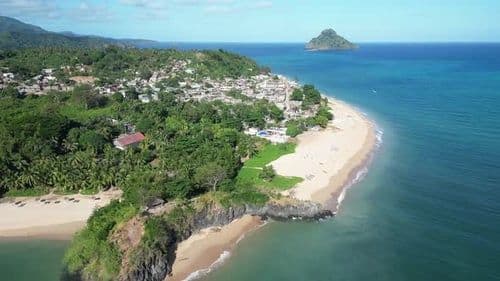
Mtakoudja sits at an elevation of approximately 39 meters on the eastern coast of Mohéli, one of the Comoros archipelago’s smaller islands. The population is roughly 1,410 residents. This is a destination that performs for tourists; it exists in a state of equilibrium that requires the visitor to adjust to its pace, not the other way around. Eco-friendly travel here functions as a structural necessity. The island’s resources are finite, and the environment is fragile. Your presence is a variable in an equation that has been balancing itself for centuries.
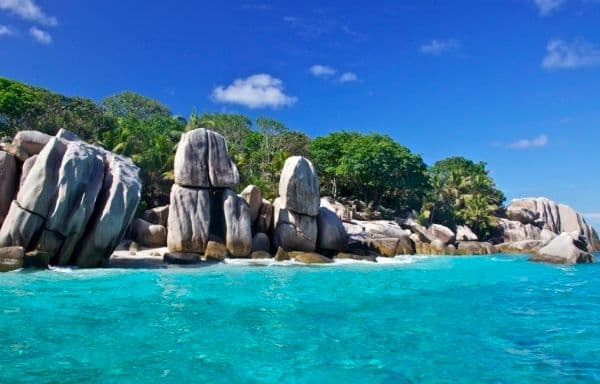
The primary ecological asset is the Mohéli Marine Park, the Comoros’ first protected area. It encompasses reefs, turtle habitats, and dugong populations. Accessing this park from Mtakoudja is a direct confrontation with the ocean’s capacity to sustain life. The water is clear, the currents are real, and the wildlife does not care about your itinerary. You observe. You do not touch. This is the first rule of the place.
Moving with Intent
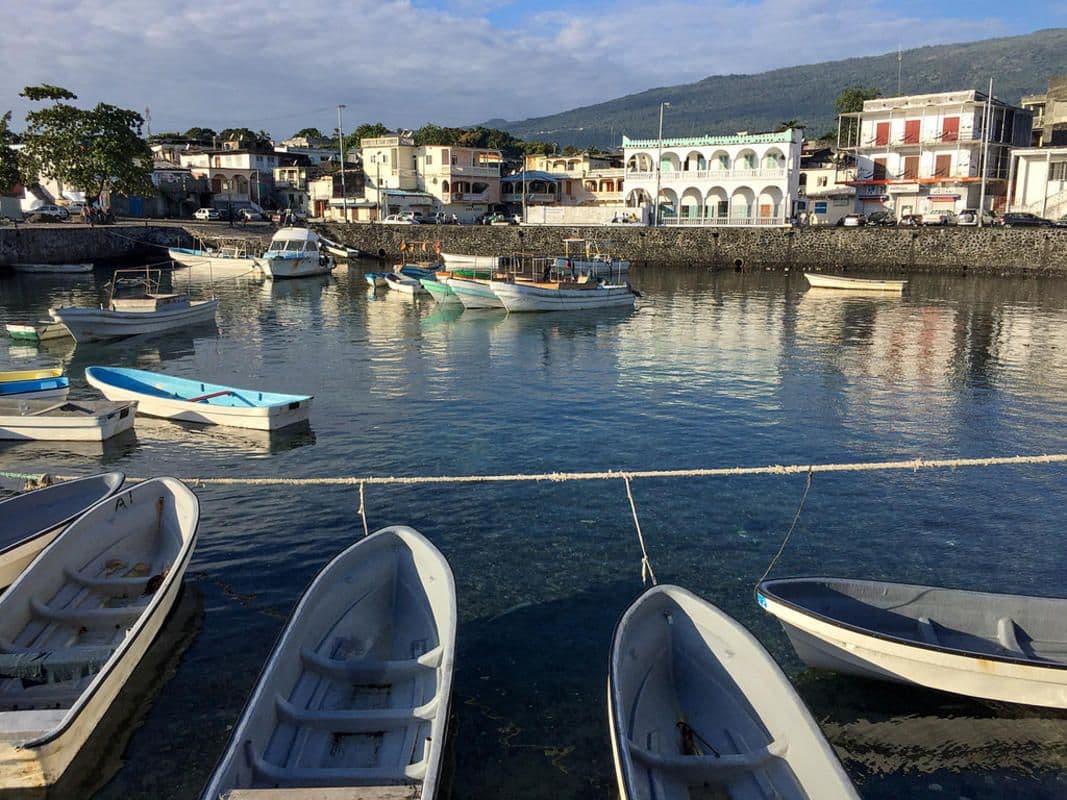
Transportation in the Comoros is defined by separation. The islands are distinct entities, and moving between them requires a deliberate choice. There is no rail service. The only airport in the Comoros is Prince Said Ibrahim International Airport (IATA: HAH) in Moroni on Grande Comore. From there, you have two options to reach Mohéli: flight or boat.
AB Aviation operates inter-island flights between Moroni, Mohéli, and Anjouan. Schedules change frequently, and cancellations are common due to weather or operational constraints. This unpredictability is part of the system. You must build flexibility into your plans. Alternatively, Adore Comores Express operates maritime transport between the three islands. The boat crossing from Moroni to Anjouan takes between six and eight hours, depending on sea conditions. The journey to Mohéli follows a similar maritime logic.
Once on Mohéli, reaching Mtakoudja involves local transit. Rome2Rio lists six ways to reach the town, including plane, car ferry, ferry, bus, and taxi. No verified fixed fares or journey times for the final leg to Mtakoudja are confirmed. You will likely use a local taxi or a small bus. The cost is negligible in global terms but significant in local context. Pay in Comorian francs (KMF). Do not expect card payments. Cash is the only currency that moves here.
Sustenance and Sourcing
Food in Mtakoudja is rooted in the island’s agricultural and marine outputs. You will not find imported luxury here. You will find sustenance that is local, seasonal, and unpretentious. The Comorian culinary tradition is built on coconut, fish, and root vegetables.
One traditional dish is Mkatra foutra, a Comorian preparation that appears in regional guides. It reflects the island’s reliance on local ingredients and traditional cooking methods. Another key element of the local diet is the integration of vanilla into various dishes. Mohéli is known for its vanilla production, and the use of this spice in local cooking is a specific practice. In the Le Gala area of Mohéli, local food stalls serve authentic Comorian dishes. These establishments function as spaces where meals are prepared and served with minimal waste. Eating here supports the local economy directly. The ingredients are sourced within the island’s boundaries. This is the most eco-friendly way to consume food: by reducing the carbon footprint associated with supply chains.
Practical Logistics
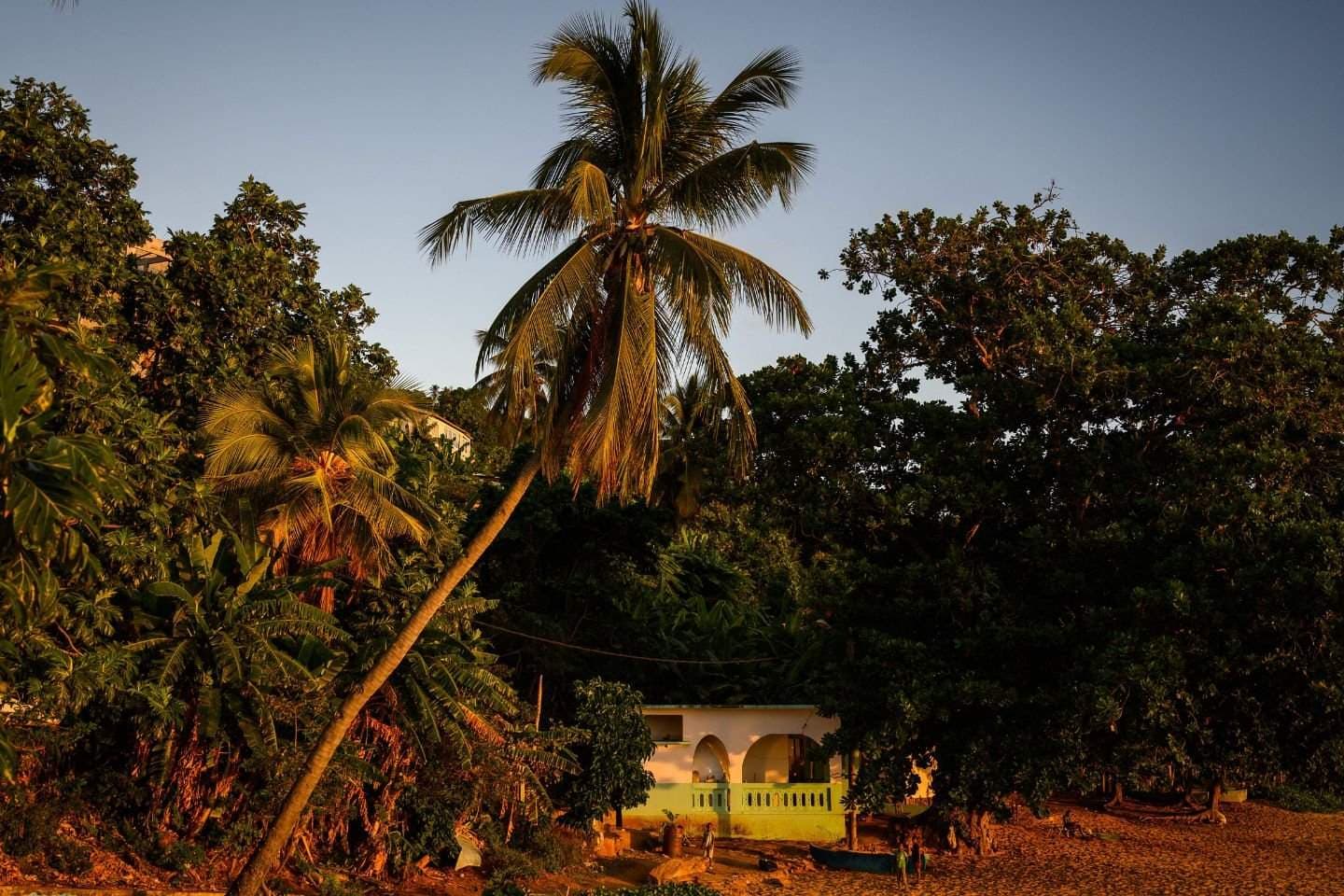
The time zone in Mtakoudja is UTC+03:00, with no daylight saving time. The currency is the Comorian franc (KMF). There is no verified best-season date for visiting Mtakoudja specifically, as detailed seasonal data for this small town is not widely published. However, general Comorian travel advice suggests avoiding the rainy season, which typically runs from November to April, for smoother transit and clearer marine visibility. The dry season, from May to October, offers more predictable conditions for boat crossings and diving.
There are no major holidays in the next six months on record that would significantly impact crowding or pricing in Mtakoudja. The town remains quiet year-round. You do not need to book accommodations far in advance unless you are traveling during a major international event in Moroni, which might affect flight availability.
When to go: The period from May to October is generally recommended for stable weather. Who it’s for: This place suits travelers who understand that eco-friendly travel is about acceptance of limitations. It appeals to those who can find value in a 39-meter elevation and a population of 1,410. Stay for two to three days to allow for a boat transfer, a day in the marine park, and a local meal.
Local Etiquette
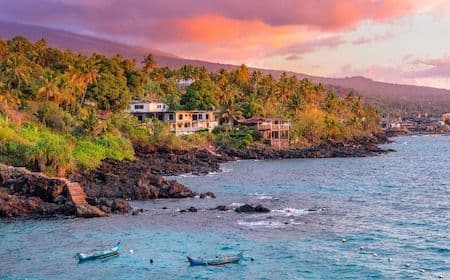
The moral pressure in Mtakoudja is subtle. It comes from the fact that your presence is a disruption. The islanders live in a closed system. Your consumption of water, food, and space affects their environment. Respect this by minimizing your impact. Use reef-safe sunscreen if you enter the water. Do not disturb marine life. Ask permission before photographing residents. The language of the Comoros is Comorian (Shikomori), with French as an official language. English is not widely spoken. A few words of Comorian or French go a long way in showing respect.
The silence in the town is full of local activity. Listen to it. Do not impose your noise. This is a place where the rules are written in the landscape, not in a guidebook.
Frequently Asked Questions
How do I get to Mtakoudja from Moroni? You must first fly or take a boat to Mohéli Island. From Moroni, AB Aviation operates flights, and Adore Comores Express operates boats. Once on Mohéli, you will need to arrange local transport, such as a taxi or bus, to reach Mtakoudja on the eastern coast.
What currency is used in Mtakoudja? The local currency is the Comorian franc (KMF). Cash is the primary method of payment. Credit cards are not widely accepted, especially in small towns like Mtakoudja.
Is Mtakoudja suitable for eco-tourism? Yes, but with conditions. The presence of the Mohéli Marine Park makes it a key destination for marine conservation. However, you must adhere to strict environmental practices, such as not touching coral or wildlife, and minimizing waste. The infrastructure is basic, which aligns with low-impact travel principles.