Learn the Afar coffee ceremony in Gewanē, a remote Afar town where the ritual is daily life, not just a tourist show.
The Reality of the Classroom
There is no "cooking class" in Gewanē, Ethiopia, in the way you might find in Addis Ababa or Lalibela. You will not find a dedicated culinary studio with a white apron and a laminated menu. The town sits in Administrative Zone 3 of the Afar Region, at an elevation of 618 meters, far from the highland coffee belt that usually defines Ethiopian cuisine. The "class" here is the home, the market, and the ritual itself.
If you are arriving to learn to cook, you are really arriving to learn to host. The core of the experience is the coffee ceremony, a social ritual that functions as the economic and cultural backbone of daily life in this part of the Afar Region. This ritual serves as the pause between work and rest. The smell of roasted beans hitting a hot pan is the first thing you notice, a sharp, earthy scent that cuts through the dry air. You are not learning to prepare a complex multi-course meal; you are learning the patience required to serve three rounds of coffee, the Abol, Tona, and Baraka.
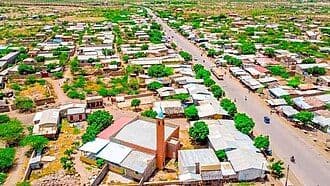
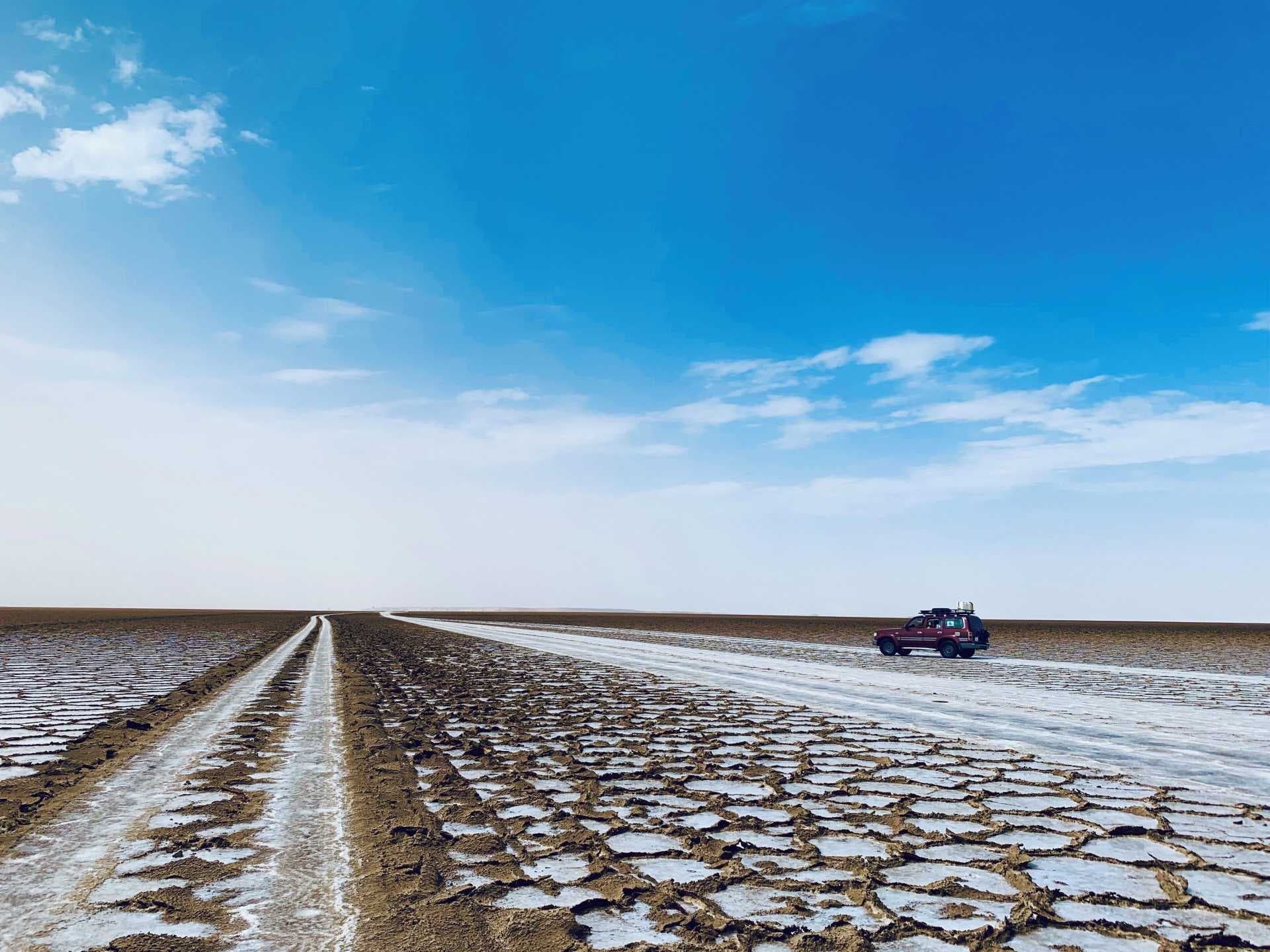
The town itself is a study in displacement. The current settlement, known as New Gewane, sits 2 km east of the original location. The move happened because the town was relocated astride a new all-weather highway, a piece of infrastructure that connects the remote zones of the Afar. The old settlement, Old Gewane, is still there, 2 km to the west. Walking between the two gives you a sense of the town’s recent history. It is a quiet, dusty landscape where the rhythm of life is dictated by the heat and the availability of water, not by a tourist schedule.
What You Actually Learn
The "curriculum" is dictated by the household you are staying with. In the Afar Region, food is simple, often centered around flatbreads, lentils, and vegetables, but the coffee ceremony is the non-negotiable centerpiece. You will learn to grind the beans by hand, a process that requires a steady hand and a mortar and pestle. The sound is rhythmic, a soft grinding that fills the room.
The roasting is the critical step. You roast the beans in a clay pan over an open fire, constantly stirring to prevent them from burning. The color changes from green to yellow to a deep, oily brown. You know it is ready when the smell shifts from grassy to nutty. This is not a quick task. It takes time, and the host will explain that the first round is the strongest, the second is smoother, and the third is the most complex.
You will also learn the etiquette of serving. The coffee is served in small cups without handles, placed on a tray with popcorn or roasted barley. The host sits with you, and the conversation flows. It is a time for news, for family matters, for business. To leave after the first round is considered rude. You stay for the second. You are expected to stay for the third. This is the "class": the understanding that hospitality in this part of Ethiopia is a long, slow process that values presence over speed.
The food that accompanies the coffee is often simple. You might be served injera, the sour, spongy flatbread that is the staple of the region. It is made from teff, a local grain, and has a distinct tangy flavor. The bread undergoes fermentation for days before being steamed. You will likely be handed a piece to tear and use to scoop up any available side dishes, such as a lentil stew or a vegetable preparation. The focus is not on the complexity of the ingredients, but on the communal act of eating.
Practical Logistics
Access to Gewanē requires more planning than a standard bus route from Addis Ababa. No railway line or station serves the town. The primary access is by road, via the all-weather highway that the town was relocated to accommodate. The journey is long and requires planning. You will likely need to arrange a private vehicle or a shared taxi from a larger hub in the Afar Region. Do not expect frequent public transport. The town is remote, and services are sparse.
Accommodation is basic. There are no luxury hotels or international chains. You will be staying in guesthouses or local lodgings that offer clean, simple rooms. Prices are low compared to the major tourist cities, but do not expect modern amenities. The focus is on the experience, not the comfort of the bed. You should budget for the cost of the coffee ceremony itself if you are not staying with a host who includes it. While the beans are cheap, the ritual is a service, and tipping is appropriate.
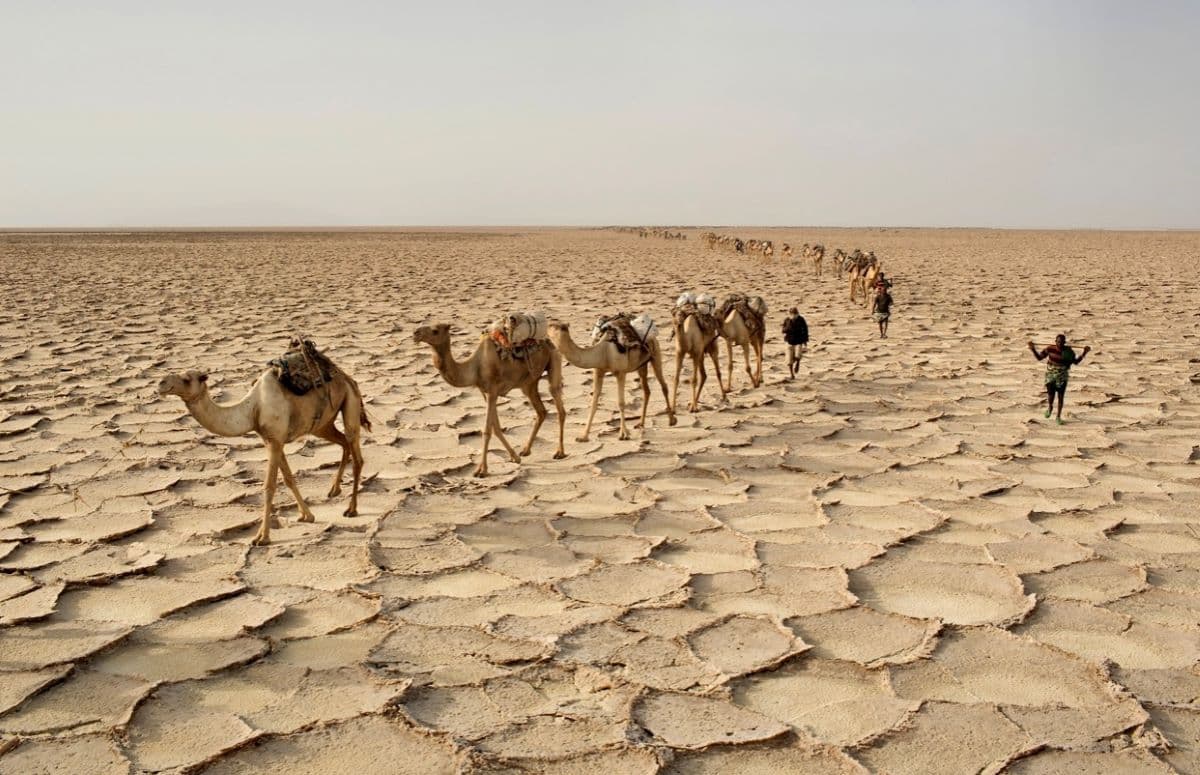
The best time to go is during the cooler months, though specific seasonal data for this micro-climate is not widely published. The Afar Region is hot and dry for most of the year. The coffee ceremony is a year-round practice, but the intensity of the heat can make outdoor gatherings difficult. The indoor or shaded courtyard settings are where the ritual takes place. You should check the local conditions before booking, as the availability of fresh water and the state of the roads can vary.
Cultural Etiquette
The coffee ceremony is a sacred social contract. When you are invited, you accept. When you are served, you drink. The host takes pride in the quality of the roast and the warmth of the conversation. It is a relationship, not a transaction. You are a guest in their home, and the coffee is the medium of that relationship.
You should dress modestly. The Afar Region is conservative, and conservative dress is expected. This is a remote, rural area where tradition holds strong sway. Your behavior should reflect respect for the local customs. Do not rush the ceremony. Do not look at your phone. Sit, listen, and drink. The host will guide you through the three rounds. If you are unsure about the food, ask. The injera is safe to eat, and the lentils are well-cooked. The coffee is strong, so take small sips.
The language barrier can be a challenge. The local language is Afar, though Oromo and Amharic are also spoken. English is not widely spoken outside of the few tourists who make it to this part of the country. Learn a few basic phrases in Afar or Oromo. "Yalla" (let’s go) and "Awwa" (thanks) go a long way. The host will appreciate the effort, even if your pronunciation is imperfect.
When to Go
The next major holiday is Christmas Day, which falls on January 7, 2027, according to the Ethiopian Orthodox calendar. This is a significant date for the local population, and the town will be busy with religious observances. The coffee ceremony will be central to the celebrations, but you may find it difficult to secure a private host for a "class" during the holiday period. The focus will be on family and faith, not on teaching visitors.
Epiphany Day follows on January 19, 2027. This is another major holiday, and the town will be quiet or busy with processions, depending on the local customs. If you want to experience the daily rhythm of the coffee ceremony without the overlay of major religious events, avoid these dates. The months between the holidays are better for a focused learning experience.
This destination suits the solo traveler or the small group of like-minded individuals who want to understand the culture from the inside. It is less suitable for families with young children or those seeking luxury. You should plan for at least three days in the area. One day is not enough to learn the ceremony, to walk between Old and New Gewane, and to settle into the rhythm of the town. Two days is the minimum. Three days allows you to participate in multiple ceremonies and build a relationship with your host.
Frequently Asked Questions
Is there a dedicated cooking school in Gewanē? No. There is no formal culinary school or tourist-oriented cooking class. The "class" is an informal arrangement with a local host or guesthouse owner. You must arrange this in advance or upon arrival, and availability is not guaranteed.
How do I get to Gewanē from Addis Ababa? There is no direct public transport. You must travel by road, likely via a private vehicle or a shared taxi from a larger town in the Afar Region. The journey is long and should be planned carefully, as the all-weather highway is the main access route.
What should I wear? Modest, conservative clothing. The Afar Region is traditional, and your dress should reflect respect for local customs. Avoid revealing clothing, and be prepared for the heat by wearing light, breathable fabrics that cover your shoulders and knees.