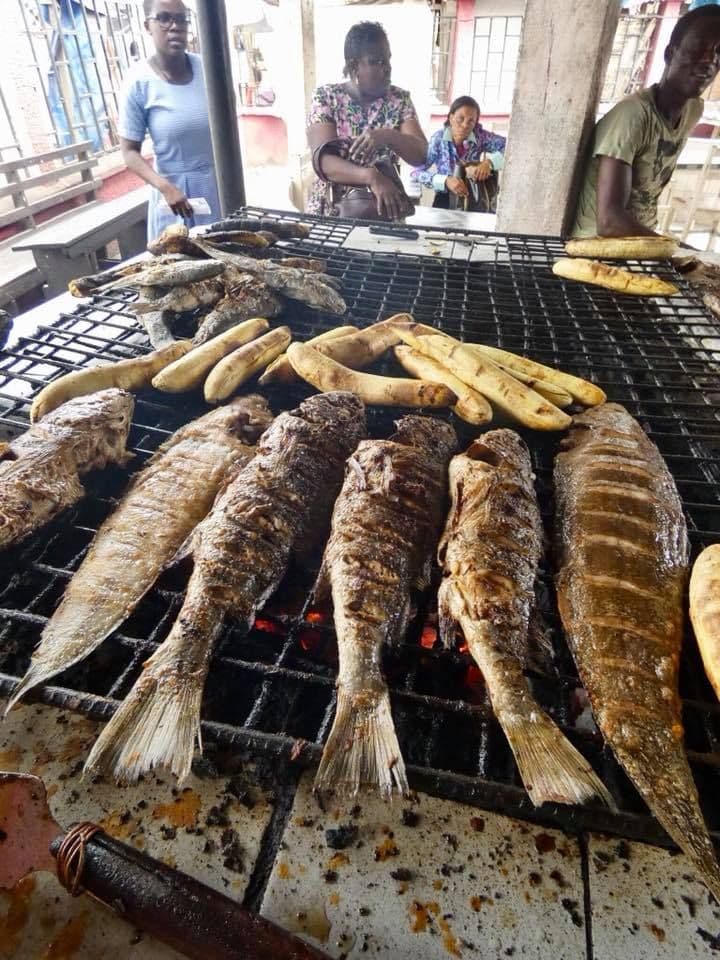
A shared bus from Douala to Limbe costs about $7 and takes roughly one hour. At Down Beach, grilled Kuta (barracuda) comes off the charcoal onto the black volcanic sand that lines the Atlantic shore.
The Shoreline Economy
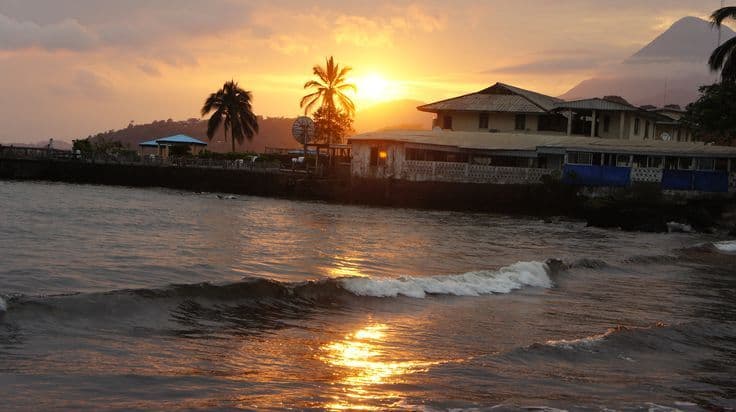
The night in Limbe begins at the water's edge. Down Beach is the convergence point. Here, the black volcanic sand stretches along the Atlantic, and the air thickens with the scent of charcoal and brine. It is a functional space. Fishermen haul their catches from the day's work, and the stalls along the shore become the primary dining room. You will find Kuta (barracuda), grouper, and shinose laid out on ice, waiting for the grill.
The process is immediate. You point. The cook grills. You eat. The menu is availability. This is where the local economy breathes at night. The smoke from the grills rises into the humid air, a visible marker of the town's reliance on the sea. For a traveler, this is the most honest way to understand the place. You are a participant in a daily cycle that has not changed in generations. The sound is constant: the crash of waves against the shore, the sizzle of fat on hot coals, and the low murmur of conversation in French and local pidgin.
Bars and Lounges
When the beach stalls begin to close, the energy shifts inland. The nightlife in Limbe is specific and local. Hk Lounge By Ricky Fundz, located on Sokolo Road, represents the newer tier of venues. It is a space where the town's younger demographic gathers. The vibe is about the social pressure of being seen. It is a holding space for strangers who are briefly aligned by the night.
Further along the coast, Seme Beach restaurant operates with a distinct visual anchor: a tropical fish tank bar. This decorative choice serves as a statement of proximity to the source. The seafood here comes from the same waters that bathe the town. The bar becomes a point of observation. You drink while watching the fish that will become your next meal, if you stay the night.
WhatsApp Snack Bar is another cited venue in the local listings. The name suggests a casual, informal atmosphere. It is a place where the rules of engagement are relaxed. You do not need a reservation. You do not need a specific dress code. You simply arrive, and the night unfolds around you. These venues function as nodes in a network of social interaction. They serve the local population first, and the traveler second.
The Flavor of the Night
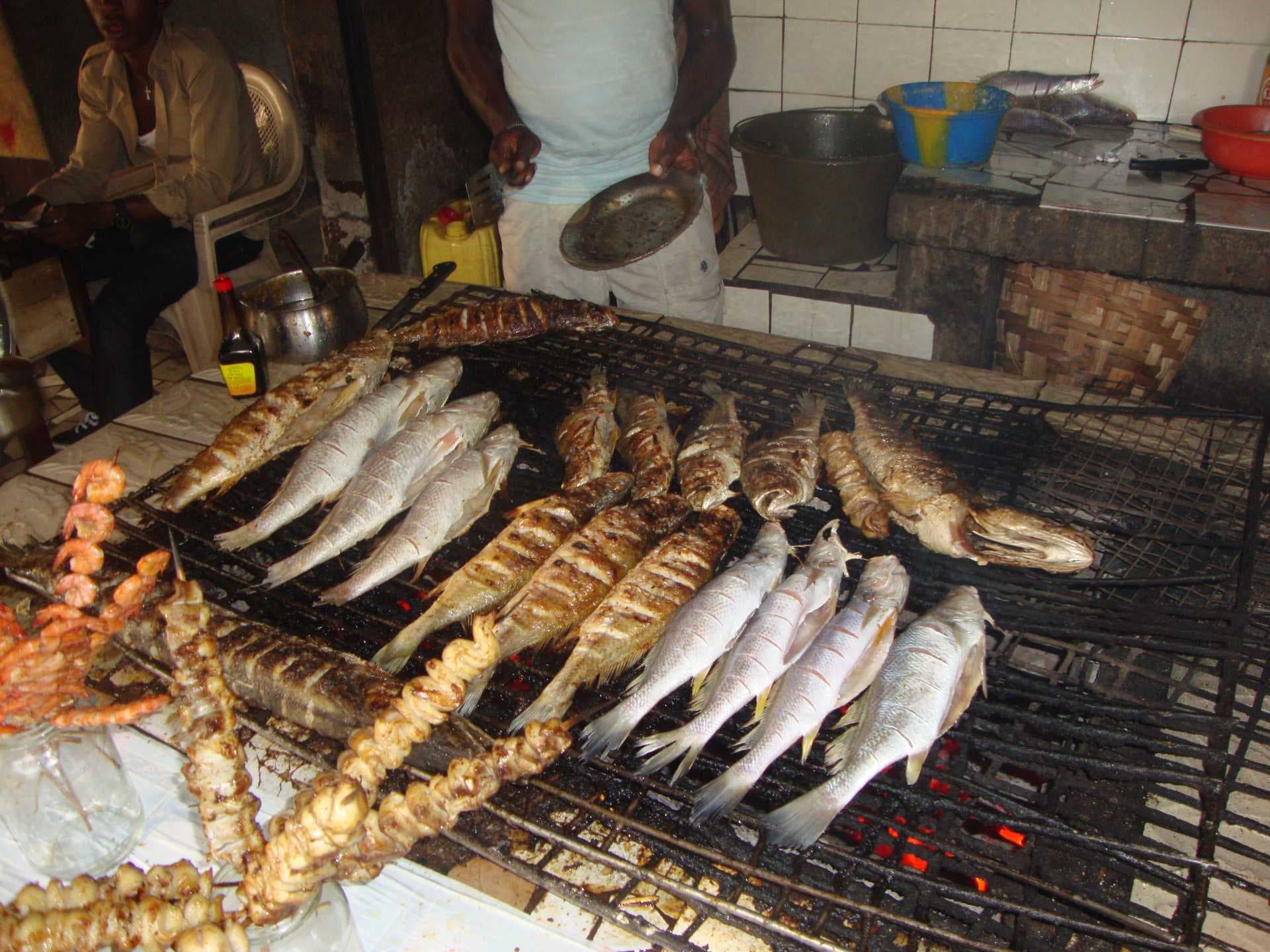
The food in Limbe is defined by the catch. Limbe fish stew is a staple, a dish that requires time and patience. It is a traditional Cameroonian preparation, often featuring a rich, peppery broth. The stew requires slow cooking to develop its depth. At the beach markets, you will also find traditional pepper soup, a lighter option that clears the palate after heavy grilling.
The seafood types are specific to the Atlantic coast. Crabs and gambas (prawns) are common, often cooked in styles that emphasize the heat of local peppers. The taste is sharp, saline, and immediate. There is no subtlety here. The food is meant to be eaten while it is hot, while the smoke is still rising. It is a sensory experience that bypasses the intellectual and goes straight to the primal.
If you seek a more structured meal, the restaurants near Down Beach offer a mix of grilled and stewed options. The quality varies, but the freshness is undeniable. The fish is often landed that same morning. This is the rule of the place: proximity to the source determines the quality of the outcome. Expect plastic stools, shared plates, and the direct exchange of money for sustenance.
Moving Through the Town
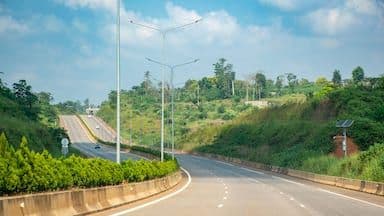
Limbe sits roughly 70 km from Douala, the economic capital. The road connection is the primary artery for movement. A bus, car, or taxi from Douala takes about one hour, with the cheapest option costing around $7. This is a short, manageable transit window. It allows for a day trip, but it also suggests that Limbe is a satellite to a larger hub.
The rail line, the Western line (Douala–Kumba), is noted for rehabilitation needs. While it exists in the broader infrastructure of Cameroon, specific service to Limbe is not verified in current reliable sources. Therefore, the road is the definitive link. Bessengué Station in Douala serves as a transit point for the region, but for the traveler, the bus or taxi is the practical choice.
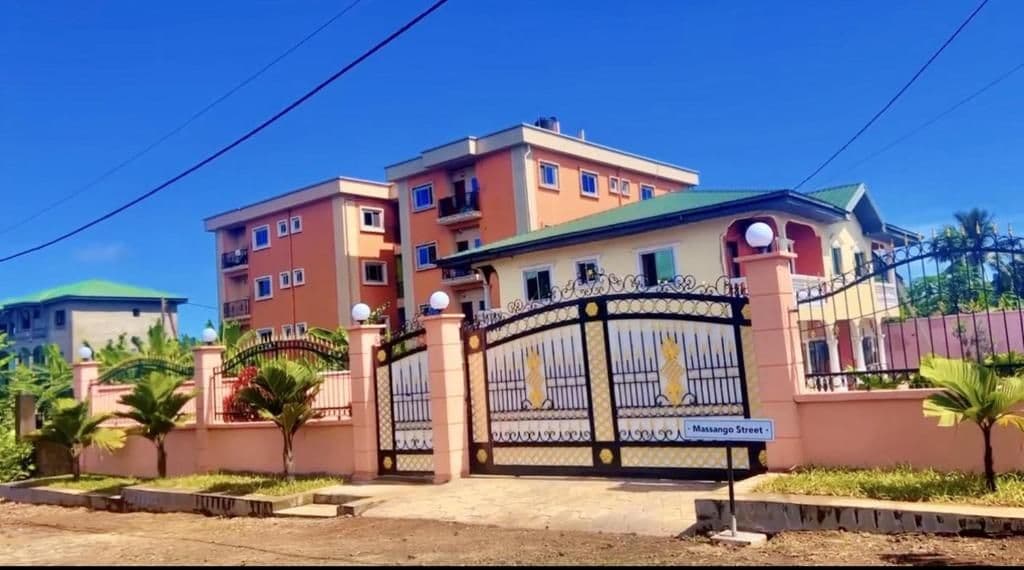
Within Limbe itself, the town is compact. You can walk from the beach to the main road in minutes. The black sand beaches are for walking. The surf is consistent, a reminder that the Atlantic is a powerful force. The town is built to withstand it. The buildings are close to the shore, and the wind carries the salt into every room.
Timing and Seasons
The best time to visit Limbe depends on rainfall and road access. The dry months improve transport and outdoor visibility. If you are planning a trip, aim for the periods when the roads are clear and the beach is accessible. Low-season rates drop to about $90 per day, while peak season can reach $148 per day. This is a significant difference, and it reflects the demand for the space.
The next major holiday is Christmas Day on December 25, 2026. This period will see increased local activity. The beaches will be crowded with families, and the bars will be full. If you prefer a quieter experience, avoid this window. New Year's Day on January 1, 2027, follows closely, extending the festive period. Youth Day in February and Eid al-Fitr in March also bring local observances, but the impact on nightlife is less pronounced than the winter holidays.
For the solo traveler, Limbe is a manageable destination. The town is small enough to feel safe if you are aware of your surroundings, yet large enough to offer variety. The local angle is clear: this is a place where the sea dictates the schedule. You participate in the night. The coin toss is always in favor of the tide.
Practical Questions
Is Limbe safe for solo travelers at night? The town is generally safe, but as with any coastal area in West Africa, standard precautions apply. Stick to well-lit areas near the beach or main roads. Avoid isolated paths after dark. The presence of local vendors and other travelers provides a natural layer of security.
What currency is used in Limbe? The Cameroon CFA franc is the official currency. Most beach stalls and small bars accept cash. It is advisable to carry small denominations for tips and minor purchases. Credit cards are not widely accepted in informal settings.
How do I get from Douala to Limbe? The most practical way is by bus or taxi. The journey takes about one hour. The cost is low, typically around $