70 km southwest of Mogadishu, Marka’s 10th-century port is a working harbor, not a postcard. Here’s how to reach it and what to expect.
The Port That Started It All
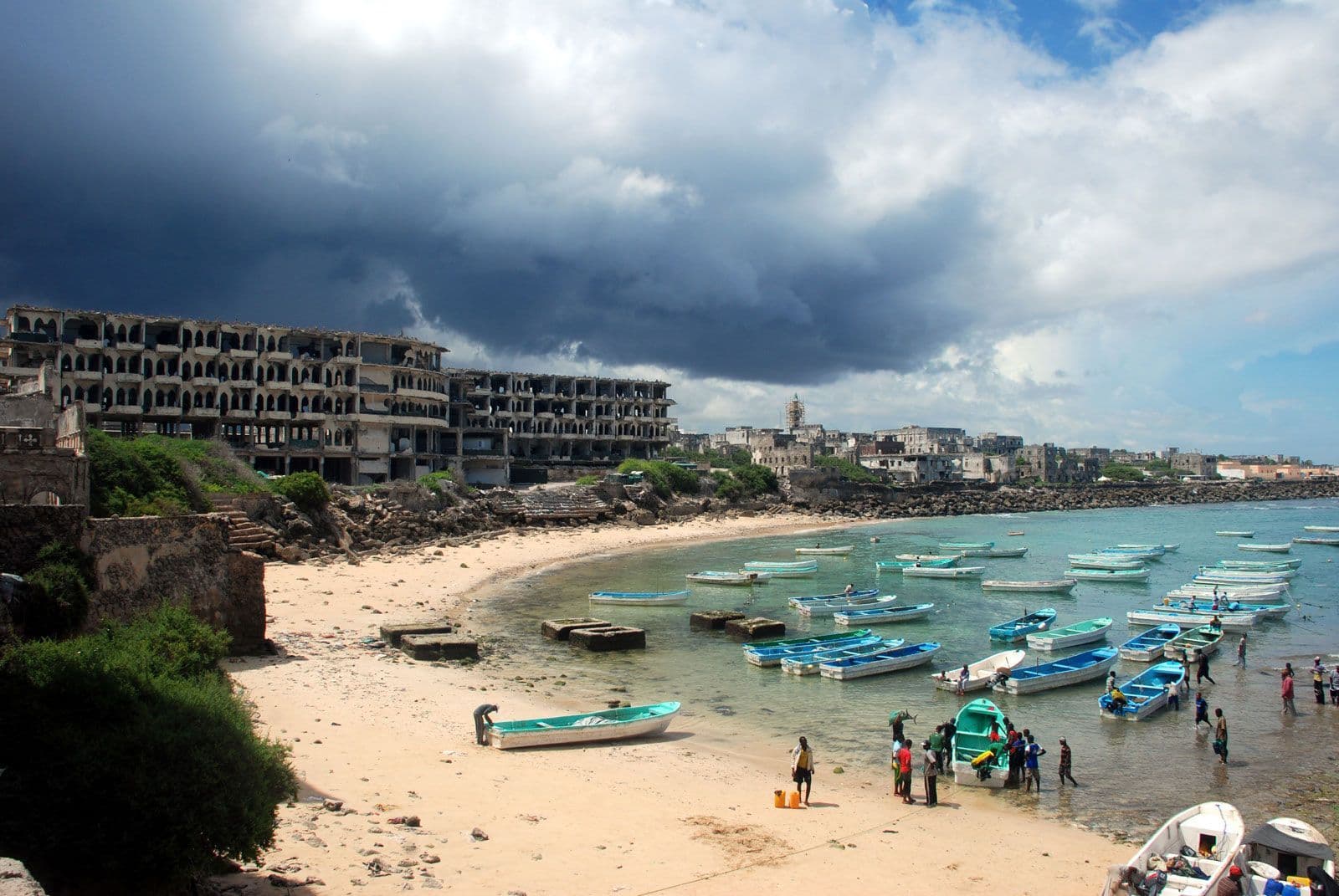
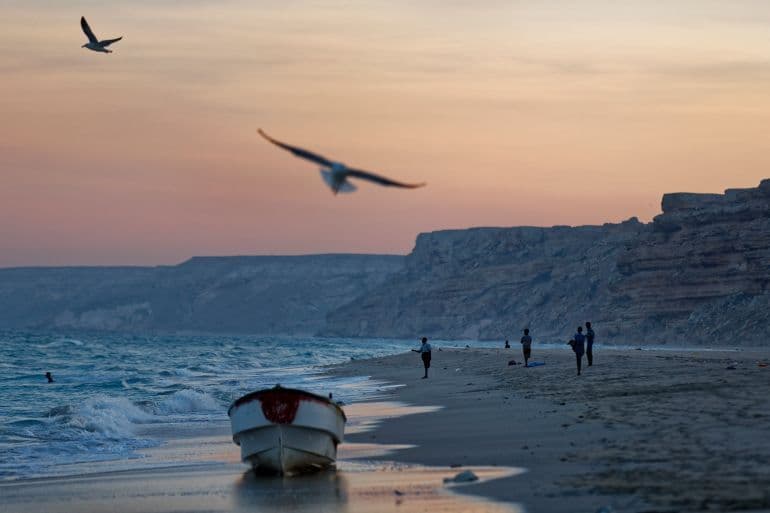
The Port of Marka—also known locally as Merca—has been in existence since at least the 10th century, originally founded by Arab and Persian traders who established a foothold on the Indian Ocean coast. It is the capital of the Lower Shebelle (Shabeellaha Hoose) region and the seat of the Merca District. If you are driving down from Mogadishu, you are heading toward a place where the history isn’t behind glass; it’s in the harbor itself, where dhows still tie up and the old trading rhythms continue.
Getting There: The Road from Mogadishu
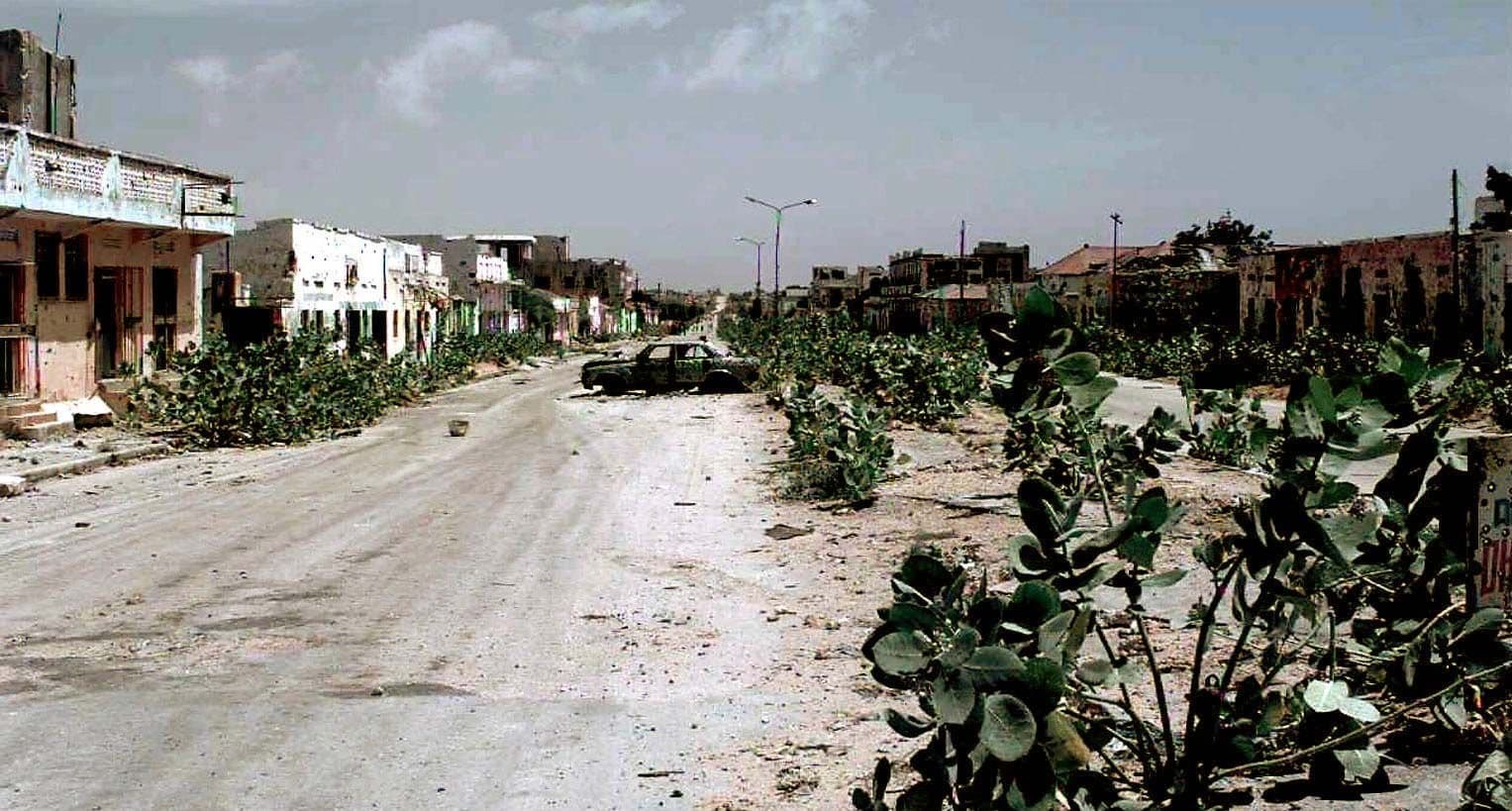
Marka sits approximately 70 to 109 km southwest of Mogadishu, depending on which route you take. The most common path runs along the coastal highway, a stretch that is functional but not scenic in the postcard sense—think straight, dusty road with periodic fuel stops. From the capital, the drive typically takes around 1.5 to 2.5 hours, assuming no traffic or roadworks. There is no confirmed railway line serving Marka; you are looking at local transport or your own vehicle. If you are driving, keep an eye out for the last fuel station before the final stretch, as options thin out once you leave the main corridor.
Where to Stay
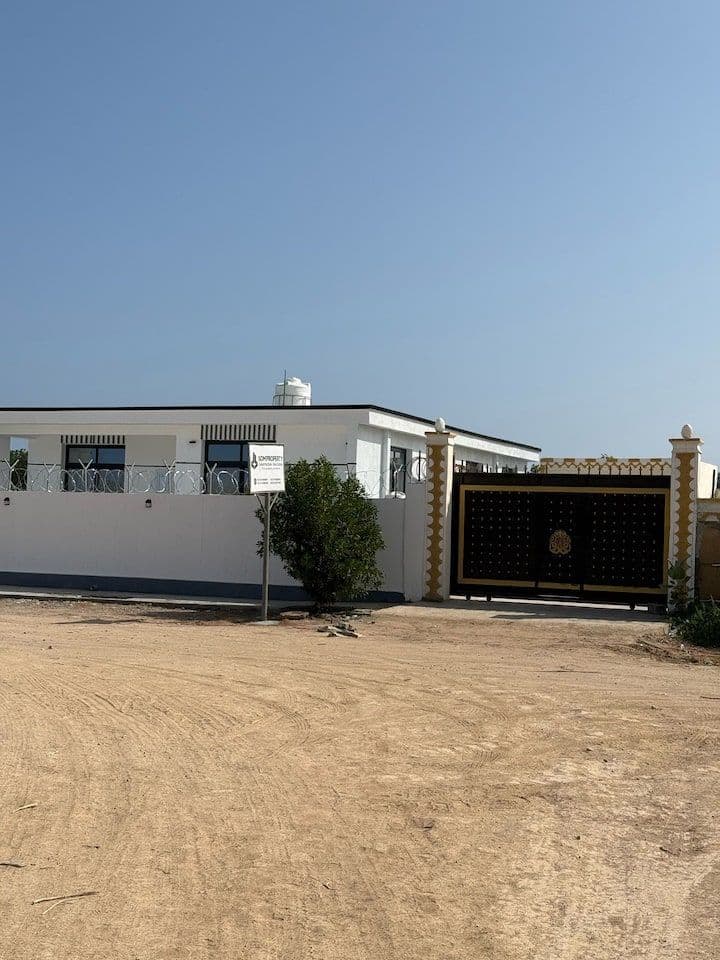
Accommodation in Marka is limited compared to Mogadishu. Most visitors stay in small guesthouses or local hotels near the port district. Prices typically range from around $20 to $50 per night for a basic room. The differentiator here is proximity: staying within walking distance of the harbor means you can hear the boats at dawn and catch the market in the early morning. If you prefer more comfort, you might base yourself in Mogadishu and make a day trip, but for the full experience, sleeping in Marka puts you in the middle of the action.
Food and Local Flavors
No specific dish is universally confirmed as uniquely “Marka,” but the region shares the broader Somali culinary tradition. Expect grilled meats, rice dishes, and fresh seafood from the harbor. The local market area is where you’ll find the freshest catch. If you’re driving, the smell of grilling fish near the port is a reliable sign you’ve arrived.
When to Go
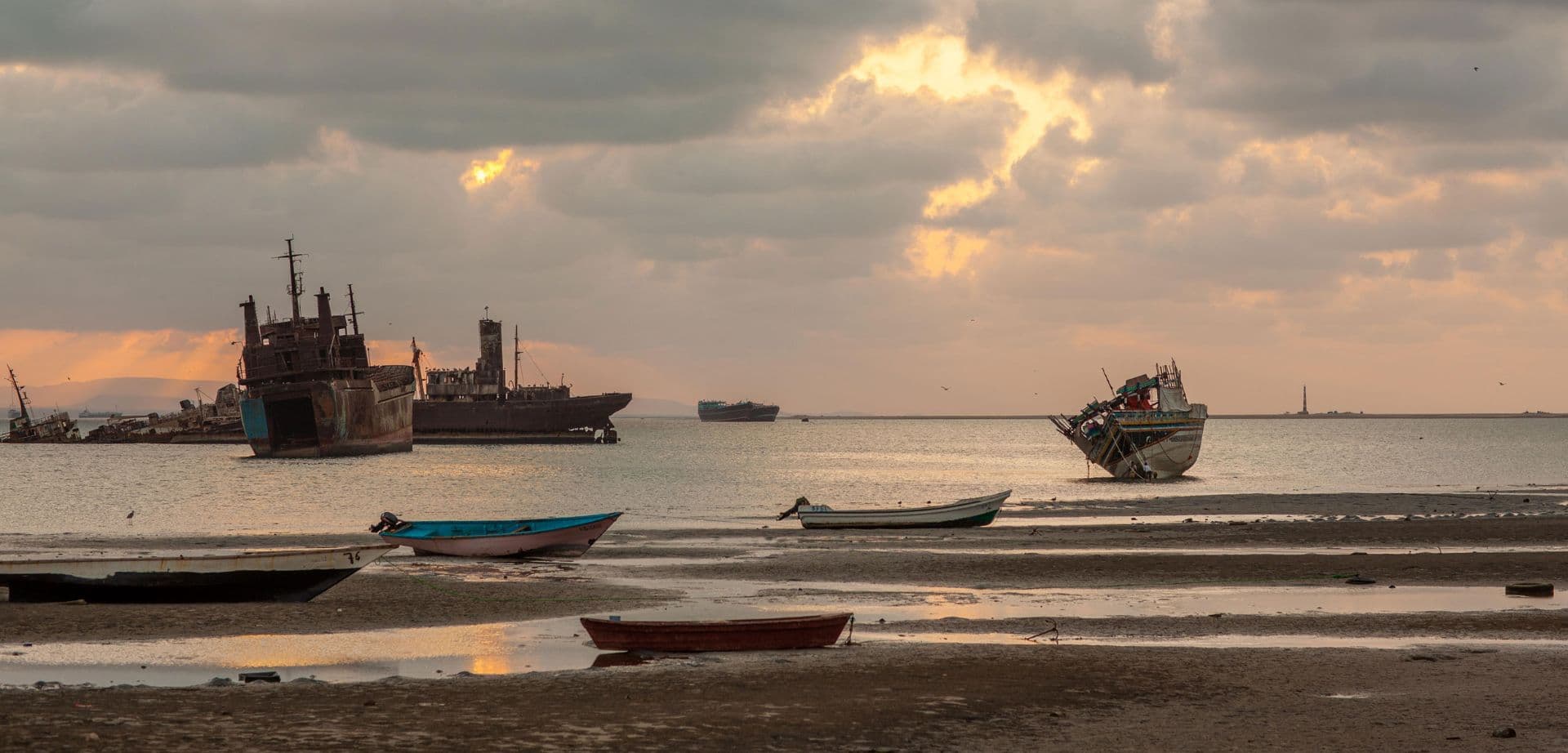
There is no confirmed “best season” in the sources, but generally, the dry months (roughly December to February) offer the most predictable road conditions and lighter crowds. With no major holidays on record in the next six months, you can plan around your own schedule. For road trips, aim for early morning departures from Mogadishu to avoid heat and traffic. Stay at least two nights to absorb the port rhythm; one day is enough for a quick look, but two gives you time to sit by the harbor and watch the dhows come and go.
FAQ
Do I need a visa? Check current Somali visa requirements; many travelers apply for an e-visa or get one on arrival, but rules change—verify with the embassy or official portal before booking.
Is it safe to drive from Mogadishu? The road is generally passable, but conditions vary. Check with local drivers or your accommodation for current road status before departing.
What should I pack? Light, breathable clothing, sun protection, and a light jacket for the evening. If you’re driving, bring a basic toolkit and extra water.