Skip the airport lounge. Marondera’s food scene is smoke, fire, and the honest smell of grilled meat on the street.
The first thing you notice isn’t the menu; it’s the heat rising off the coals. Marondera District, perched at roughly 875 meters elevation just 72 kilometers east of Harare, doesn’t do subtlety. It does fire. If you’re coming here, you’re not coming for the sanitized hotel buffet. You’re coming for the smoke, the sizzle, and the communal plate that forces you to sit down with strangers. This is the last honest corner of the route between Harare and the eastern highlands.
The Grill: Nyama Choma and the Street Stalls
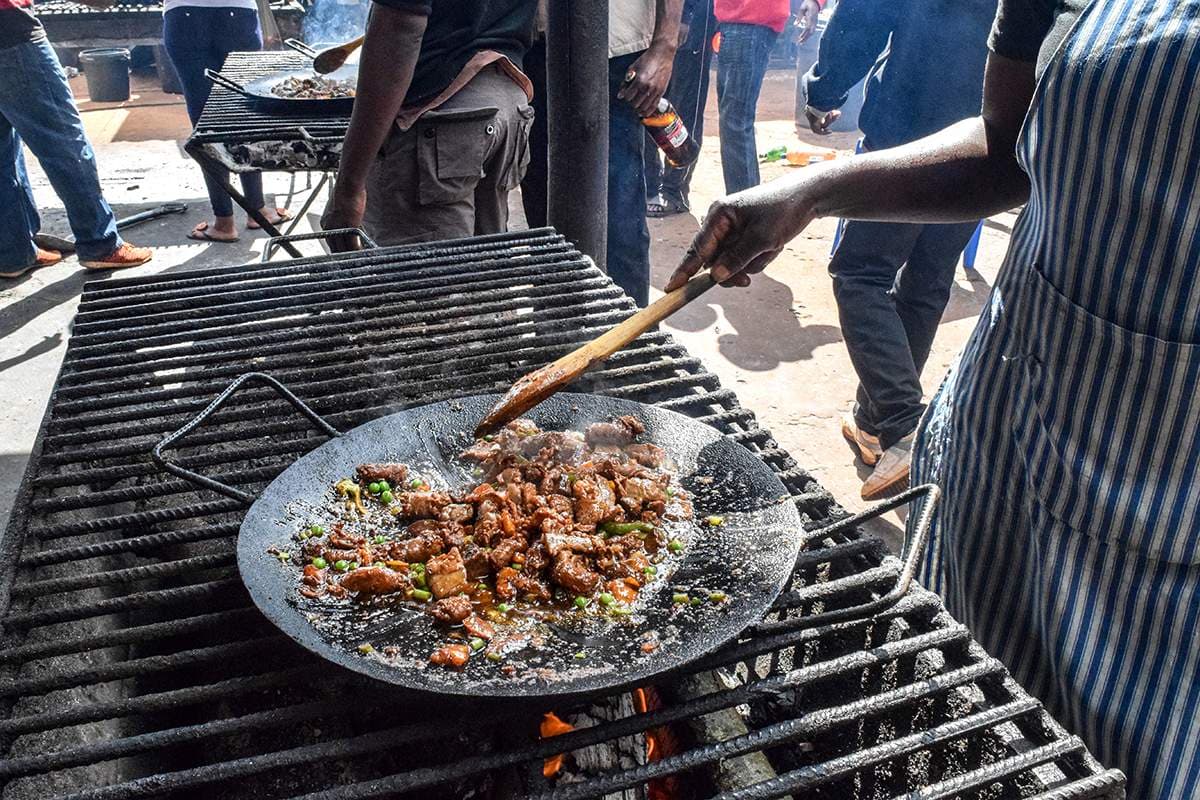
Forget the fine dining expectations. The core of Marondera’s food identity is nyama choma—Zimbabwean grilled meat. This isn’t a dish from a cookbook; it’s a ritual. Meat, typically beef or goat, is marinated in salt and charcoal smoke, then roasted over open coals. In Marondera, this happens in dedicated choma houses and street stalls where the air is thick with the scent of char and fat.
The process is slow. The meat hangs on hooks, turning slowly. You can watch the color change from pink to deep mahogany. The texture is crucial: tender on the inside, crisp and smoky on the outside. It’s not about plating. It’s about the heat of the meat hitting your tongue.
Where to Sit: Marondera Grill & Takeaway
For a mid-price option, Marondera Grill & Takeaway is the anchor. It’s a fast-food style spot focused on local Zimbabwean snacks and grilled meats. It’s not a destination restaurant; it’s a fuel stop with character. The vibe is casual, quick, and unpretentious. If you’re passing through or staying for a day, this is where you grab a plate of nyama choma with sadza (the maize meal staple) without waiting an hour for a table.
There’s also Latitude Restaurant, which offers a more diverse cuisine at an affordable price point. While its confirmation is slightly weaker (sourced from social media discovery), it represents the "sit-down" alternative to the street stalls. It’s a good place to settle in, order a mixed plate, and watch the town move around you.

Practical Detail: Getting There to Eat
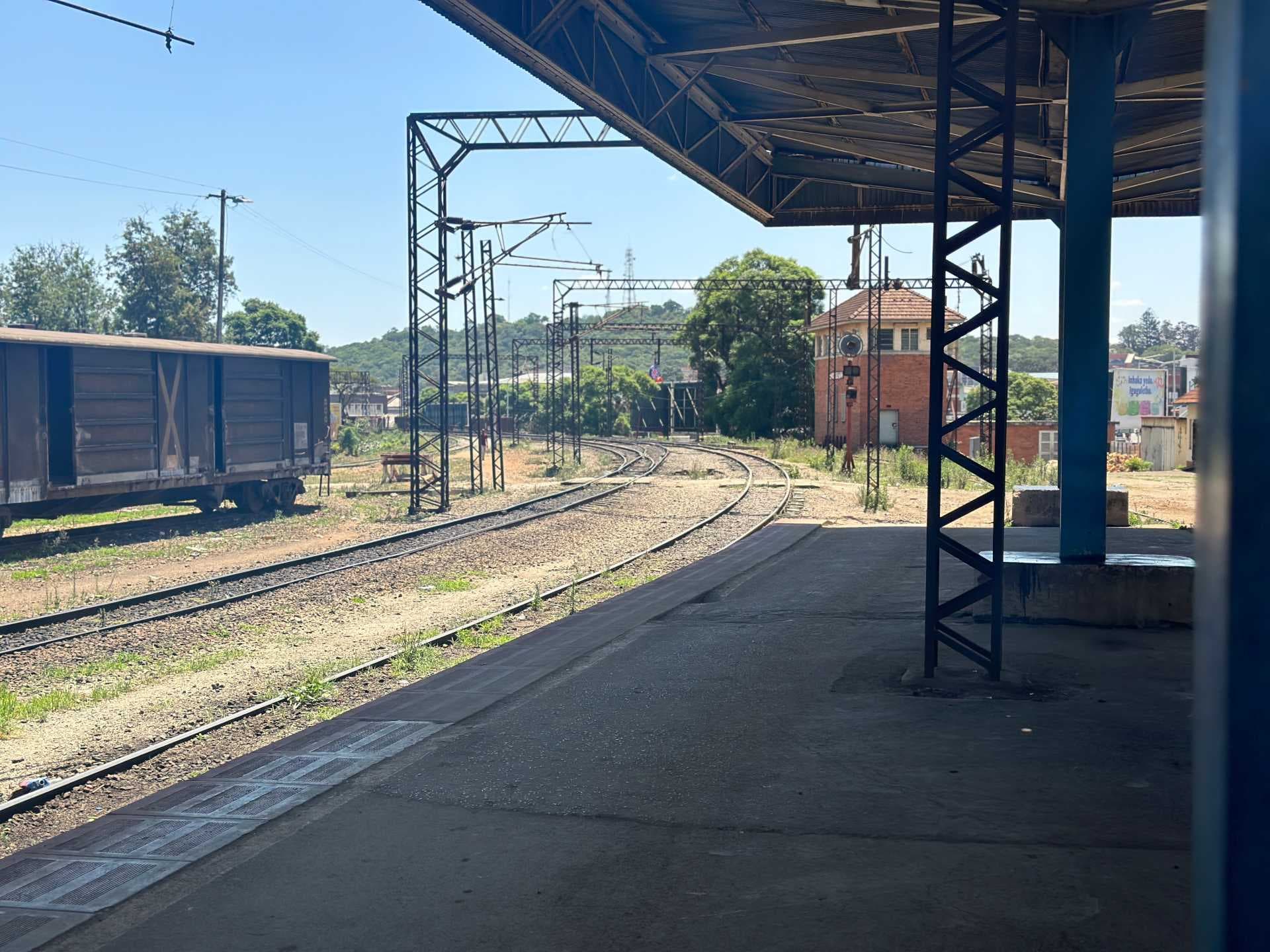
You can’t just drive in and forget the logistics. Marondera is 72 km from Harare, a drive that takes about 1 hour and 25 minutes. If you want the experience to be part of the meal, take the National Railways of Zimbabwe leisure train. The journey is 75 km and takes 2 hours and 15 minutes. It’s slower, yes. But the train ride itself is a pre-dinner ritual. You arrive hungry, tired, and ready for the smoke.
Money-wise, expect a mid-range meal at a grill house to cost around $15–$25 USD equivalent. Street stalls are cheaper. Cash is king. Don’t assume every stall takes cards.
Local Angle: Sadza and the Communal Table
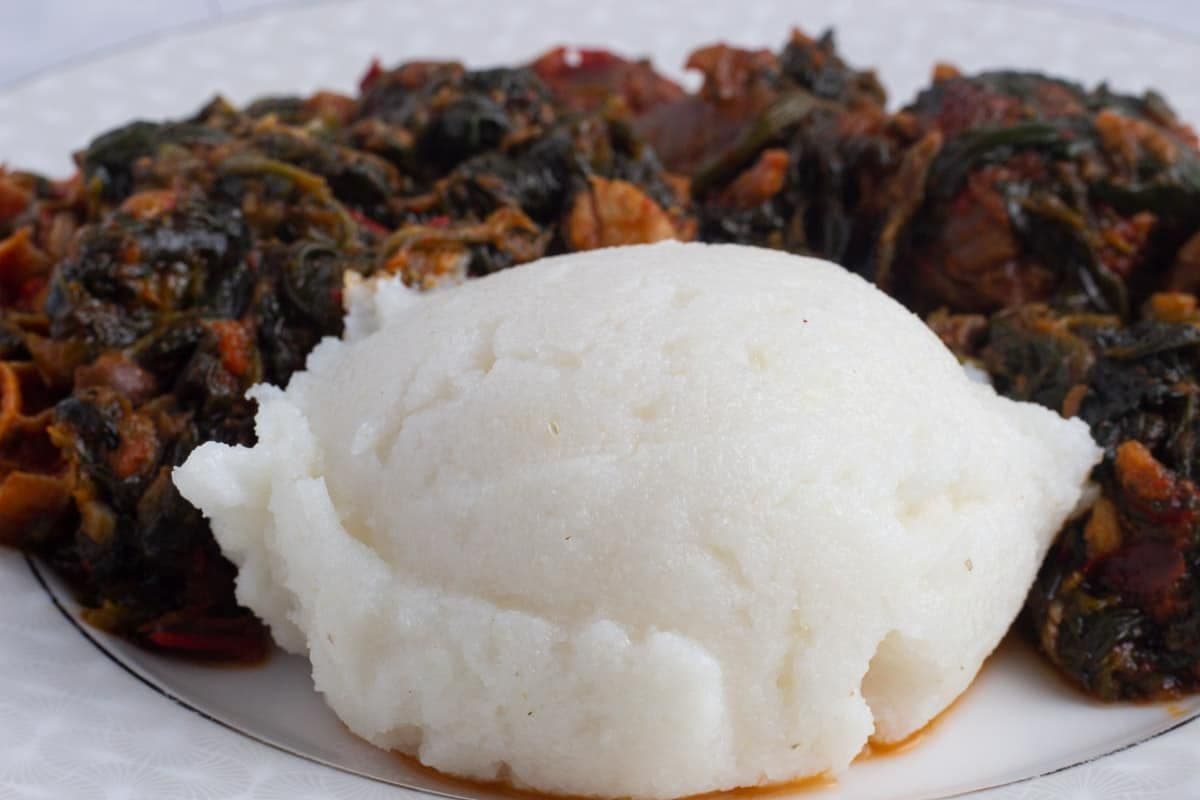
You cannot eat in Marondera without understanding sadza. It’s the maize meal that forms the base of almost every meal. It’s thick, dough-like, and used to scoop up the stews and grilled meats. The etiquette is simple: you eat with your right hand. You form a ball of sadza, dip it in the meat or stew, and eat. It’s tactile. It’s messy. It’s the opposite of the fork-and-knife precision you’re used to.
This is where the "rebellion" happens. You’re not performing for a camera. You’re sitting at a table with locals, sharing a plate, and letting the smoke settle into your clothes. It’s a demolition of the tourist bubble.
When to Go
The best window is Zimbabwe’s dry season, roughly May to October. The weather is cool and dry, perfect for outdoor grilling. Avoid the rainy season (November to April) if you want the street food experience; the rain makes open-fire grilling less pleasant.
Upcoming holidays that affect crowding and pricing:
- National Youth Day (April 11): Observed on the birthday of Robert Gabriel Mugabe. Expect local markets and grills to be busy with families. Book a spot early.
- Christmas (Dec 25) & Boxing Day (Dec 26): Peak family time. The town will be lively.
- New Year’s Day (Jan 1): Quiet start to the year.
- Unity Day (Dec 22): A national holiday. Expect local markets and grills to be busy with families. Book a spot early.
For a food-focused trip, 2–3 days is sufficient. One day for the train ride and first grill. One day for exploring the stalls and trying different meat cuts. One day to slow down and sit at Latitude Restaurant with a good book.
FAQ
Do I need a visa to visit Marondera District? Most international travelers need a Zimbabwe visa. Check your nationality-specific requirements before booking. The process is straightforward for many passports, but confirm the current fee and processing time.
Is the train safe and reliable? The National Railways leisure train is a scheduled service. It’s a slow, scenic route. While generally safe, it’s a leisure product, not a commuter express. Pack patience and a snack for the 2h 15m journey.
What if I’m vegetarian? Zimbabwean cuisine is meat-heavy, but sadza pairs well with vegetable stews. Ask for mukuro (vegetable stew) with your sadza. Most grill houses can accommodate, but street stalls may be more limited.