Skip the Seoul hype. Gunpo-si offers honest, unpretentious dining just a train ride away, where local flavors beat tourist traps every time.
The Reality of Michelin in Gunpo-si
Let’s cut through the noise first. If you are searching for a "Michelin Recommended" list specifically for Gunpo-si, you will come up empty-handed. The Michelin Guide Korea focuses its star and Bib Gourmand awards on major metropolitan hubs like Seoul, Busan, Daegu, and Jeju. Gunpo-si, nestled firmly within the Gyeonggi Province sprawl south of Seoul, does not have its own standalone Michelin section. This isn’t an oversight; it’s a reflection of scale. Gunpo is a commuter city, a dense residential hub with a population hovering around 280,000 people. It serves as a bedroom community for the capital, connected by rail rather than defined by independent culinary tourism infrastructure.
However, this absence of official recognition is actually a gift to the serious eater. In places without Michelin stars, food quality is dictated by local patronage, not international inspectors. You don’t get performative plating or inflated prices for a label. You get what the locals eat day after day, which tends to be robust, comforting, and deeply rooted in Korean home-cooking traditions adapted for quick service. The "Michelin Recommended" angle here is metaphorical: it’s about finding venues that would survive scrutiny because they prioritize ingredient integrity over Instagram appeal.
Getting There and Around
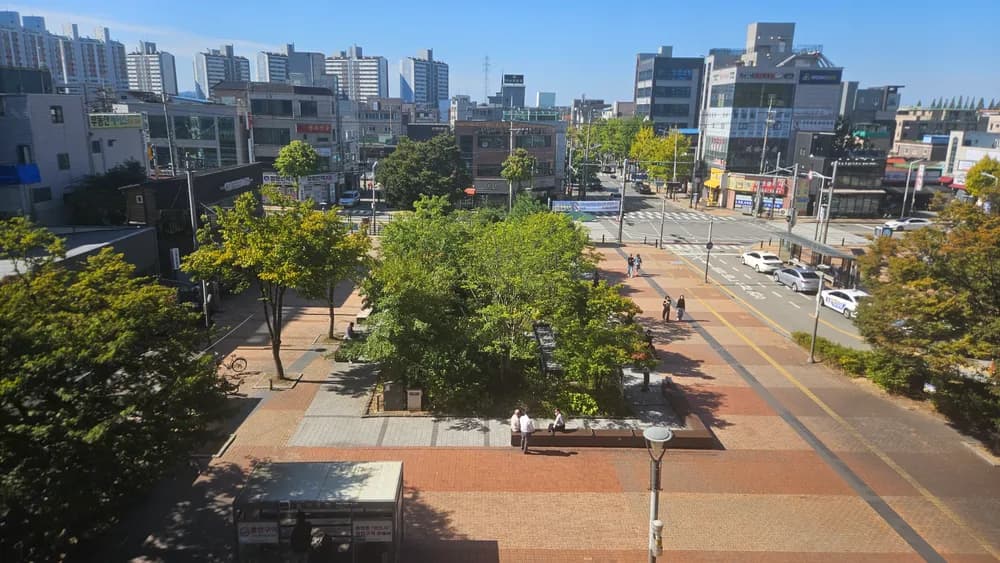
Gunpo-si is aggressively accessible from Seoul, which changes the logistics of your food tour. You don’t need a car. The primary lifeline is the local rail line extending into Gunpo, often part of the broader Seoul Metropolitan Subway network. Stations like Gunpo Station drop you directly into neighborhoods packed with eateries. A one-way ticket from central Seoul (like Seoul Station) costs roughly 1,500–2,000 KRW depending on distance, and the ride takes between 30 to 45 minutes. This proximity means you can treat Gunpo as an extension of Seoul’s dining scene but at lower price points and with less pretension.
For those coming from Suwon, the bordering city to the south, local buses provide frequent connections. But honestly, stick to the subway. It’s punctual, clean, and connects you to the high-density commercial zones where food vendors cluster. Once off the train, walking is often faster than waiting for a bus. The streets around the main station area are narrow, lined with multi-story buildings housing everything from jjimjilbangs (saunas) to late-night BBQ spots. Keep an eye out for signs in Hangul; if you see a line of shoes outside, there’s good food inside.
What You’ll Actually Eat
Since no specific Michelin-listed venue is confirmed for Gunpo-si, we look to the staples that define Gyeonggi suburban dining. These are dishes you will find in almost every neighborhood, prepared with varying degrees of care.
Sundae-guk (Blood Sausage Soup): This is the soul of working-class Korean eating. Bowls arrive steaming, filled with broth made from pork bones, slices of sundae (blood sausage stuffed with glass noodles), and chewy pig intestines. In Gunpo’s older districts, you’ll find family-run stalls serving this for under 9,000 KRW. Look for shops where the owner ladles the soup themselves; pre-packaged kits taste flat compared to fresh broth. Pair it with ssamjang (dipping paste) and raw garlic slices.
Gimbap and Bunsik: Quick, affordable, and everywhere. Gunpo has countless small shops specializing in gimbap (seaweed rice rolls) and tteokbokki (spicy rice cakes). The best ones use real sesame oil in the rice and fresh vegetables, not frozen mixtures. A standard roll costs around 3,000–4,000 KRW. Avoid places with laminated menus full of photos; go for handwritten chalkboards or simple plastic cards. That usually signals a focus on turnover and freshness.
Samgyeopsal (Pork Belly BBQ): While Seoul has high-end BBQ, Gunpo offers the gritty, charcoal-grilled experience. Restaurants here often let you cook your own meat on tabletop grills. Expect thick cuts of marinated pork belly served with lettuce wraps (ssam), kimchi, and garlic. Prices range from 12,000 to 18,000 KRW per person. The key indicator of quality is the ventilation—if the restaurant smells heavily of burnt fat, they’ve been open long enough to earn regulars.
Navigating the Food Scene Like a Local
Eating in Gunpo requires a shift in mindset from tourist dining. You are eating in a residential zone, so hours matter. Many lunch-focused spots close at 3:00 PM and reopen at 5:00 PM. Late-night culture is strong, especially near the subway exits, where chimaek (chicken and beer) joints stay open until 2:00 AM or later.
Payment is predominantly card-based. Even small stalls accept T-money cards or credit cards, though having some cash (KRW) is wise for market stalls or very old-school restaurants that might claim their machine is broken. Language barriers exist, but menu boards are often pictorial. Learn three phrases: "Joesonghamnida" (Excuse me/Please), "Gamsahamnida" (Thank you), and "Mwo joayo?" (What do you recommend?). Locals appreciate the effort, even if your pronunciation is rough.
Tipping is non-existent. Do not leave money on the table. It confuses staff and complicates their accounting. Instead, show appreciation by finishing your food and leaving the table relatively tidy—stacking plates and moving used napkins aside helps the server reset faster.
When to Go and Who Should Visit
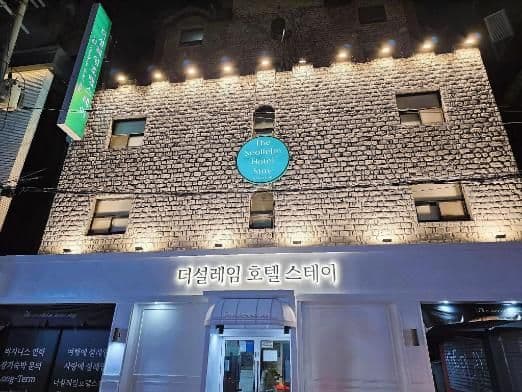
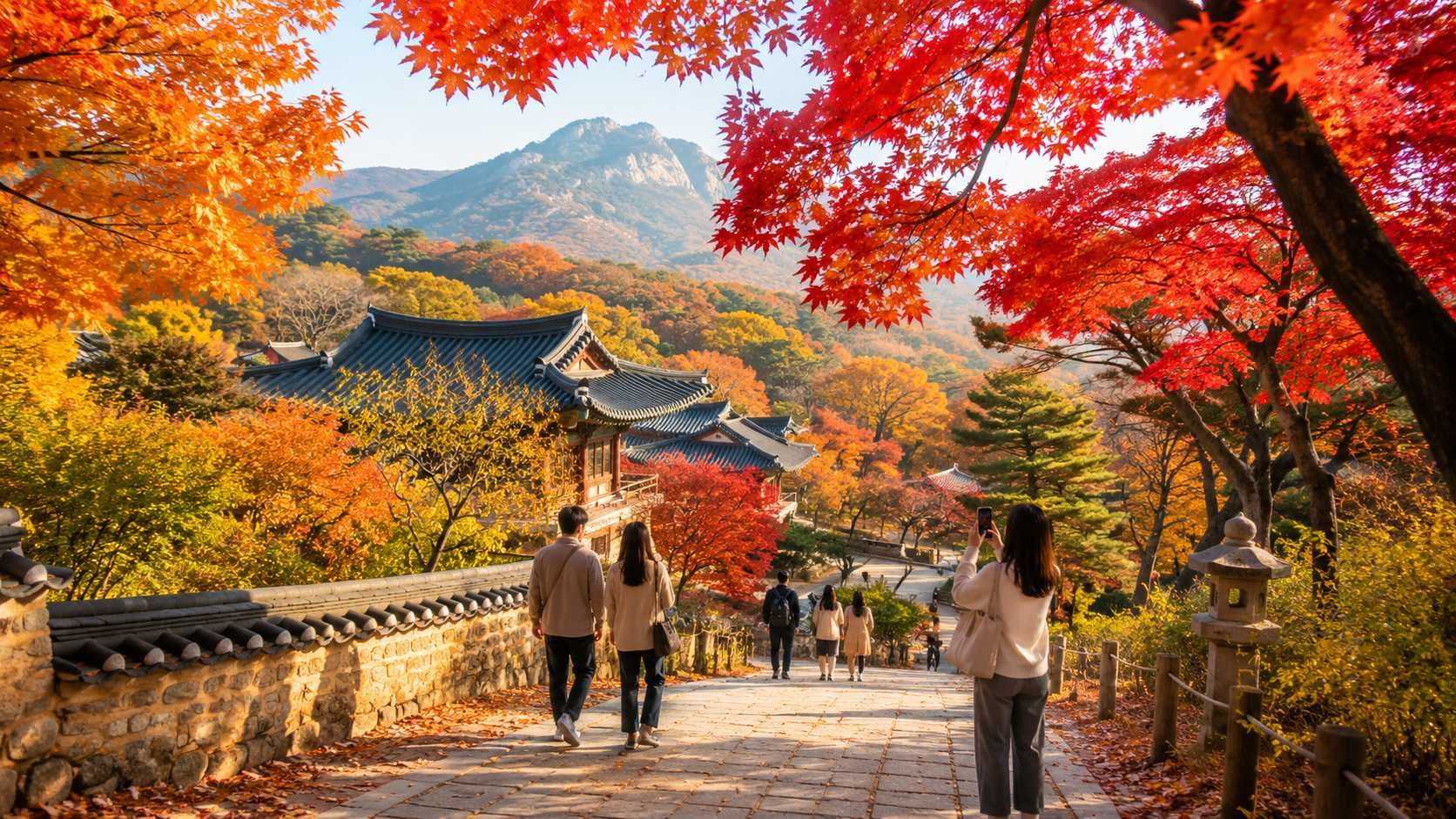
Autumn is arguably the best time to visit Gunpo-si. The humidity drops, making the outdoor seating areas common in BBQ and chicken spots comfortable. Temperatures hover between 10°C and 20°C, perfect for walking between stations. However, keep upcoming holidays in mind. Christmas Day (Dec 25, 2026) and New Year's Day (Jan 1, 2027) will see increased traffic as families gather. More critically, Seollal (Korean New Year), falling on Feb 7, 2027, along with the surrounding days (Feb 6–9), causes massive travel surges. While Gunpo itself won't be empty, transit hubs will be chaotic, and many family-owned restaurants may close for two to three days. Book accommodations in advance if traveling during these windows.
This destination suits solo travelers seeking authenticity, budget-conscious explorers, and those interested in urban sociology rather than sightseeing. It’s not for luxury seekers or those wanting curated historical tours. Plan for a half-day trip: arrive mid-morning, eat lunch, explore the neighborhoods, grab dinner, and head back to Seoul.
FAQ
Do I need a visa to visit Gunpo-si? Gunpo-si is part of South Korea. Visa requirements depend entirely on your nationality and entry into South Korea. Most tourists enter via Seoul’s Incheon Airport and take domestic transport to Gunpo. Check current South Korean immigration rules for your passport.
Is English widely spoken in Gunpo’s restaurants? No. Outside of large chains or hotels, English proficiency is low. Use translation apps, point at pictures, and rely on basic gestures. Staff are generally helpful but expect communication gaps.
How much should I budget for a day of eating? You can eat exceptionally well for 30,000–50,000 KRW ($25–$40 USD) per day. This covers multiple meals including street snacks, a substantial lunch, and a sit-down dinner with drinks.