Wadhrah, Yemen, is not a destination for aurora hunting. Here is the reality of visiting this region, what to expect, and why the "Northern Lights" angle is a geographic impossibility you should know before booking.
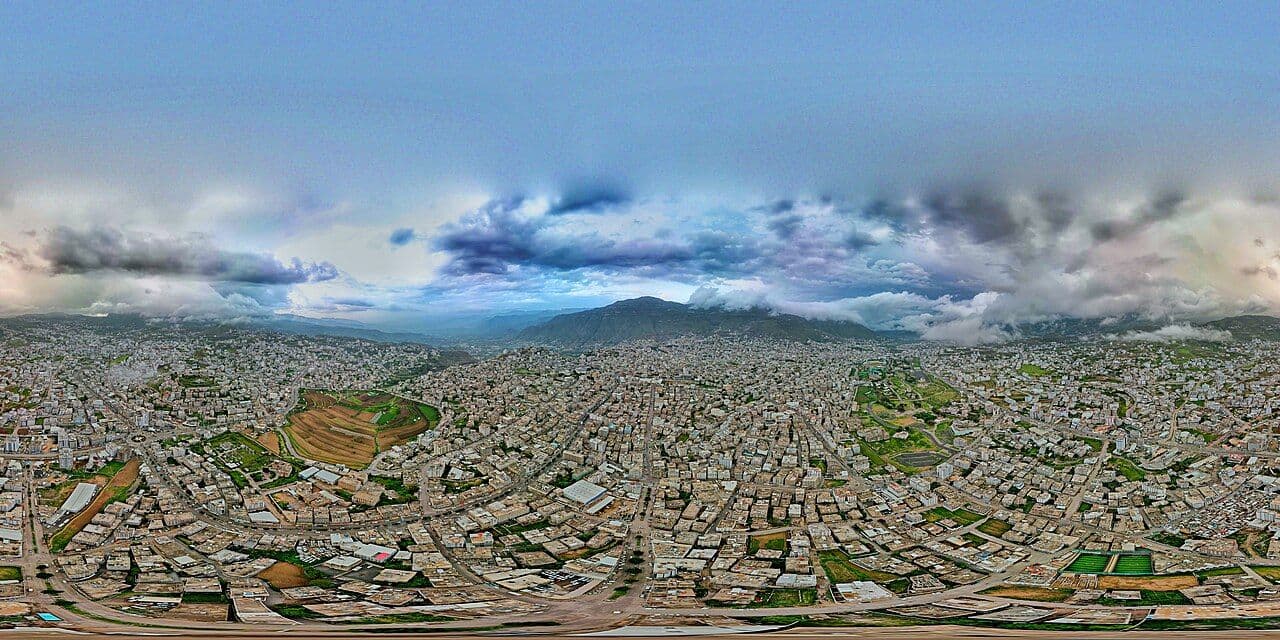
Let’s cut through the noise immediately: you will not see the Northern Lights in Wadhrah, Yemen. The aurora borealis is a high-latitude phenomenon, requiring specific solar wind interactions with the Earth’s magnetic field near the poles. Yemen sits at roughly 13–15 degrees North latitude. The physics simply do not work. If a search result or a social media post suggested you could catch an aurora display in this part of the Arabian Peninsula, it was wrong. Period.
So, why is this topic even being discussed? Often, "Northern Lights" in travel queries is a misfire for "night sky," "stargazing," or simply a confused keyword from a broader "Yemen travel" search. Wadhrah is a district in the Al Bayda Governorate, located in the highlands of western Yemen. It is a place defined by its terrain, its agricultural output, and its distance from the coastal chaos of Sanaa. It functions as a rural, highland community rather than a tourist hub or resort.
What You Will Actually See
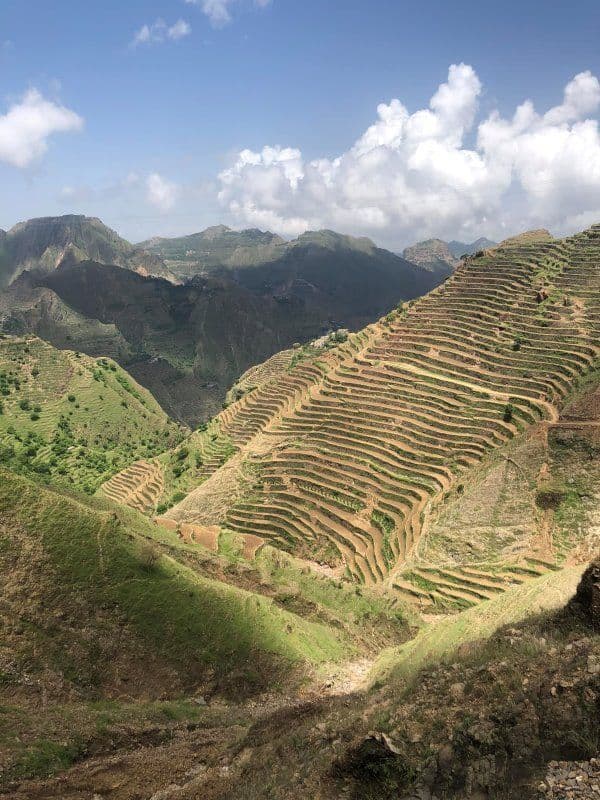
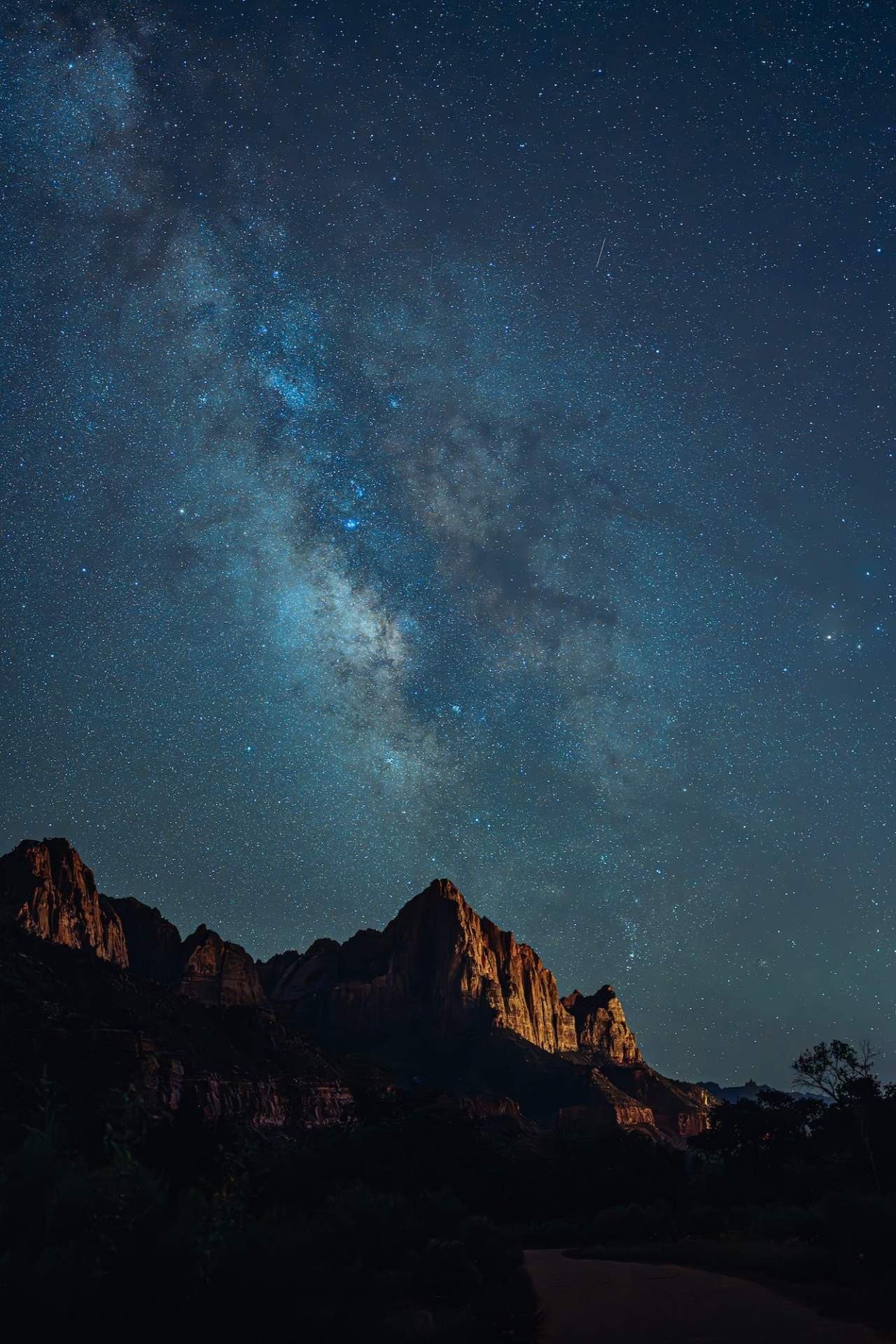
If you are traveling to Wadhrah, you are going for the landscape, not the light show. The region is part of the Yemeni highlands, which sit at elevations that can exceed 1,000 meters. This altitude means the air is thinner and cooler than the coastal plains. On clear nights, the sky is incredibly dark. There is no light pollution here. The Milky Way is a thick, visible band stretching across the horizon. Stars do not twinkle as much as they do in cities; they sit there, steady and sharp.
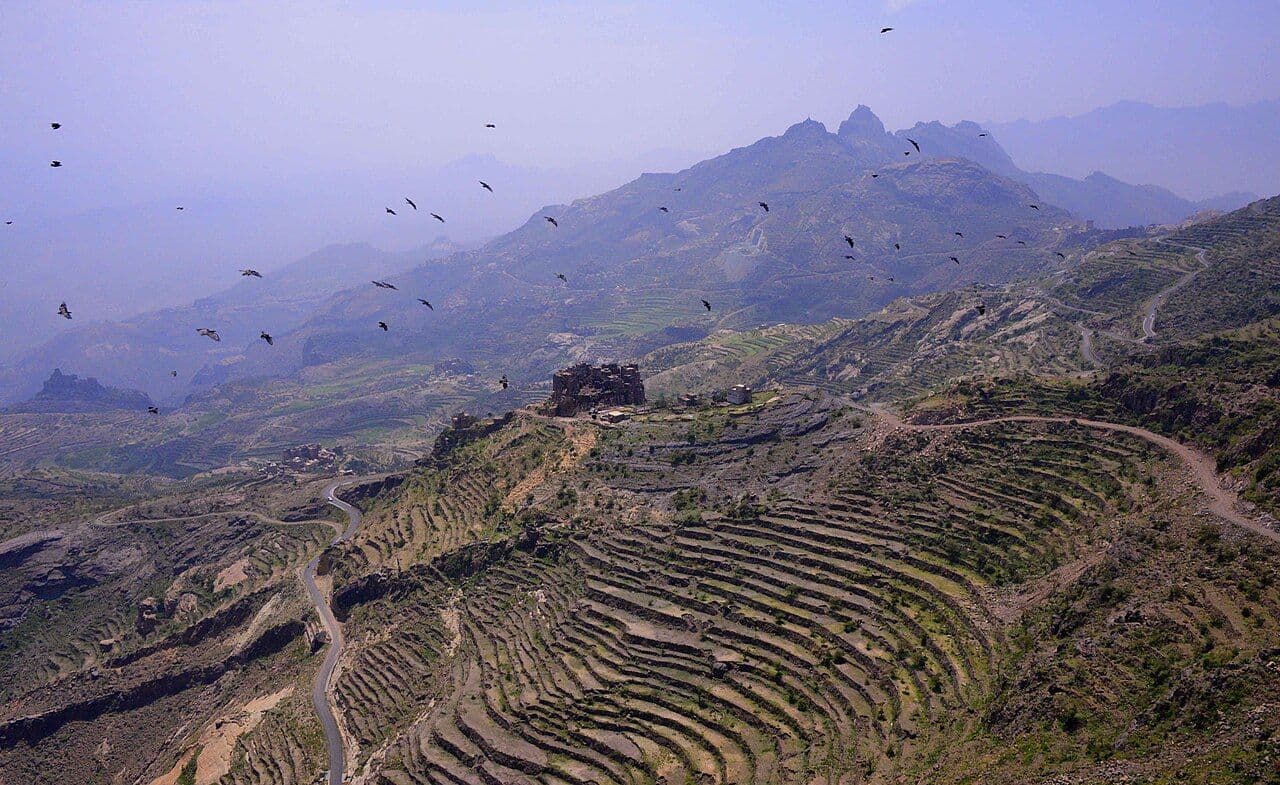
The terrain is rugged. You are looking at steep valleys, terraced fields, and rocky outcrops. The landscape is arid but not barren; it is a dry, scrubby environment that supports specific local agriculture. The visual palette is earthy: browns, ochres, and the deep green of irrigated crops where water is available. The landscape is stark, beautiful, and serious. It demands respect for its isolation and its current geopolitical reality.
The Reality of Traveling to Yemen
Here is the hard truth that no travel guide will sugarcoat: Yemen is currently a conflict zone. The civil war that began in 2015 has not ended. While the fighting has shifted and intensity varies by region, the entire country remains under severe travel advisories from every major government, including the US, UK, and Australia.
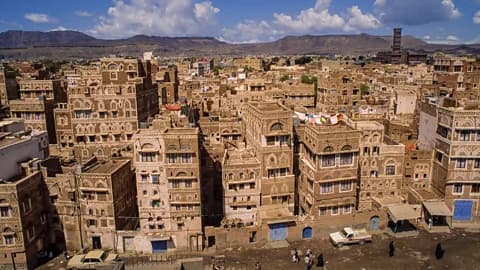
Wadhrah is in the Al Bayda Governorate. This area has seen significant instability. Access to the region is controlled by various factions. There is no reliable public transport system that operates safely or predictably for foreign travelers. You cannot simply hop on a bus from Sanaa to Wadhrah. Travel requires private arrangements, often through local contacts, and carries significant risk.
There are no confirmed international flights to Wadhrah. There is no airport in Wadhrah. The nearest major airports are in Sanaa (SAH) and Aden (ADE), both of which have had fluctuating operational status due to the conflict. Even if you can get to Sanaa, getting from Sanaa to Wadhrah is a logistical nightmare that involves navigating checkpoints, potential roadblocks, and unpredictable security situations.
Practical Advice: Do Not Go
Given the current state of affairs, the practical advice is simple: do not travel to Wadhrah, Yemen, for tourism.
- Safety: The risk of kidnapping, arbitrary detention, and armed conflict is high. Emergency services are non-existent in rural areas like Wadhrah. If you are injured or ill, evacuation is a complex, expensive, and dangerous process.
- Health: Medical facilities are under-resourced. There is a risk of waterborne diseases and limited access to clean water in rural areas.
- Connectivity: Internet access is sporadic and often monitored. Mobile coverage in highland areas is patchy.
- Currency: The Yemeni Rial has suffered hyperinflation. Cash is king, and access to ATMs is virtually non-existent outside of major cities, which are themselves unstable.
If you are a journalist, aid worker, or have a specific, vetted reason to be in Yemen, you must work with a specialized security firm and have a detailed extraction plan. For the general traveler, the risk/reward ratio is indefensible.
When to Go?
There is no "best time" to go to Wadhrah for tourism because tourism is not a viable activity there. The climate in the highlands is cooler in winter (November to February) and warmer in summer. The winter months offer the clearest skies for stargazing, which is the only "light show" you can reliably expect. However, the cold can be intense at night, and roads can become treacherous.
The current geopolitical situation means that "when" is less about weather and more about security. There is no safe window for leisure travel. The conflict situation is fluid, and a safe corridor today can become a front line tomorrow.
Who Is This For?
This destination is for no one in the context of leisure travel. It is unsuitable for families, solo travelers, or slow travel enthusiasts. It is a place reserved for those with specific, professional mandates who have the resources and expertise to operate in a high-risk conflict zone.
If you are looking for a destination with dark skies and a sense of remoteness, look elsewhere. Iceland, Norway, or even the highlands of Ethiopia (with appropriate caution) offer astronomical viewing without the existential threat of active war.
FAQ
Is Wadhrah safe for tourists? No. The entire country of Yemen is subject to "Do Not Travel" advisories. Wadhrah is in a highland region that has experienced conflict and instability. There are no safety guarantees for foreign visitors.
Can I fly to Wadhrah? No. There is no airport in Wadhrah. The nearest airports are in Sanaa and Aden, both of which have had operational disruptions. Even if you reach Sanaa, ground transport to Wadhrah is not reliable or safe for tourists.
What is the best way to see the Northern Lights in Yemen? You cannot. The Northern Lights do not occur in Yemen. You can see a very clear starry sky on clear nights, which is a different phenomenon.
Is there accommodation in Wadhrah? There are no confirmed hotels or tourist accommodations in Wadhrah. Local lodging would be basic, rural, and not designed for foreign guests. Safety and hygiene standards would not meet international travel expectations.
The bottom line: Wadhrah is a real place with a real landscape, but it is not a travel destination. Respect the geography, respect the physics, and respect the current reality of the region. Save your money, protect your safety, and look for your stargazing fix in a place where you can come home safely.