Skip the August crowds if you can. Autumn in Ohrid Opština offers the same cultural weight with half the noise, and trout that actually tastes like the lake.
The Skopje–Ohrid train rattles along the 112-kilometer track for roughly three hours, costing you just €6.00. It is the cheapest, most scenic way to enter a municipality that feels like it has been waiting for you to arrive. Ohrid is a destination that demands you slow down. The municipality is built around Lake Ohrid, a UNESCO-listed body of water that dictates the rhythm of life here. In summer, the town is a machine of tourism. In autumn, it is a town of residents, artists, and people who actually eat dinner. If you are looking for the "vibrant" postcard version, you are in the wrong month. If you want to understand what Macedonian culture actually looks like when it isn't performing for a crowd, you are in the right place.
The Festival Calendar That Actually Matters
Ohrid’s cultural identity is anchored by two major events: the Ohrid Fest (Охридски Трубадури) and the Ohrid Summer Festival. The Ohrid Fest is a music event held in August, drawing musicians from across the Balkans. It is loud, it is crowded, and it is the peak of the tourist season. The Ohrid Summer Festival focuses on music and drama, reinforcing Ohrid’s status as a major centre for Macedonian culture. These events turn the Ancient Theatre of Ohrid, dating back to the 2nd century BC, into a stage for contemporary performance.
However, the festival season is not just about August. The municipality operates on a broader cultural calendar that extends into the autumn and winter. The key is understanding that the "festival" atmosphere in Ohrid is less about a single weekend of chaos and more about a sustained engagement with the built environment. The Ancient Theatre is an active venue. When the major summer festivals end, the theatre remains a quiet landmark, but the cultural energy shifts to local gatherings and religious observances.
Architecture as a Festival Stage
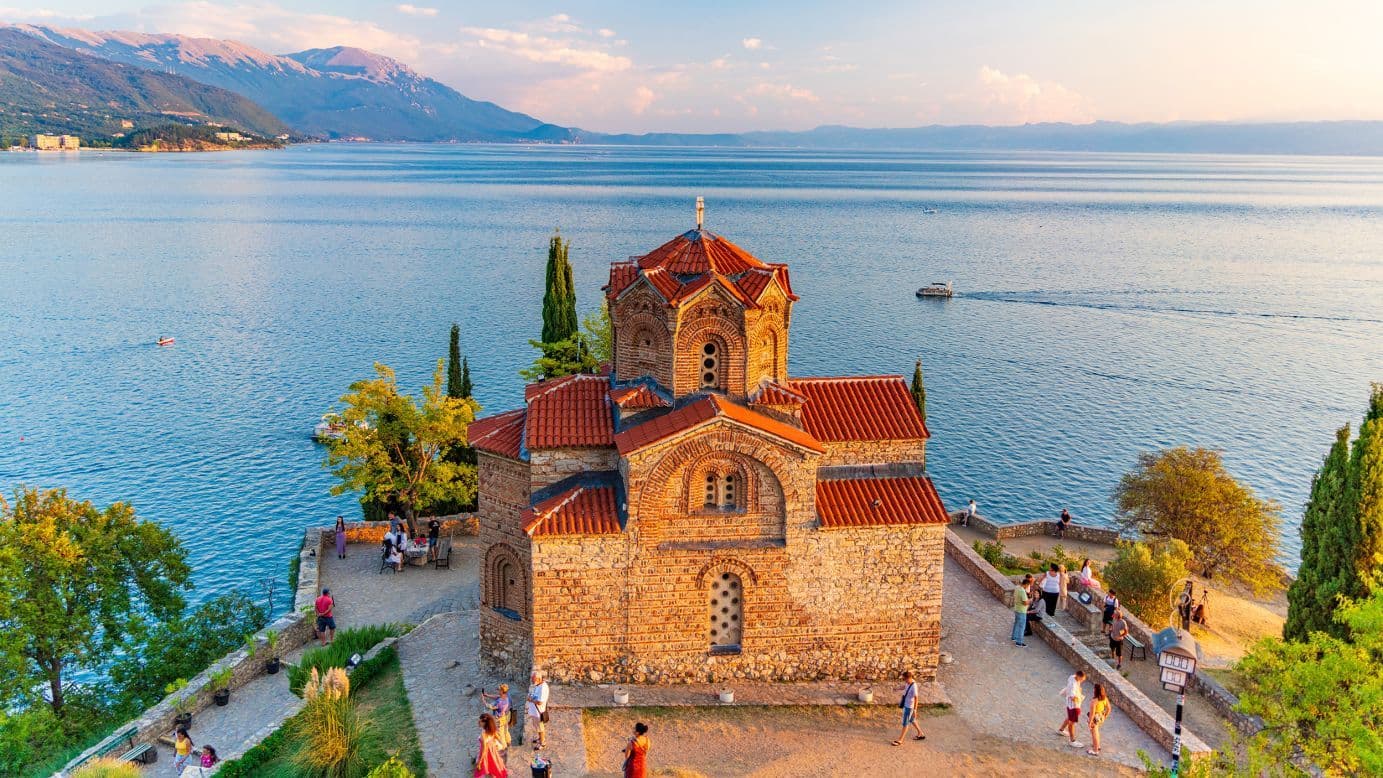
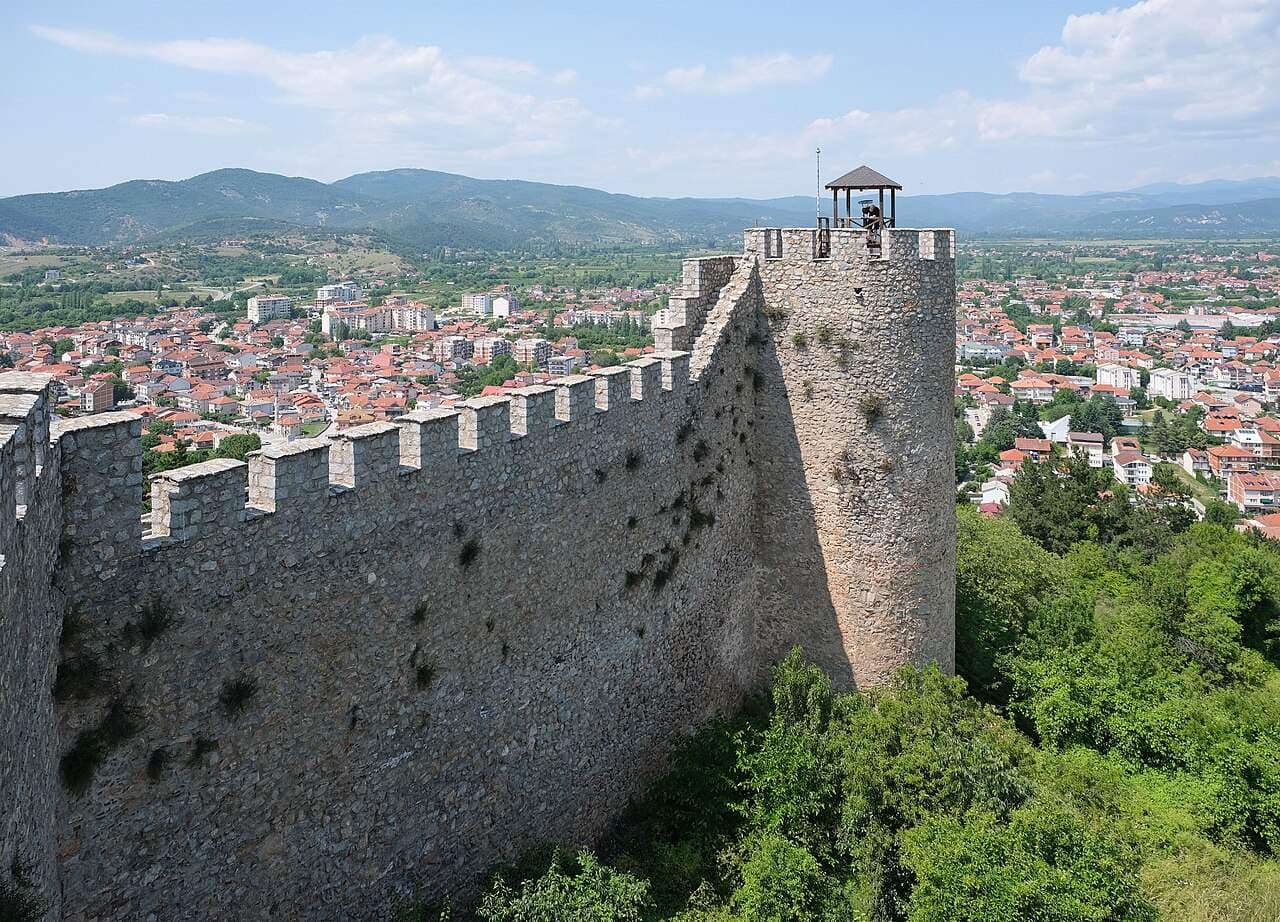
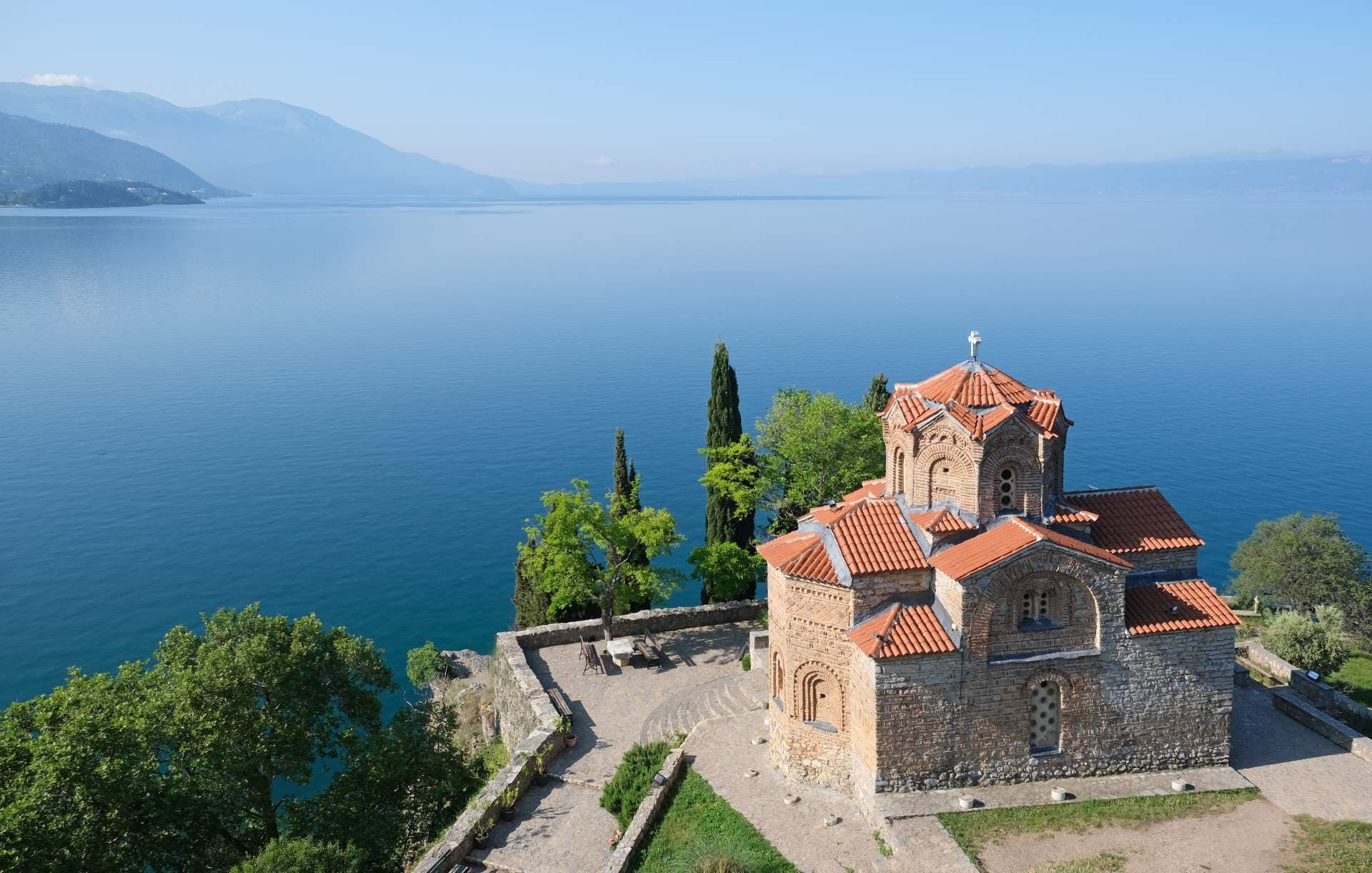
You cannot understand Ohrid’s festivals without understanding the stage they are performed on. Samuel’s Fortress is a historic fortress site that overlooks the town. It is a working ruin that offers a perspective on how the town has defended itself against the lake and the surrounding hills. The Church of St. John at Kaneo, located in the Kaneo area, represents the religious architecture that underpins many of the local celebrations.
The design of Ohrid is a patchwork of Byzantine, Ottoman, and modern influences. The Ancient Theatre of Ohrid, with its 2nd-century BC origins, sits in contrast to the more recent developments along the lakefront. St. Naum, a site in the Ohrid area, offers a different kind of architectural experience, blending monastic history with natural scenery. These landmarks are the primary venues for the cultural events that define the municipality. When you attend a festival here, you are in a space that has been used for gathering for millennia.
Eating the Lake: The Trout Question
The single most important thing to eat in Ohrid Opština is Ohrid trout. This is the Lake Ohrid brown trout, an endemic species found in the lake and its tributaries, including the Black Drin. It is prized for its delicately flavored pink flesh and is a staple in both Macedonian and Albanian gastronomy. The fish is often used in soups, but it is also served grilled or fried.
Here is the catch: the species is endangered. This means that the supply is limited, and the quality varies. In the summer, when the tourist numbers spike, the fish you are served may not be what you think it is. In the autumn, the local restaurants are serving fish to locals, and the quality is noticeably better. The taste is subtle, not overpowering. It is a fish that requires respect, not heavy sauces. If you are visiting during the festival season, expect to pay a premium. If you are visiting in the quieter months, you can find a table at a local eatery and order a simple trout dish for a fraction of the summer price.
Getting Around: The Train vs. The Bus
You have two main options for getting to Ohrid from Skopje: the train or the bus. The Skopje–Ohrid train connection is a rail service that covers the 112-kilometer distance. The fare starts at around €6.00. The journey takes approximately three hours. It is a slow train, but it is a scenic one. The route winds through the Macedonian landscape, offering a view that you will not get from the window of a bus.
Local buses from the main Ohrid bus station to Skopje are frequent and daily. They are faster, typically taking less time than the train, but they are less comfortable. If you are a design-literate traveler, the train is the better choice. It is a slower, more deliberate way to enter the town. It allows you to adjust to the pace of the place. The bus is for people who are in a hurry. Ohrid is a place where you should not be in a hurry.
Practical Timing: When to Go
The best time to visit Ohrid depends on what you want. If you want the full festival experience, you need to be there in August. This is when the Ohrid Fest and the Ohrid Summer Festival take place. The town will be crowded, prices will be at their peak, and the atmosphere will be electric. However, if you are looking for a more authentic experience, the autumn months are superior. The weather is still mild, the crowds have thinned, and the local culture is on full display without the tourist overlay.
Upcoming holidays in the region include the Day of the Macedonian Revolutionary Struggle on October 23, 2026. This is a significant national holiday, and you can expect higher demand and crowding in the days leading up to it. If you are planning a trip around this date, book your accommodation early. Saint Clement of Ohrid Day is on December 8, 2026, which is a major religious observance. New Year's Day and Orthodox Christmas (January 7, 2027) are also important dates. For the best balance of weather, culture, and value, aim for late September or early October.
Local Etiquette and Language
Macedonian is the primary language, but English is widely spoken in the tourist areas. In the local markets and smaller restaurants, you may need to rely on gestures or a few basic phrases. The culture is warm but reserved. Do not expect the same level of overt friendliness you might get in other Mediterranean destinations. People here are polite, but they are not performing for you. Respect the local customs, especially when visiting religious sites like the Church of St. John at Kaneo or St. Naum. Dress modestly, and remove your shoes if required.
When dining, it is customary to share dishes. Ordering a single plate for yourself is acceptable, but ordering a few small dishes to share is more in line with the local culture. Tipping is not mandatory, but it is appreciated. A 10% tip is standard. The currency is the Macedonian denar, but euros are often accepted in tourist areas. It is better to use denar for small purchases to get a fairer exchange rate.
Frequently Asked Questions
Is Ohrid safe for solo travelers? Yes, Ohrid is generally safe for solo travelers. The town is small and well-patrolled. As with any destination, be aware of your surroundings, especially in the busier tourist areas. The local people are generally helpful and willing to assist visitors.
What is the best way to get from Skopje to Ohrid? The train is the most scenic and cost-effective option, taking about three hours and costing around €6.00. The bus is faster but less comfortable. If you are looking for a slow travel experience, the train is the clear winner.
Do I need a visa to visit Ohrid Opština? Visa requirements depend on your nationality. Many travelers from EU and US passports can enter Macedonia without a visa for short stays. Check the specific requirements for your country before you travel.