Oytal is a quiet rail stop, not a destination. Save your time for Taraz, 343km away, where the real history of Zhambyl Region lives.
The Reality Check: A Stop, Not a Destination
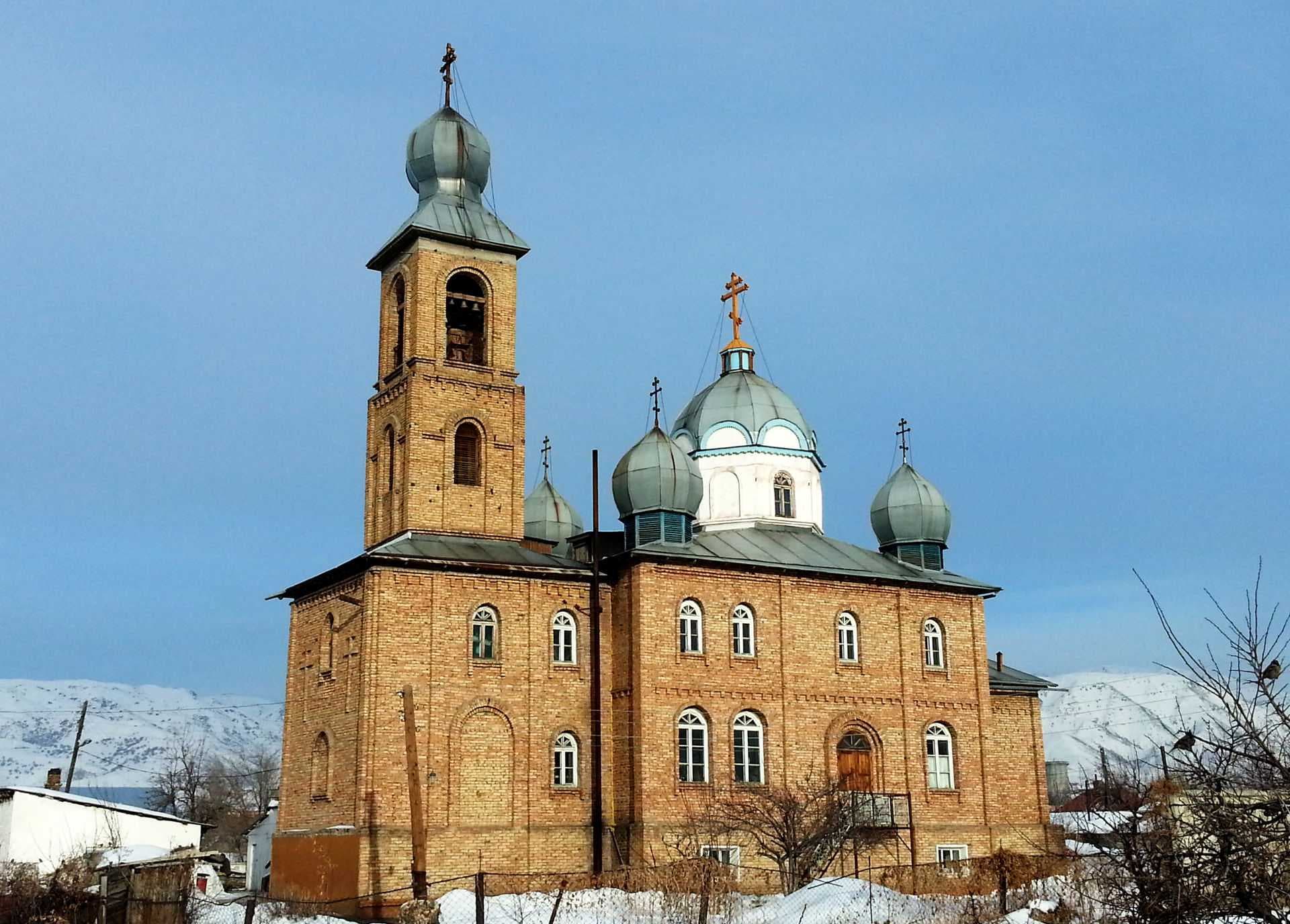
Let’s cut through the noise before you book a flight to Almaty. Oytal is a small settlement in Zhambyl Region, Kazakhstan. Describing it as a "historic landmark" hub is like calling a layover airport a cultural capital. The town itself holds no major museums, no UNESCO-listed sites, and no specific architectural heritage that warrants a dedicated stop on a cultural itinerary. If you are looking for the ancient soul of this part of Kazakhstan, Oytal is the wrong pin on the map. It is a functional node, a place you pass through, rather than a place you stay for the architecture.
The reason Oytal appears in travel searches is proximity to the region’s actual heavyweight: Taraz. In the broader Zhambyl Region, the historic weight is carried by Taraz, a city with layers of Sasanian, Arab, and Mongol history. Oytal sits in the same administrative region but lacks the density of artifacts. When sources describe the area, they consistently pivot to the Taraz historical and archaeological museum or the ancient ruins of Akyrtas. These sites are the anchors of the region’s heritage, not Oytal.
What Is Actually Worth Seeing in the Region
If you are drawn to this corner of Kazakhstan for its history, you are really there for Taraz. The Taraz historical and archaeological museum is the primary repository for the region’s past. It houses artifacts that tell the story of the city’s role as a Silk Road stopover, with exhibits ranging from medieval ceramics to Soviet-era industrial history. This is where the "rich cultural heritage" actually lives, housed behind glass rather than scattered in a small town center.
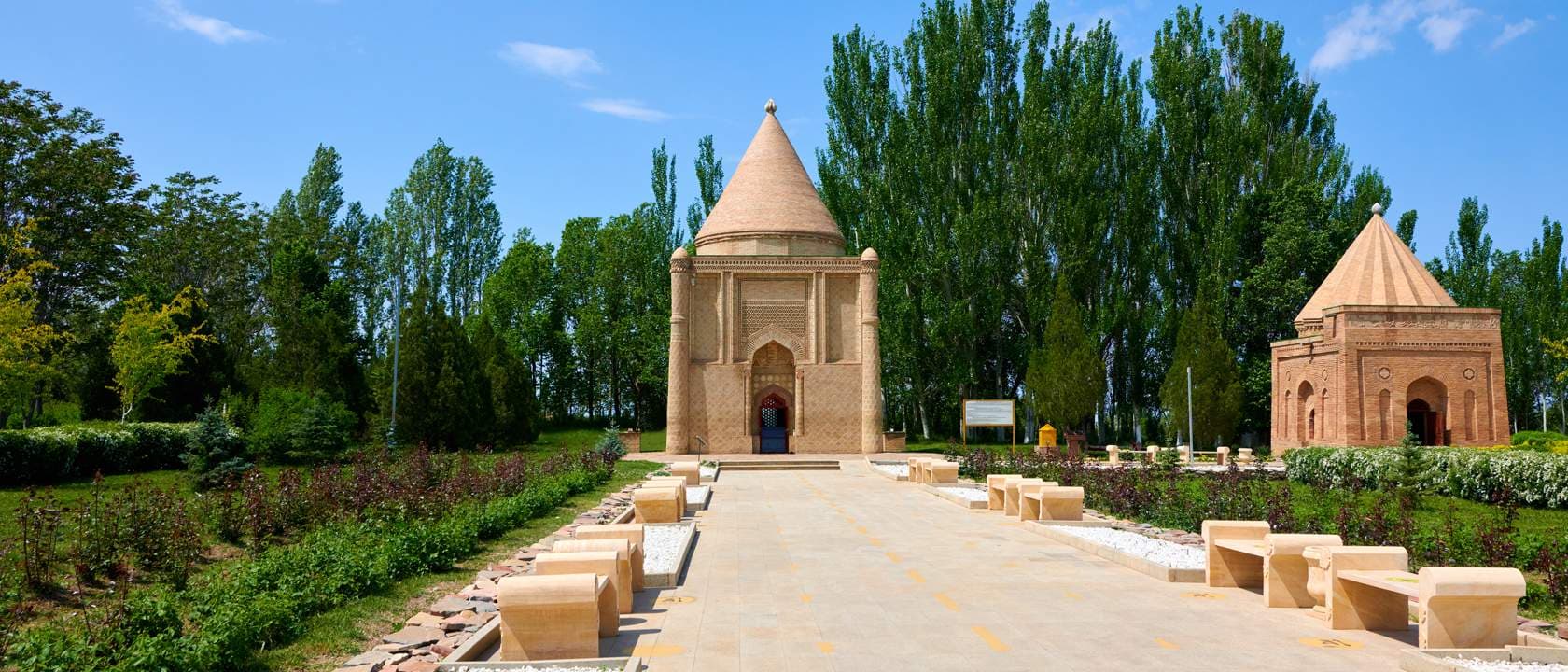
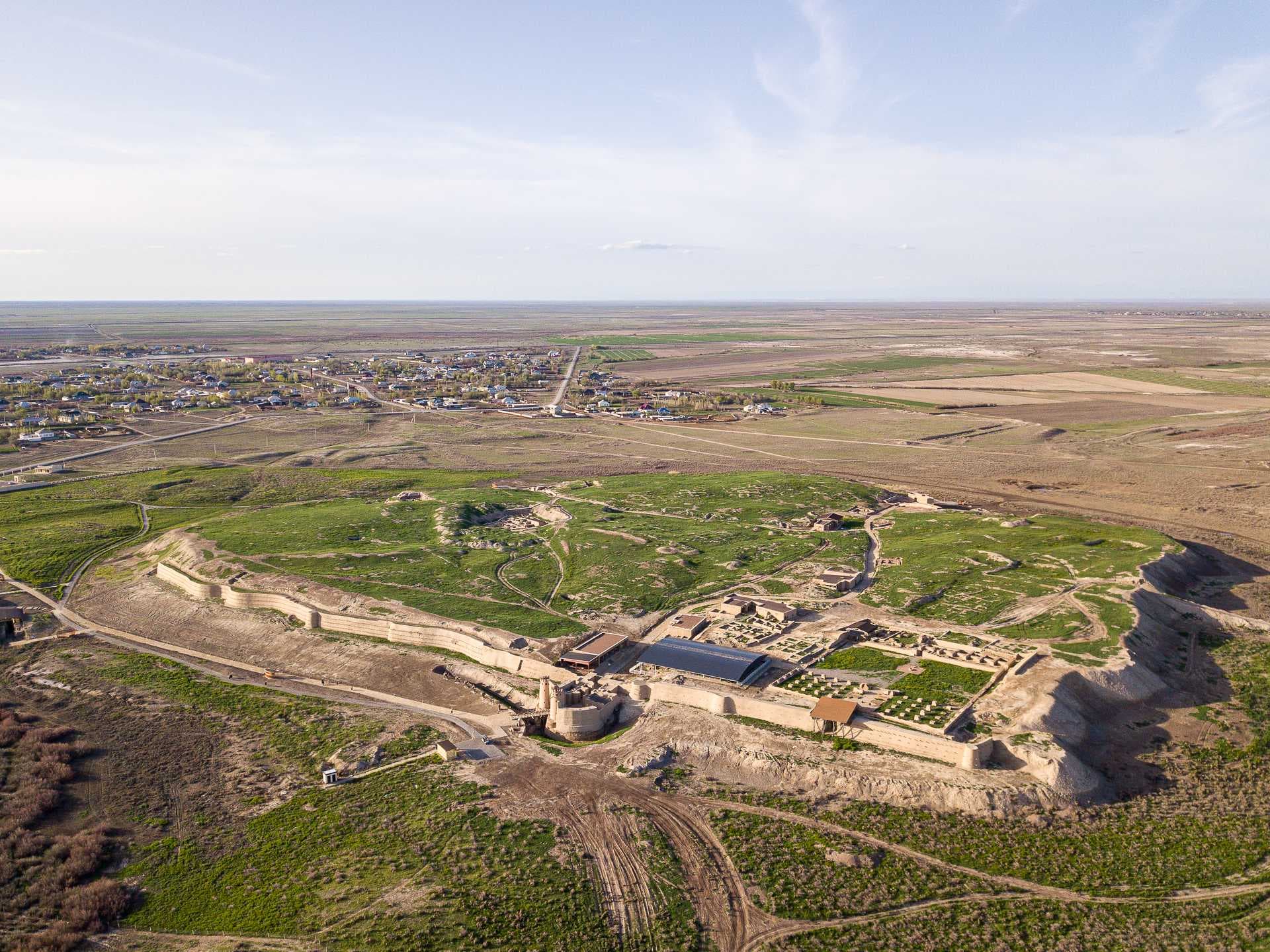
Further out, the Aisha Bibi mausoleum stands as a significant spiritual and architectural site. While the exact distance from Oytal to these sites varies by route, the Akyrtas ruins offer a rawer, more atmospheric experience. These are the remnants of an ancient settlement, where you can walk among stone foundations that predate the modern nation-state. The vibe here is wind, dry grass, and the quiet persistence of stone. If you are visiting Oytal, your plan should be to use it as a base or a transit point, then dedicate a full day to Taraz and its surrounding archaeological sites.
Getting There and Around
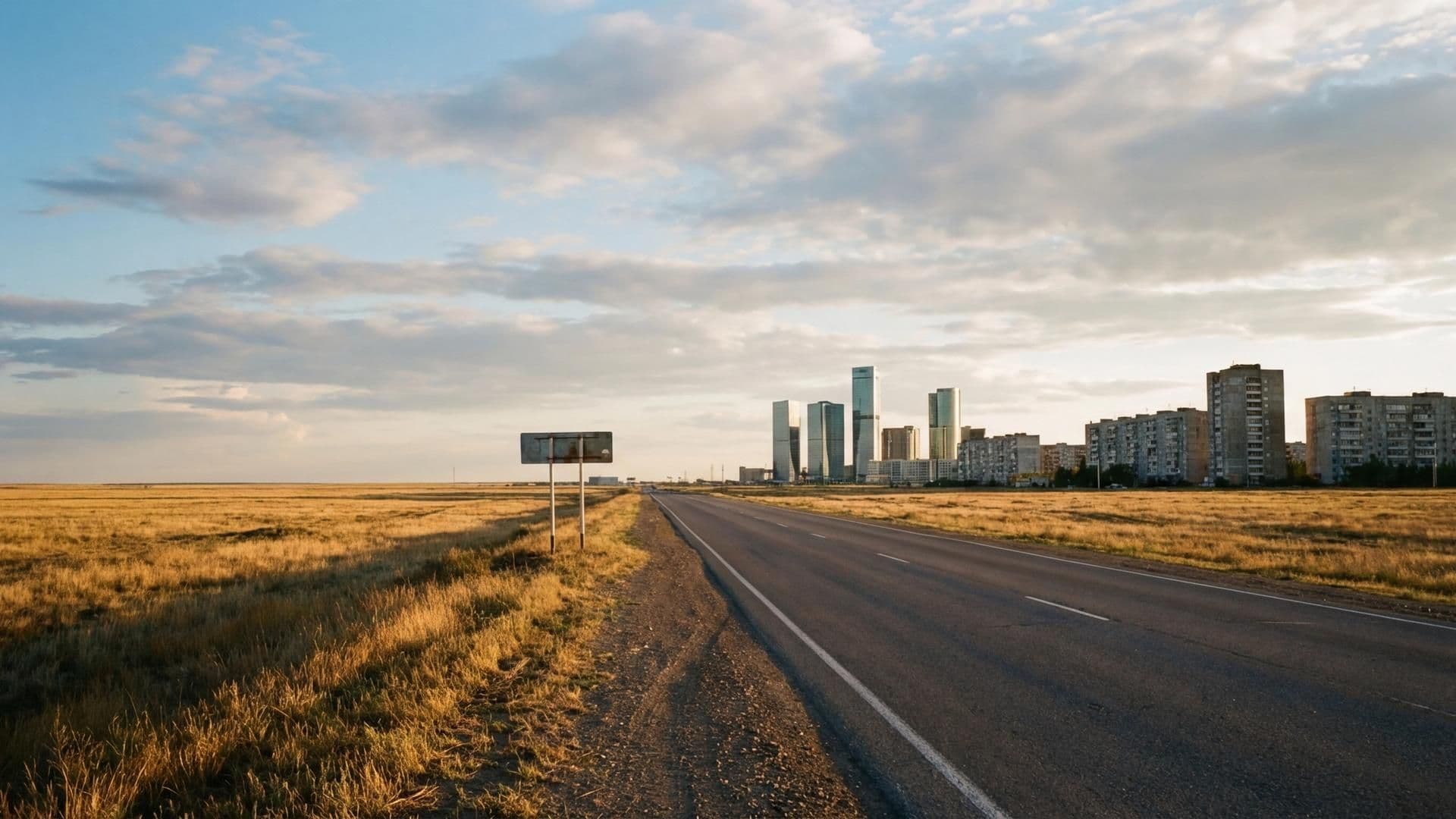
Logistics in this part of Kazakhstan are road-centric. The most concrete data point available is the road distance from Taraz to Oytal, which stands at 343 km. This is a significant drive that suggests Oytal is a peripheral point in the regional transport network. There is no confirmed high-speed rail line serving Oytal directly with a named station in the current public data. You are likely looking at a combination of regional buses and shared taxis (marshrutkas) if you are traveling from nearby hubs.
Do not assume that the presence of a rail line in the broader region means easy access to Oytal. The local rail infrastructure is sparse, and specific line details are not verified for this settlement. For the serious cultural traveler, the most efficient route is to fly into Almaty, the major international hub, and then arrange ground transport to Taraz. From Taraz, day trips to the Akyrtas ruins or the Aisha Bibi mausoleum are feasible. Trying to build a complex transit puzzle around Oytal itself will likely waste more time than it saves. Stick to the main arteries: Almaty to Taraz, then explore.
Local Etiquette and Practical Nuances
Kazakhstan is a Muslim-majority country, and while urban areas like Taraz are cosmopolitan, rural and small-town settings like Oytal retain a more traditional pace. Dress modestly, especially if you are visiting religious sites like the Aisha Bibi mausoleum. Covering shoulders and knees is a sign of respect that will open doors and ease interactions.
Language is a minor barrier but worth noting. Russian is the lingua franca of business and tourism in this region, while Kazakh is the official state language. In Oytal, you will likely encounter both, but in Taraz, English is more common among younger workers and tour guides. Learn a few basic phrases in Kazakh for greetings; it is appreciated and shows you have done more than just skim a map.
Food is another area where Oytal does not stand out. There are no specific dishes or restaurants confirmed as unique to the town. You will eat the regional staples: beshbarmak (boiled meat with dough), plov, and various soups. These are hearty, filling, and best enjoyed in local eateries in Taraz rather than trying to find "authentic" dining in a small settlement with limited options.
When to Go and Who This Is For
The best time to visit Zhambyl Region is from May to September. The weather is dry and warm, ideal for exploring the Akyrtas ruins without freezing. However, you are currently in autumn, and the next major holiday is Republic Day on October 25, 2026. This is less than two weeks away. If you are planning a trip now, be aware that this national holiday will bring increased domestic travel, higher accommodation prices, and crowded public spaces in Taraz. Book your lodging in Taraz well in advance if you intend to travel during this window.
This itinerary is for the independent traveler who values substance over spectacle. It is not for families looking for theme-park ease, nor for those who need a guided tour for every step. It is for the slow traveler who wants to sit in a museum in Taraz, walk the ruins at Akyrtas, and understand the depth of Central Asian history. Oytal is just a dot on the map; Taraz is the story.
Frequently Asked Questions
Is Oytal worth a two-day stay? No. Oytal lacks the infrastructure and attractions to justify a multi-day stay. Use it only as a transit point if your route requires it, or base yourself in Taraz for 2–3 days to cover the major historical sites.
Can I travel from Oytal to Taraz easily? The most reliable method is via road. The region is connected by a network of regional buses and shared taxis. Check local schedules in Taraz, as direct services from smaller settlements can be irregular. Do not rely on rail for this specific leg unless you have confirmed a station and schedule.
Do I need a visa for Kazakhstan? Visa policies change, and many nationalities have visa-free or e-visa access. Check the official Kazakhstan government website or your local embassy for the most current regulations before booking. Do not rely on outdated travel blog advice.