Navigate the quiet commerce of Ombúes de Lavalle with precision. This guide covers local market rhythms, artisan stops, and practical transit tips for this Uruguayan hub.
The Reality of Rural Commerce
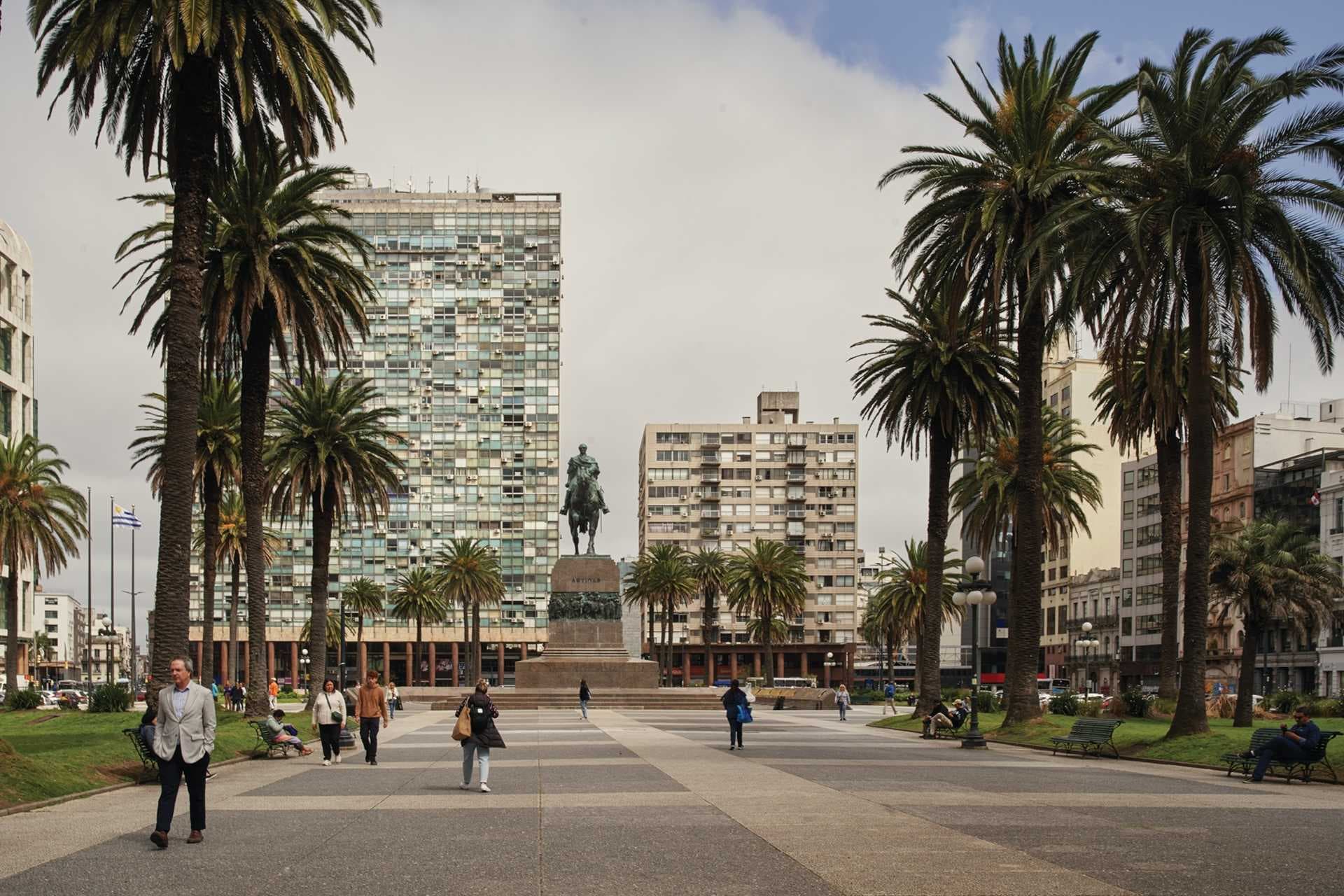
Arriving in Ombúes de Lavalle requires a shift in tempo. The town avoids sprawling malls or endless chain outlets, favoring a compact commercial footprint. The shopping experience here is anchored to the town center, where small, family-run businesses dominate the landscape. You will find that the rhythm of commerce is dictated by the agricultural cycle and the local population’s needs, rather than tourist convenience. The main commercial strip, typically centered around the town’s primary square, offers a concentrated burst of activity during the morning hours. By early afternoon, many shutters lower for the traditional siesta period, a crucial detail for anyone planning their itinerary. The air smells of roasted coffee beans and damp earth, a sensory marker that the local cafes are preparing for the midday rush.
The selection in these shops is curated for utility and local taste. You are looking for practical goods: woolen textiles, leather goods suited for rural work, and basic household items. There is a specific charm in the lack of pretension. Items are displayed simply, often stacked in wooden crates or hung on simple racks. The interaction is direct. Shopkeepers expect you to ask questions and handle the merchandise. This tactile engagement is central to the buying process here. Expect worn wooden counters, handwritten price tags, and conversations that move at a leisurely pace. The quality of goods is generally high, reflecting the pride local artisans take in their work, but the presentation remains humble and functional.

Artisan Goods and Local Crafts
The heart of shopping in this region lies in its artisan output. While specific named workshops vary by season, the general category of goods remains consistent. Look for hand-woven wool products, a staple of the Uruguayan countryside. These items are crafted with traditional techniques passed down through generations. The texture is distinct—coarse but durable, warming quickly. You will find scarves, blankets, and ponchos in natural earth tones: browns, creams, and muted greens. These colors are not arbitrary; they reflect the local landscape and the natural dyes used in processing.
Leather goods are another pillar of local commerce. Boots, belts, and bags are common finds. The leather here is treated for durability, suitable for the rural terrain. When inspecting these items, check the stitching. Hand-stitched edges are a sign of quality and authenticity. Machine stitching is faster but less resilient. Ask the shopkeeper about the origin of the hide. Often, it is sourced from nearby ranches, ensuring a fresh, high-quality material. The scent of cured leather is strong and pleasant, filling the small shops. This is a place to buy things meant to last, not things meant to be discarded after a season.
Ceramics and pottery also feature prominently, though less than textiles. These are often utilitarian: bowls, mugs, and plates. The glazes are simple, often in shades of blue or white. They are sturdy and designed for daily use. Buying directly from the maker or a small local shop ensures you are getting a piece that reflects the local aesthetic. These items make excellent souvenirs because they are functional and representative of the region’s craft traditions. Avoid large, decorative pieces unless you have space; the beauty here is in simplicity and utility.

Practical Logistics and Timing
Timing is everything in Ombúes de Lavalle. The main shopping hours are typically from 9:00 AM to 1:00 PM, with a reopening window from 4:00 PM to 7:00 PM. Arriving outside these windows often means finding closed doors. Plan your visits accordingly. If you need specific items, arrive early. The best selection is available in the morning before the local workforce begins their lunch break. Payment is primarily cash. While some larger shops may accept cards, smaller vendors often prefer Uruguayan pesos. Carry small bills. Exact change is appreciated and speeds up transactions.
Transport within the town is straightforward. The area is compact, easily walkable. For those coming from nearby cities, local bus services connect Ombúes de Lavalle to regional hubs. Check local schedules upon arrival, as frequencies can vary by season. During autumn, the weather is mild, making walking a pleasant option. The streets are generally quiet, allowing for a relaxed pace. There is no need for rush. The shopping experience is designed to be unhurried. If you are traveling by car, parking is usually available near the central square. Look for marked spaces to avoid fines.
Budgeting for shopping here is reasonable. Prices for artisan goods are fair, reflecting the labor involved. You are paying for craftsmanship and durability. Negotiation is possible but should be respectful. A small discount for multiple items is common. Do not expect aggressive haggling. The goal is a fair price for both parties. Keep your expectations aligned with the rural context. You are buying quality goods at reasonable prices, not chasing bargains in a high-volume market.
Cultural Etiquette and Interaction
Engaging with locals requires a respectful demeanor. Greetings are important. Start interactions with a polite "Buenos días" or "Buenas tardes." This simple courtesy opens doors and fosters goodwill. Shopkeepers appreciate customers who show interest in the craft behind the product. Ask about the materials. Ask about the process. These questions show respect for the artisan’s skill. Avoid rushing the interaction. Take time to examine the goods. Touch the fabrics. Inspect the leather. This tactile engagement is part of the buying ritual.
Photography is generally permitted, but always ask before taking close-up shots of people or their work. Some artisans prefer to remain anonymous or simply enjoy the moment without a lens pointed at them. Respect their preference. If they say no, smile and move on. The goal is to connect, not just to capture. Listen to their stories. Many have deep ties to the land and the craft. These narratives add value to the purchase. You are buying a piece of local history and skill, not just a bowl.
Language barriers are minimal but present. Basic Spanish phrases go a long way. Learn a few key terms for colors, sizes, and prices. This effort is noticed and appreciated. It shows you are serious about engaging with the local culture. Do not expect English fluency in smaller shops. Patience is key. Speak clearly and slowly if needed. The interaction should be friendly and unhurried. This approach ensures a positive experience for both buyer and seller.
Seasonal Timing and Audience Fit
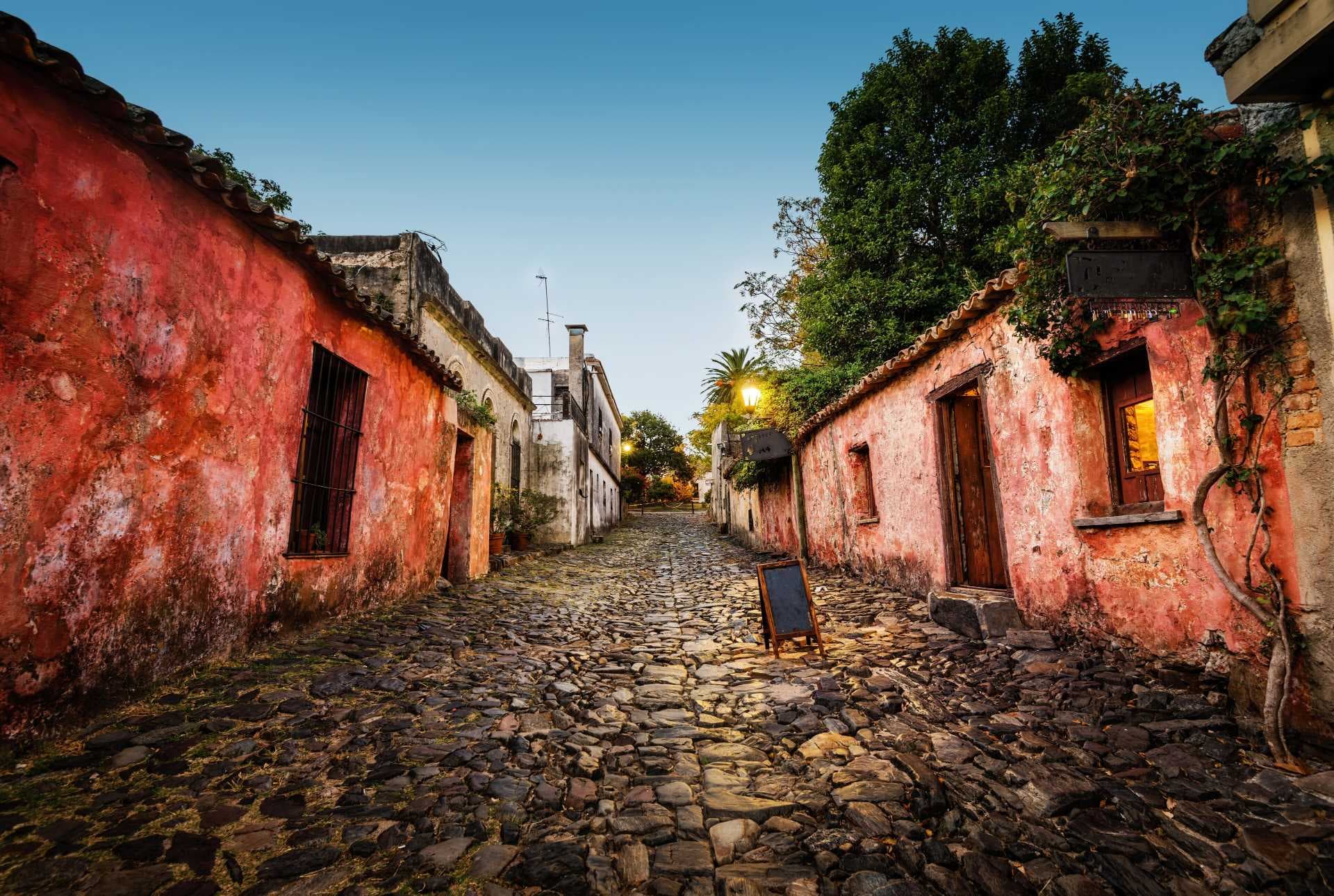
Autumn is an excellent time to visit Ombúes de Lavalle. The weather is mild, perfect for walking and browsing. The harvest season brings fresh goods to the markets. Woolens are thicker, ready for the cooler months. This is the ideal window for buying textiles. The light is softer, making the town’s architecture and goods appear warmer. Avoid the peak summer heat if possible, though autumn remains comfortable. The holiday season in late December brings a surge in activity. Expect crowds around Day of the Family (December 25, 2026) and New Year’s Day (January 1, 2027). Prices may rise slightly during these periods. Book accommodations early if visiting then.
This destination suits travelers who appreciate slow travel and authentic interactions. It is not for those seeking luxury or convenience. Families will find it a relaxing stop. Solo travelers can enjoy the quiet introspection of the small shops. The pace is gentle. There is no rush. This is a place to observe and appreciate. It rewards those who take the time to understand the local rhythm. If you prefer fast-paced tourism, this may not be your ideal stop. But if you value craftsmanship and genuine connection, you will find satisfaction here.
Stay for a day or two. This allows time to browse without rushing. Explore the main square. Visit the small cafes. Chat with the locals. The experience is cumulative. Each interaction adds depth to your understanding of the place. Do not try to see everything in an hour. Let the day unfold. The shopping experience is part of the broader cultural immersion. It is about connecting with the people and their work. This approach ensures a memorable and meaningful visit.

FAQ
What currency should I bring? Carry Uruguayan pesos in cash. While cards are accepted in larger shops, small vendors prefer cash. Small bills are helpful for exact change.
Is English widely spoken? Basic Spanish is common. English proficiency varies. Learn a few phrases to facilitate smoother interactions. Patience and clear speech help bridge gaps.
How do I get to the town center? The town is compact and walkable. Local buses connect to regional hubs. Check schedules upon arrival for frequency details. Parking is available near the main square.