Stra, a small town in the Veneto, offers a low-impact model of tourism: walkable streets, local food, and no crowds. Here is how to visit it without leaving a mark.
The train from Venice to Stra takes roughly thirty minutes. You pay a few euros, sit in a car that smells faintly of rubber and old coffee, and watch the flat, brown fields of the Veneto slide past. There is no airport terminal. No security line. No plastic water bottle purchased at a markup. You arrive, you step onto a platform, and the town is there. This is the entire argument for sustainable tourism, stripped of its conference-room language. It operates on scale. Stra is small enough that your presence does not require infrastructure to manage it.
The Scale of the Problem
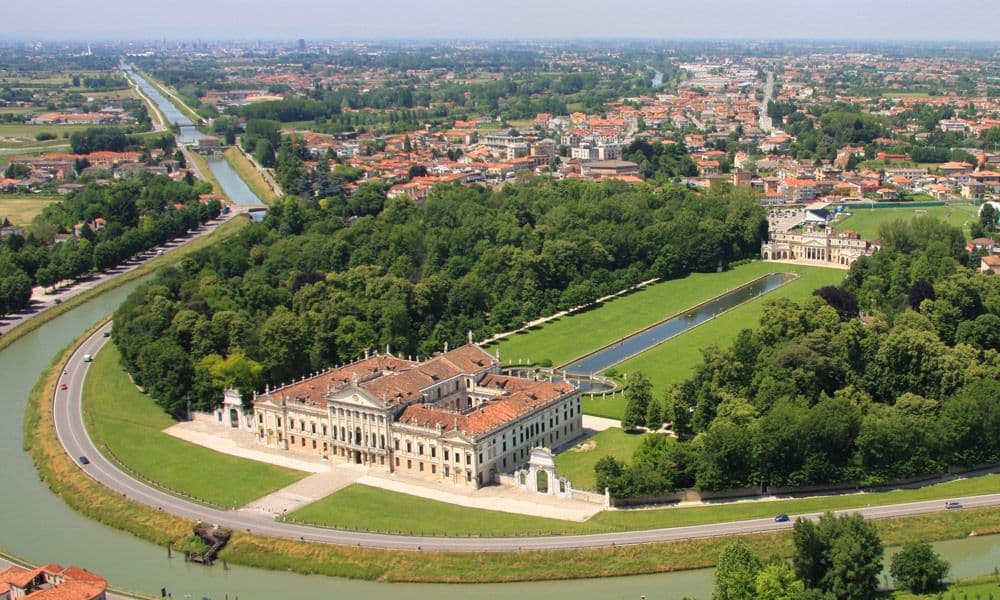
Most Italian towns are built for life, not tourism. Stra is a municipality in the province of Venice, situated on the edge of the lagoon. It functions as a place where people live, work, and age. The architecture is functional: brick, plaster, low roofs. The streets are narrow because they were designed for carts and feet, not buses and luggage.
When you visit a place like this, the "sustainable" choice is the default state of the place. You do not need to refuse a plastic straw. You do not need to book a "green" hotel. The town does not have the capacity to absorb the kind of consumption that defines mass tourism. The population is small. The economy is local. The impact of a visitor is visible and immediate.
This is a structural reality, not a romanticization. The town does not have the vertical space for high-rise hotels. It does not have the horizontal space for large parking lots. The infrastructure is not designed to process thousands of visitors per day. It is designed to process the daily life of a few thousand residents.
Moving Without a Car
The most sustainable way to move through Stra is on foot. The town center is compact. The main streets are walkable. The distance from the train station to the central area is short. You do not need a car. In fact, a car is a liability here. The streets are narrow. Parking is limited. The air quality is better without the exhaust.
If you are coming from Venice, the regional train is the logical choice. It is cheap. It is frequent. It does not require a reservation. You buy a ticket at the station, you board, you ride. The journey is quiet. The landscape outside the window is flat and agricultural. It is a transition from the density of the city to the openness of the countryside.
Once you are in Stra, the walking is the point. The town is not a grid. It is a network of paths and squares. You can walk from one end to the other in under an hour. The pace is slow. The air is cool in the autumn. The light is low and golden. There is no rush. The infrastructure does not demand speed.
Eating Without a Trace
Food in Stra is local. The Veneto region is known for its cuisine, but in a small town, the food is even more specific. It is based on what is available. In autumn, that means mushrooms, chestnuts, and the early wines of the region. The restaurants are small. They serve the people who live there. The menus are short. The portions are honest.
You do not need to look for a "farm-to-table" restaurant. The farm-to-table is the default. The ingredients are local. The preparation is traditional. The waste is minimal. The food is a meal, not a performance.
The cost is reasonable. A meal for two, with a glass of wine, will cost you a modest amount. It is a standard, not a luxury. The economy is not inflated by tourism. The prices reflect the local cost of living. This is a form of sustainability that is often overlooked. It is economic sustainability. The money stays in the community. It does not flow out to a multinational chain.
The Autumn Window
Autumn is the best time to visit Stra. The summer heat is gone. The crowds are gone. The light is soft. The fields are brown and ready for the winter. The town is quiet. The air is crisp. The days are shorter, which encourages a slower pace. You are not fighting the sun. You are not fighting the heat. You are simply present.
The winter holidays are approaching. Immacolata Concezione is on December 8, 2026. Natale is on December 25. Santo Stefano is on December 26. Capodanno is on January 1, 2027. Epifania del Signore is on January 6, 2027. Pasqua di Resurrezione is on March 28, 2027. These dates matter. The town will be busier during these periods. The local residents will be out. The restaurants will be full. The train will be crowded. If you want the quiet, avoid these dates. If you want the atmosphere, embrace them.
The next major holiday is Immacolata Concezione, in about four weeks. Expect higher demand for local services. Book ahead if you plan to stay. The quiet of the autumn is a resource. It is not infinite. It is shared.
Practical Details
The train from Venice is the primary connection. It is frequent. It is cheap. The ticket is valid for a specific time window. You do not need to reserve a seat. The station is small. The platform is simple. The journey is direct.
The currency is the Euro. Cash is useful. The small shops and restaurants may not accept cards. The exchange rate is stable. The prices are fixed. There is no haggling. The transaction is simple.
The safety is high. The town is small. The crime rate is low. The people are friendly. The language is Italian. English is spoken in the tourist areas, but not everywhere. A few words of Italian go a long way. The effort is appreciated. The connection is real.
The accommodation is limited. There are no large hotels. There are small B&Bs and apartments. The prices are moderate. The quality is high. The experience is personal. The host is local. The interaction is direct.
FAQ
How do I get to Stra from Venice? Take the regional train from Venice Santa Lucia station. The journey takes about thirty minutes. The train is frequent and does not require a reservation. Buy a ticket at the station before boarding.
Is Stra walkable? Yes. The town center is compact and designed for walking. The streets are narrow and the distances are short. You can explore the entire town on foot in a few hours.
What is the best time to visit? Autumn is ideal. The weather is mild, the crowds are small, and the light is beautiful. Avoid the major holiday dates if you want the quietest experience.