Shahritus offers raw, unpolished architecture and honest local commerce. Here is how to navigate the heat, the rail link, and the market rhythms of southern Tajikistan without wasting your time.
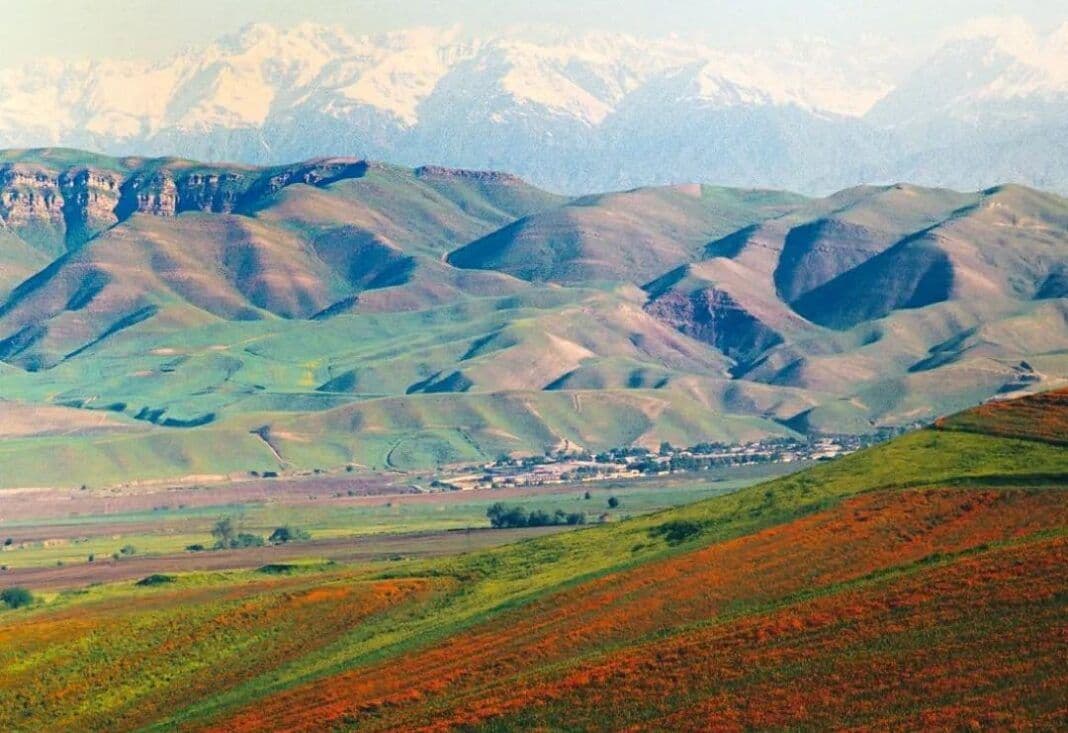
Shahritus sits in the Khatlon Region, a long, flat stretch of southern Tajikistan that gets genuinely hot in summer. The town possesses a functional, gritty charm that many over-restored Central Asian hubs have lost. It serves as a crucial agricultural and logistical node, and if you are moving between Dushanbe and the southern borders, you will likely pass through. This guide cuts through the noise to tell you what actually works here during the warm months.
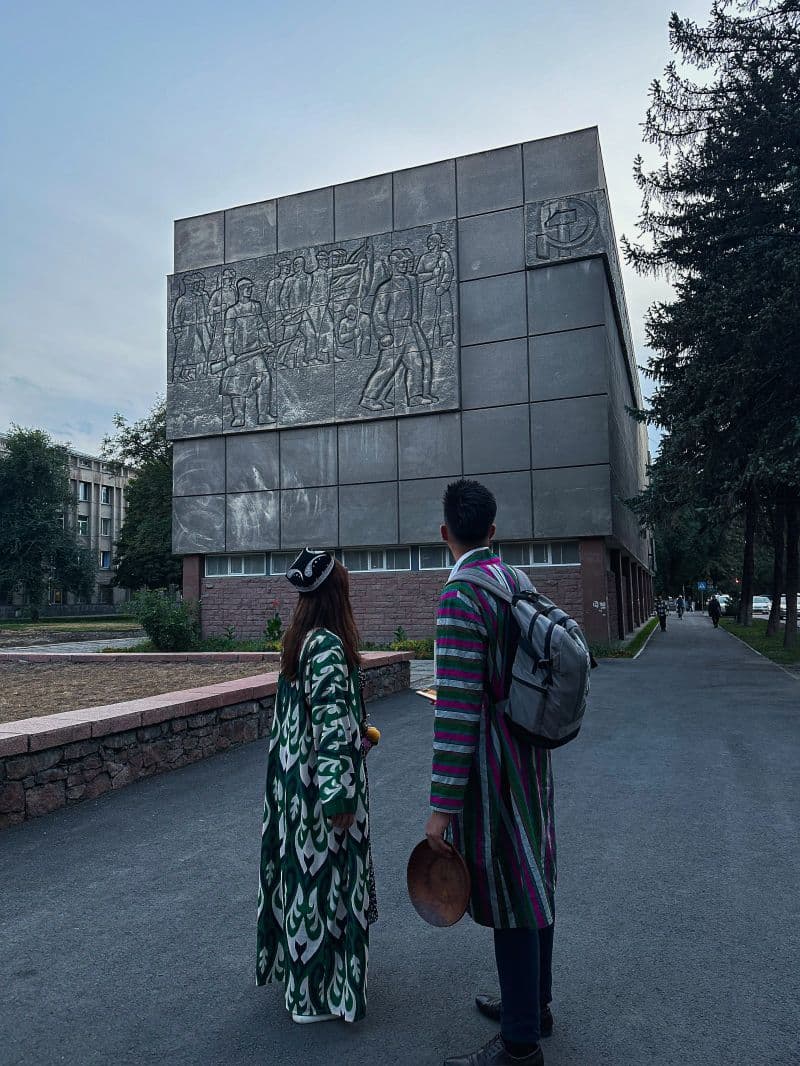
The architecture is utilitarian. You will see Soviet-era concrete blocks mixed with newer, brick-heavy residential builds. Expect heavy, functional design meant to withstand heat and dust rather than minimalist Scandinavian trends. The color palette is dominated by earth tones—ochre, beige, and faded white—broken up by the bright colors of local textiles and market stalls. It is visually cohesive in a rugged, unpretentious way.
Getting Around and Transit Realities
Shahritus is served by local rail, which remains a reliable way to move goods and people through the valley. The train station acts as the central hub for the town’s logistics. While specific line names can vary by operator schedule, the rail connection links Shahritus to the national network, offering a slower but scenic alternative to the highway buses.
For getting around the town itself, walking is viable in the early morning or late evening. During the peak afternoon heat, which can climb significantly, shared taxis (often older Soviet-era sedans or newer imported hatchbacks) are the standard. They are cheap, frequent, and drive aggressively. You do not need to book ahead. Just stand by the main thoroughfare, hold up your destination, and hop in. The ride is short, the conversation is minimal, and the air conditioning is often working overtime against the dust outside.
If you are arriving from Dushanbe, the drive takes roughly two to three hours depending on traffic and road conditions. The highway is paved but can be uneven. Watch for livestock crossing; they have right of way, and no one argues with a goat in the middle of the road.
Shopping and the Local Market
The local market area is where the real design happens. Ignore the small, overpriced souvenir shops near the station. Instead, head to the open-air bazaar. Here, you will find textiles that are genuinely handmade or at least locally sourced, unlike the mass-produced imports flooding many global markets. Look for ikat patterns, though be aware that much of what is sold is machine-made with traditional motifs. The best pieces are thicker, heavier cottons that breathe in the heat.
For household goods, the market offers sturdy ceramics and metalware that are practical rather than decorative. A handmade ceramic bowl here costs a fraction of what similar items fetch in Western boutiques, and they are often more durable. The vendors are direct. Haggling is expected, but keep it respectful. Start at about 60% of the asking price and meet in the middle. The goal is a fair exchange, not a victory lap.
Street food is simple and effective. Look for osh (plov), the regional staple of rice, carrots, onions, and meat. It is heavy, comforting, and designed to sustain workers through long days. Eat where the locals eat—small, open-fronted cafes with plastic chairs and large pots of tea. The tea is usually green, brewed strong, and served in small bowls. It is the antidote to the heat and the sugar in the food.
Practical Planning for Summer Visits
Summer in Shahritus is hot. Dry heat, but intense. Bring light, breathable fabrics. Linen and cotton work best. Synthetic blends will trap sweat and make you miserable. Hydration is critical; carry water with you at all times.
Money matters are straightforward. Cash is king. Card acceptance is limited outside the main hotels or larger shops. Have small denominations ready for taxis and market purchases. ATMs are available in the town center but can be unreliable during peak hours. Withdraw cash when you arrive or when you are sure the machine is working.
Timing your visit matters. The early morning hours (before 9 AM) and late evening (after 6 PM) are when the town is most active and pleasant. Midday is for resting indoors. Plan your sightseeing or shopping around these windows. If you are staying overnight, book a room with a courtyard if possible. Outdoor sleeping spaces are common and cooler than enclosed rooms.
Check local calendars for Ramadan timings if you are visiting during spring transitions. For summer specifically, the weather is predictable: hot days, warm nights. No surprises.
Who This Trip Is For
Travelers who appreciate authentic, unmediated experiences will find Shahritus appealing. Luxury seekers or those who need polished hospitality may find the environment too rough around the edges. It is a place of function over form, and that honesty is appealing. If you like observing how people actually live, shop, and move through a space, this town delivers.
Solo travelers will find it easy to navigate. The town is compact, safe, and walkable. Families might find the heat challenging without air-conditioned bases, so book accommodation carefully. Couples looking for a romantic, quiet retreat might find the noise and bustle of the market too intense, but the evenings on balconies overlooking the valley can be surprisingly peaceful.
Stay for one or two nights. That is enough to see the market, catch the rail vibe, and eat well. Longer stays require a deeper interest in regional agriculture or logistics, as the town does not have endless layers of tourist attractions. It is a stopover with soul, not a destination with checklist items.
Frequently Asked Questions
Do I need a visa for Tajikistan? Check your nationality requirements before traveling. Many countries have simplified visa processes, including e-visas or visa-on-arrival options. Ensure your passport is valid for at least six months beyond your travel dates.
Is English widely spoken? No. Russian and Tajik are the primary languages. Basic Russian phrases will help significantly. English is understood by younger people and those in the tourism sector, but do not expect fluency everywhere. Learn a few greetings and numbers in Tajik; it goes a long way.
What is the best time to visit? Summer is hot but manageable if you respect the midday heat. Spring and autumn offer milder temperatures and are ideal for walking and exploring. Winter can be cold and grey, less appealing for casual sightseeing.