Tuzi offers a disciplined entry point to Lake Skadar and Malësia culture. Weekday mornings at the local market provide the best window into the region’s local character and morning atmosphere.
The Gateway Assessment
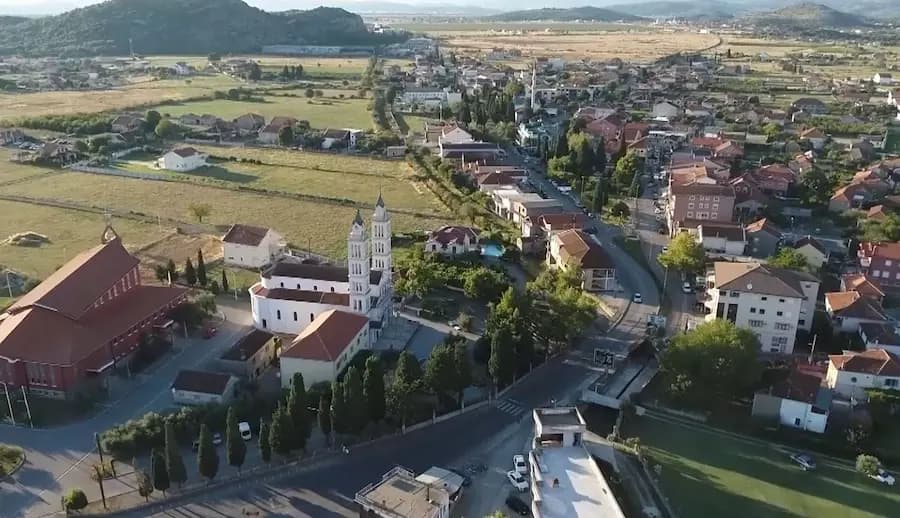
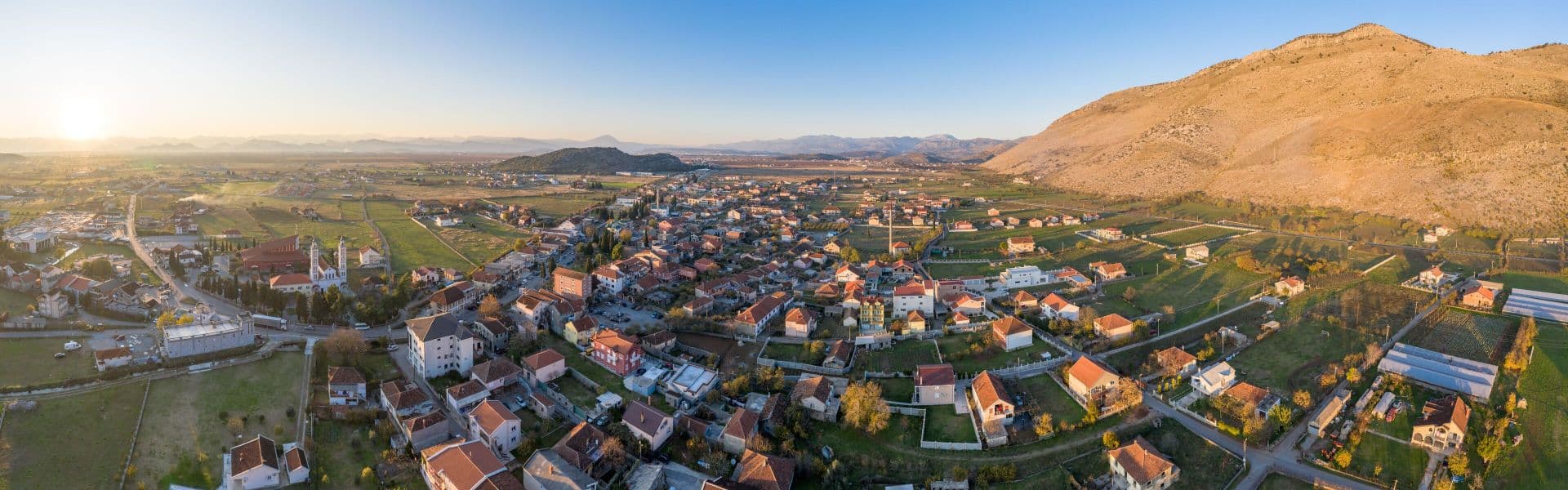
Tuzi is a functional node, the newest municipality in Montenegro, positioned precisely at the threshold of the Malësia region and the Albanian border. The elevation sits comfortably above the coastal humidity, offering air that is sharper, cleaner, and significantly more conducive to clear thinking. The primary asset here is Lake Skadar, the largest lake in the Balkans. Tuzi serves as the gateway. You come here for access, not for a beach. The infrastructure is lean. There is no rail line serving the town. Do not look for one. The local bus from Podgorica is the operational standard. It is frequent, affordable, and efficient. If you require a vehicle, parking is available, though congestion peaks during market hours. The town itself is compact. The Cultural Center of Tuzi anchors the social infrastructure, acting as the community hub where local administration and cultural events intersect. It is unpretentious. The buildings are functional. The streets are paved. The symmetry of the layout is orderly, reflecting the agricultural discipline of the surrounding highlands.
Market Efficiency
The Tuzi Market Town defines the daily rhythm of the municipality. Weekday mornings are the only acceptable window for a serious visit. Go at 08:00. The selection is at its peak. The produce is local, sourced from the immediate valley and the highland pastures. By midday, the volume drops, and the quality of the remaining stock becomes variable. The atmosphere is transactional. Vendors are precise. There is no haggling theater, only efficient exchange. You will find seasonal vegetables, cured meats, and dairy products that reflect the Malësia tradition. The smell is distinct: earth, salt, and raw cheese. The market functions as a supply hub rather than a tourist bazaar. Treat it as such. Bring small bills. The exchange rate is fixed, but the convenience of exact change is a mark of respect. The layout is open-air. Canopies provide shade, but the light is direct. Wear appropriate footwear. The ground is uneven in places. The efficiency of this market is a testament to the community’s agricultural output. It is the best indicator of the local economy’s health.
Culinary Standards
The food in Tuzi is heartland cooking. It is distinct from the Mediterranean coast. The menu prioritizes density over complexity. The primary dish to audit is Cicvara. It is a traditional Montenegrin peasant dish, consisting of corn flour, fresh cheese, milk, water, salt, and kaymak. The texture is thick, almost porridge-like, but the flavor profile is rich and savory. It is fuel, not art. Eat it to sustain your energy for the next leg of the journey. The Malësia region has a noted traditional cuisine that relies on preserved meats and dairy. You will find dishes that are high in fat and protein, designed for the physical demands of mountain life. Restaurants in the town center are few but reliable. They serve the regional staple. Do not expect a wine list that matches the coast. The focus is on the plate. The service is quick. The portions are generous. The prices are modest, reflecting the local cost of living. The destination offers honest eating rather than fine dining. The corn flour base of the Cicvara is a regional identifier. It connects the meal to the soil.
Access Points
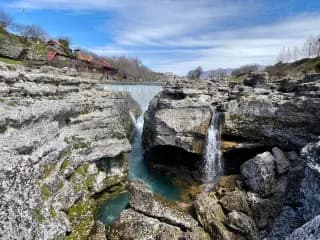
Transportation to Tuzi is straightforward but requires planning. The local bus from Podgorica is the primary connection. It is frequent and affordable. The journey is direct. There are no confirmed rail services. Do not waste time inquiring about trains. If you drive, the road is well-maintained. Parking in the town center is available but can be busy during market hours. The distance from Podgorica is manageable, making Tuzi a viable day trip or a base for a short stay. The bus stops are clearly marked. The drivers are punctual. The vehicle is standard. If you prefer a taxi, the cost is higher but the convenience is immediate. The car allows you to explore the river canyon swimming sites noted in the region. These are natural spots, not developed facilities. Bring your own equipment. The water is cold, even in autumn. The clarity is high. The depth varies. Use caution. The access roads to these sites are narrow. Drive slowly. The landscape is rugged. The symmetry of the canyon walls is striking. The silence is absolute, broken only by the sound of water over rock.
Seasonal Timing
Autumn is the correct season for Tuzi. The summer heat is gone. The crowds are dispersed. The light is lower, casting longer shadows across the market square and the Cultural Center. The air is crisp. The Malësia region prepares for winter. The traditional culture is most visible during this time, as the community turns inward. The upcoming holidays are sparse. New Year’s Day in 2027 is the next major event. It is three months away. Booking impact is minimal for autumn travel. The town is quiet. The prices are stable. This is the time for a focused visit. Spend two days. One for the market and the town center. One for the Lake Skadar access and the canyon sites. The pace is slow. The discipline is high. The environment rewards precision. Do not linger. Move with purpose. The town is small. You will see everything in a day. The value is in the depth, not the breadth. The Malësia historic landmarks are nearby. They require a half-day excursion. The drive is short. The views are consistent. The cultural context is clear. This is a region that values tradition. It does not perform it. It lives it.
Frequently Asked Questions
How do I get to Tuzi from Podgorica? Take the local bus. It is the most efficient and affordable option. The service is frequent. There is no rail connection. If you drive, allow for parking congestion during market hours.
What is the best time to visit the Tuzi Market Town? Weekday mornings. This is when the selection is best and the crowds are minimal. Avoid weekends and afternoons. The quality of stock drops significantly after 10:00.
Is Tuzi suitable for a day trip? Yes. The town is compact. The primary attractions—the market, the Cultural Center, and the nearby canyon sites—can be covered in a single day. A two-day stay allows for a more relaxed pace and better access to Lake Skadar.