Find the plant-based plate in Cortés Department without leaving your comfort zone. Practical tips for eating green in a small Honduran town.
The menu at the local comedor in Los Caminos, Honduras, likely features beans, rice, and a side of sopa—a soup that is inherently vegan if you skip the meat broth and dairy. In Cortés Department, the agricultural backbone is corn and beans, which means the base of most meals is already plant-forward. For the traveler who eats this way by choice or necessity, Los Caminos offers a quiet, unpretentious backdrop where the challenge isn’t finding food, but finding variety. You are not here for the bustling vegan cafes of San Pedro Sula, which sits to the north. You are here for the slow, honest rhythm of a small Honduran town where the kitchen garden is the primary source of nutrition.
The Plate: Beans, Rice, and the Art of Substitution
In most of Honduras, the standard meal is gallo pinto (rice and beans) served with a protein. In Los Caminos, the protein is often grilled chicken, fish, or pork. However, the gallo pinto itself is a vegan staple. It is fried with onions, peppers, and cumin, and if prepared with oil or lard, the latter is the only non-plant element to watch for. Ask for it sin grasa animal (without animal fat) if you are strict. The sopa, a thick soup made from corn husks or plantains, is another safe bet. It is a comforting, thick consistency that warms the stomach without requiring meat.
You will also find tamales wrapped in banana leaves. These are often filled with chicken or pork, but in rural areas, they are frequently made with just corn dough, beans, and vegetables. The texture is dense and savory, a far cry from the sweet, sugary tamales of the United States. If you are unsure, point to the ingredients. The local dialect is Spanish, and while accents can be thick, pointing to the bean pot and nodding is a universal language. The smell of frying plantains—plátanos maduros—is a constant in the air, a sweet, caramelized scent that signals a meal is ready. The fruit stands offer mangoes, bananas, and papayas that are ripe, cheap, and perfect for a midday snack.
Where to Eat: The Comedor and The Market
There are no confirmed named restaurants in Los Caminos that specialize in vegan cuisine. Instead, you will eat where everyone else eats: the comedores. These are casual, family-run eateries that serve simple, hearty meals. They function as community hubs. The food is fresh, cooked in small batches, and the portions are generous. A meal here might cost you the equivalent of $3 to $5 USD. You will sit at long wooden tables, often with other locals, and the social barrier is low. The owner will likely be a woman who runs the kitchen with an efficiency that is both impressive and intimidating. She will not ask your dietary restrictions; you must state them clearly.
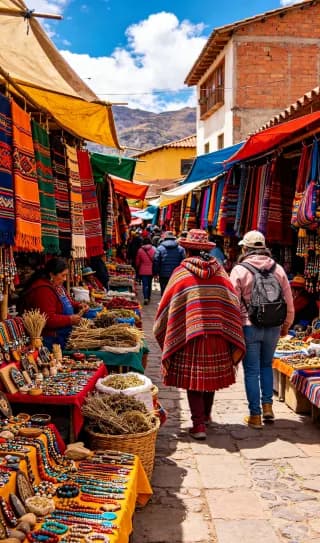
The local market area is your second best bet. Here, you can buy fresh produce, bread, and sometimes prepared snacks. Look for vendors selling bollos (steamed corn cakes). These are often vegan, made from corn dough and sometimes filled with cheese or meat. If you see the cheese filling, you can usually ask for it plain. The market is a sensory overload of colors and smells: the green of fresh herbs, the red of tomatoes, the earthy scent of soil. It is the best place to find fruits that are in season. In October, you might find ripe mangoes or sweet papayas. Do not expect to find a vegan bakery or a juice bar. The food culture is traditional, and that is its strength.
Practical Logistics: Money, Time, and Transit
Los Caminos is located in Cortés Department, and the local time zone is UTC-06:00. This is the same time zone as Central America, so if you are traveling from the US, you are likely on a similar schedule. The currency is the Honduran Lempira (HNL). It is best to carry small bills, as vendors may not have change for larger notes. ATMs are rare in small towns like Los Caminos, so withdraw cash in a larger nearby city before you arrive. There is no confirmed railway network serving Los Caminos, which is typical for most of Honduras. You will likely arrive by bus or car. The roads may be unpaved or in poor condition, so travel times can be longer than expected.
The postal code for Los Caminos follows the standard Honduran format, but this is rarely useful for travelers unless you are sending mail. The town is small, and you can walk to most places. However, if you need to go to a larger town for supplies or a specific meal, you will need to arrange transport. Ask locals for the bus schedule; these are often informal and can change based on demand. Do not rely on apps for transit in this area. The local knowledge of the bus driver is your best resource. They will know if there is a later bus or if you need to walk to the main road to catch one.
Cultural Etiquette: Respect and Patience
In Honduran culture, food is a social activity. Rushing through a meal is considered impolite. Sit down, engage in conversation, and take your time. If you are eating with locals, it is customary to wait until everyone has been served before you start eating. This is a sign of respect. If you are vegan, you may face some confusion. The concept of a "vegan" is not widely understood in rural Honduras. People may think you are allergic to meat, not that you avoid all animal products. Be clear: No como carne, ni leche, ni huevo (I do not eat meat, milk, or eggs). This simple phrase will prevent most misunderstandings.
The people of Los Caminos are generally friendly and curious. They may ask why you do not eat meat. You can explain it briefly, but do not expect a deep philosophical discussion. In many cases, they will simply bring you a plate of rice and beans, which is perfectly fine. Do not be offended if they offer you a piece of meat; a polite "no, gracias" is sufficient. The hospitality is genuine, even if it is not tailored to your specific diet. You are a guest in their home, and they will do their best to feed you. This cultural nuance is part of the experience. The connection is as important as the food.
When to Go: Seasonal Considerations
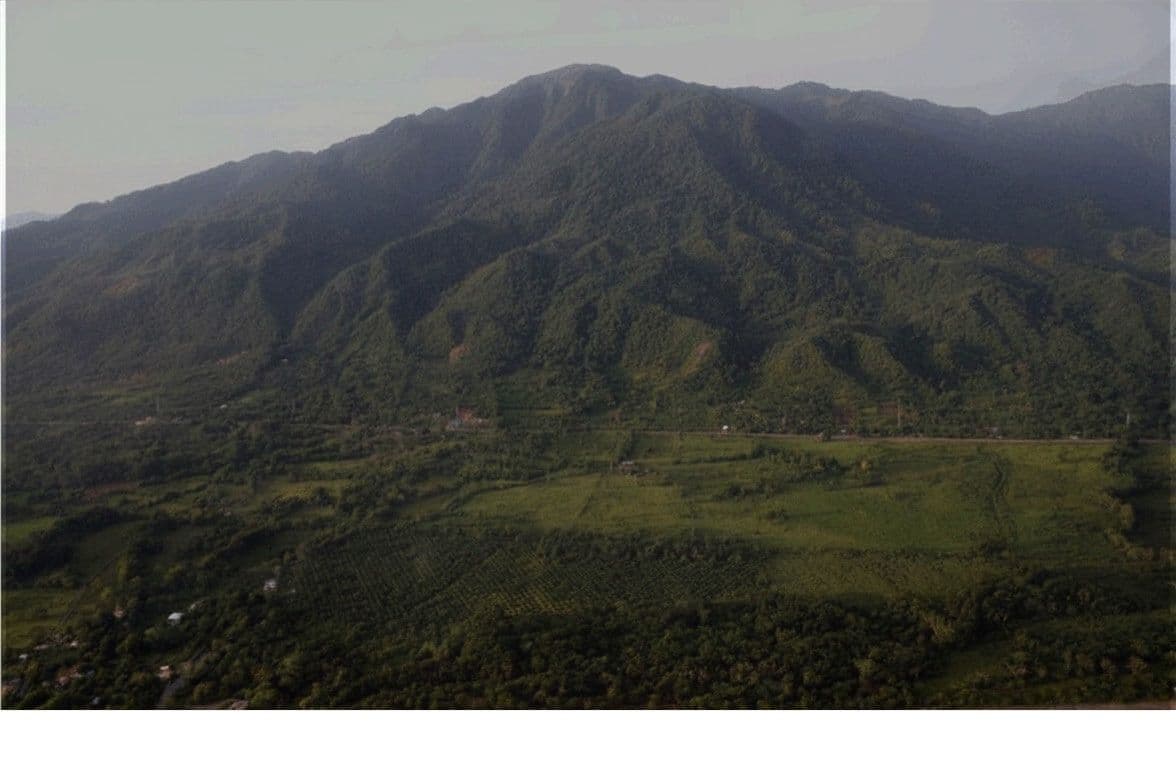
The best time to visit Los Caminos is during the dry season, which typically runs from December to April. During this time, the weather is warm and sunny, and the roads are in better condition. The rainy season, from May to November, can make travel difficult, with mud and flooding. However, the rainy season is also when the crops are at their peak, so you may find the freshest produce at the market. If you are visiting in October, as is the case for this article, you are in the tail end of the rainy season. Expect some rain, but also lush greenery and abundant fruit.
Morazan Weekend is a holiday in Honduras, falling in October. In 2026, it is scheduled for October 7-9. This is a time of celebration, with parades and festivities. If you are visiting during this time, expect higher demand for food and lodging. Book your accommodation early, and be prepared for crowds. The local comedores will be busy, and you may need to wait for a table. However, it is also a great time to experience the local culture. The music, the colors, and the energy are palpable. Do not miss this if you can. It is a unique aspect of Honduran life that you will not find in other parts of the country.
FAQ: Quick Answers
Is Los Caminos safe for solo travelers? Generally, yes. It is a small, quiet town. As with any rural area, use common sense. Keep your belongings close, and avoid walking alone at night in poorly lit areas. The locals are friendly, and you will likely be welcomed.
Do I need a visa for Honduras? Citizens of the US, Canada, and the EU do not need a visa for stays up to 90 days. You will need a valid passport. Check the latest requirements before you travel, as regulations can change.
How do I get to Los Caminos? There is no direct airport. You will likely fly into San Pedro Sula or Tegucigalpa, then take a bus or rent a car. The journey from San Pedro Sula to Los Caminos may take several hours, depending on road conditions. Check with local transport operators for the most up-to-date schedules.