Swap the studio for the jungle canopy. Week-long retreats in Puerto Viejo de Talamanca pair daily asana with the humid, green silence of Costa Rica’s Caribbean coast.
The Sound of the Canopy
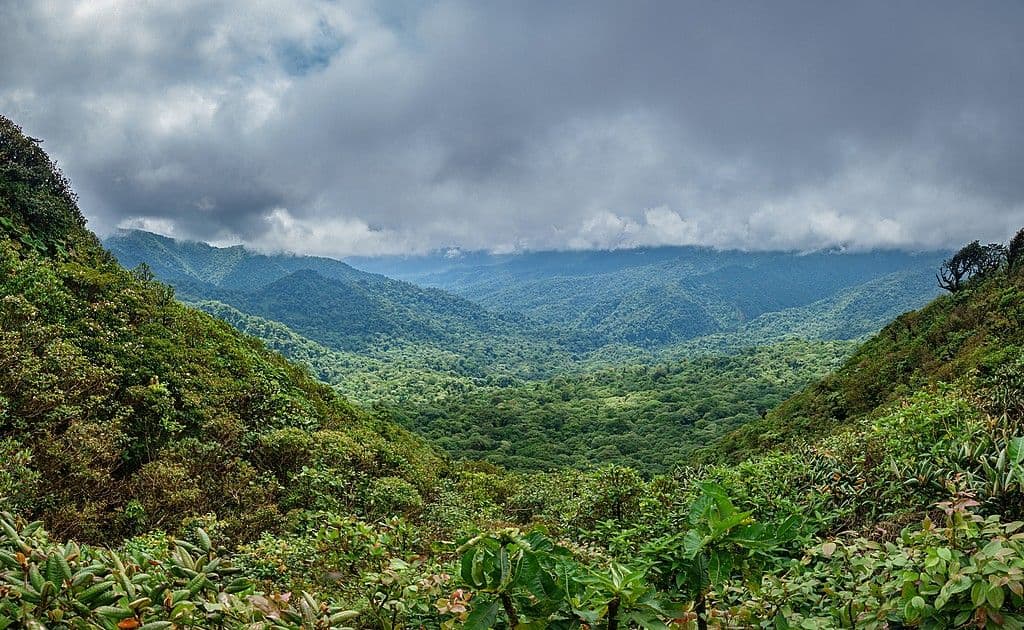
You will not hear a car horn for the first twenty minutes after stepping off the bus in Puerto Viejo de Talamanca. The dominant sound is the drip-drip-drip of condensation falling from the low-hanging branches of the Caribbean rainforest, a rhythm that replaces the traffic noise you left behind in San José. This is the core appeal of a yoga retreat in this corner of Costa Rica: the environment does the work for you. You don’t need an app to silence your notifications because the humidity, thick as wet wool, dampens the world. The air smells of wet earth and frangipani. If you are coming here to "unplug," the geography helps. The town sits on the Caribbean side, far from the Pacific-side tourist infrastructure, meaning the pace is slower and the light, filtered through the cloud forest, is softer.
Where to Stay
Lodging in Puerto Viejo de Talamanca splits into two distinct camps: the budget guesthouses near the main strip and the immersive retreat centers tucked into the jungle. For those testing the waters, B&Bs in the town center start around €7.67 per night, with roughly 24 guesthouse properties listed on major booking platforms. These are functional, clean, and close to the beach, but they lack the structured programming that defines a true retreat experience.
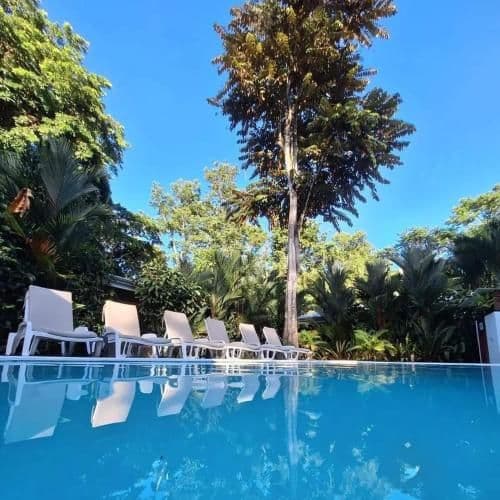
For a dedicated practice, look at properties that integrate lodging with instruction. One notable option is the Sonora Jungle and Yoga Retreat, which offers tiny homes set within the greenery, a pool, a restaurant, and a dedicated yoga shala. This setup allows you to stay on-site, removing the daily commute and friction from your routine. Alternatively, several operators host week-long programs, such as the "Costa Rican Soul Retreat" or one-on-one burnout prevention programs that combine centering practices with spiritual reflection. These structured environments revolve their schedules around breath, movement, and stillness, offering a depth of immersion that standard hotel stays do not provide.
The Practice in the Field
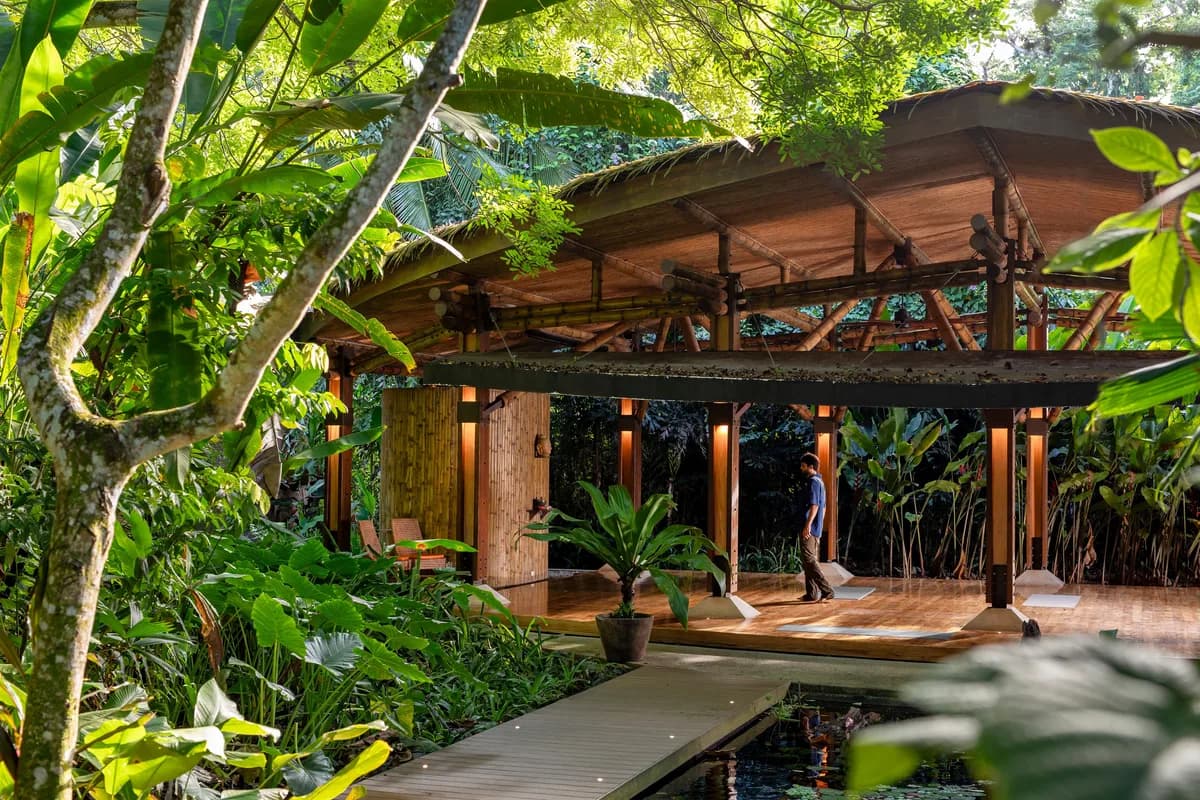
Yoga in Talamanca moves away from heated studios and mirrored walls. The shalas are often open-air structures, allowing the rain to fall on the mats if it happens. The practice here is grounded in the physical reality of the landscape. The humidity makes holding poses like Warrior II feel heavier, more demanding on the lungs and the core. It is a physical challenge that mirrors the mental one: staying present when the environment is overwhelming.
Many retreats in this area focus on "centering" or spiritual retreats, often designed for those recovering from burnout or seeking a deep reset. The instructors typically blend Hatha or Vinyasa with local wisdom about connection to the land. You will likely spend time outside the shala as well—walking the jungle trails, sitting by the river, or simply observing the birds. The aim is to align your internal rhythm with the external one rather than chasing technical precision. The pace is slow. Days are long, but they feel spacious.
Getting There
Reaching Talamanca requires a commitment to the journey. There is no direct high-speed rail connection; you are relying on the road network. The most common route involves a bus ride from San José to Limón, followed by a transfer to Puerto Viejo de Talamanca. The drive is long, winding, and offers a gradual transition from the dry Pacific lowlands to the lush Caribbean rainforests.
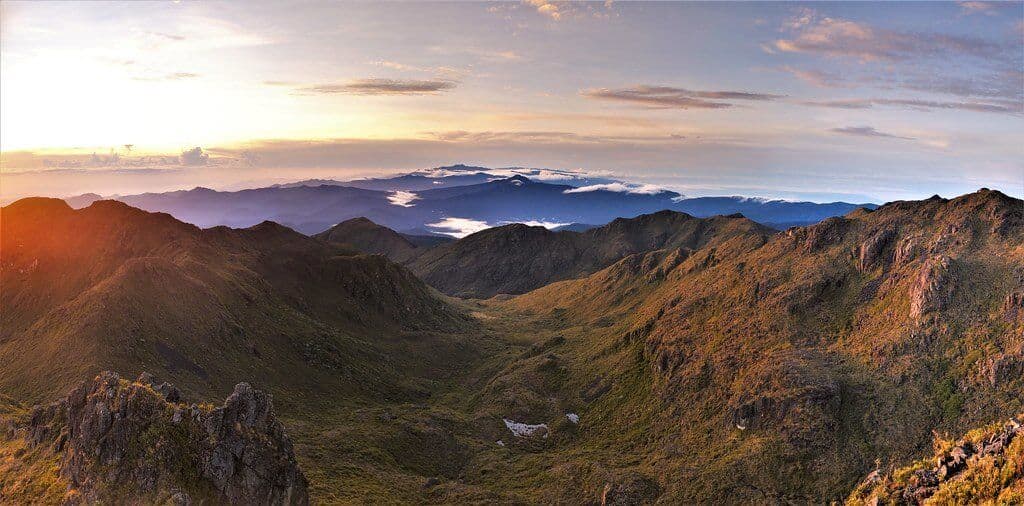
If your retreat includes a trek into the interior, know that access to major peaks like Cerro Chirripó, the highest point in Costa Rica at 3,821.25 meters, requires traveling to San Gerardo de Rivas. This route stands apart from the coastal retreats and falls outside the standard yoga itinerary, yet it highlights the sheer scale of the region. The Cordillera de Talamanca, stretching 320 kilometers and forming the border with Panama, is a massive, living entity that dwarfs the small coastal town. For the purpose of a yoga retreat, you will likely stay in Puerto Viejo, but the backdrop is monumental. The La Amistad National Park, which adjoins Panama and is a UNESCO World Heritage Site, looms in the distance, a reminder of the wildness that surrounds this quiet corner of the country.
When to Go
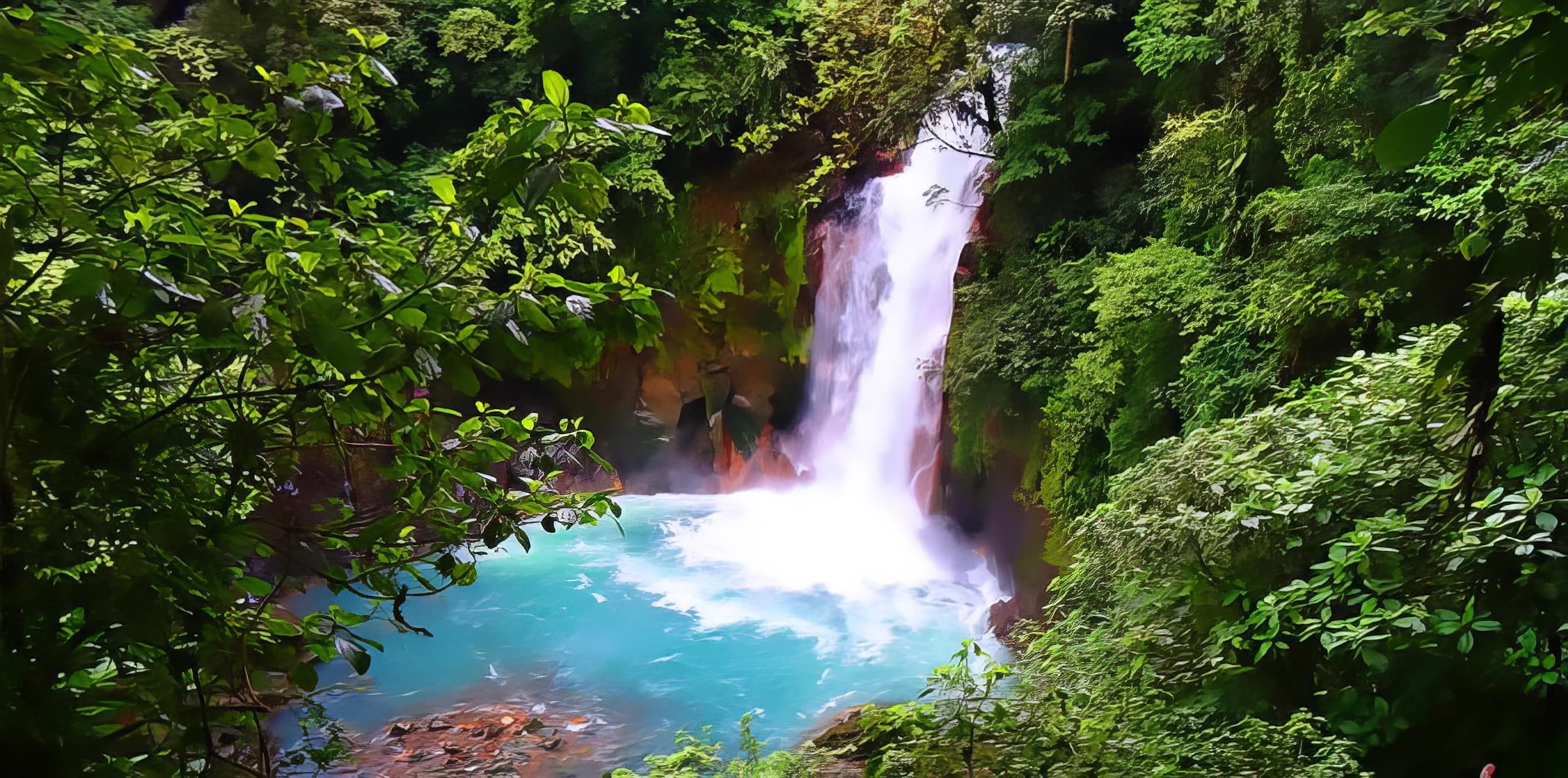
Talamanca is wet. There is no dry season in the way the Pacific side experiences it. The Caribbean coast receives rain year-round, though the intensity varies. The "green season" functions as the defining feature of the landscape rather than a drawback. The rain nourishes the rainforest, keeping the colors vibrant and the waterfalls flowing. If you are coming for a yoga retreat, the rain is part of the practice. It teaches patience.
The nearest major holidays are Christmas Day (December 25, 2026) and New Year's Day (January 1, 2027). These dates will see higher occupancy and potentially higher prices at guesthouses. For a quieter, more affordable experience, aim for the shoulder months of late January through March or late July through September. Avoid the peak of the hurricane season in late summer if you are sensitive to weather disruptions, though the jungle remains lush regardless. The best time to go is when you are ready to sit with the discomfort of humidity and the beauty of the green world.
Practical Questions
Do I need a visa to enter Costa Rica? Most travelers from the US, Canada, and Europe do not need a visa for stays under 90 days. You will need a valid passport and proof of onward travel. Always check current entry requirements before booking, as regulations can change.
Is Puerto Viejo de Talamanca safe for solo travelers? Yes, it is generally considered safe. It is a small, tight-knit community. Standard precautions apply: watch your belongings on the beach, avoid walking alone in unlit areas at night, and be aware of your surroundings. The retreat centers provide a structured, secure environment, which adds an extra layer of safety.
What should I pack for a yoga retreat in the rainforest? Lightweight, breathable clothing that dries quickly. A waterproof jacket is essential. Sturdy, grippy shoes for uneven terrain. A yoga mat if you have a preference, though most retreats provide one. Insect repellent is non-negotiable. The humidity will make everything feel wet, so pack accordingly.