Skip the crowds. At 2,400m in Eritrea's Debub region, Adi Keyh offers quiet monasteries, highland air, and a market that feels like it stopped in 1990.
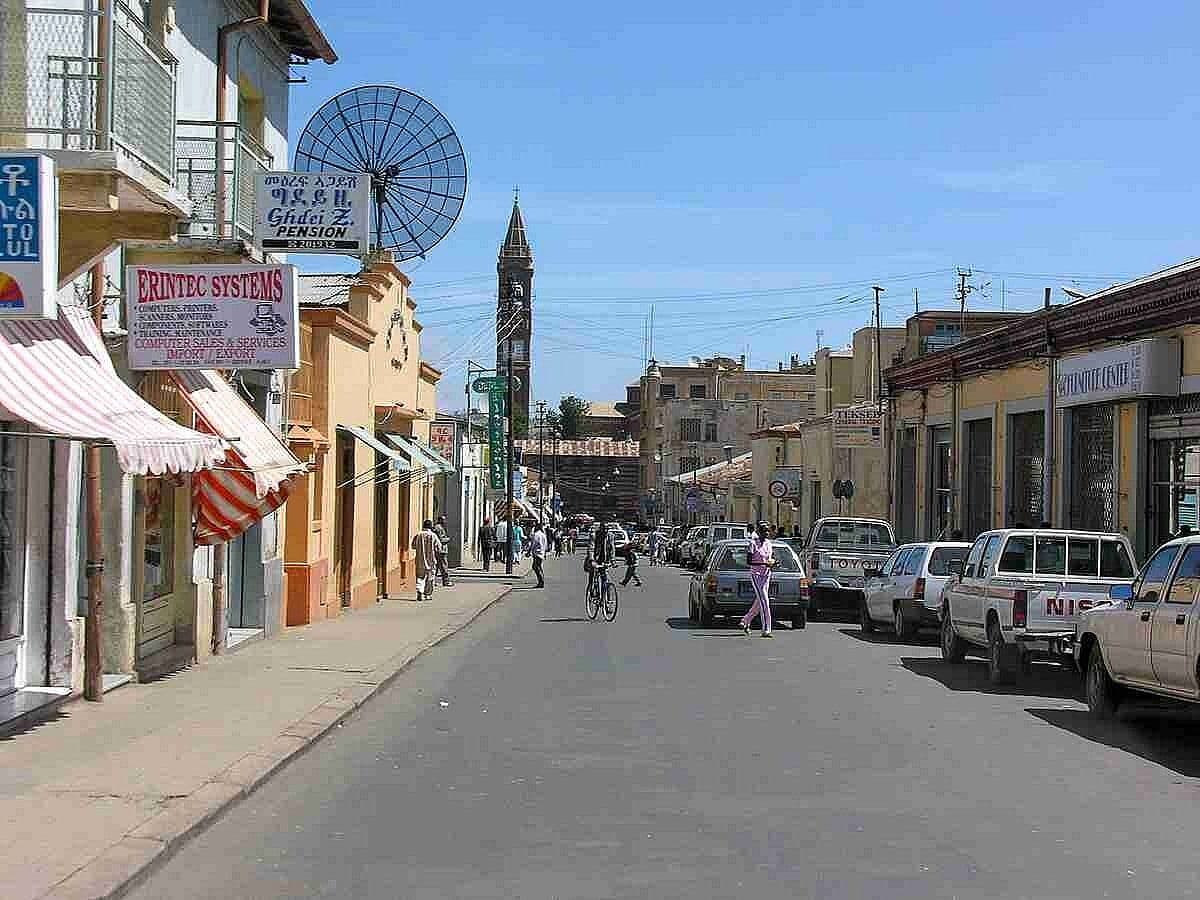
The shared taxi from Asmara costs roughly 1,000 to 1,500 Eritrean Nakfa, and the two-hour climb up into the Debub highlands is the first sign you've left the performance of tourism behind. At 2,415 meters, the air is thin enough to make your first few steps feel deliberate, and the landscape opens up into a rugged, grassy plateau where the road just happens to have been paved. This is a place for slowing down, where the rhythm is set by the drying of laundry in the wind and the slow shuffle of people in the market square.
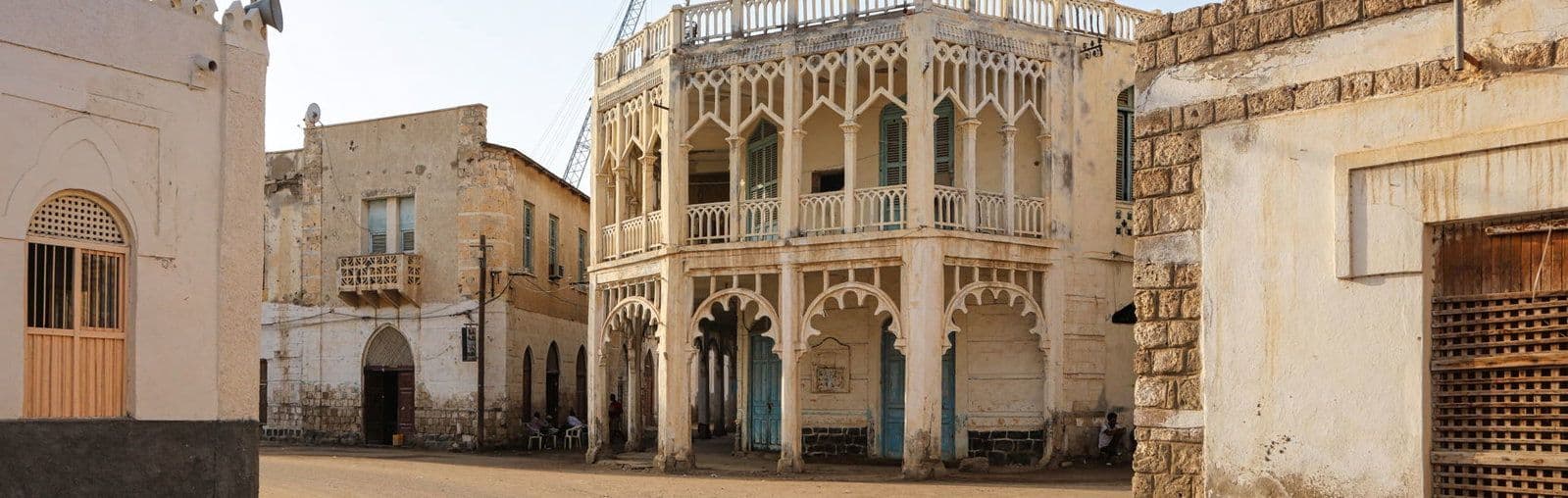
The Monastery and the Market
The two anchors of Adi Keyh are the monastery and the market, and they exist in a kind of symbiotic calm. The Adi Keyh Monastery sits on the edge of the town, described by locals as a "beautiful and peaceful spot." It consists of a cluster of whitewashed structures with a small courtyard where the silence is heavy and intentional. You do not need a guide. You walk in, you stand in the shade of the eucalyptus trees, and you let the quiet settle. The architecture is simple, functional, and deeply integrated into the hillside.
A short walk back through the town brings you to the Adi Keyh Market. This is the town's commercial heart, a bustling hub for local handicrafts and souvenirs, but it operates on a slower, more human scale than the markets in Asmara. The stalls are open-air, often shaded by simple canvas awnings, and the goods are handmade: woven baskets, ceramic pots, and local textiles. The vendors here are not aggressive. They sit, they chat, and they wait. If you buy something, it is a transaction between neighbors. The smell of wood smoke from nearby cooking fires mixes with the scent of dried herbs, creating a sensory backdrop that is distinct to this highland region.
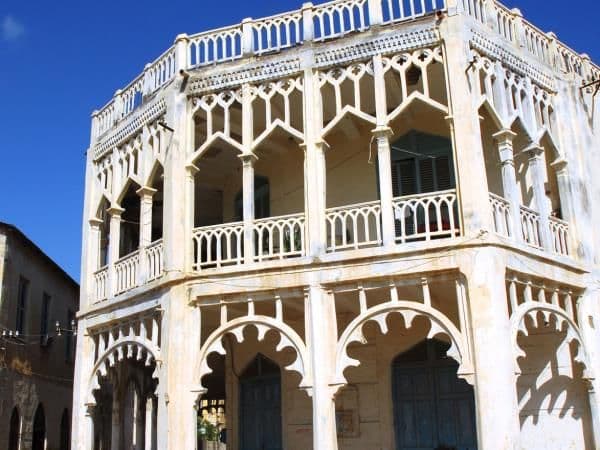
Getting There and Around
Logistics in Eritrea require a shift in mindset. You will not find a rigid bus schedule posted on a wall. The primary connection from Asmara to Adi Keyh is via shared taxis and minibuses. These depart from the main transport hubs in Asmara, typically in the early morning, and the journey takes between one and two hours, depending on how full the vehicle is and the condition of the road. If you miss the morning departure, you may be looking at a wait, or you might opt for a slower, larger bus, which can take three to four hours.
There is a historical rail line, the narrow-gauge 950 mm Eritrean Railway, which connects Asmara to Adi Keyh and further to Senafe. However, there is no current regular passenger rail service to Adi Keyh. The tracks remain as a historical artifact, a reminder of the colonial-era infrastructure that still threads through the highlands. For the traveler, the road is the only way. Once in Adi Keyh, the town is small enough to be navigated on foot. You do not need a car. You need good walking shoes and a willingness to ask for directions in a way that is friendly rather than demanding. The nearest airport is Asmara International, approximately 110 kilometers away, making the drive up into the highlands a necessary part of the experience.
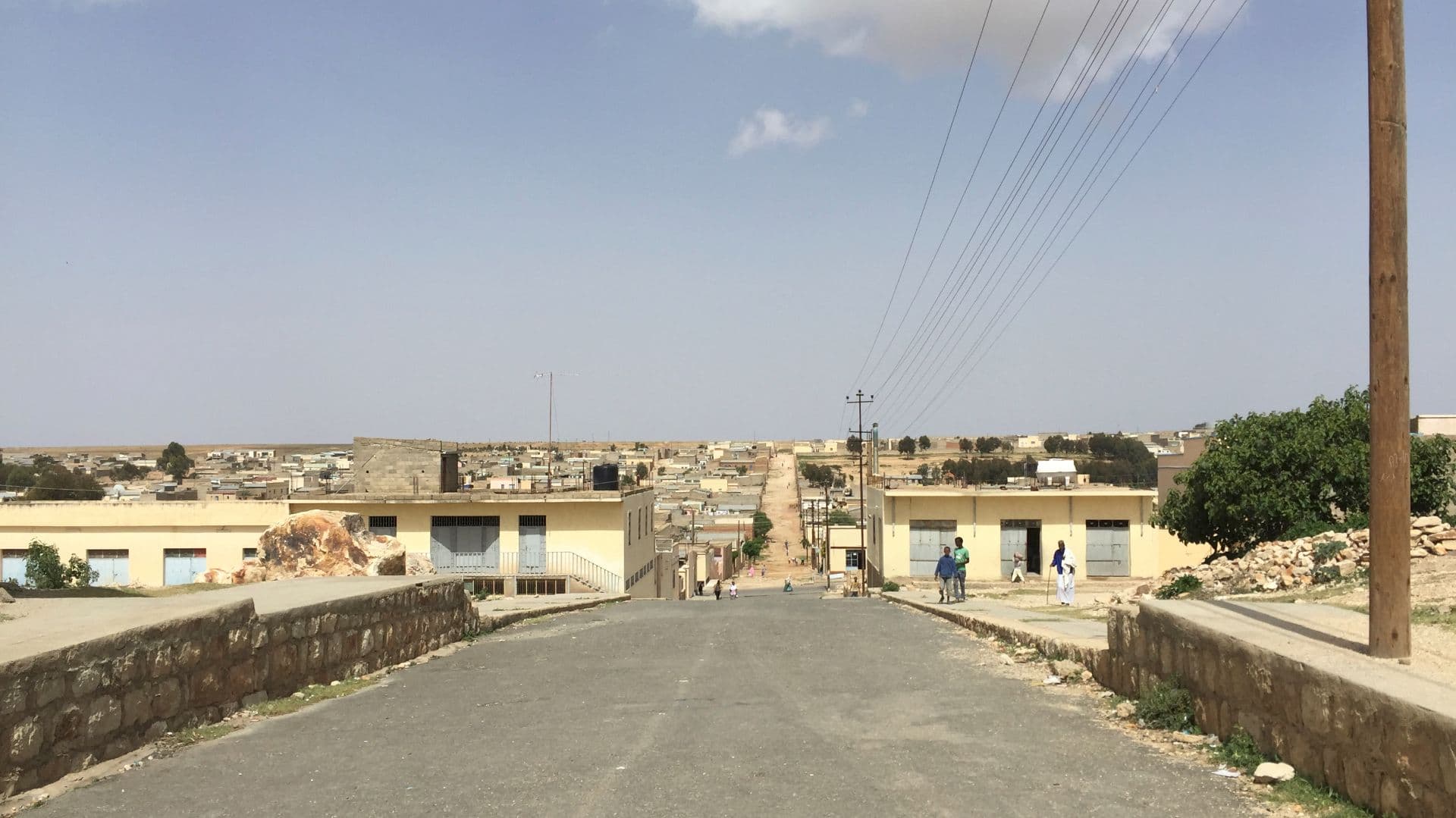
Practical Planning
Money in Eritrea is cash-based. The Eritrean Nakfa is the local currency, and ATMs are scarce outside of Asmara. Withdraw enough cash in the capital before you make the journey up to Adi Keyh. Prices in the town are modest, but they are not fixed. A meal at a local eatery might cost around 500 to 800 Nakfa, while a night's accommodation in a guesthouse or hotel in the town center will likely range from 1,500 to 3,000 Nakfa. These are approximations; the economy is informal, and prices can fluctuate based on your willingness to negotiate and your ability to communicate.
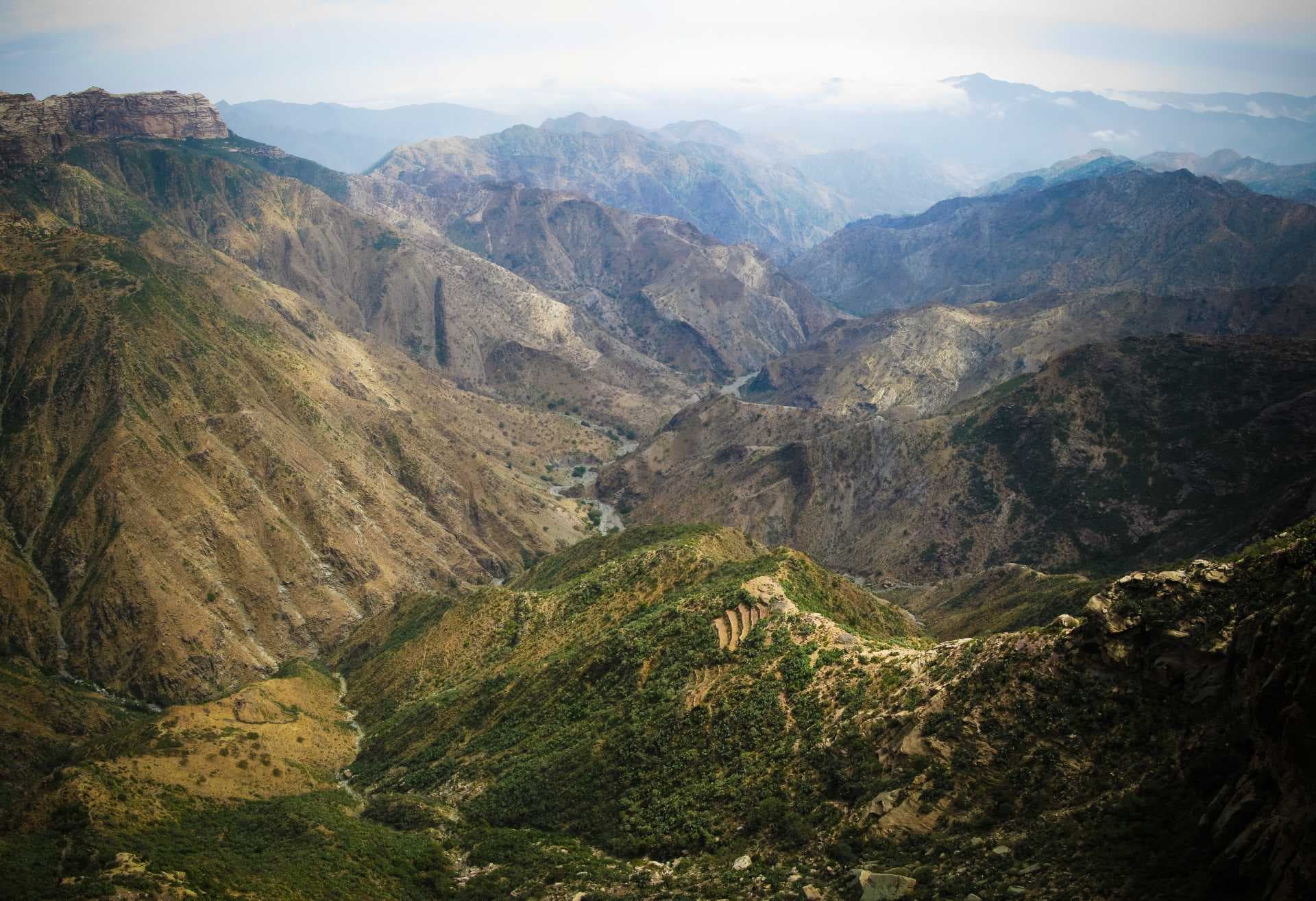
Timing your visit is crucial. The best time to visit Adi Keyh is during the dry and cool months, from October to February. During this period, the skies are clear, the air is crisp, and the unpaved roads that connect the town to surrounding villages are passable. The high elevation means that temperatures drop significantly at night, so even in the "warm" season, you will need a warm layer. Avoid the main rainy season if you are relying on unpaved roads for day trips, as the terrain can become muddy and treacherous. The route from Adi Keyh to Senafe is often noted for high-altitude cycling and trekking, but this is an activity for the fit and the prepared.
Local Nuance and Etiquette
Eritrea is a country of strong cultural identity, and the highlands have their own rhythm. The local language is Tigrinya, and while English is spoken in tourist areas, it is not universal in the market or the monastery. A simple greeting in Tigrinya, "Salam," goes a long way. It opens doors, softens interactions, and shows respect. The people of Adi Keyh are proud of their heritage and their landscape. They live their lives with a sense of purpose, and you are a guest in that life.
Food is a communal experience. While specific dishes unique to Adi Keyh are not widely documented in international travel guides, the local cuisine reflects the broader Eritrean tradition. Expect stews of lentils, chickpeas, and vegetables, served with injera, the spongy teff flatbread that is the staple of the region. The food is simple, hearty, and filling. It is designed to sustain. Eat with your hands, if you are comfortable with it, and share with those around you. This is a sign of respect and friendship.
When to Go and Who It's For
Adi Keyh is a destination for the slow traveler, the hiker, and the photographer who values light and texture over convenience. It is less suitable for families with small children or for those seeking luxury. The best months are October through February, when the weather is dry and the light is sharp. There are no major holidays in the next six months that would significantly impact crowds or pricing, but as with any destination in the region, local festivals can draw crowds. Check locally upon arrival.
Who is this for? It is for the solo traveler who wants to sit in a monastery courtyard for an hour without checking their phone. It is for the pair who wants to walk the market and buy a basket from a woman who has been making them for thirty years. It is for the hiker who wants to start a trek toward Senafe and feel the altitude in their legs. It is not for the group tour. It is not for the one-night stopover. It is for the person who understands that the best travel is about seeing one thing well.
FAQ
Do I need a visa to enter Eritrea? Yes, Eritrea requires a visa for most nationalities. This is typically arranged through an organized tour operator or via the Eritrean embassy in a neighboring country. Independent travel can be complex, so it is advisable to consult with a local agency or your embassy for the most current requirements.
Is it safe to travel to Adi Keyh? Eritrea is generally considered safe for travelers, but it is a country with a unique political and social structure. Crime is low, but you should be aware of the local customs and laws. It is recommended to travel with a guide or a local contact, especially if you are venturing beyond the main town center.
What is the best way to get around in Adi Keyh? On foot. The town is compact, and the main attractions—the monastery, the market, and the highland viewpoints—are within walking distance. Shared taxis are available for longer trips to neighboring towns, but for the town itself, your feet are your best transport.