Forget the slopes. Arroyos y Esteros, Paraguay offers 1950s church towers, world-first organic sugar, and a one-hour drive from Asunción.
The Reality Check
You will not find a ski lift in Arroyos y Esteros. You will not find a snowboard park. The idea that this lowland, riverine town in the Cordillera Department of Paraguay is a destination for winter sports is a geographic impossibility. The climate here is warm, the terrain is flat, and the snow line is roughly 5,000 kilometers away in the Andes. If your itinerary is built around carving powder, this place is a dead end. But if you are willing to swap goggles for a mate gourd and snow boots for rubber sandals, Arroyos y Esteros is a specific, checkable place with a distinct industrial and agricultural identity. It is a town defined by water and cane, and it has no interest in ice or slope.
The Sugar & the Distillery
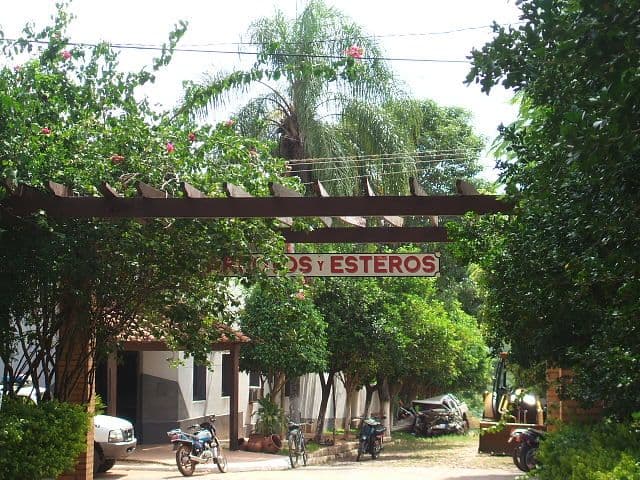
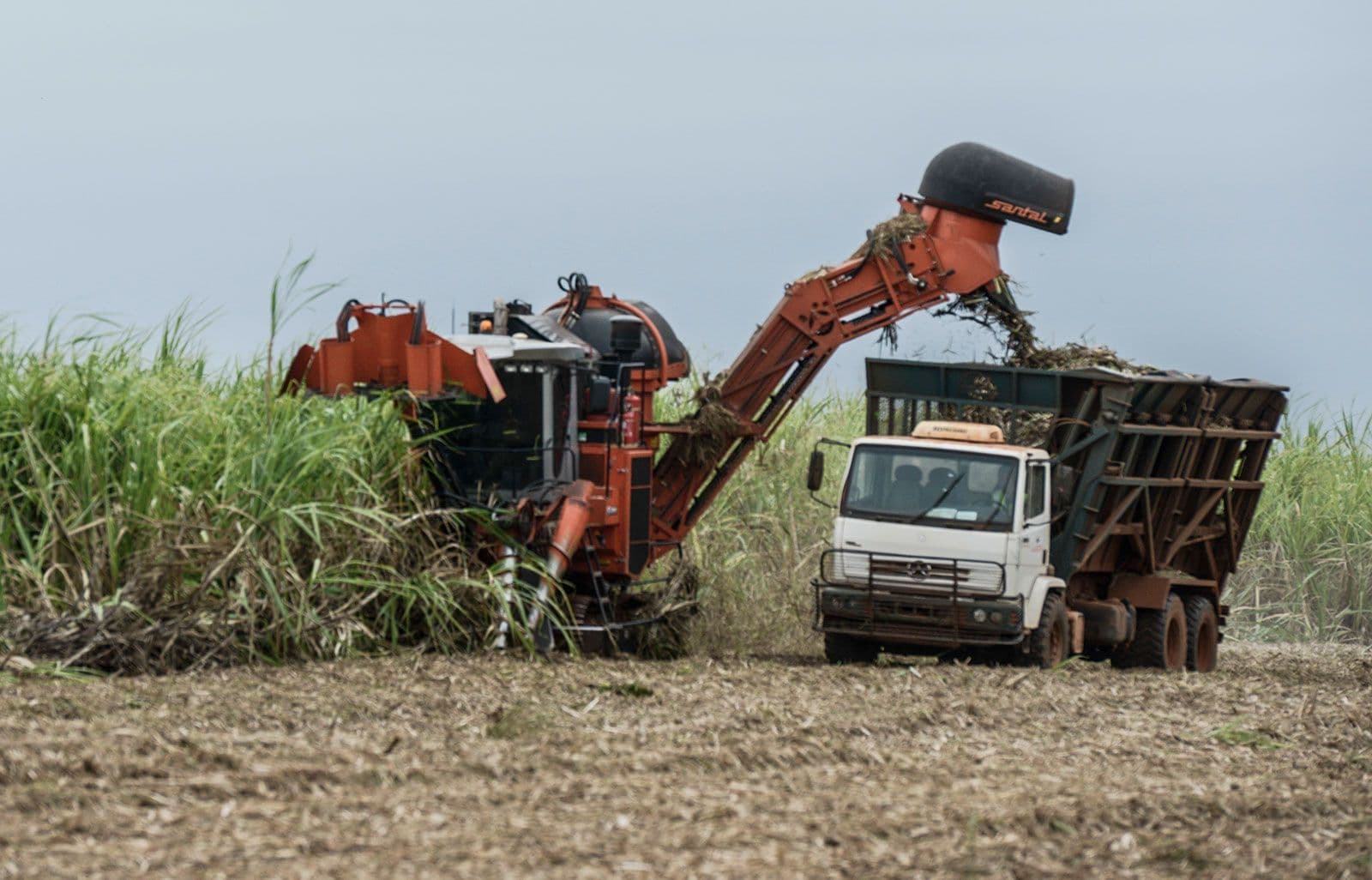
The most significant landmark in the town is OTISA, which holds the title of the oldest organic sugar mill in the world. This is an operational site, actively processing sugarcane using organic methods. That distinction matters in an industry often dominated by industrial monocultures. Adjacent to the mill is the Legado Organic Craft Distillery, a sister company that turns the byproducts of the process into craft spirits. The smell in the area is distinct: molasses, cane, and fermentation. This is a working industrial zone. Visitors can observe the process, which involves crushing cane, boiling juice, and centrifuging crystals. The sister distillery offers a different sensory experience, focusing on the alcohol yield from the same raw material. This combination of sugar production and craft distilling is unique to the region and anchors the town’s economic identity.
River Life & Historical Markers
The town is surrounded by the Manduvirá and Piribebuy rivers, with nearby streams including Yhaguy, Yhú, Capiatá, Hondo, and Tobatiry. Water is the primary feature of the landscape. At Estación Puerto Olivares, you can escape the noise of the main road and observe local wildlife. Kayaking on the Manduvirá and Paraguay rivers is a common activity here, offering a way to navigate the waterways that have shaped the settlement for centuries.
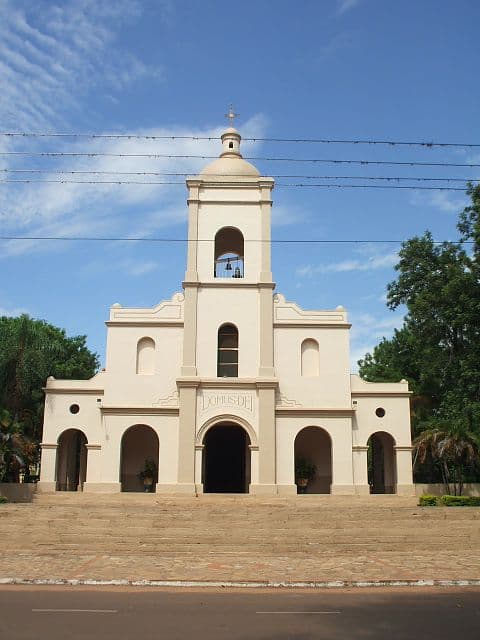
Historically, the area is marked by the Oratorio Olivares, a structure built by order of Carlos Antonio López at the confluence of the Manduvirá and Paraguay rivers. This oratory has been recently restored, preserving its architectural integrity. It stands as a reminder of the 19th-century political and religious influences that shaped the region. Nearby, the district church, Iglesia del distrito, features a tower built in the 1950s. This mid-century construction contrasts with the older oratory, creating a layered historical landscape. The church is a functional place of worship and a local landmark.
Food & Culture
Food in Arroyos y Esteros is rooted in rural Paraguayan tradition. The primary dish is asado, a grilled-meat barbecue found at local parrillas. The meat is typically beef, grilled over open coals, and served with simple sides. This is a communal, smoke-filled meal that reflects the agricultural nature of the region.
Equally important is the culture of yerba mate. Drinking mate is a social ritual that permeates daily life. The bitter infusion is shared from a gourd, often with friends or family, and serves as a way to slow down the pace of the day. This is a general local tradition in rural Paraguay that serves as a key part of the social fabric here. The combination of asado and mate defines the local culinary experience, offering a taste of the region’s rural lifestyle.

Getting There & Practical Details
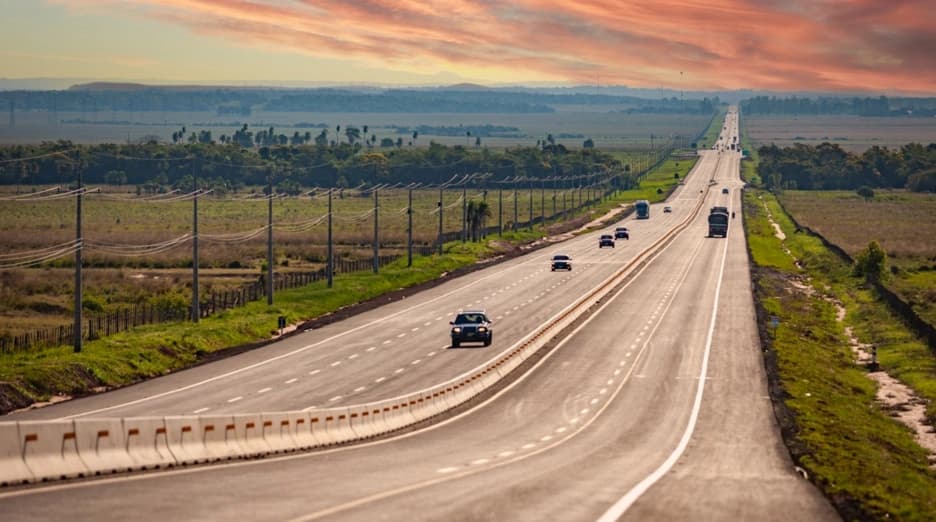
Arroyos y Esteros is located 76 kilometers in a straight line from Asunción, the capital. By road, the distance is approximately 69 kilometers, with a drive time of around 1 hour and 51 minutes. The route typically goes through Limpio, Mariano Roque Alonso, and Emboscada. There is no railway line or station serving the town, so driving or hiring a car is the primary mode of transport. Public bus services may exist, but they are not as frequent or reliable as in larger cities. If you are planning a visit, you should allow for the full drive time from Asunción, as the roads can be busy during peak hours.
Lodging options are limited. Hotel & Restaurant "Don Nenito" is a noted option in the town, providing basic accommodation and food. For more extensive stays, visitors may prefer to base themselves in Asunción and make day trips. The town itself is small, and facilities are geared towards locals and short-term visitors. Currency is the Paraguayan Guaraní, and ATMs are available in Asunción but may be scarce in the town.
When to Go
The best time to visit Arroyos y Esteros is during the dry season, which typically runs from May to August. During these months, the rivers are lower, making kayaking and other water activities easier. The weather is mild, and the landscape is less humid. However, if you are visiting for a specific event, note the following upcoming holidays:
- Caacupe Virgin Day (2026-12-08): This is a major religious holiday in Paraguay. While not specific to Arroyos y Esteros, it affects travel and accommodation availability nationwide. Prices for lodging and transport may rise, and roads can be congested as people travel to Caacupe.
- Christmas Day (2026-12-25): Expect high demand for lodging and food services. Many local businesses may close for the day, and the town will be busy with family gatherings.
- New Year's Day (2027-01-01): Similar to Christmas, this is a peak time for travel. Plan ahead for accommodation if you wish to stay in the region during this period.
For solo travelers or those interested in slow travel, the town offers a quiet, low-key experience. Families may enjoy the river activities and the historical sites. A visit of one to two days is sufficient to see the main attractions, including the OTISA mill, the oratory, and the church. If you are looking for a ski resort, look elsewhere. If you are looking for a place where sugar, river, and history intersect, Arroyos y Esteros is a specific, authentic destination in Paraguay.
FAQ
Is there a ski resort in Arroyos y Esteros? No. There are no ski or snowboard facilities in Arroyos y Esteros, Paraguay. The town is a warm-climate, lowland area with no snow or slopes.
How do I get to Arroyos y Esteros from Asunción? The most common way is by car. The drive is approximately 69 kilometers and takes about 1 hour and 51 minutes. There is no direct railway service to the town.
What is the best time of year to visit? The dry season, from May to August, is generally considered the best time to visit. The weather is mild, and the rivers are lower, making water activities more accessible.