Eat well, drink well, and skip the tourist traps in Arbizzano-Santa Maria. Here is how to navigate the Valpolicella heart without wasting your time.
The air in Arbizzano-Santa Maria smells of dried cherries and crushed gravel. It is a specific scent, thick with sugar and earth, hanging low over the valley floor in late autumn. You are here for the wine, yes, but mostly you are here for the food that accompanies it. This is a place for heavy linen napkins, ceramic bowls, and plates that arrive hot. The village sits in the Valpolicella zone, just north of Verona, and the rhythm of life is dictated by the harvest cycle. By November, the grapes are pressed, the lees are settling, and the cooks are focused on root vegetables and slow-braised meats. If you arrive expecting a quick stopover, you will miss the point. Stay two nights. Eat three times a day. Let the local rhythm dictate your pace.
The Kitchen Logic of the Valley
Food here is functional, hearty, and deeply rooted in the agricultural calendar. You will find that most restaurants operate on a simple premise: local produce, cooked simply, served generously. Do not expect foam or deconstructed plates. Expect texture. The pasta here is often hand-cut, rough enough to hold the sauce. The sauces are reduced for hours, not minutes. You can taste the time in the bowl.
In the main piazza area, look for the small trattorias tucked behind the church. The service is brisk. The owner knows exactly how many covers they can handle without compromising the heat of the dish. Order the risotto all’Amarone if it is on the menu. It is a regional staple, made with the local red wine, carnaroli rice, and a sharp aged cheese. The wine reduces into a dark, sweet glaze that coats the rice grains individually. The dish is dense. Pair it with a simple roasted pork chop, seasoned only with salt and rosemary. The fat renders into the rice. This combination costs around €12–€18 at most local spots, which is fair for the quality of ingredients. Avoid the places with laminated menus and plastic tablecloths. Go where the locals are already seated, eating quickly, and finishing their wine.
Navigating the Village on Foot
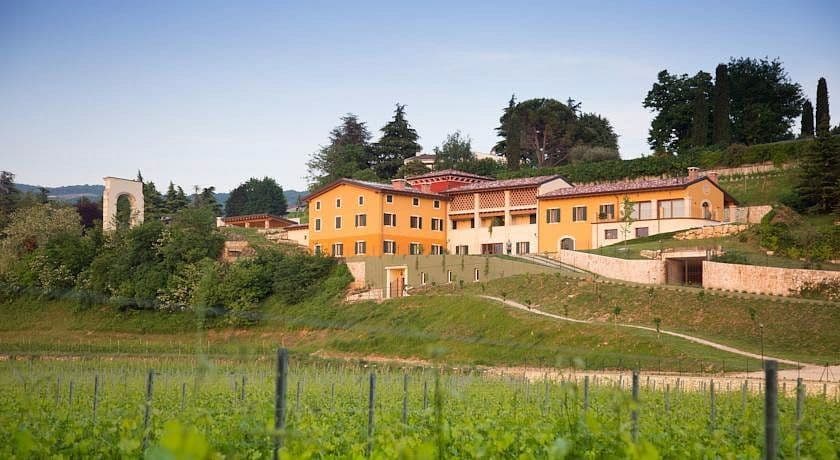
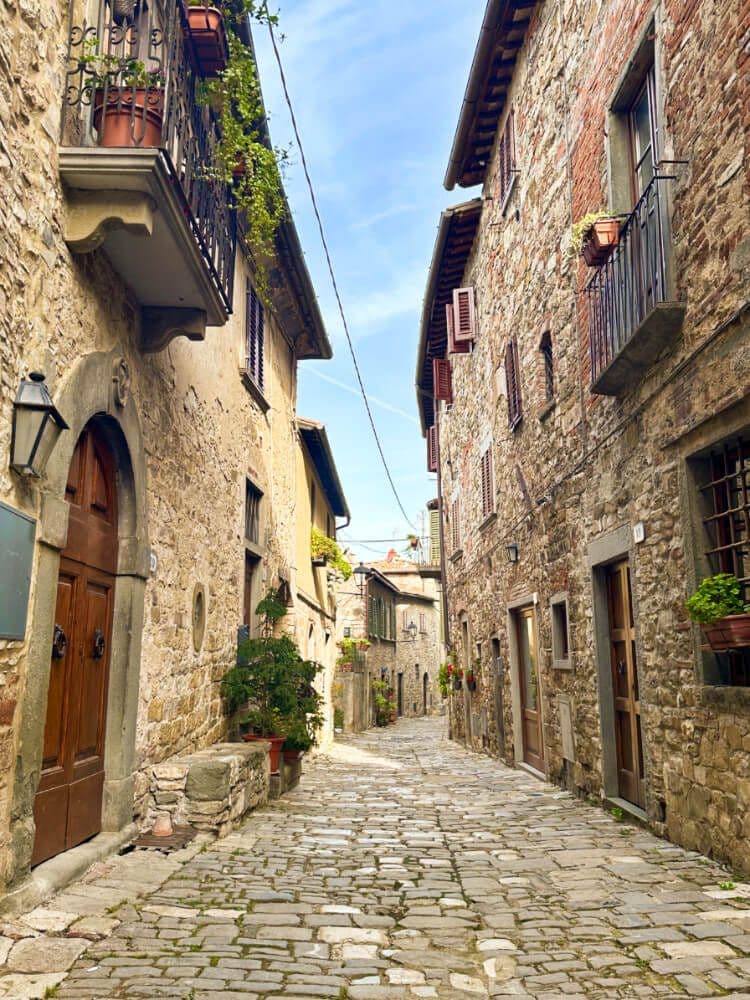
Arbizzano-Santa Maria is compact. You do not need a car to get around the immediate center, though a car helps for reaching the wineries on the hills. The village itself is a grid of narrow streets and stone buildings, designed to keep the wind out and the heat in during winter. Walking is the most efficient mode of transport. You will cross paths with delivery vans bringing crates of produce to the kitchens. Be ready to step aside. The streets are narrow, and the drivers do not slow down for pedestrians who hesitate.
If you need to move between the village and Verona, the local rail connection is reliable. Trains run frequently, taking about 20–30 minutes to reach the main Verona Porta Nuova station. Buy your ticket at the station machine or via the app before boarding. There is no time to fumble with change when the conductor is checking tickets. The train is basic, clean, and punctual. It is the best way to avoid the traffic on the A4 highway, which can be congested during holiday weekends. For local trips within the valley, the bus network is sparse. Check the timetable carefully. Missing the last bus can leave you stranded until morning, and taxis are not always immediately available.
Where to Eat and Drink
Specific names of restaurants change with ownership, but the quality tier remains consistent. Look for establishments with wooden tables and chalkboard specials. These places change their menu daily based on what arrived from the market that morning. In the Santa Maria area, the focus is often on hearty, comfort food. Try the bigoli, a thick, whole-wheat pasta traditional to the Veneto region, served with duck ragù or sardines. The duck ragù is slow-cooked until the meat falls apart, mixing with the wheaty pasta for a chewy, satisfying bite. The sardine version is sharper, with onions and pine nuts providing contrast.
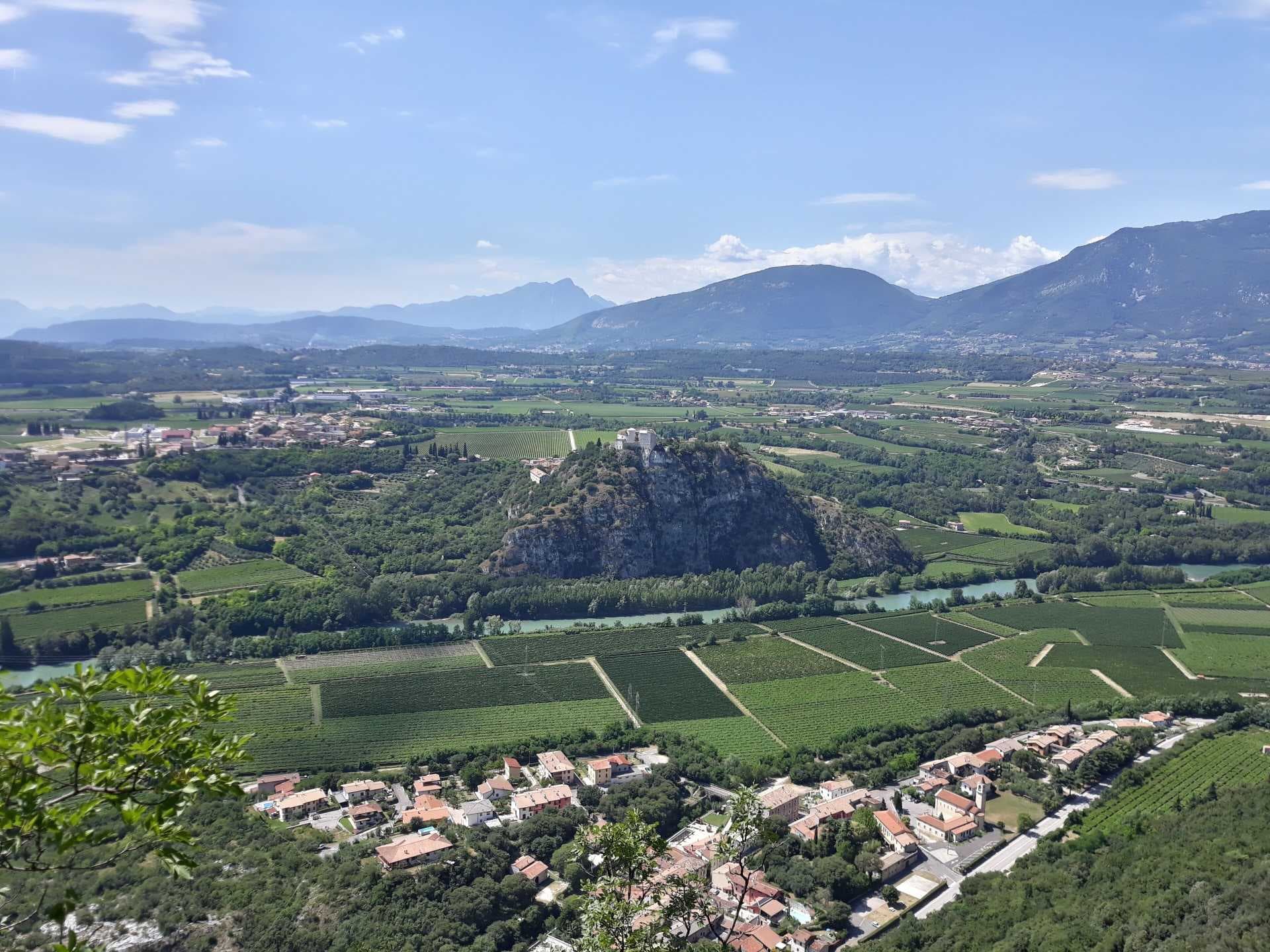
For wine tasting, most wineries in the immediate vicinity offer tastings by appointment. The tastings are usually accompanied by a small board of cured meats and cheeses. The meats are sliced thin, almost translucent, and the cheese is often a sharp Pecorino or a mild Monte Veronese. Do not rush the tasting. Let the wine sit on your palate. The Amarone here is bold, with notes of dried fruit and tobacco. It is a winter wine, designed to accompany heavy food. If you are in the village for lunch, ask for the house wine. It is usually decent, poured generously, and costs less than €5 a glass. Avoid the bottled water if you can. The tap water is clean and mineral-rich. Drink it. It cleanses the palate between bites.
Seasonal Timing and Holiday Crowds
Late autumn is ideal for visiting. The crowds have thinned after the summer harvest rush, but the weather is still mild enough for outdoor dining until early December. The light is softer, casting long shadows across the stone streets. This is the time when the wineries are busiest with bottling and blending, so the cellars are active. You can hear the hum of machinery and the clink of bottles from the tasting rooms.
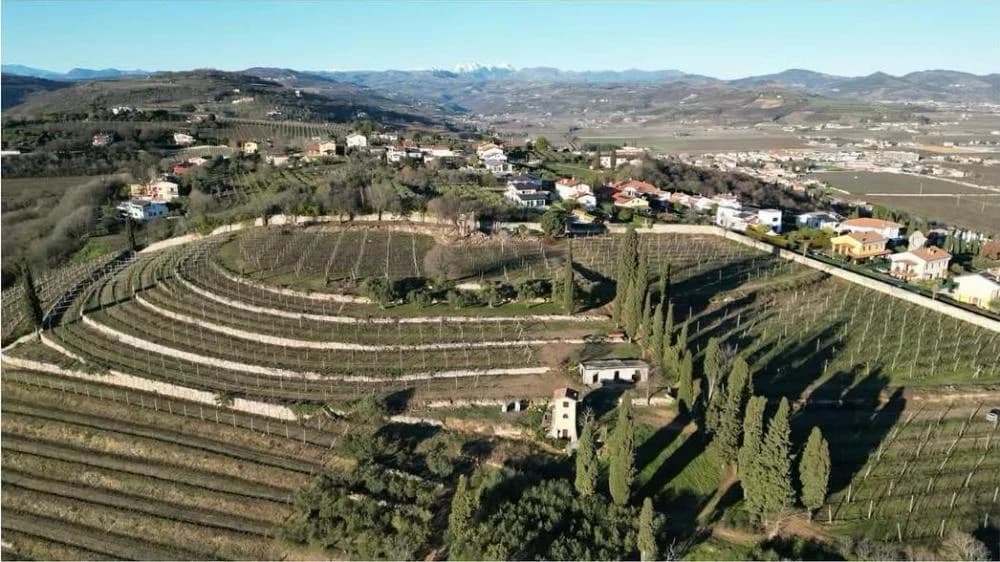
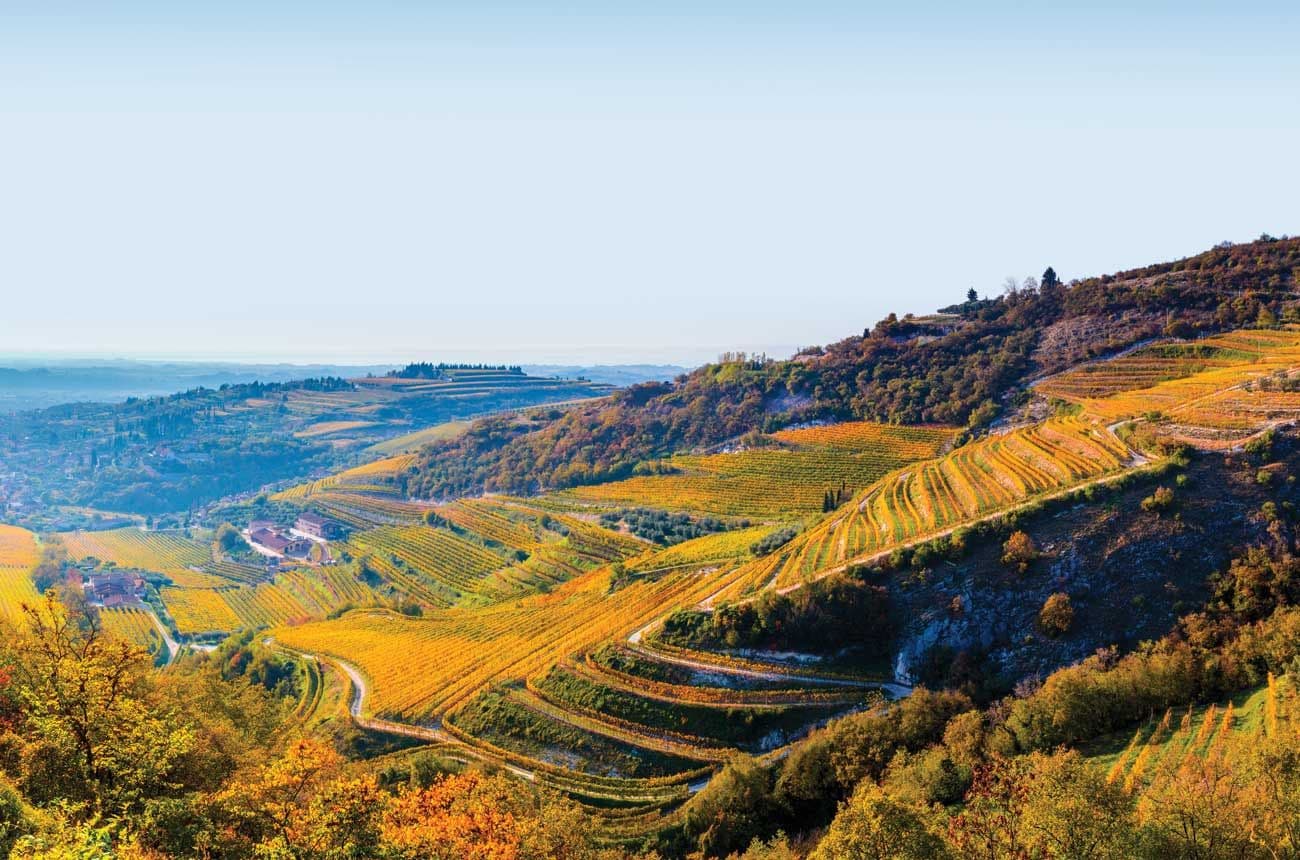
Be aware of the upcoming holiday schedule. December 8 marks the traditional start of the Christmas season culturally. Expect higher demand for accommodation and restaurants as families gather. Book your table at least a week in advance. The village fills up with visitors from Verona and nearby towns. Prices for lodging may surge by 20–30%. Natale (December 25) and Santo Stefano (December 26) are quieter, as many locals travel to their family homes. Restaurants may close for lunch on Natale, so check hours in advance. Capodanno (January 1) and Epifania (January 6) are also busy, with a focus on traditional sweets and family gatherings. If you prefer quiet, aim for mid-January or late February. The weather is colder, but the atmosphere is intimate. The vineyards are bare, and the landscape is stark, which has its own beauty.
Practical Tips for the Solo Traveler
Solo travel in Arbizzano-Santa Maria is easy. The locals are accustomed to individuals dining alone, especially in the early evening. Do not feel pressured to share a table. Sit at the bar if you want to watch the kitchen work. It is faster, and you get a better view of the chef’s technique. Bring cash. While most places accept cards, some smaller bakeries or market stalls prefer euros. Carry small bills. You will need exact change for the bus or the parking meter.
Pack layers. The temperature drops quickly after sunset. A wool sweater and a light jacket are sufficient. The wind can cut through the valley, so a scarf is useful. Wear comfortable shoes. The cobblestones are uneven, and you will walk more than you expect. If you are staying in a hotel, ask if they have a parking space. Street parking can be tight, especially near the center. Many hotels include parking in the room rate, which saves time and hassle. Check your booking confirmation for details. If you are driving from Verona, allow extra time for traffic on Friday evenings. The return traffic can be heavy as people head home for the weekend.
FAQ: Getting Around and Eating
Is it necessary to speak Italian? Basic Italian helps, but many service staff in the tourist areas speak enough English to take orders and give directions. Learning a few phrases like buongiorno (good day) and grazie (thank you) goes a long way. It shows respect and opens up conversation.
What is the best time to visit for food? Late autumn through early spring. This is when the harvest is complete, and the kitchens are focused on seasonal comfort food. The wines are fresh from the barrel, and the produce is at its peak for root vegetables and game. Summer can be hot, and the focus shifts to lighter salads and chilled whites.
How do I book a table? Call ahead. Many places do not accept online reservations. A phone call is direct and efficient. If you are staying at a hotel, ask the front desk to make the reservation for you. They often have relationships with local owners and can secure a good table.