Keep small Armenian drams handy in Spitak. Cards fail in rural spots, but coins buy you the best bread and quickest transit connections.
You step off the local rail at Spitak railway station, the metal clatter echoing off the platform walls, and your first instinct is to check your phone for a signal. Don’t. The most valuable tool in your pocket here is physical cash. The Armenian dram is the king of this corner of the country, and if you rely on digital wallets or credit cards, you will find yourself standing in the cold, hungry, and unable to pay for a simple bowl of soup. I have spent fifteen years working in kitchens from Naples to Bangkok, and the rule is simple: money moves faster when it is tangible. In Spitak, that tangible reality means carrying a mix of notes and coins that fit comfortably in a jacket pocket, ready for the vendor who doesn’t have change for a large bill.
The economy in this region runs on trust and speed. You are not in a capital city with endless ATMs on every corner. You are in a working town where the rhythm of the day is dictated by the market hours and the train schedules. When you walk into the local market area, you see the stack of paper notes on the counter. They are worn, soft from handling, smelling faintly of dried herbs and wool. Hand over the exact amount if you can. It shows respect. It shows you understand how the system works. If you hand over a large note for a small purchase, you might wait five minutes for the vendor to break it down. That is five minutes you could have spent eating a hot pastry while it is still crisp.
The Reality of Small Bills
Small denominations are your lifeline. In Spitak, the local market area is a hub of activity where transactions happen quickly. You buy dried fruits, nuts, and seasonal vegetables. The prices are reasonable, often ranging from a few hundred drams for a handful of dried apricots to perhaps two thousand drams for a substantial bundle of herbs. If you only have large bills, you become a nuisance. The vendor has to hunt for change, disrupting the flow for the next customer. This is basic kitchen logic: keep the station clean, keep the movement fluid. Carry enough small notes to cover a meal or a transit ticket without needing change. Typically, you want notes under five thousand drams readily available. Coins are equally important. They are heavy, metallic, and cold in autumn, but they are perfect for paying the small surcharges on local buses or buying a bottle of water.
The quality of the food you buy with these coins is often superior to what you find in tourist-heavy hubs. The dried apricots here are chewy, intense, and naturally sweet. The herbs smell of earth and rain. Paying directly in cash allows you to engage with the seller. You can point, ask, and negotiate slightly. It is a human interaction that apps cannot replicate. When you pay with cash, you are part of the local economy’s heartbeat. You feel the weight of the transaction. It is honest.
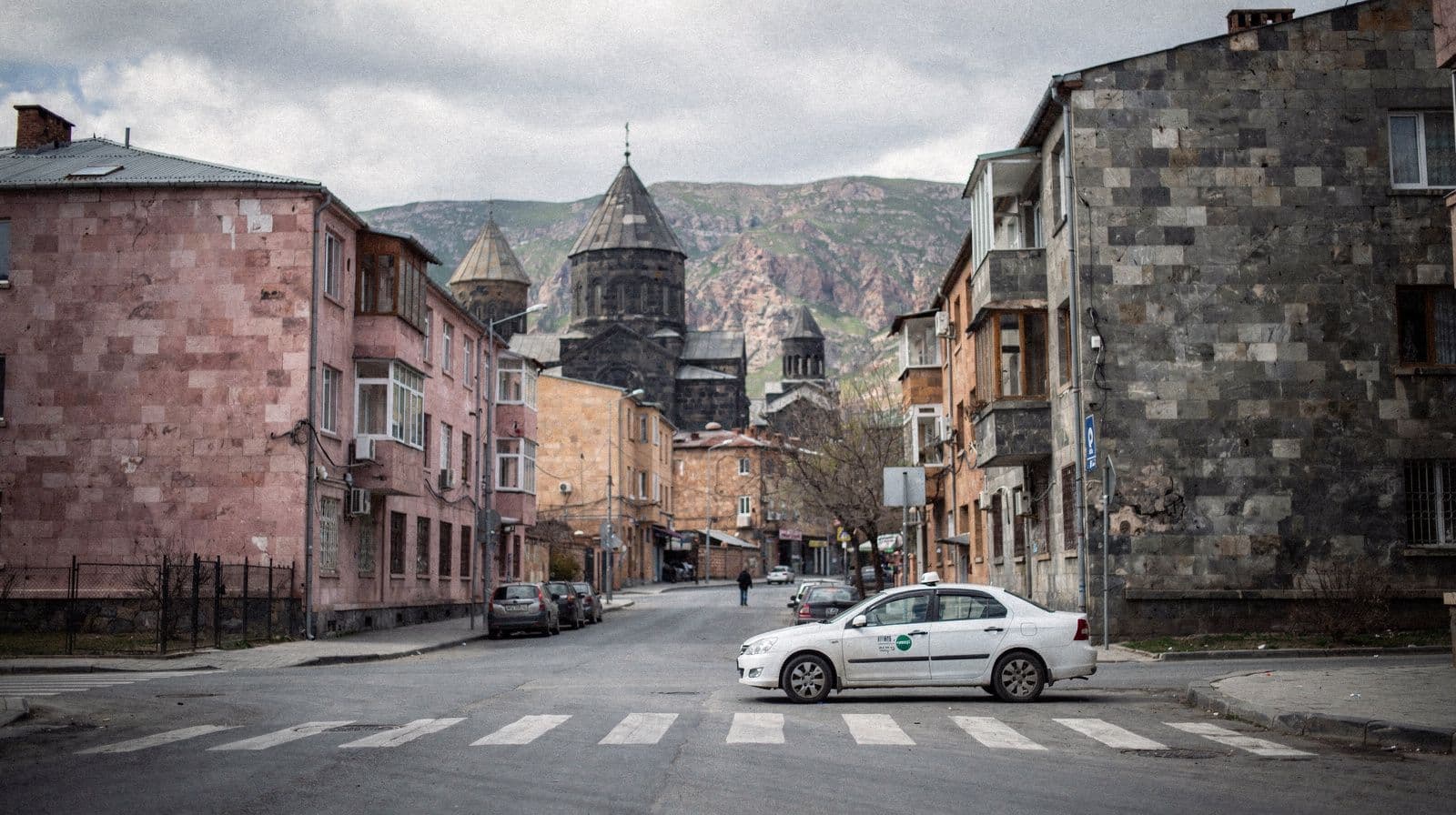
Transit and Ticketing
Getting around Spitak involves the local rail network. The station is a functional structure, concrete and steel, designed for efficiency rather than aesthetics. You will likely need to buy tickets for short hops to nearby towns or the regional hub of Gyumri. While some larger stations might accept cards, the smaller kiosks and ticket counters in Spitak often prefer cash. This reflects the reality of rural infrastructure. The ticket machine might be out of order, or the attendant might prefer the immediacy of cash settlement. Have your exact fare ready. A typical short-distance ticket might cost around 500 to 1,500 drams depending on the distance, but always check the posted schedule. The sound of the train arriving is distinct—a low rumble followed by the hiss of brakes. Having your cash ready means you can step onto the train quickly, securing a seat near the window to watch the landscape blur by.
If you miss the train, you are stuck. The next connection might be hours away. This is why preparation matters. Count your money before you leave your accommodation. Ensure you have enough for the ticket and a small buffer for unexpected delays. The autumn light in Spitak fades early, around 5:00 PM, so planning your transit for the afternoon ensures you are not stranded in the dark. The cold bites harder as the sun drops, making a warm meal at your destination a priority. Cash facilitates that speed.
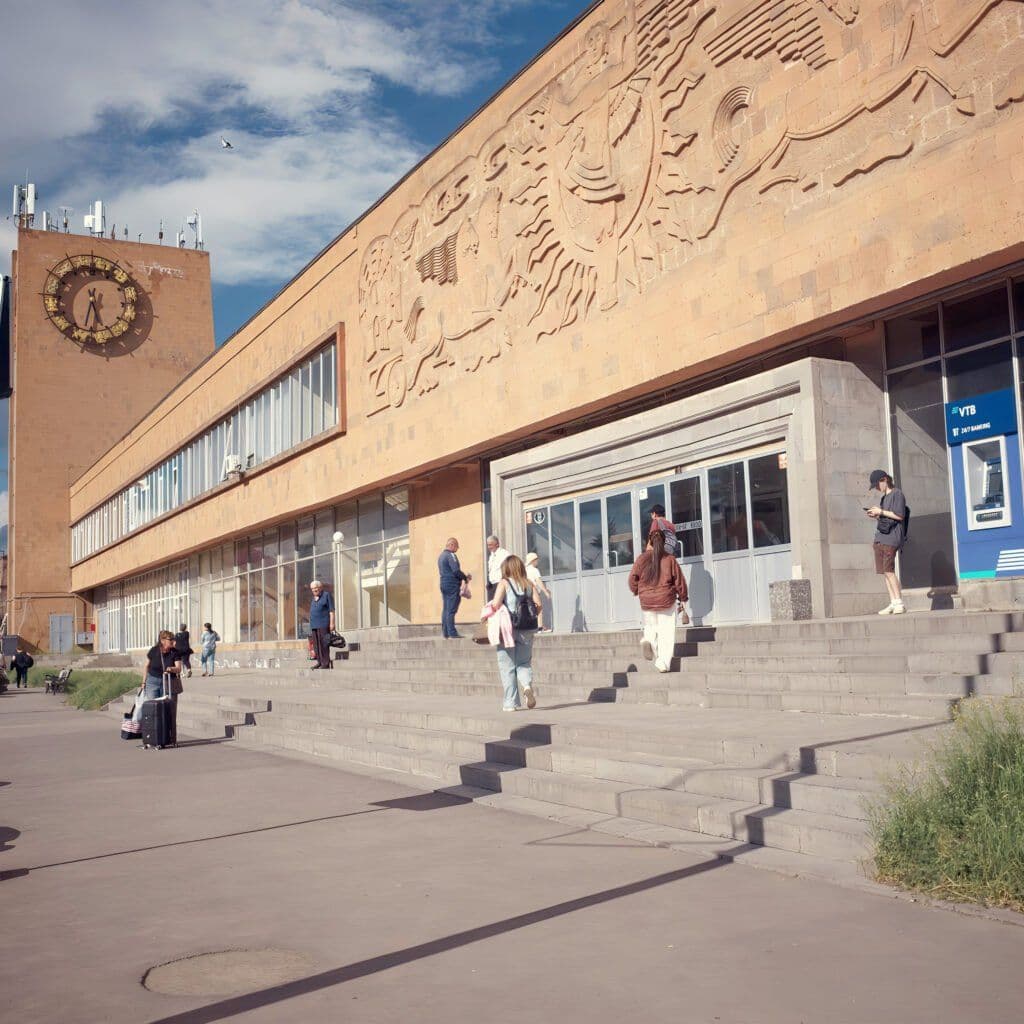
Eating on a Budget
Food is where your money goes farthest. In the local market area and the small cafes near the station, a hearty meal can cost between 1,500 and 3,000 drams. You get a bowl of lentil soup, thick and warm, with chunks of potato and carrot. The broth is savory, seasoned with cumin and dried mint. Next to it, fresh lavash bread, soft and slightly chewy, absorbs the soup perfectly. This is honest cooking. The chef does not plate with tweezers. He ladles the soup into a ceramic bowl, places the bread on a napkin, and serves it. The taste is robust, comforting, and exactly what you need after a day of travel.
Paying with cash ensures you get the best service. The cook sees you are serious, prepared, and respectful of their time. He might add an extra scoop of potatoes or a sprinkle of fresh herbs. These small gestures are the currency of hospitality. You cannot buy them with a contactless tap. You earn them with presence and preparation. The smell of baking bread from the nearby bakery mixes with the steam from the soup, creating an aroma that is instantly appetizing. Eat quickly. The food is best when hot.
Timing and Seasonality
Autumn in Spitak is crisp and clear. The air smells of woodsmoke and fallen leaves. This is the best time for travel because the crowds are thinner, and the prices are stable. However, holiday periods bring shifts. New Year’s Eve, December 31, 2026, will see increased demand. Accommodation prices may surge, and the local markets will be busier. Book your stay early if you plan to visit around this time. Expect higher rates and limited availability. The same applies to New Year’s Day, January 1, 2027. These are family times, and the town becomes lively. If you prefer quiet, aim for mid-January after the holidays. Local celebrations add to the bustle during peak periods. If you visit in early spring, look for the vibrant street activity that characterizes the town’s festive mornings.
For solo travelers and slow travelers, these holidays offer a chance to observe local traditions. Families might find the crowds manageable if they plan ahead. The key is to have cash ready during these busy periods. Lines move faster, and vendors are less inclined to wait for card processing. Prepare your wallet. Ensure you have enough small notes to handle the increased volume of transactions. The atmosphere is festive, with lights strung across the main streets and the sound of music drifting from cafes. It is a vibrant time to be in Spitak, provided you are prepared for the logistics.
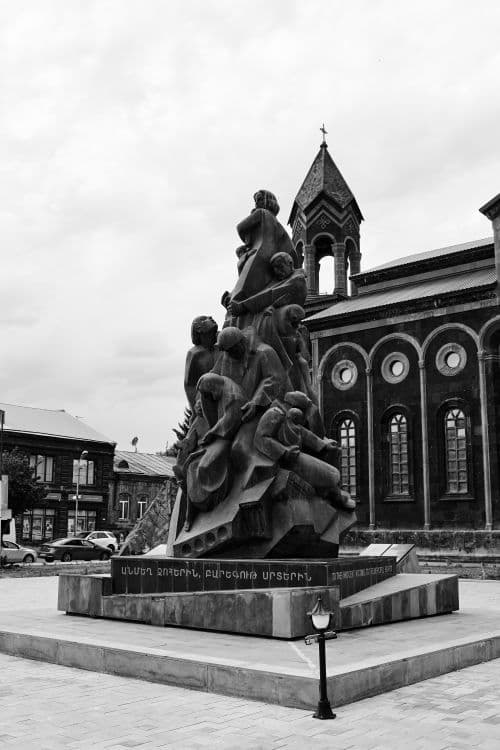
Final Practical Notes
Keep your cash organized. Separate large notes from small ones. Use a small wallet or coin purse. This prevents fumbling and speeds up transactions. In Spitak, efficiency is appreciated. You are a guest, but you are also a participant in the daily rhythm. Respect the pace. Buy fresh ingredients from the market. Eat at local spots. Pay promptly. The experience is richer when you are engaged directly with the people and the place. The Armenian dram is more than currency; it is a tool for connection. Use it wisely.
FAQ
Is it better to exchange currency in Spitak or Gyumri? Exchange larger amounts in Gyumri, the nearest major hub, where banks and exchange offices are more abundant. Spitak has fewer options, so bring enough cash from Gyumri to cover your stay.
Do local cafes accept credit cards? Most small cafes and market stalls prefer cash. While some larger establishments may accept cards, relying on cash ensures you can eat and travel without delays. Always carry small denominations.
How much cash should I carry daily? Around 5,000 to 10,000 Armenian drams is sufficient for daily meals and transit in Spitak. Keep extra in your accommodation for emergencies or larger purchases.