There are no boutique hotels in Potoru. Here is how to find the best available lodging in Sierra Leone’s interior without getting ripped off by "luxury" labels that don't exist here.
The Hard Truth About Potoru Lodging
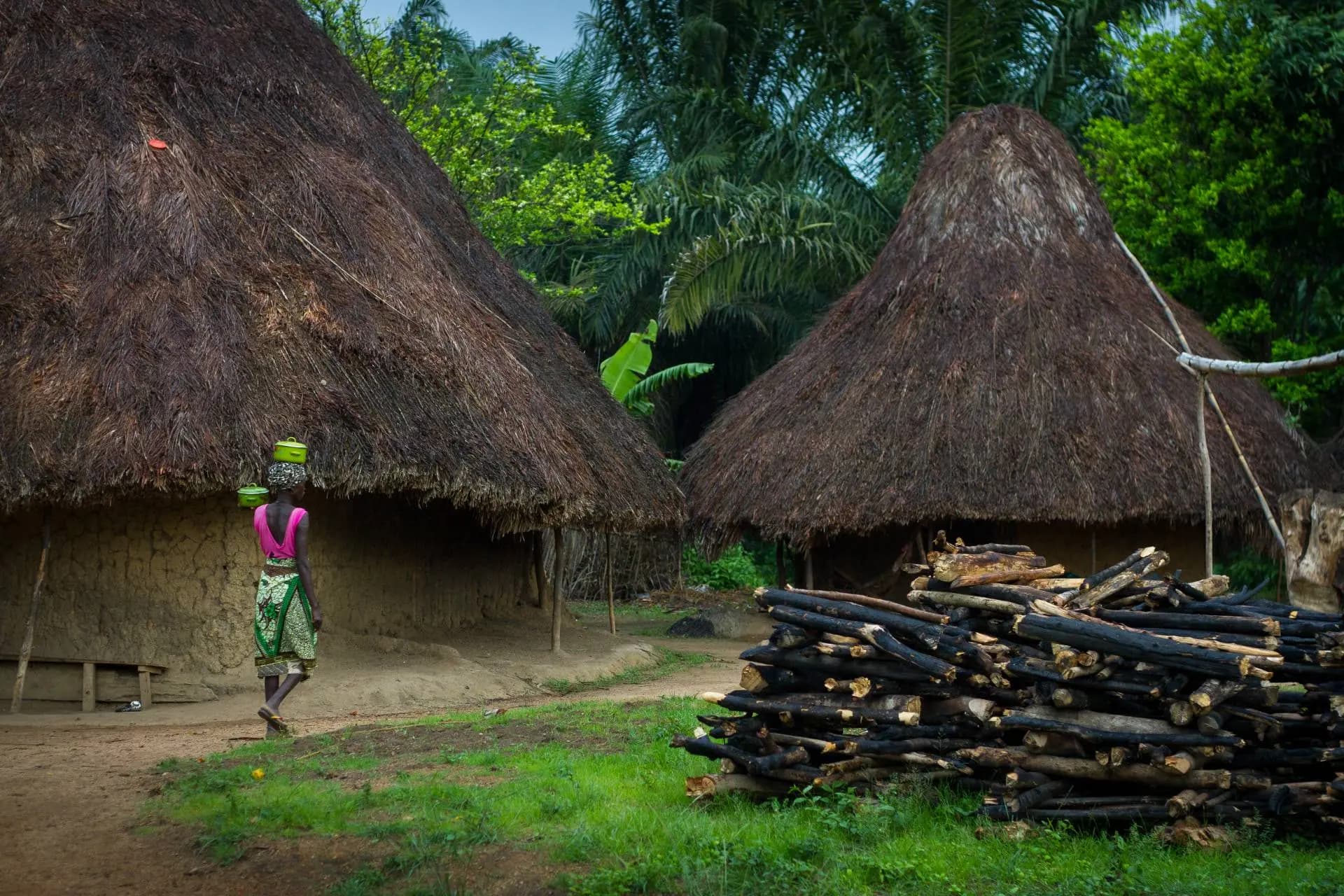
Let’s cut through the marketing fluff immediately. If you are searching for "boutique hotels in Potoru, Sierra Leone," you are likely looking at outdated listings or inflated expectations generated by algorithms that treat every town with a population over 500 as a potential luxury hub. Potoru is a small settlement in the Bombali District of Northern Sierra Leone. It does not have a dedicated inventory of boutique properties—those intimate, design-led, high-service accommodations you might find in Freetown or across West Africa’s established tourist corridors.
The term "boutique" implies curated aesthetics, personalized service, and distinct architectural character. In Potoru, the reality is functional guesthouses and basic guest rooms. The infrastructure here is built for local transit workers, traders moving goods between Makeni and the border regions, and NGO staff on short-term assignments. They prioritize reliability, security, and proximity to transport hubs over aesthetic curation. Expect concrete floors, ceiling fans (air conditioning is rare and often unreliable due to grid fluctuations), and shared bathrooms in many cases. This isn’t a criticism; it’s an efficiency feature. You pay for location and safety, not for thread counts or artisanal soaps.
If you are expecting the polished, Instagram-ready experience of a boutique stay, you will be disappointed unless you adjust your definition of comfort. In this region, "comfort" means a locked door, a mosquito net, and hot water if the generator is running. That is the baseline. Anything beyond that is a bonus, not a standard.
Where to Stay: The Regional Alternative
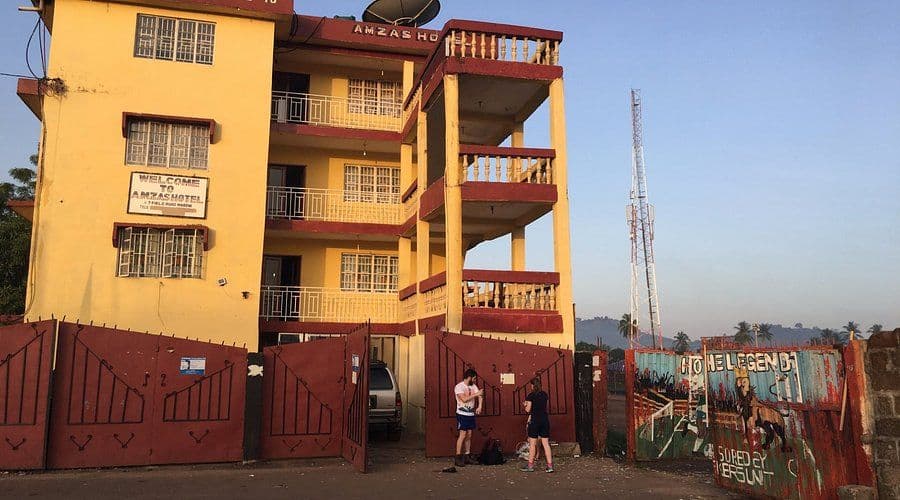
Since Potoru itself lacks specific named boutique entities confirmed in current travel data, your best strategy is to look slightly outward or accept the local standard. For most travelers, staying in Makeni, approximately 30–40 minutes away by road, offers better options. Makeni is the commercial capital of the Northern Province and hosts several mid-range hotels that offer a level of consistency closer to what international travelers expect from "boutique-lite" experiences.
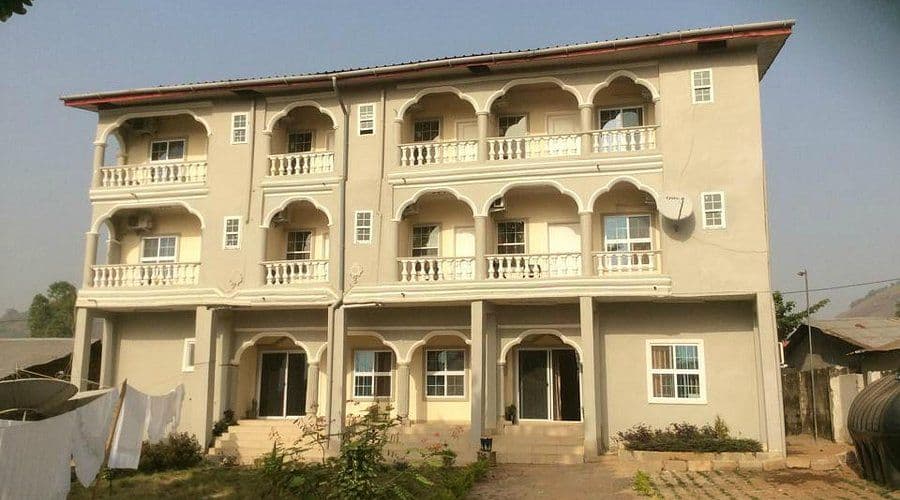
In Makeni, you can find properties that offer private en-suite bathrooms, consistent Wi-Fi (often via mobile data tethering rather than fixed-line fiber), and secure parking. These are not "boutique" in the European sense, but they are the closest approximation in the region. Prices typically range from $30 to $60 USD per night for a clean, secure room with breakfast included. Compare this to Potoru, where prices might drop to $15–$25 USD, but the trade-off is significant unpredictability regarding utilities and service standards.
If you must stay in Potoru, look for guesthouses attached to local businesses or churches. These often provide the most reliable access to power and water because they are integrated into community infrastructure networks. Ask locally for recommendations rather than relying on online booking platforms, which frequently list non-existent amenities for rural Sierra Leonean towns. The person selling groundnuts near the main junction knows who has a working shower better than any aggregator site.
Practical Logistics: Money, Power, and Connectivity
Power cuts are the defining logistical challenge in Potoru. Grid electricity is intermittent. Most establishments rely on diesel generators, which usually run only in the evenings (6 PM to 10 PM). Plan your charging needs accordingly. Bring a universal adapter and a power bank. Do not assume you can charge a laptop during the day unless you see a generator humming outside.
Connectivity is dominated by mobile money and airtime. Cash is still king for small transactions, but ATMs are scarce. Ensure you have sufficient Sierra Leonean Leones (SLL) in cash before leaving Makeni or Freetown. Exchange rates fluctuate; use official banks or authorized bureaus, not street vendors, to avoid scams. Mobile network coverage (Orange and Africell) is generally good in Potoru, but data speeds vary. Download offline maps and translation tools before you arrive.
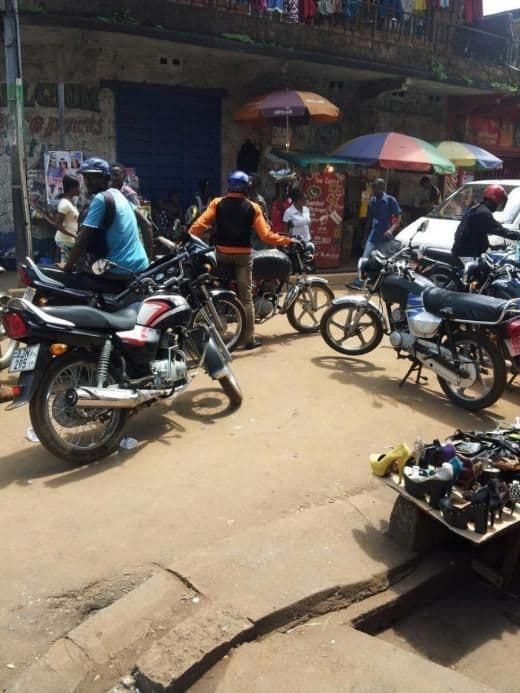
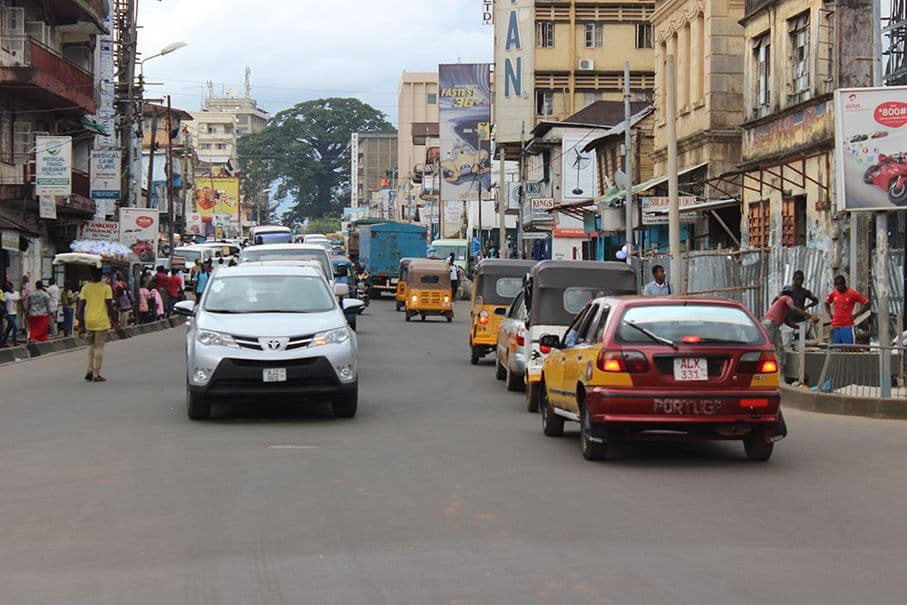
Transportation within Potoru is primarily by foot or okada (motorbike taxi). Agree on fares before boarding. A short ride might cost around 5,000–10,000 SLL depending on distance and fuel prices. Negotiate firmly but politely. Drivers are accustomed to tourists paying too much; stating a fair local price upfront establishes respect.
Cultural Context and Etiquette
Sierra Leoneans are famously hospitable, but social norms are distinct. Greetings are essential. Skipping a greeting is considered rude. Always say "How do you do?" or the local equivalent before launching into business or questions. Dress modestly, especially in rural areas like Potoru. Shoulders and knees covered shows respect for conservative community values.
Food is communal and central to social interaction. If invited to eat, accept. Refusing can be seen as rejecting hospitality. Local staples include cassava leaf stew, rice, and fried plantains. These dishes are hearty and flavorful, reflecting the agricultural backbone of the region. Spice levels are moderate but distinct from Western palates; start small if you are sensitive to heat.
Language barriers are minimal if you speak English, which is the official language. However, Krio is the lingua franca. Learning a few phrases ("A dey fine" – I am fine/things are going well) builds immediate rapport. Locals appreciate the effort, and it often leads to better service and insider tips on where to find the best food or safest routes.
When to Go and Who It’s For
Potoru has two seasons: dry (November to April) and rainy (May to October). Travel in the dry season for easier road conditions and lower malaria risk. The rainy season turns dirt roads into mud pits, making transport unreliable and slow. If you visit now, in late November, you are entering the dry season. Temperatures are warm but manageable, and humidity drops compared to the monsoon months.
This destination is for resilient travelers, aid workers, researchers, and those interested in post-conflict development narratives. It is not for leisure seekers wanting beachside lounging or nightlife. Solo female travelers should exercise caution and preferably stay in verified guesthouses with security. Families may find the lack of pediatric medical facilities and limited dining options challenging.
There are no major holidays on record for the next six months that would significantly impact lodging availability or pricing in Potoru. This makes planning straightforward: book directly with the property manager if possible, confirm payment methods, and verify current power arrangements.
FAQ
Is there reliable internet in Potoru? Yes, via mobile data (Orange/Africell), but speeds are inconsistent. Fixed broadband is virtually non-existent. Rely on 4G/LTE coverage, which is generally stable in town centers.
Do I need a visa specifically for Potoru? No, you need a standard Sierra Leone visa. Potoru is a domestic destination. Visa policies apply nationally. Check current requirements with the Sierra Leone Immigration Department before departure, as rules change.
Is it safe to walk alone at night? Generally, yes, in populated areas, but stick to lit streets. Avoid isolated paths after dark. Crime rates are low, but opportunistic theft can occur. Confidence and awareness are your best defenses.