You don't dive in Gitarama. You drive two hours to Lake Kivu. Here’s the honest logistics, gear advice, and why the "ocean" vibe is a marketing myth.
The Geographic Hard Truth
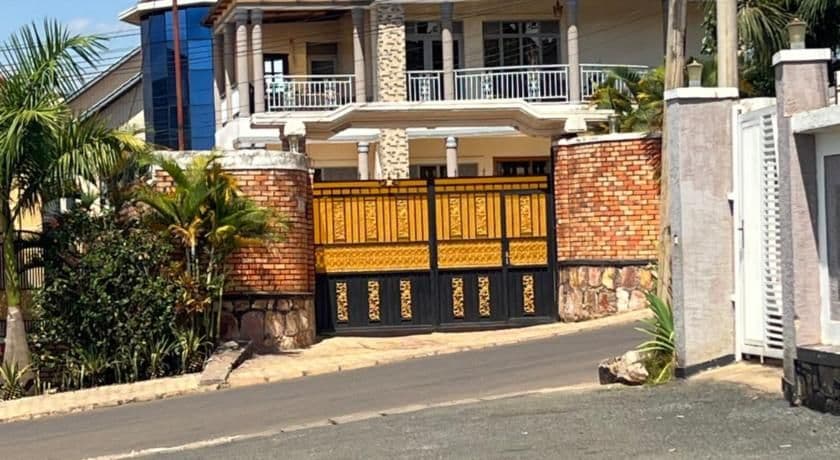
Let’s cut through the brochure fluff immediately. Gitarama (officially Muhanga, serving as the capital of Rwanda’s Southern Province, though locals and maps still use the old name) is an inland city. It sits at an elevation of roughly 1,700 meters. There is no sea here. There are no coral reefs within walking distance. If you are booking a hotel in central Gitarama expecting to step out onto a beach for a snorkel session, you are going to be disappointed.
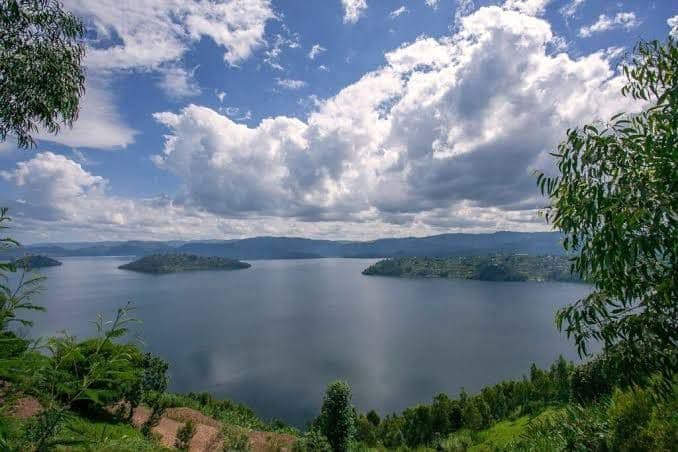
The water activity that matters in this region happens on Lake Kivu, one of Africa’s Great Lakes. But Lake Kivu is not right next door. The nearest major access points for diving and serious snorkeling are on the western shore, primarily around Rubavu (formerly Gisenyi) or Kibuye. From Gitarama, you are looking at a transit time of two to three hours by road. This isn’t a quick dip; it’s a day trip or an overnight relocation.
The lake itself is unique. It is stratified, meaning the deep water contains high concentrations of dissolved methane and carbon dioxide. While dangerous if disturbed massively, for surface-level recreational diving and snorkeling, it is safe and remarkably clear. The visibility can reach up to 20 meters in the dry season. That is better than many tropical ocean spots I’ve dived in Southeast Asia, but the ecosystem is entirely freshwater. You won’t see clownfish. You will see cichlids, which are colorful, territorial, and surprisingly interactive if you move slowly.
Where the Water Action Actually Happens
Since there are no confirmed dive operators within Gitarama proper, you need to base yourself strategically. Most travelers use Gitarama as a transit hub between Kigali and the national parks (like Volcanoes National Park). If you want water time, you must shift your itinerary westward.
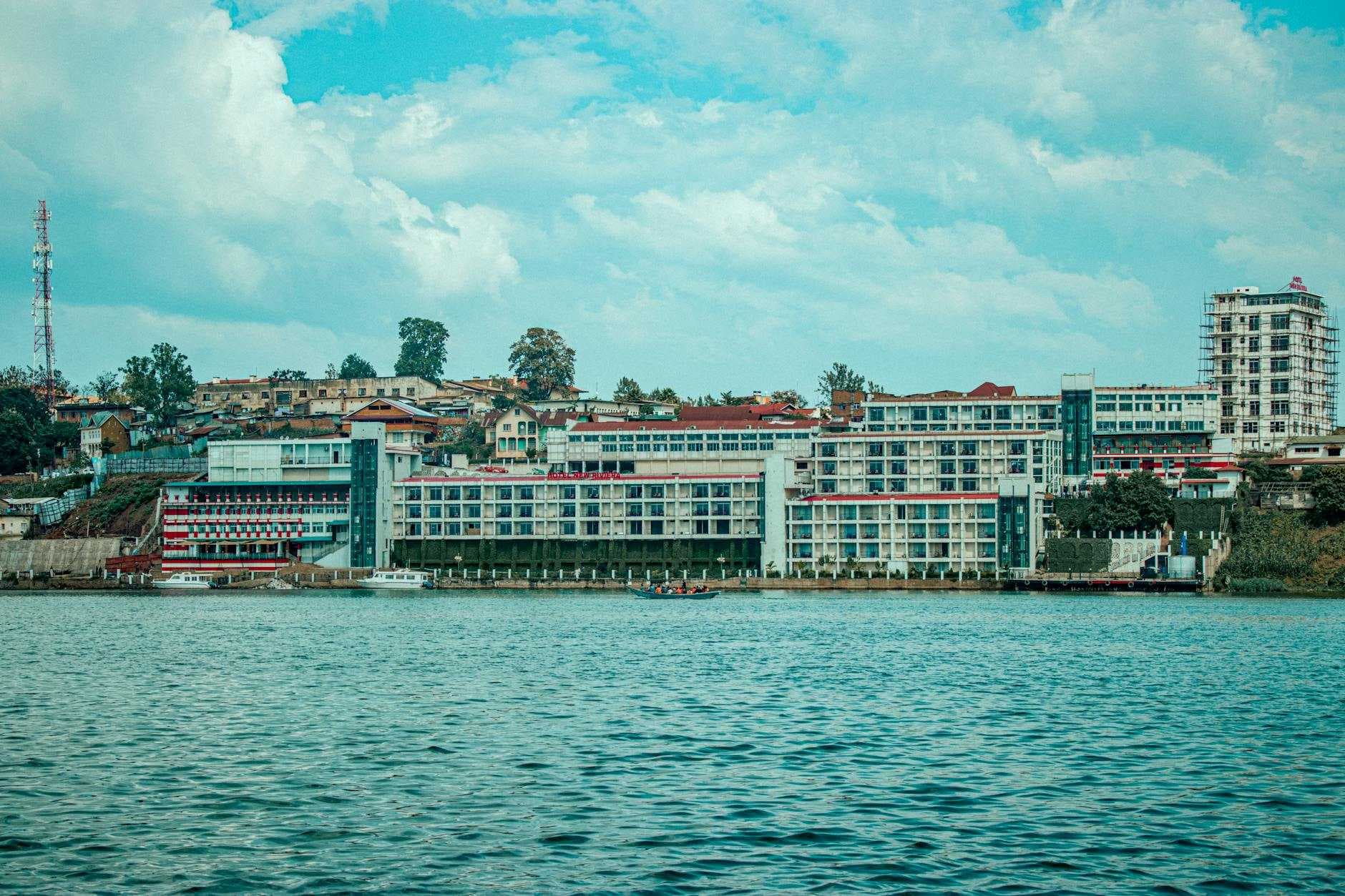
Rubavu (Gisenyi) is the most developed waterfront area. It has a promenade, hotels with direct lake access, and several established dive centers. The bottom terrain here is largely sandy with some rocky outcrops near the shoreline. It’s ideal for beginners who want to practice buoyancy without fighting strong currents. The water temperature hovers between 24°C and 26°C year-round, so a 3mm wetsuit is sufficient. You don’t need heavy thermal protection, but a rash guard is recommended to protect against sunburn and minor abrasions from rocks.
Kibuye offers a more rugged experience. The underwater topography is steeper, dropping off quickly into deeper zones. This is where you go if you have advanced certification and want to explore drop-offs. The clarity here is often superior because the water is less churned up by boat traffic compared to Rubavu. However, the facilities are sparser. You might find fewer rental options and more reliance on bringing your own regulator and BCD.
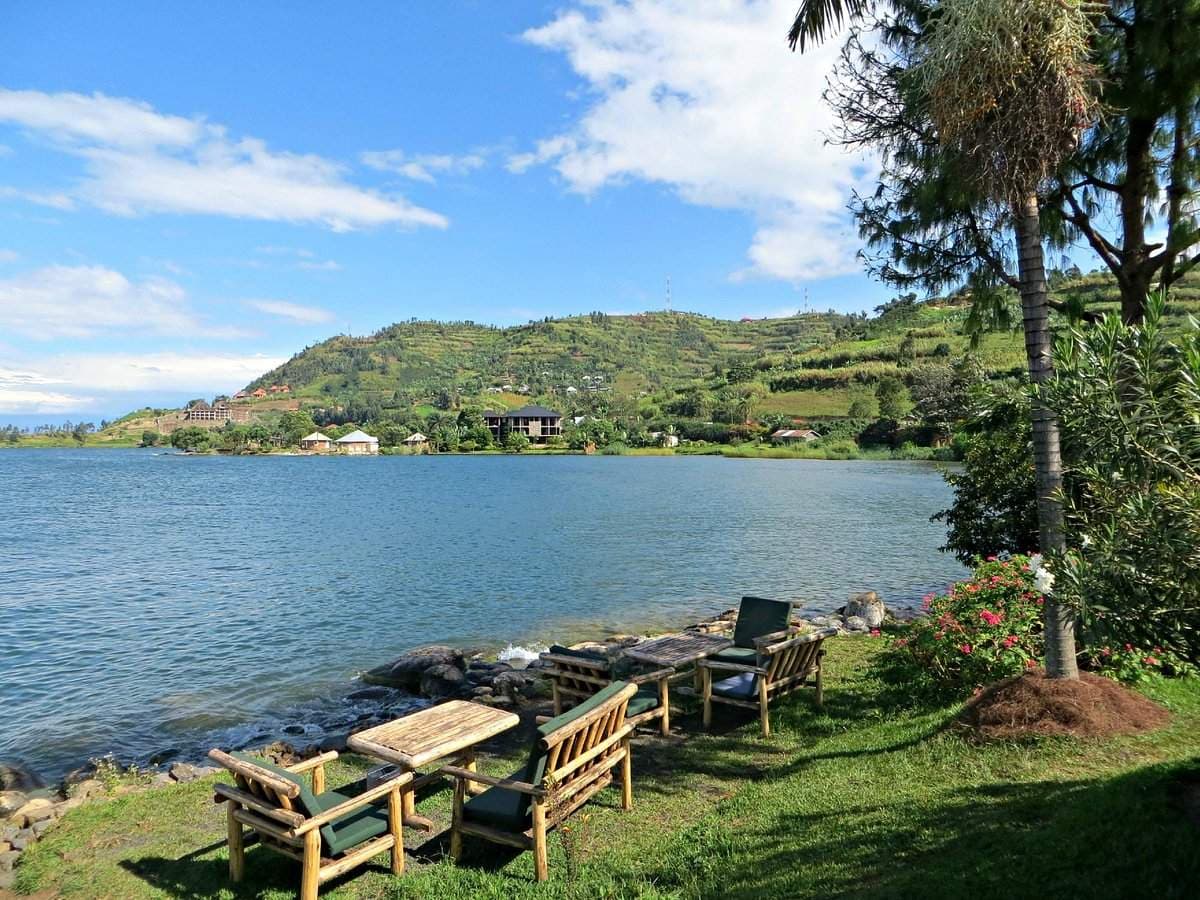
Snorkeling is accessible almost anywhere along the lake shore, but quality varies wildly. Avoid the immediate vicinity of fishing villages where nets and debris create clutter. Look for designated swimming areas managed by local lodges. These zones are typically cleared of hazards and offer clearer water. The fish life is dense near submerged structures like old tree roots or artificial reefs created by lodge owners.
Logistics and Gear Realities
Transport from Gitarama to the lake requires planning. Public transport exists—minibuses run frequently between major towns—but they are cramped and do not accommodate large dive bags easily. If you are carrying scuba gear, you are better off hiring a private driver or using a ride-hailing app if available in the specific zone. The roads are generally paved and well-maintained, but expect delays due to police checkpoints and livestock crossings. Budget for fuel and potential tolls if renting a car.
Gear rental is inconsistent outside of major hubs like Rubavu. In smaller towns, you may find masks and fins, but regulators and tanks are scarce. I recommend bringing your own mask and snorkel for hygiene reasons. For scuba divers, verify tank availability before you leave Gitarama. Nitrox is rarely available; assume air fills only.
The cost structure is different from coastal destinations. Dive packages are often priced per dive rather than per day. Expect to pay around $50–$80 USD per guided dive, depending on the operator and group size. Snorkeling tours are cheaper, often bundled with boat rides for $20–$30 USD. Cash is king. While larger hotels accept cards, smaller operators and roadside vendors require Rwandan Francs (RWF). Exchange rates fluctuate, so check current rates upon arrival in Kigali before heading inland.
Cultural Context and Etiquette
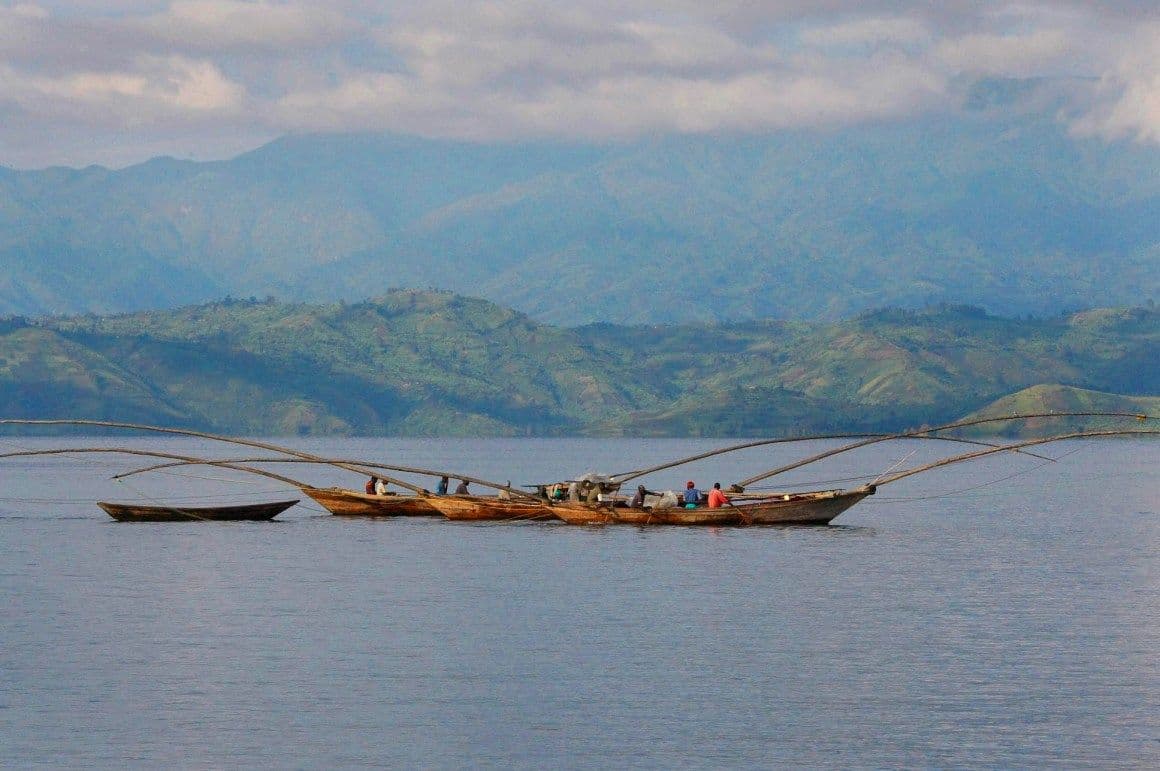
Lake Kivu serves as a vital livelihood source for thousands of fishermen alongside its role as a recreational playground. When you are snorkeling or diving, respect the boundaries set by local communities. Do not swim into active fishing zones marked by buoys or ropes. It is rude and potentially dangerous. The fishermen are generally friendly, but they work hard. A nod or a simple greeting in Kinyarwanda goes a long way. Learn to say "Muraho" (hello) and "Murakoze" (thank you). It breaks the ice faster than any tip.
Sun exposure is intense at this altitude. The UV index is significantly higher than at sea level. Even on cloudy days, you can burn quickly. Wear reef-safe sunscreen—chemical sunscreens pollute the freshwater ecosystem. Hats and sunglasses are non-negotiable when you are topside. Hydration is critical. The dry air at 1,700 meters dehydrates you faster than you realize, which exacerbates fatigue during physical activity. Drink water constantly, even if you don’t feel thirsty.
Timing Your Trip
There are no specific holidays listed in the next six months that will drastically alter travel conditions, which is good news for flexibility. However, weather patterns matter. The long rainy season (February to May) brings heavy downpours that can reduce visibility and make road travel slower. The short rains (September to November) are milder but still present risks.
The best window for diving and snorkeling is the dry season: June to September and December to January. During these months, rainfall is minimal, river runoff decreases, and water clarity peaks. The air temperature is cooler, making the hike from the water back to your vehicle comfortable. August tends to be the busiest month due to international school holidays, so book accommodations in Rubavu or Kibuye well in advance if you plan to visit then.
For solo travelers, this is a low-risk destination. Crime rates are low, and the population is helpful. Families will appreciate the calm waters of the lake, provided children are supervised near drop-offs. Slow travelers should consider staying in Kibuye for a few nights to combine diving with hiking the nearby Congo-Nile Trail.
FAQ
Can I dive in Gitarama city center? No. Gitarama is inland. You must travel to Lake Kivu, approximately 2–3 hours away by road, to access diving and snorkeling sites.
Is Lake Kivu safe for swimming and diving? Yes, for surface activities. The lake is safe for recreational diving and snorkeling. Deep-water scientific dives require special precautions due to gas saturation, but standard recreational depths are fine.
Do I need a visa for Rwanda? Most visitors can obtain a visa on arrival or apply online prior to travel. Check the official Directorate General of Immigration and Emigration website for current fees and requirements based on your nationality.