Fly into Okahao or bus in from Windhoek. Fuel up at the Total station. Meet the community. This is work, not a holiday package.
The Reality of the Base
You are not coming here for the skyline. You are coming here because the work happens in the dirt. Ongandjera is a tribal settlement area in northern Namibia, and the practical hub for any business itinerary is Okahao, the largest town in the region. If you are flying, you are likely using the local airstrip in Okahao. If you are driving or busing, you are aiming for the same place. The distinction matters because "Ongandjera" is the community, but Okahao is where the fuel pumps, the phone signals, and the main roads intersect.
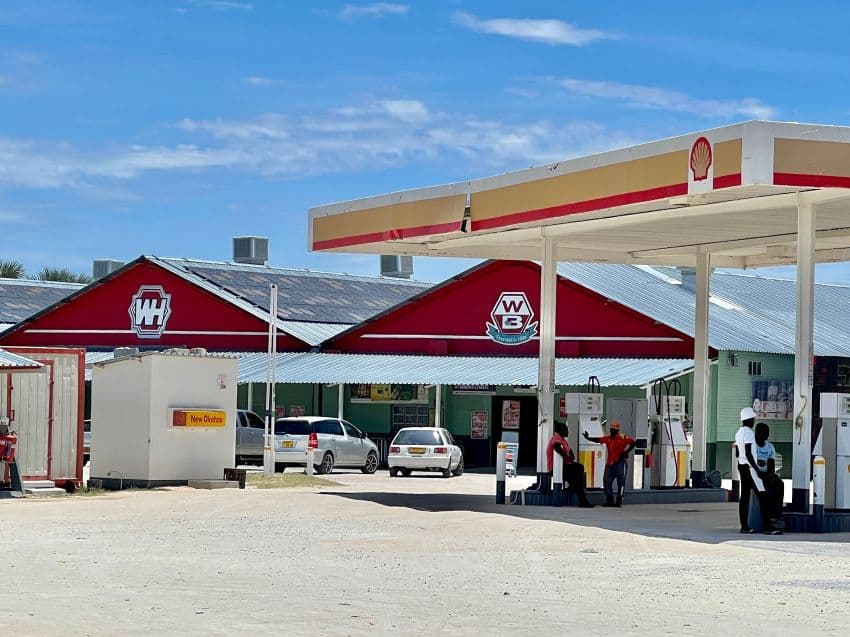
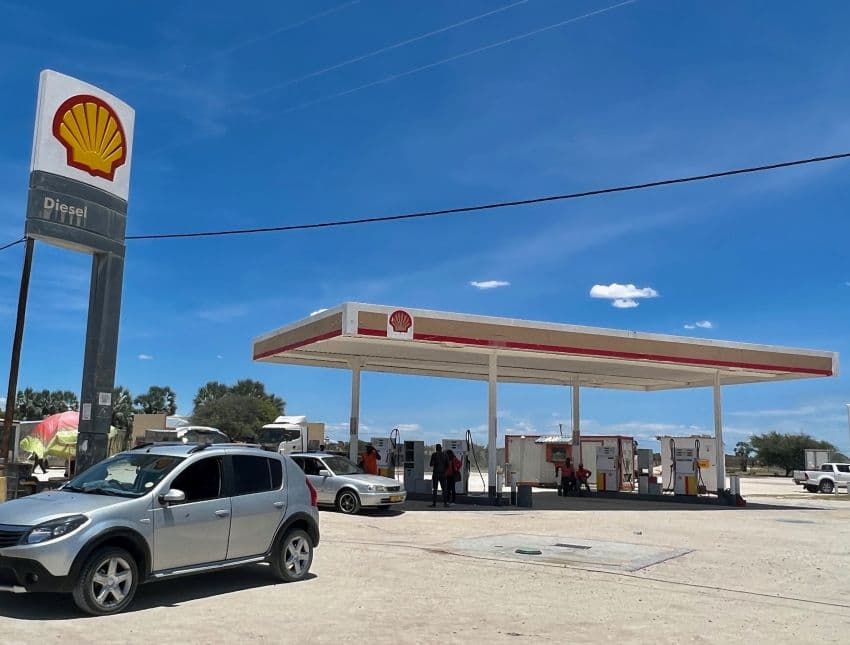
The population here is small, roughly 2,700 people. That number changes everything about your logistics. There is no lobby to wait in. There is no concierge to call. When you need a service, you go to the person who provides it. The Total Ongandjera Service Station in Okahao is your anchor point. It is where you fill the tank, check your tires, and ask the local people where the meeting actually is. The phone number is 065 252 117. Save it. In a place this remote, that number is more useful than a business card.
Getting There Without Losing Your Mind
The most common mistake business travelers make is underestimating the distance. Windhoek, the capital, is the nearest major city, but it is not close. The bus ride from Windhoek to Okahao takes about 7 hours and 37 minutes. The cost is roughly $22 to $26. Yes, that is cheaper than a coffee in some European capitals. But the time is the real cost. You are looking at a full day of transit if you choose the ground route.
If you have the budget, flying into the Okahao airstrip saves you those seven hours. The flight is short, but the logistics of getting to the airport in Windhoek still require planning. There is no rail line serving Ongandjera or Okahao that you can rely on for a business schedule. The road is the only consistent artery. If your meeting is in the early morning, you are staying the night before in Windhoek or arriving in Okahao the day prior. Do not try to bus in the morning of a 9 AM meeting. You will be late. You will be tired. And you will smell like a bus.
Where to Stay
Accommodation in Okahao is limited. You are not choosing between five-star resorts and boutique hotels. You are choosing between what is available and what is not. Most travelers stay in the basic guesthouses or lodges that serve the Okahao region. Prices vary, but expect to pay in the range of $50 to $100 per night for a clean, functional room.
The differentiator is the proximity to the service station and the main road. If your room is five minutes from the Total station, you are set. If it is twenty minutes away, you are adding friction to your day. Ask the receptionist for the walk-in time for the local shops. Ask them where the cleanest water is. In Ongandjera, the hotel staff are your intelligence network. They know who is in town, who is not, and where the power might cut out.
The Work Culture
Business in Ongandjera is conducted in community spaces, in the shade of a tree, or in the back of a vehicle. The cultural context is rooted in the history of the area. Okahao is the birthplace of Sam Nujoma, Namibia's first president. This is a living part of the community's identity. When you are here, you are in a place that shaped the nation.
Respect this. Do not treat the community as a backdrop for your meeting. Engage with the people. The remembrance events for the founding president are a sign of the deep cultural pride here. If your visit coincides with a local gathering, observe first. Understand the rhythm. Then participate. The business deal is secondary to the relationship. In a place this small, word travels fast. If you are rude, everyone knows by lunch. If you are respectful, you will be welcomed into the inner circle of the town.
Practical Details for the Road
Money is cash. Credit cards are not accepted at the service station or the local shops. Withdraw cash in Windhoek before you leave. The amount you need depends on your length of stay, but budget for small transactions. A meal might cost you $5 to $10. A taxi in Okahao might be $2 to $5. Keep small notes.
Timing is everything. The climate is harsh. October is the hottest month, with average temperatures hitting 35°C. July is the coolest, but still around 11°C. Right now, in autumn, you are in a transitional period. The heat is still significant, but the days are getting shorter. Plan your outdoor meetings for the early morning or late afternoon. Midday is for indoor work or rest. The sun is unforgiving here. Wear light clothing, but bring a jacket for the evenings.
When to Go and Who It Is For
The best time to visit for business is the dry season, from May to September. The roads are in better condition, and the heat is manageable. Avoid the peak of summer if you can, unless your work is urgent. The holidays are sparse. Christmas Day (2026-12-25) and Family Day (2026-12-26) will see the community gathered for celebration. If you are traveling during this time, expect a slower pace and a more festive atmosphere. New Year's Day (2027-01-01) is similar. Independence Day (2027-03-21) is a major national holiday, so expect local closures and public events.
Families looking for a theme park will find this place lacking. Solo travelers who want to party until dawn will find the quiet suffocating. This destination is for the serious traveler. The one who wants to understand the ground they are standing on. Stay for at least two nights. One night is not enough to settle into the rhythm. Three nights is ideal. You will leave with a different perspective on what business means in this part of the world.
FAQ
Do I need a visa for Namibia? Most travelers from Europe and the US can enter Namibia without a visa for short stays. Check the specific requirements for your passport before you fly.
Is it safe to travel alone in Okahao? Yes, but stay aware of your surroundings. The town is small and quiet. Stick to the main roads at night. Use the service station as a safe haven if you feel unsure.
What currency do I use? The Namibian Dollar (NAD) is the local currency. It is pegged to the South African Rand, so Rands are also widely accepted. Bring cash.