Plan a scenic Satakunta loop around Eura’s 1420s parish, 630 km² of lakes, and quiet autumn light.
The gravel shoulders of the Satakunta countryside narrow as you approach Eura, where the road passes a cluster of dark wooden buildings and the spire of Eura Church rises above the tree line. This municipality in Western Finland covers 630.20 square kilometers, with 51.33 square kilometers of that area being water, creating a landscape defined by lakes, forests, and winding shorelines rather than dense urban grids. For travelers seeking a road trip focused on pace and place, Eura offers a central cluster of 6,587 residents and a parish community of roughly 9,300 members, providing a scale that feels intimate rather than overwhelming. The town’s status as a listed nationally significant built cultural environment means the architecture and surrounding landscape are preserved with a level of care that is increasingly rare in modern European rural planning.
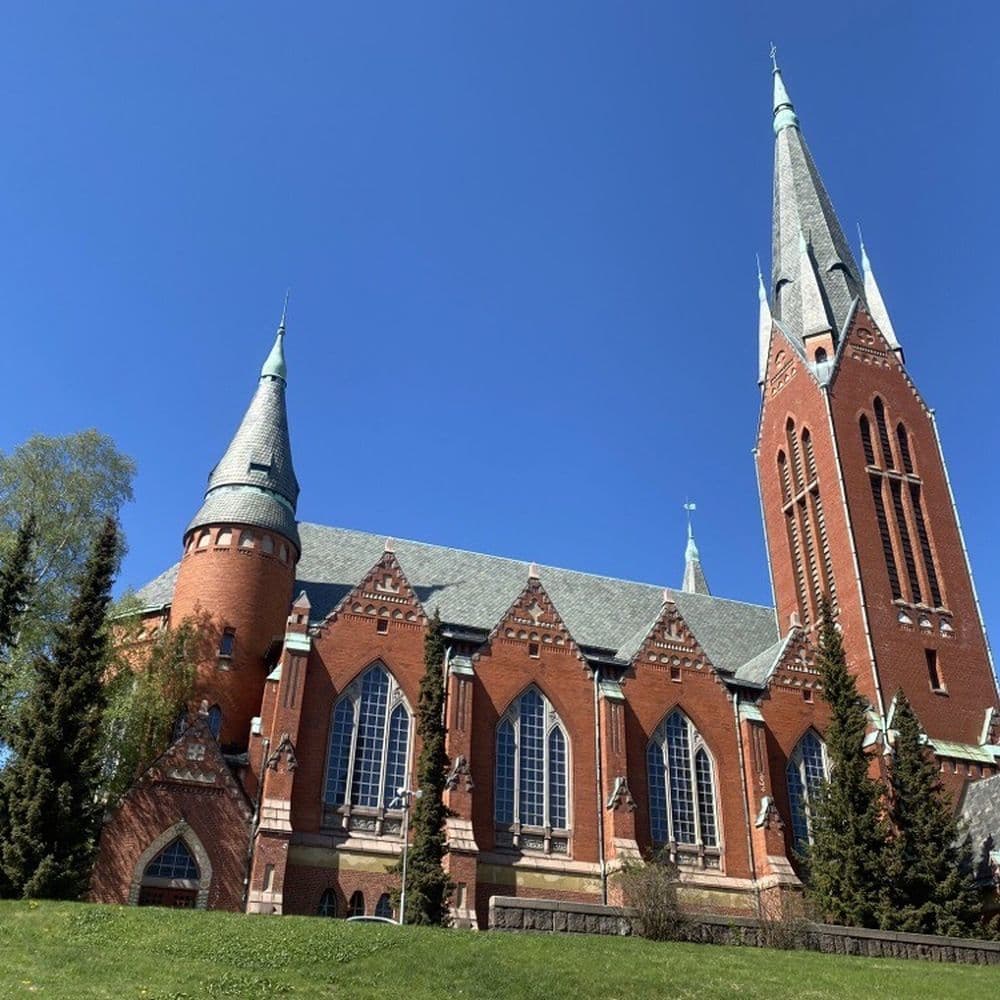
The Core of the Drive: Eura Church and Parish
The anchor of any route through this part of Finland is Eura Church, known locally as Euran kirkko or Eura kyrka. It stands as a designated part of Finland’s nationally significant built cultural environments, a classification issued by the National Board of Antiquities (Museovirasto). This designation signals that the church and its immediate surroundings possess historical and aesthetic value that extends beyond the local community. The structure serves as the spiritual and administrative heart of Eura Parish, an Evangelical-Lutheran congregation that has operated independently since the 1420s.
Visiting the church in autumn offers a stark contrast between the warm interior wood tones and the cooling, grey light outside. The parish is part of the Archdiocese of Turku and the Nedre Satakunta deanery, linking it to a broader network of religious and historical sites in the region. For the road tripper, the church acts as a natural midpoint. You can park nearby, walk the perimeter to observe the architectural details that have survived centuries of Nordic weather, and then continue into the surrounding forests. The independence of the parish since the 15th century means that local records and traditions have a deep continuity, offering a sense of stability that resonates with travelers looking for something grounded.
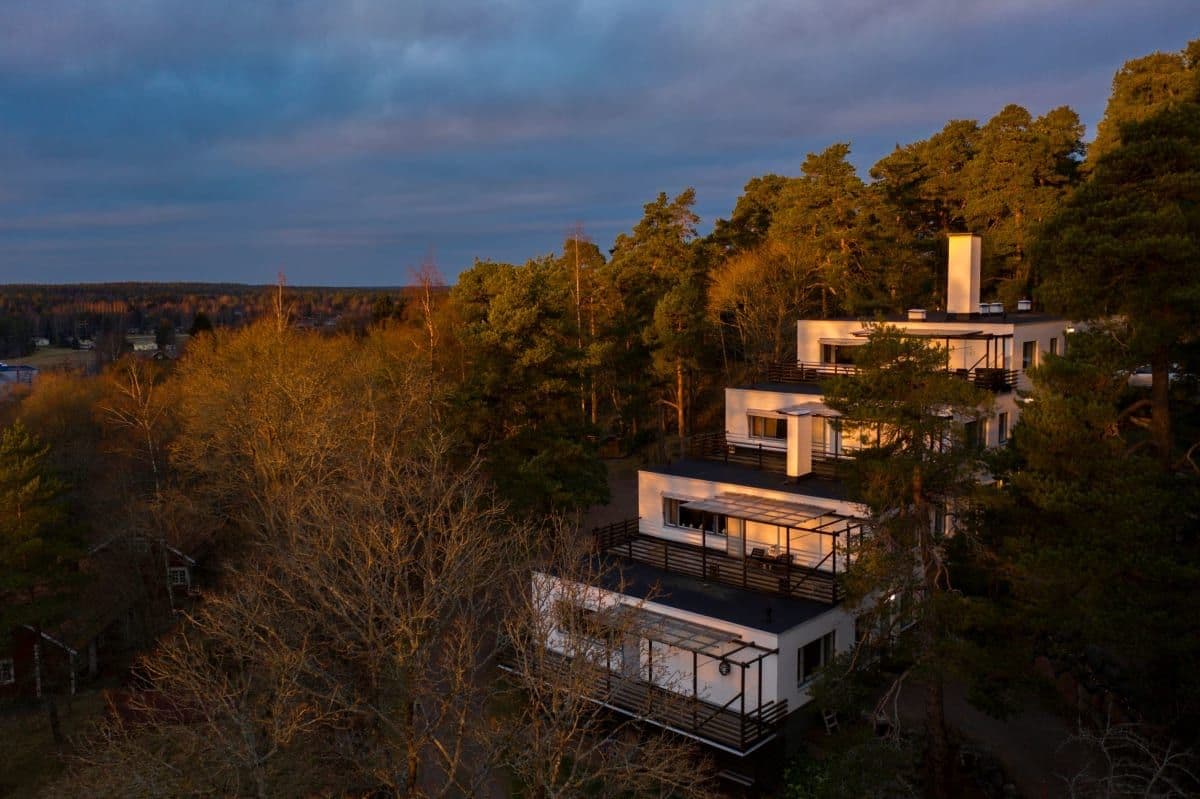
Navigating the Water and Forest Landscape
Eura’s geography is its primary attraction. With over 51 square kilometers of water, the municipality is a patchwork of lakes and waterways that break up the forest canopy. A road trip here is less about speed and more about navigation. The roads are typically two-lane, often unpaved in the more remote sections, requiring a vehicle suitable for gravel and potential snow or slush depending on the exact timing of your visit. The central cluster, home to the majority of the population, provides the necessary services, but the appeal lies in the stretches of road that lead away from it.
As you drive, the landscape shifts from open fields to dense pine and birch forests. In autumn, the changing colors of the deciduous trees provide a visual rhythm that is easy to appreciate from the driver’s seat or a pulled-over viewpoint. The water bodies define the local ecology and culture. While specific fishing or boating regulations may vary by season, the presence of so much water suggests a lifestyle deeply connected to the natural environment. The drive allows you to observe this connection, with small cottages and farms dotted along the shorelines, many of which appear to have been in use for generations.
Practical Planning for the Route
When planning a road trip through Eura, it is essential to manage expectations regarding connectivity. Verified sources did not confirm specific railway lines or station names serving Eura, so the car remains the primary mode of transport. The nearest major cities in the Satakunta and Western Finland region, such as Turku and Tampere, are plausible starting points, but journey times and fares should be verified with local transit operators or map services before departure.
Fuel stations and basic amenities are concentrated in the central cluster. Once you leave this area, services become sparse. It is advisable to fill your tank and carry water and snacks before venturing into the more remote sections of the municipality. The population of 11,005 across 630 square kilometers means that you are unlikely to encounter crowded tourist infrastructure. This is a place for self-sufficiency. Check your vehicle’s condition, as the combination of gravel roads and potential autumn weather can be demanding. There are no confirmed specific museums or parks listed in the verified brief, so the experience is derived from the landscape and the architecture itself rather than curated indoor exhibits.
Local Culture and Seasonal Timing
The cultural fabric of Eura is woven through its parish and municipal identity. The Evangelical-Lutheran faith has been a constant for centuries, influencing local customs and community life. While no specific local dishes were confirmed in the research brief, the region of Satakunta is known for its agricultural heritage, and local markets or farms in the central cluster may offer seasonal produce. Visitors should be prepared for a quiet, reserved atmosphere. Interactions are likely to be polite but brief, reflecting the general social norms of rural Finland.
Timing your visit is crucial for the road trip experience. Autumn, particularly late September through October, offers the most dramatic light and foliage. The days are shorter, which adds to the cozy, introspective mood of the drive. If you are traveling in the coming months, be aware of upcoming holidays that may affect availability and pricing. All Saints' Day on October 31, 2026, is approximately three weeks away from the current date. This period often sees increased domestic travel within Finland, so booking any accommodations in the central cluster should be done early to avoid higher demand.
When to Go and Who It Is For
The best time to road trip Eura is during the shoulder seasons of late spring (May–June) and autumn (September–October). These periods offer stable weather and the most photogenic landscapes. Summer can be very warm, while winter brings snow and darkness, which requires a different set of skills and equipment. For the upcoming period, the lead-up to All Saints' Day in late October is a viable window, provided you book lodging in advance. The Christmas period, including Independence Day on December 6, 2026, and the Christmas holidays from December 24–26, will see the highest domestic travel demand. Prices for accommodation will likely surge, and the quiet, empty roads of the off-season will be replaced by families returning home.
This destination is best suited for solo travelers, couples, or small groups who prefer slow travel over packed itineraries. It is not a destination for those seeking nightlife or dense urban entertainment. Instead, it appeals to those who find value in history, nature, and the simplicity of a well-maintained rural landscape. A stay of two to three days is sufficient to explore the central cluster, visit the church, and drive the surrounding lake roads. The lack of a confirmed rail connection means the car is indispensable, making this a true road trip rather than a public transport excursion.
Frequently Asked Questions
Is Eura accessible by public transport from major cities? Verified sources did not confirm specific railway lines or station names serving the town. A private vehicle is the most reliable option for a comfortable and flexible visit. If a car is unavailable, check current bus schedules from nearby hubs, though expect limited frequency.
What is the best time of year to visit for a road trip? Autumn, specifically September and October, offers the best balance of weather and scenery. The foliage changes provide visual interest, and the crowds are thinner than in summer. If visiting in late October, note that All Saints' Day (October 31) may increase local activity and accommodation demand.
Are there specific food specialties in Eura? No specific local dishes were confirmed in the verified research for Eura. However, as part of the Satakunta region, you can expect general Finnish rural cuisine. Look for local farms or small eateries in the central cluster for fresh produce and traditional meals, but do not expect a dedicated fine-dining scene.