Plan your trip to Kangani, Comoros with honest guidance on medical preparedness, local realities, and what to pack before you land.
The nearest hospital to Kangani is in Moroni, the capital on the island of Ngazidja. Kangani itself is a small coastal settlement on the eastern side of the island, and the medical infrastructure available there is limited to basic primary care. If you are traveling to this part of Comoros, you need to understand what "limited" means in practice before you book your flight.
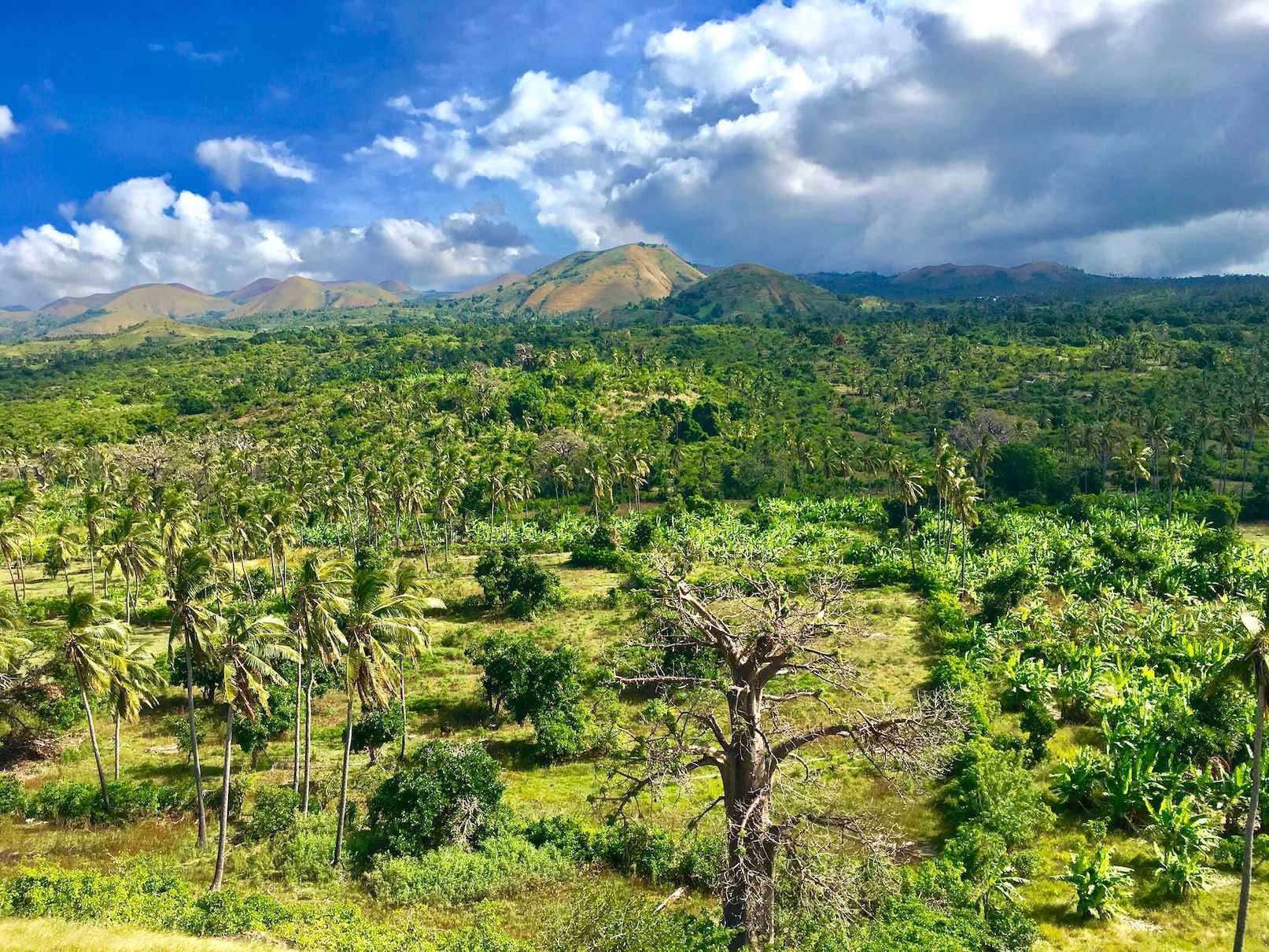
The Medical Reality on the Ground
Comoros is a low-income island nation. The healthcare system is underfunded, and specialist care is scarce. In Kangani, you will find a local clinic or health post, but it lacks the capacity for complex emergencies. There is no trauma center. There is no advanced surgical capability. If you break a bone, develop a severe infection, or suffer a cardiac event, you will be transferred to Moroni, and from there, in serious cases, to a neighboring country like Madagascar, France, or South Africa.
This transfer process is not instantaneous. It depends on weather, fuel availability, and the condition of the patient. You cannot assume that a 24-hour emergency response is available. The local clinic staff are often dedicated and hardworking, but they operate with limited supplies. Antibiotics, painkillers, and basic wound care materials may be in stock, but specialized medications, IV fluids in large quantities, or diagnostic imaging are not guaranteed.
Vaccinations: What to Get Before You Go
You need standard immunizations for Kangani. Ensure your routine shots are up to date. Specifically, you should consult a travel medicine specialist about the following:
- Hepatitis A: This is a food and water-borne illness. In Comoros, sanitation standards are not consistent. Vaccination is strongly recommended for all travelers.
- Typhoid: This is also food and water-borne. A vaccine is advisable, especially if you plan to eat street food or local dishes in small towns like Kangani.
- Yellow Fever: Comoros does not require a Yellow Fever certificate for entry from most countries, but if you are arriving from a country with risk of Yellow Fever transmission, you will need proof of vaccination. Check the current requirements for your specific country of origin.
- Malaria Prophylaxis: Malaria is present in Comoros. It is a lower-risk area compared to the deep interior of the African continent, but it is present. Consult a doctor about antimalarial medication. The risk is lower in coastal areas like Kangani than in the highlands, but it is not zero.
Water and Food Safety
The tap water in Kangani is not safe to drink. You must drink bottled water. Buy it from reputable shops, not from street vendors where the bottles may be refilled with unfiltered water. This applies to brushing your teeth, making ice, and cooking.
Food safety is a personal risk assessment. The local diet consists of rice, beans, coconut, fish, and root vegetables. Street food is common, but hygiene standards vary. Eat food that is cooked fresh and served hot. Avoid raw salads, unpeeled fruits, and undercooked meat. The local market area in Kangani is a hub for fresh produce, but the handling of food is often informal. Your stomach will be the first thing to tell you if you have made a mistake.
Practical Advice for Travelers
- Travel Insurance: This is not optional. You need comprehensive travel insurance that covers medical evacuation. If you become seriously ill, the cost of evacuating you to a country with better medical facilities can be tens of thousands of dollars. Without insurance, you are on your own.
- Pharmacy Kit: Pack a basic first aid kit. Include antihistamines for allergic reactions, antidiarrheal medication, pain relievers, and any personal prescription medications. Bring more than you think you need. Supplies in Kangani may run out.
- Cash: The local currency is the Comorian franc. ATMs are rare outside of Moroni. Carry enough cash for your entire stay in Kangani. You will need it for food, transport, and any medical costs you might incur locally.
- Language: The local languages are Comorian (Shikomori) and French. Medical staff in Moroni may speak French. In Kangani, English is not widely spoken. A basic phrasebook or translation app will be helpful.
When to Go and Who It's For
The best time to visit Kangani is during the dry season, which runs from May to October. The weather is cooler and less humid, which makes outdoor activities more comfortable. The rainy season, from November to April, brings heavy rains and the risk of flooding. This can disrupt transport and make the roads difficult to navigate.
Kangani suits travelers seeking a real, unfiltered part of Comoros. It is a place for slow travelers, photographers, and those interested in local culture and daily life. Families with young children who need immediate access to advanced medical care should look elsewhere. Those who are risk-averse should also consider other destinations. If you are healthy, prepared, and have the right insurance, Kangani offers a quiet, authentic experience that is hard to find elsewhere.
FAQ
Do I need a visa to enter Comoros? Most nationalities can obtain a visa on arrival at Moroni airport. Check the latest requirements with your embassy before you travel.
Is Kangani safe for solo travelers? Comoros is generally considered safe for travelers, but standard precautions apply. Avoid walking alone at night, especially in remote areas. Keep your valuables secure.
How do I get to Kangani from Moroni? There is no public transport to Kangani. You will need to arrange a private car or taxi from Moroni. The journey takes several hours, depending on road conditions.