Skip the guidebook hype. Konongo, Ghana, serves authentic Ashanti region flavors and honest hospitality. Here is what to eat, where to stay, and how to navigate the town without a Michelin star in sight.
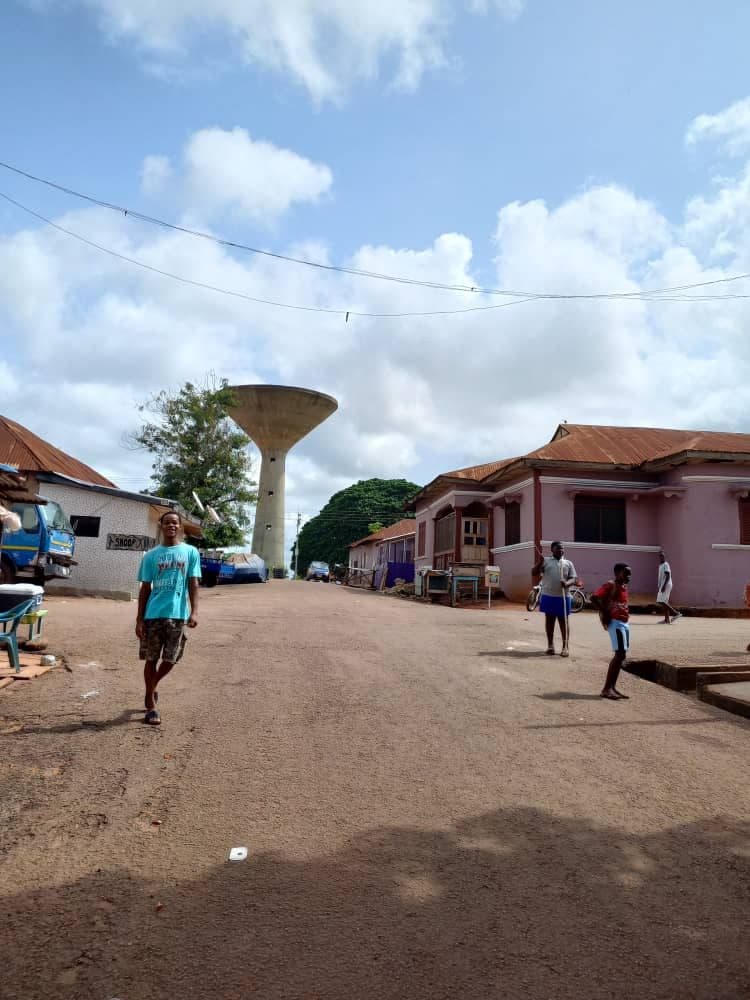
The truth about Konongo is that it does not have a Michelin star. It does not need one. You are not here for a three-star tasting menu in a glass-walled restaurant. You are here for the taste of a town that has been feeding people for generations. The Michelin Guide does not cover Ghana, and pretending otherwise is a disservice to the food you are about to eat. Konongo sits in the Ashanti Region, a place defined by its agricultural roots and its community, not by international dining awards.
The food here is the point. It is the texture of the groundnut soup, the heat of the pepper in the stew, and the communal rhythm of a meal shared with locals who do not care about your passport stamp. They care if you are hungry. That is the only rating system that matters in this part of Ghana.

What You Will Actually Eat
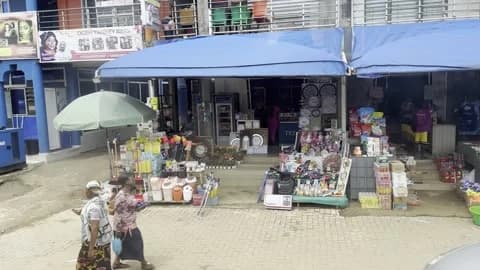
You will eat what the market provides. In Konongo, the local market area is the heart of the town’s culinary life. You will find ingredients that are fresh because they were picked that morning. The staples are consistent: fufu, a pounded dough made from cassava and plantain, served in a bowl of soup. The soup varies. It might be a light tomato-based broth, or a richer, darker groundnut soup that coats the spoon.
Do not expect a menu. You order what is available. The portions are generous. A single plate of fufu with a ladle of soup is a full meal. You eat with your right hand, tearing off a piece of the fufu and dipping it into the broth. It is messy. It is efficient. It is better than any fork.
Where to Stay
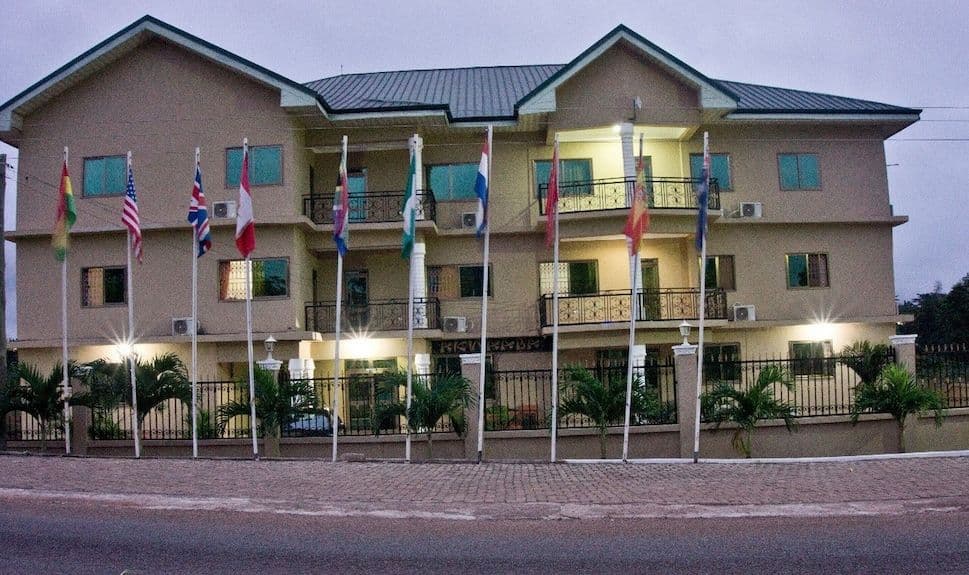
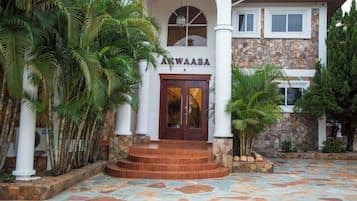
Accommodation in Konongo is functional. You are not booking a boutique hotel with a rooftop pool. You are booking a guesthouse or a local lodging option that offers a bed, a fan, and a key. Prices are low by international standards. Expect to pay a modest amount for a clean, basic room. The location is what matters. Stay in the central area if you want to be within walking distance of the market and the main roads.
If you are traveling by car, look for places with secure parking. If you are arriving by public transport, ask the driver to drop you near the main junction. The specific names of hotels vary, and availability can be tight during local festivals. Book ahead if you can, but do not stress if you cannot. There is always a local option available for a traveler who asks politely.
Getting Around and Practical Details
Konongo is served by local transport networks. The main connection is the bus route that links the town to larger hubs like Kumasi. The journey is not a luxury experience. The buses are full, the seats are hard, and the air conditioning is a memory. But it works. The fares are affordable, and the drivers know the route by heart.
When you arrive, the streets are a mix of paved and unpaved roads. Wear shoes that can handle dust. The weather in late autumn is generally dry, but the sun is intense. Carry water. The local currency is the Ghanaian Cedi. Cash is king in the smaller shops and markets. Credit cards are not a reliable option here. Exchange money in a larger city before you arrive, or use a local exchange office if you find one.
When to Go and Who It Is For
The best time to visit Konongo is during the dry season, which typically runs from November to January. The roads are in better condition, and the heat is manageable. Avoid the rainy season if you are not experienced with off-road travel.
The next major holiday is Farmer’s Day on December 4, 2026. This is a significant local event. Expect higher demand for lodging and food. If you plan to visit around this date, book your accommodation at least two weeks in advance. Prices may surge, and popular spots will fill up quickly.
This town is for the slow traveler. It is for the person who wants to sit in a courtyard, watch the light change over the fields, and eat a meal that was cooked an hour before you ate it. You do not need a Michelin star to know when food is good. You just need to be hungry.
FAQ
Do I need a visa to enter Ghana? Most travelers from Western countries need a visa. Check the latest requirements with your local embassy or consulate before you book your flight. The process is straightforward, but it takes time.
Is Konongo safe for solo travelers? Yes. Like most rural areas in Ghana, safety is community-based. Be respectful, dress modestly, and keep an eye on your belongings. The locals are generally welcoming and helpful.
How much money should I bring? Bring enough cash for a week. Prices for meals are low, but transport and lodging add up. A budget of around $20–$30 per day will cover your basic needs comfortably.