Skip the glossy brochures. Finding a safe, family-friendly bed in Yarqā means knowing the local rhythms and booking early for winter holidays.
Look, I’m going to be straight with you because nobody else will. If you’re hunting for "kid-friendly accommodation" in Yarqā, Jordan, you are not looking at a city full of branded resorts with kids' clubs and splash pads. You are looking at a quiet, historic pocket of the Levant where hospitality is traditional, often family-run, and deeply rooted in community rather than corporate policy. I’ve spent years navigating travel logistics from Tokyo to Buenos Aires, but here? The energy is different. It’s slower. The nights are quieter. And for families, that can actually be a massive win if you know what to look for.
The Reality of Lodging Here
Let’s cut through the noise. There is no confirmed inventory of major international hotel chains operating specifically within Yarqā town limits as of late 2026. What you will find are smaller guesthouses, farm stays, and apartments managed by locals who value privacy and comfort over amenities like Wi-Fi speed tests or poolside DJs.
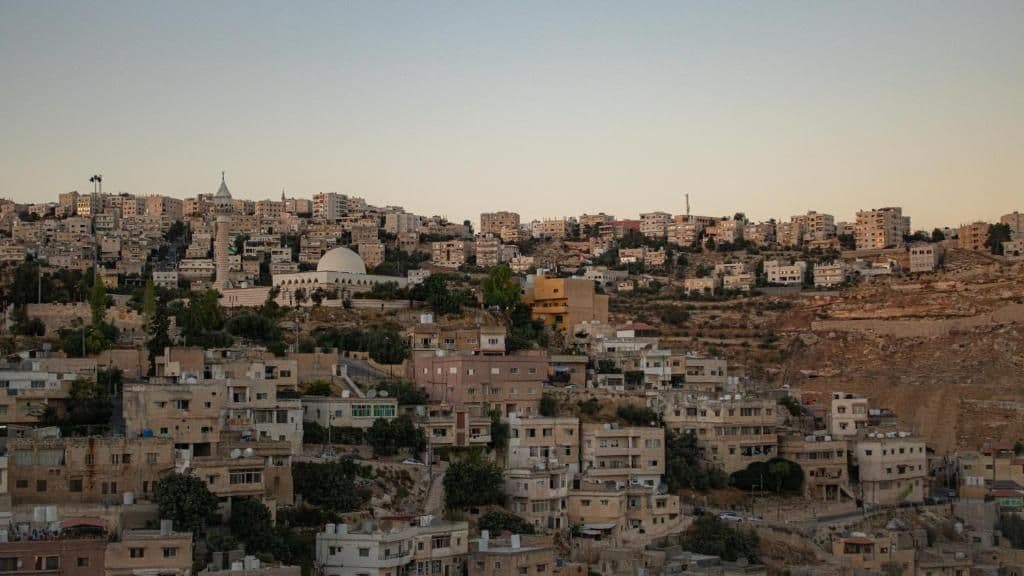
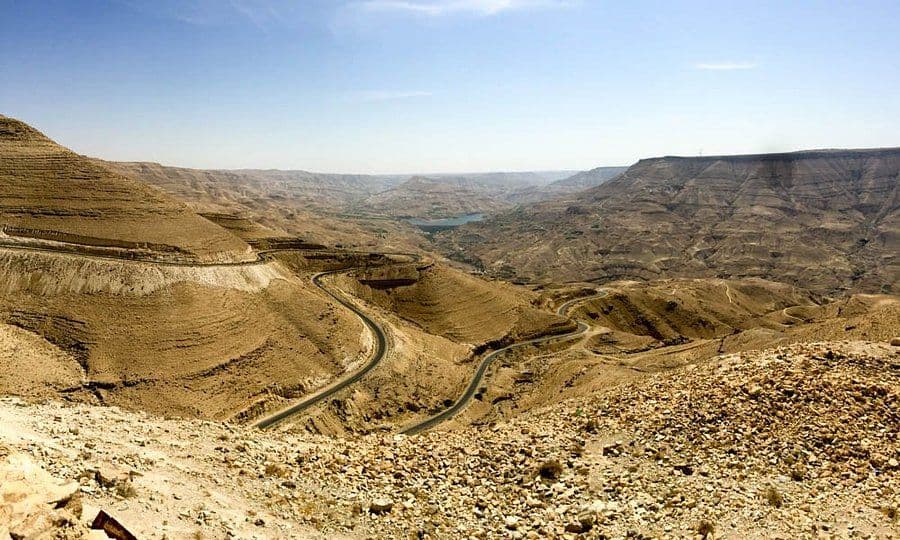
When I stay in places like this, I don’t look for the biggest lobby; I look for the thick walls and the sense of security. In Yarqā, many accommodations are situated in residential areas close to historical sites, meaning you’re likely staying near ancient ruins or rural landscapes rather than a shopping mall. For parents, this translates to less traffic noise at night and more opportunity for stargazing on balconies. However, it also means you need to verify basics like heating (essential in Jordanian winters) and hot water pressure yourself before you pack your bags. Don’t rely on generic online listings; call ahead. Ask if they have extra beds or cribs available. In smaller operations, these things aren’t always standard inventory—they’re requests you make politely in advance.
Navigating the Area with Kids
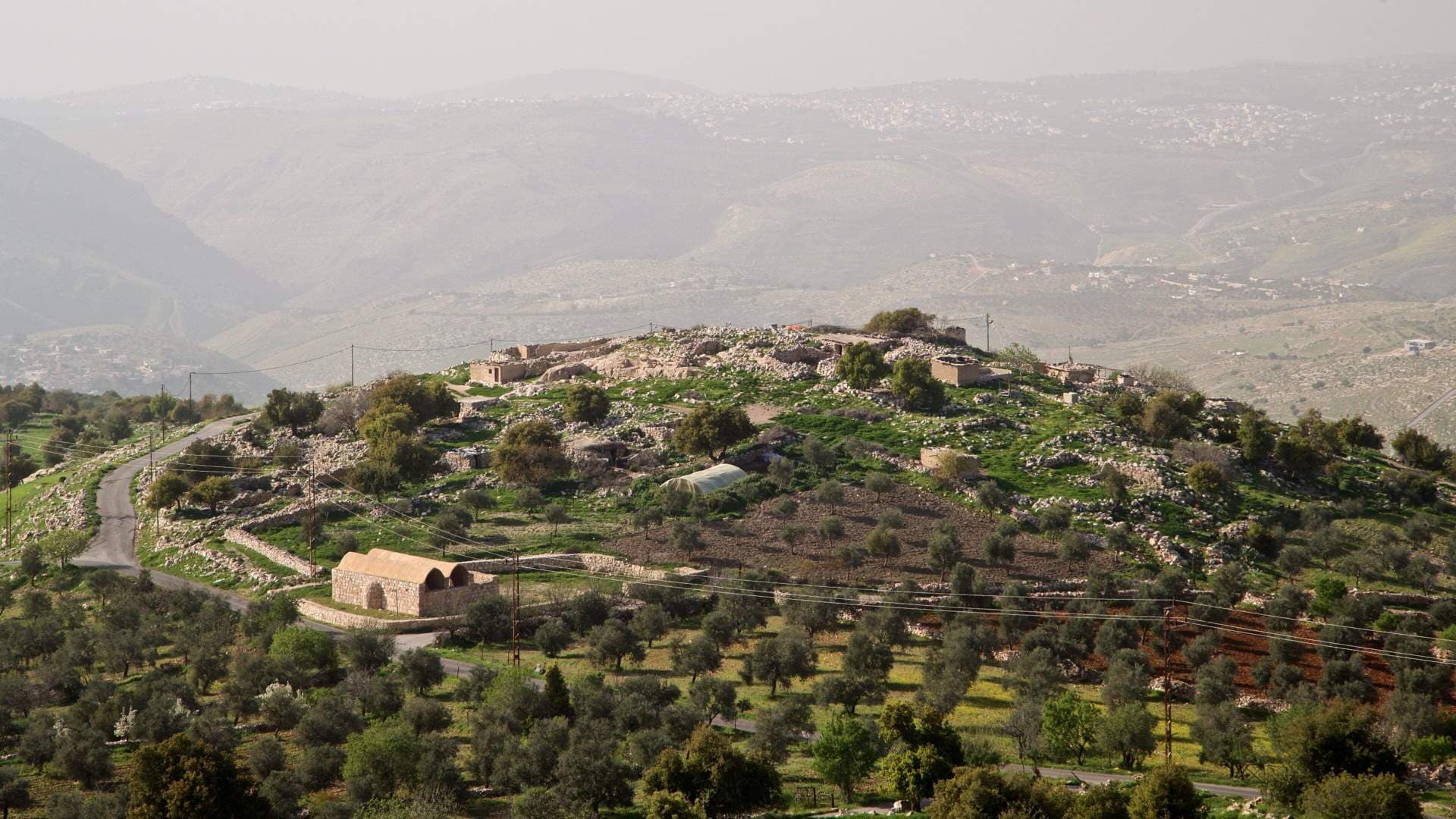
Getting around Yarqā isn’t like hopping on a metro in London. The transport network here relies heavily on private cars and local taxis. If you’re flying into Queen Alia International Airport (the main gateway for most tourists in Jordan), expect a drive north towards the Irbid Governorate area, where Yarqā is located geographically. This journey takes time—often two hours or more depending on traffic and border checks if you’re coming from elsewhere.
For families, renting a car is usually the smartest move. It gives you control over stops, nap times, and bathroom breaks. Public transport options exist but can be infrequent and confusing for non-Arabic speakers, especially when traveling with luggage and tired children. If you do use taxis, agree on the fare before you get in. It’s standard practice here, not rude. Keep small change handy because drivers rarely break large notes. With kids in tow, safety is paramount: ensure any taxi has seatbelts, or bring your own booster seats if your children are young. The roads can be narrow in older districts, so driving carefully is a must.
Food on the Ground: Keeping Hungry Kids Happy
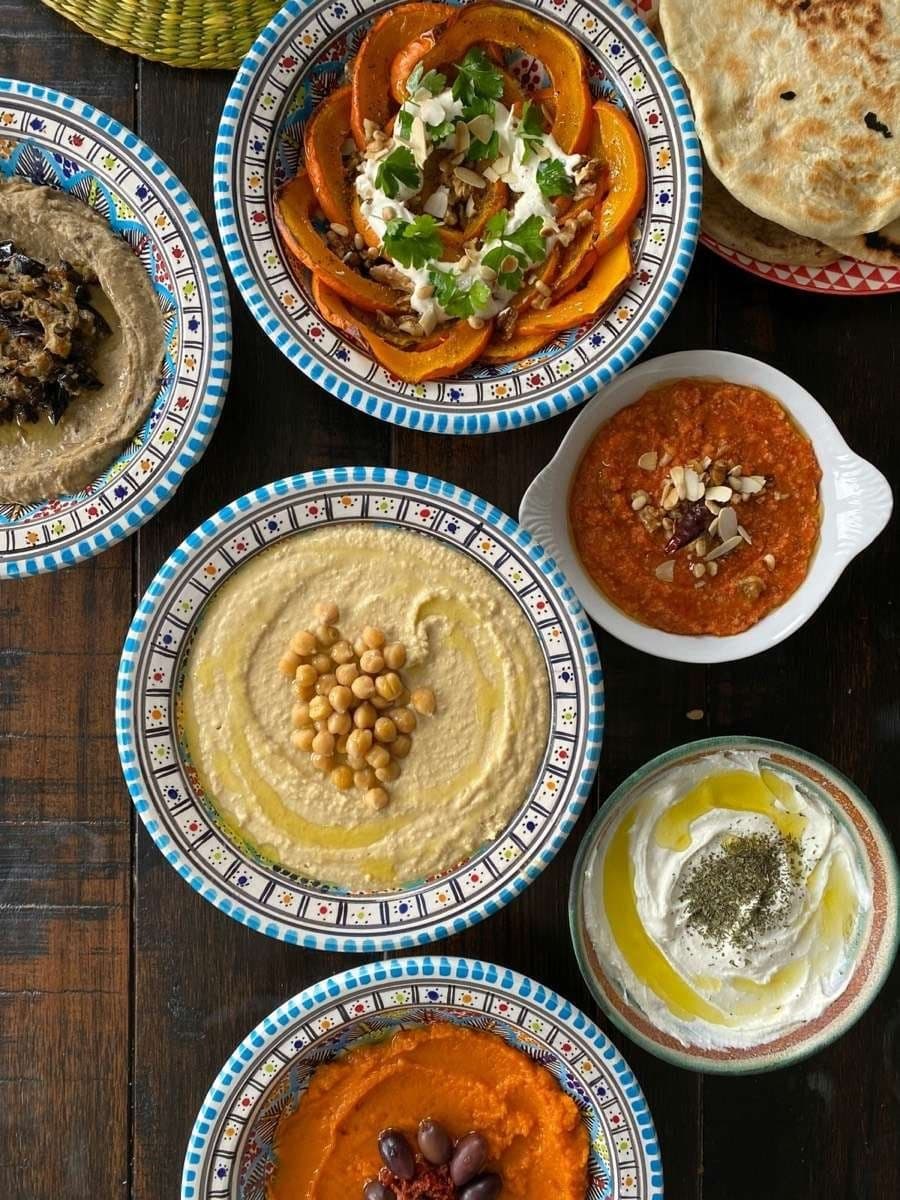
You won’t find a dedicated menu list of "Yarqā-specific dishes" in tourist guides because this is a rural-historic zone, not a culinary capital. But that doesn’t mean you’ll starve. Jordanian food is incredibly kid-friendly by default. Hummus, falafel, fresh bread, and grilled meats are staples everywhere. Look for family-run restaurants in nearby towns like Irbid if you want a wider variety, but even in Yarqā, small eateries serve simple, wholesome meals.
My advice? Eat where the locals eat. If you see a place filled with families sharing platters of mezze, go there. The atmosphere is lively but respectful. Kids love dipping bread into hummus—it’s tactile, fun, and mess-free enough for public dining. Avoid overly spicy harissa unless you’re prepared for tears. Most places offer mild options if you ask. Also, keep snacks on hand. Convenience stores are sparse compared to Western cities, so stock up on water, fruit, and biscuits in larger centers before heading into the quieter parts of Yarqā.
When to Book: Holiday Pressure
Timing is everything. Right now, in late November 2026, we’re heading into the high-demand window. Christmas Day (December 25, 2026) is just four weeks away. Then comes New Year’s Day (January 1, 2027). Following that, Isra’ and Mi’raj is expected around mid-January 2027. These dates create spikes in demand across Jordan, including the northern regions.
If you plan to visit during this period, book your accommodation immediately. Prices surge, and availability drops fast. Many families travel domestically during these holidays, filling up guesthouses quickly. After the New Year rush, things calm down slightly until Eid al-Fitr in March 2027. Spring (March–May) and Autumn (September–November) remain the sweet spots for weather—mild days, cool nights—perfect for exploring ruins without overheating. Summer is brutally hot; avoid it if you have young children. Winter brings rain and occasional cold snaps, so check forecasts and ensure your lodging has proper heating.
Practical Tips for Families
Visa policies for Jordan are straightforward for most nationalities, often obtainable on arrival or via e-visa. Check your specific country’s requirements well in advance. Currency is the Jordanian Dinar (JOD); credit cards are accepted in hotels and larger shops, but cash is king in small towns. ATMs are available in nearby urban centers, not necessarily in Yarqā itself.
Health-wise, tap water quality varies. Stick to bottled water for drinking and brushing teeth to avoid stomach issues, especially with sensitive kid stomachs. Pharmacies are reliable and staffed by English-speaking pharmacists in most towns. For medical emergencies, head to hospitals in Irbid or Amman; local clinics handle minor ailments only.
FAQ
Is Yarqā safe for solo female travelers? Yes, Jordan is generally very safe, and Yarqā is a conservative, peaceful area. Dress modestly to respect local customs, which helps avoid unwanted attention. Locals are helpful and protective of guests.
Do I need a visa for Jordan? Most visitors can get a visa on arrival at the airport or apply for an e-visa online beforehand. Costs vary by nationality. Always check the official Jordanian government portal for the latest fees and processing times before flying.
How far is Yarqā from Amman? It’s roughly 80–100 kilometers north, taking about 1.5 to 2 hours by car depending on traffic. Renting a car provides the most flexibility for families wanting to explore both the historical sites in Yarqā and the attractions in Amman or Jerash.