Recovering from long-haul transit requires more than just sleep. Here is how to manage rest and basic care when stopping in Kabare, eastern Congo.
Most travel guides ignore the logistics of recovery in remote Central African hubs. Kabare serves as a functional waypoint for those moving between Bukavu and Rwanda or heading south toward South Kivu’s interior. The town functions as a practical stopover where wellness means finding a quiet corner, drinking clean water, and resetting your internal clock after hours on uneven tarmac. The concept here is stripped back to essentials: physical restoration through simple, accessible means rather than luxury amenities. You are looking for shade, silence, and hydration. This guide focuses on what actually works for tired travelers passing through this specific corridor.
Understanding the Local Rest Environment
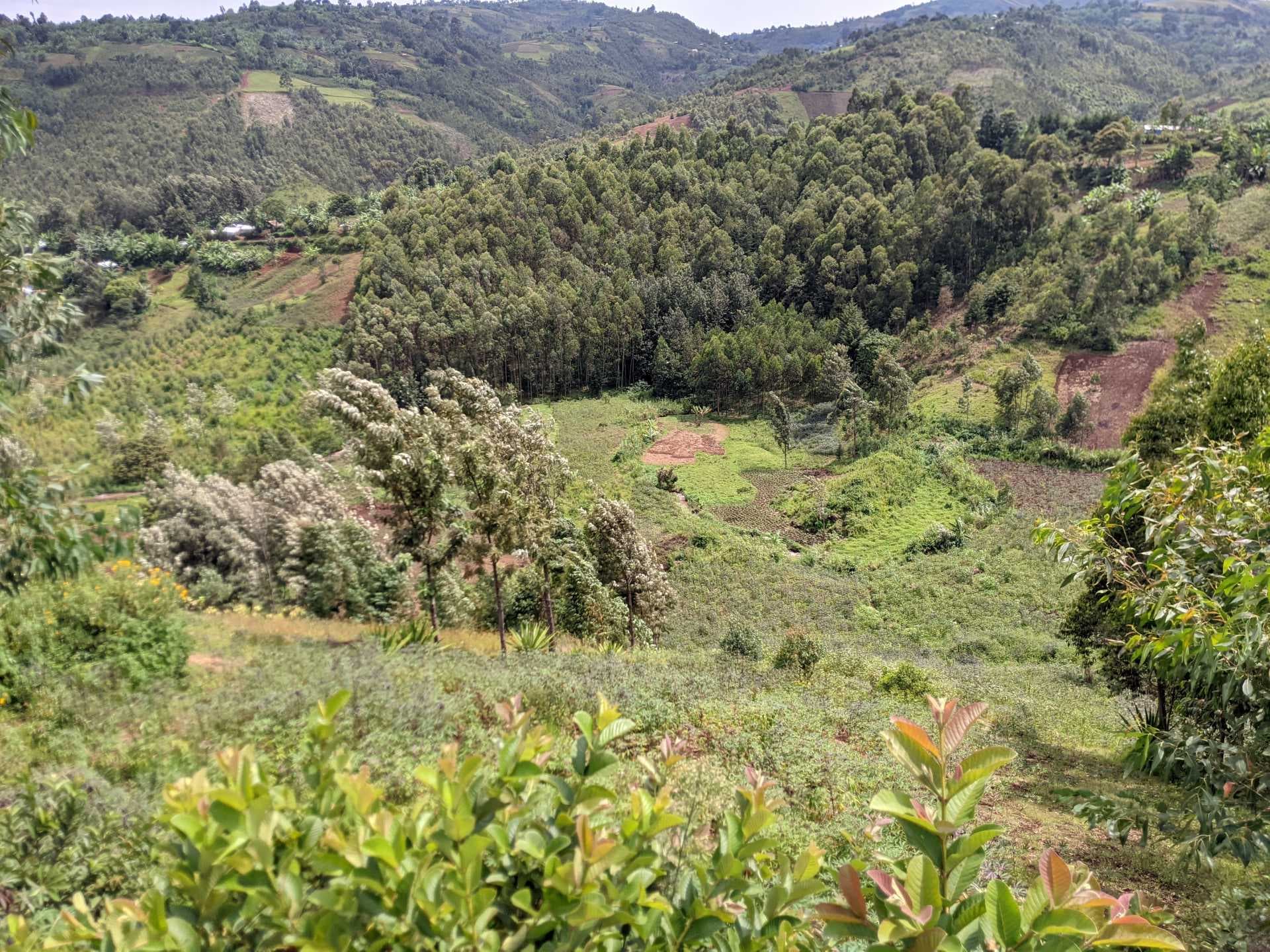
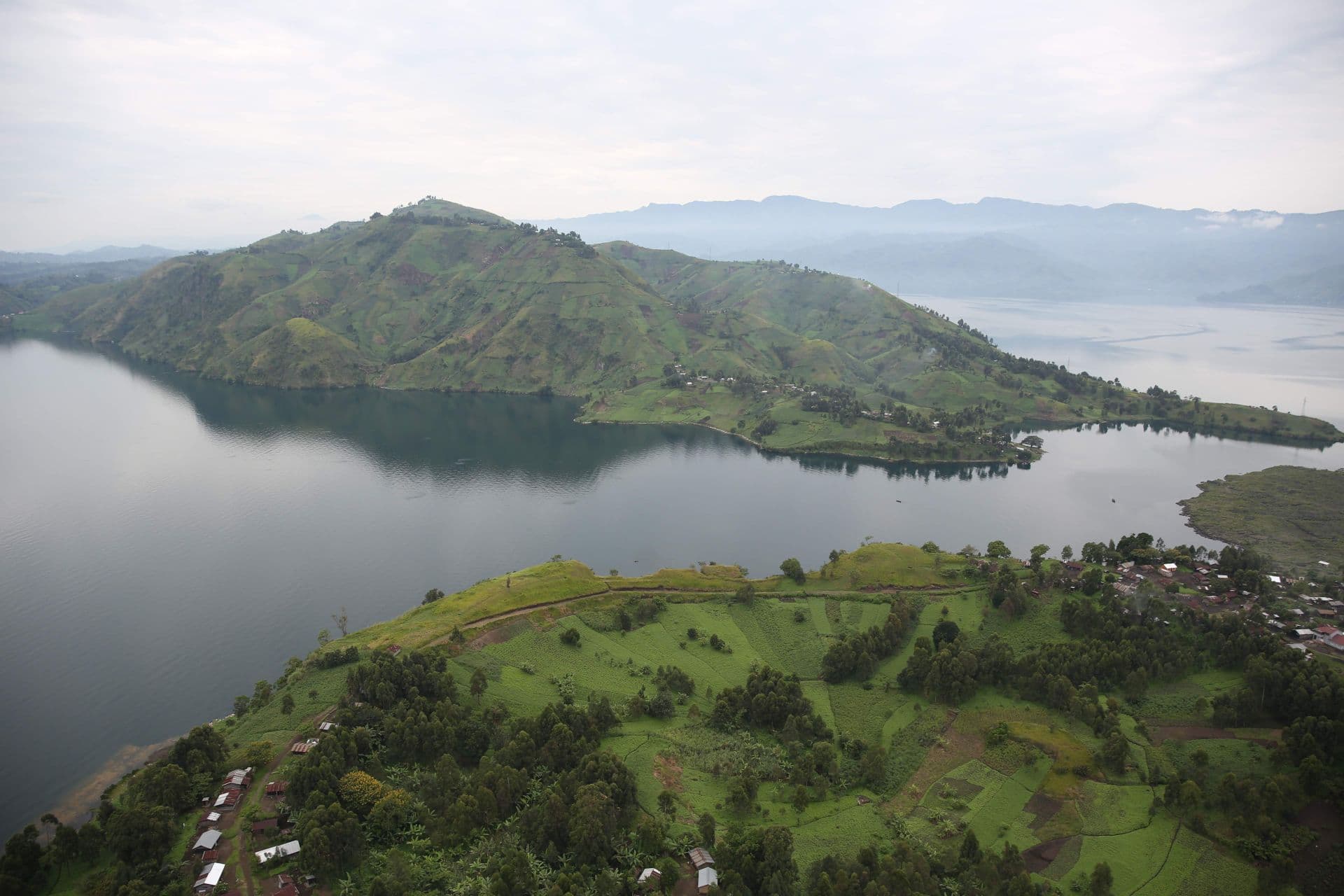
Kabare sits at approximately 1,450 meters above sea level within South Kivu province. This moderate elevation provides fresh air without the drastic physiological adjustments required at higher altitudes. When you stop here, you are likely transitioning from the Lake Kivu shoreline or crossing into neighboring territories. The town itself functions as a transit node. There are no large-scale spa chains or branded wellness centers that dominate the landscape. Instead, rest is communal and informal. Locals utilize shaded areas near the main thoroughfare to pause during the day. For a traveler, this translates to finding a spot with good ventilation and minimal noise pollution. The humidity can be intense during midday, so seeking elevation or breeze becomes a priority over seeking comfort. You do not need a booking app to find peace; you need to observe where the locals sit and follow suit. The texture of the environment is rougher than Western standards, but the effectiveness of proper rest remains high if you respect the local rhythm.
Hydration and Dietary Basics
Water quality dictates your energy levels in this region. Tap water often carries sediment or mineral hardness that can upset a stomach already stressed by travel. Bottled water is widely available at small kiosks along the main road. Look for sealed plastic bottles with clear branding; avoid loose caps or unclear seals. If you prefer tea, black tea with sugar is the standard regional staple. It provides a quick glucose spike without the heaviness of milk-based drinks, which can feel sluggish in humid heat. Eat light. Heavy meals slow digestion and make afternoon transit uncomfortable. Stick to bananas, cassava chips, or fresh fruit sold at roadside stalls. These items provide potassium and carbohydrates necessary for maintaining stamina over long distances. Avoid excessive caffeine late in the day, as the altitude can amplify its jittery effects. Keep your intake consistent. Small sips every twenty minutes work better than one large gulp when you are parched. Your body adjusts faster to thin air when hydrated steadily.
Managing Noise and Light Exposure
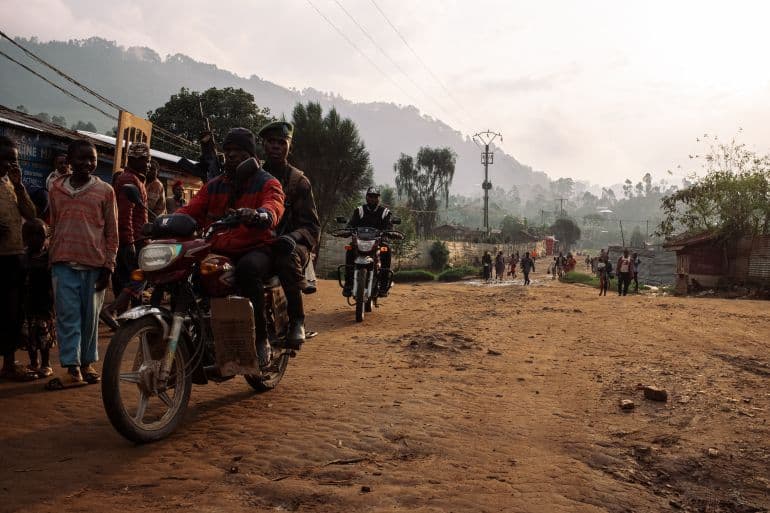
Light intensity in equatorial regions is harsh. Sunglasses are practical gear, not fashion accessories. Without them, eye strain sets in quickly, leading to headaches that mimic dehydration symptoms. Choose polarized lenses to cut glare off the dusty roads and lake surfaces. Sound management is equally critical. Kabare is busy. Motorbikes, bus horns, and market chatter create a constant low-frequency hum. Earplugs help significantly if you are sleeping in open-air accommodations or waiting for transport. Bring foam plugs; they compress easily and block enough noise to allow deep sleep without isolating you completely from safety cues. If you are staying overnight, choose rooms facing away from the main intersection. The difference in decibel levels between front-facing and rear-facing windows is substantial. A quiet room allows your nervous system to downshift properly. This is the core of "wellness" here: controlling sensory input to prevent burnout before the next leg of your journey begins.

Transit Logistics and Timing
Travel times vary depending on road conditions, which change rapidly after rain. Allow buffer time for connections. Buses and shared taxis depart when full, not according to strict schedules. Arriving early gives you the best seat position and access to cross-breeze. Sitting near the window reduces claustrophobia and helps maintain spatial awareness. If you are driving yourself, check tire pressure regularly. Heat expands air inside tires, causing blowouts if pressures are too high initially. Carry a manual pump. Fuel stations are spaced out; fill up whenever you see a sign, even if the tank is half-full. Waiting until empty risks running dry on isolated stretches. Payment is mostly cash-based. Small bills are preferred for tips and small purchases. Change is scarce. Having exact amounts speeds up transactions and reduces friction during stops. This logistical ease contributes directly to mental calmness. Stress comes from uncertainty; preparation removes it.
Seasonal Considerations and Audience Fit
The dry season offers the most predictable travel conditions. Rain brings mud, delays, and increased insect activity. Pack accordingly. Light cotton layers breathe better than synthetics. Lightweight merino wool blends wick moisture effectively despite the heat. This route suits solo travelers, backpackers, and those interested in regional connectivity rather than luxury leisure. Families may find the pace demanding due to limited child-friendly facilities. Solo travelers benefit from the simplicity and direct interaction with local communities. Stay one night if connecting flights require it; otherwise, treat it as a brief stopover. Two nights allow for deeper integration into the local rhythm, helping you adjust to altitude and climate. Do not expect extensive entertainment options. The value lies in efficient movement and genuine cultural exposure. Use the time to read, plan next legs, or simply observe the flow of commerce around the central hub. It is a grounded experience, devoid of pretense, which many seasoned travelers appreciate for its honesty.
Frequently Asked Questions
Is English widely spoken? French is the primary language. Basic French phrases go a long way. Learn greetings and numbers. Most service staff understand context clues well enough to assist without fluent conversation.
What is the best time to arrive? Mid-morning allows you to settle before the afternoon heat peaks. Evening arrivals mean dealing with lower visibility and potential dust storms. Aim for 9:00 AM to noon for smoother processing.
Do I need special health precautions? Standard hygiene practices apply. Wash hands frequently. Use hand sanitizer when water is scarce. Mosquito repellent is essential year-round. No exotic diseases unique to this location require specialized vaccines beyond standard tropical travel advice.