Swap spa pools for the Lufubu River. 165km from Kasama, Luwingu offers Zambia’s quietest reset, where the water does the work.
The Reality of Wellness in Northern Zambia
Let’s be clear about what you’re getting in Luwingu. There is no marble lobby, no steam room, and no attendant hovering with a towel. The 2022 Zambian Census puts the district population at just over 101,000, and the infrastructure reflects a place that prioritizes function over flash. If you are coming here expecting a five-star retreat, you are in the wrong part of the continent. But if you are tired of the performative calm of city spas, where the "relaxation" is just expensive silence, Luwingu offers something harder to fake. The wellness here is geological. It is the sound of water hitting rock on the Lufubu River. It is the temperature drop when you step out of the midday heat and into the mist.
Luwingu District, founded in 1906, is one of the oldest in Northern Province. It sits 165 kilometers from Kasama, the provincial headquarters. That distance is significant. It means you are not on the main tourist artery. You are off the grid, in a landscape where the nearest "amenity" is often just a patch of shade and a stream. For the road-weary traveler, this isolation is the point. You don’t come to Luwingu to be pampered by staff; you come to be stripped down to the basics of heat, water, and time.
Lufubu Falls: The Only Treatment That Matters
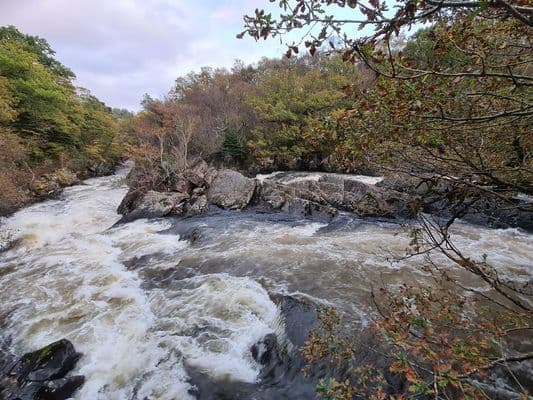
The single confirmed attraction in the district is Lufubu Falls, located on the Lufubu River. It is shared between Lupososhi and Luwingu Districts, a small but visually striking feature of the northern Zambian landscape. Descriptions from local council and tourism sources emphasize its role as a site for relaxation and recreation, which is code for "sit by the water and do nothing."
The falls are a smaller, more intimate drop, but the sensory impact is immediate. The air around the base is thick with mist, carrying a mineral scent that cuts through the humidity. The sound is a constant, low-frequency roar that drowns out the ambient noise of the bush. This is where the "wellness" happens. There is no fee for the view, and the "treatment" is free if you are willing to walk to it.
Standing at the base, the water feels colder than it looks. The contrast is sharp. After driving or walking in the Zambian heat, the mist on your skin is a physical shock that resets your nervous system. This experience functions as a biological reset. The site is a local spot for recreation, meaning you will likely find Zambians here too—people swimming, washing clothes, or just sitting on the rocks. The presence of locals makes the space feel lived-in rather than curated. It is a community resource, not a commercial product.
Getting There: The 165km Grind
The logistics of reaching Luwingu are the first barrier to your peace. The district is 165 kilometers from Kasama, the Northern Province headquarters. There is no confirmed railway line or station serving Luwingu; the connection is entirely by road. This distance is not trivial. In a country with varying road conditions, 165 kilometers can take anywhere from two to four hours depending on the state of the tarmac and the traffic.
You will likely start your journey from Kasama, the hub of the region. Kasama is a busy provincial center, which means you will have more options for transport and accommodation there before making the final leg to Luwingu. The drive itself is part of the experience. It is a transition from the provincial bustle to the district quiet. There are no confirmed specific bus operators or fares in the available records, so expect to negotiate or check locally in Kasama for the best route.
Do not underestimate the final stretch. Roads in Northern Zambia can change character quickly. The journey serves as a decompression. The fewer stops, the better. Once you are on the road to Luwingu, the landscape opens up. It is rolling, green in the wet season, and dotted with the red earth that characterizes much of the region. The drive is monotonous in the best way. It is the kind of travel that lets your brain switch off.
What to Eat: The National Staples
You will not find a "wellness menu" in Luwingu. There are no confirmed specific restaurants or dishes unique to the district in the available sources. You will eat what Zambians eat: the national staples. This is actually better for your reset.
The diet in this region is built on maize and cassava. The main dish is nshima, a stiff porridge made from maize flour, which you eat with your hands. It is accompanied by a relish, often ifisashi (a stew of groundnuts and greens) or a fish stew. Kapenta, small dried fish, is a common protein source in the north. Chikanda, a sweet confection made from wild plantains, is a frequent treat.
These foods are hearty, simple, and unpretentious. They are designed to fuel. For a traveler looking to reset, the lack of culinary complexity is a gift. There is no decision fatigue. You eat what is served. The meals are often shared, which means you eat at the pace of the group. This slow, communal eating is a form of wellness in itself. It forces you to pause, to chew, to talk, and to be present.
When to Go: The Autumn Window
The timing of your visit matters. You are reading this in autumn, which in Zambia means the dry season is approaching or has just arrived. The best time to visit Luwingu for wellness is during the dry months, typically from May to September. The heat is intense, but the lack of rain makes the roads more navigable and the outdoor experience more comfortable.
However, be aware of the upcoming holidays. National Prayer Day is on October 18, 2026, followed by an observed day on October 19. Independence Day is on October 24, 2026. These dates are significant for Zambians. If you are traveling in mid-October, expect higher demand for transport and accommodation in Kasama and potentially Luwingu. Prices may surge, and the roads will be busier with people traveling for the holidays. If you want the quietest possible experience, avoid these dates.
The ideal audience for Luwingu is the solo traveler or the couple who is done with the "experience" economy. This is not a place for families with young children who need constant stimulation. It is for the slow traveler. It is for the person who wants to sit by a waterfall for three hours and feel nothing but the sound of the water. It is for the road-weary who knows that the best therapy is not a massage, but a long, quiet drive and a cold river.
Practical Questions
Do I need a visa? Citizens of many countries require a visa to enter Zambia. Check the current requirements for your nationality before you book. You will likely enter through Lusaka or a regional hub, so plan your paperwork accordingly.
Is Luwingu safe? As with any remote destination, common sense applies. The area is not known for high crime rates, but isolation means limited emergency services. Travel in groups if possible, and let someone know your itinerary. The 165km distance from Kasama means help is not immediate if something goes wrong.
What currency do I use? The Zambian Kwacha is the local currency. Cash is king in Luwingu. ATMs are likely scarce or non-existent in the district. Withdraw cash in Kasama before you make the final leg. Prices for local food and transport will be in Kwacha, and you will not get a better rate by paying in foreign currency.