Walk the 1878 church nave, trace the seigneurie de Ramezay heritage, and plan a quiet autumn visit to this Montérégie village.
The 1878 Church: A Structural Study
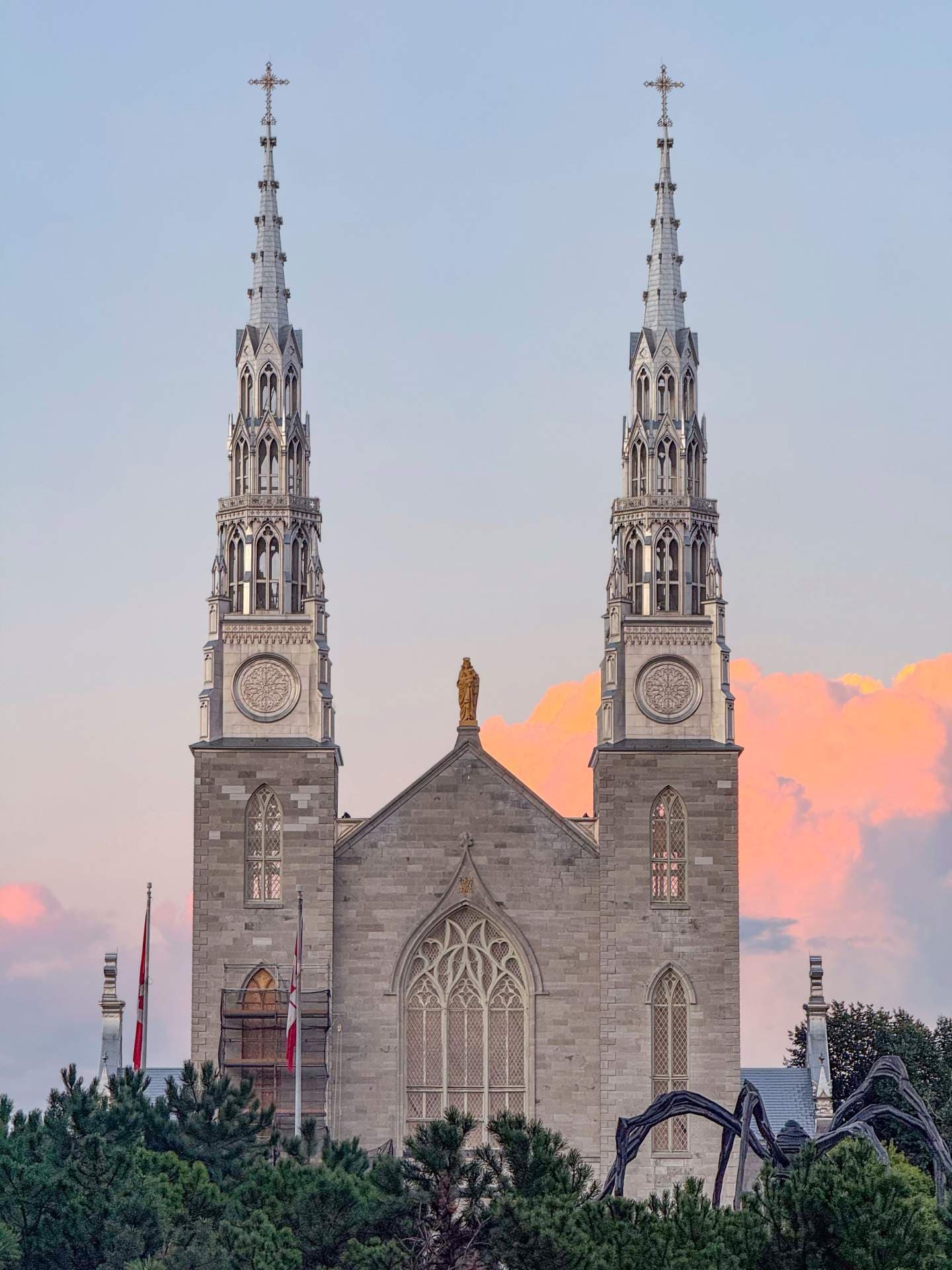
You don't need a guide to appreciate the Église de Saint-Liboire. You need a notebook and a steady hand. The building dates to 1878, designed by Joseph-Roch Poitras and Louis-Gustave Martin of Montréal. It features a three-aisled nave with an arched vault. Standing inside, the acoustics are tight; the stone is cool to the touch even in late October. The architectural plans are preserved in the Quebec cultural heritage registry, which confirms the structural integrity of the vault. For an architecture tour, this is the anchor. You can spend an hour just sketching the ribbing on the ceiling. The light through the windows is dim but directional, highlighting the stone texture. The single-tower facade defines the skyline, a stark contrast to the twin-spired designs common in other Quebec parishes.
The 1910 Village Church & Seigneurie Context
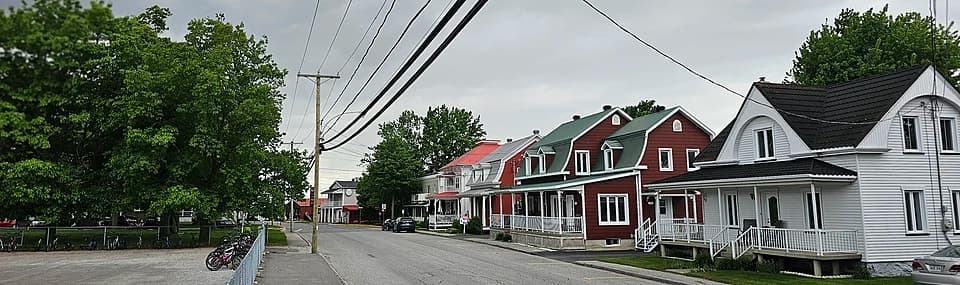
A second church, also named Église de Saint-Liboire, dates to 1910. It sits within the seigneurie de Ramezay, a historical land-grant system that shaped the village’s layout. This connection is crucial for understanding the spatial logic of the town. The seigneurie system dictated where houses, farms, and public buildings could be placed. Walking the streets, you can still see the linear pattern of the old land divisions. The 1910 church is smaller, more utilitarian than the 1878 structure. It lacks the grand vaulting but serves as a community hub. For a full architecture tour, visit both. The contrast between the 1878 Gothic-influenced design and the 1910 simpler form shows how the village evolved. The seigneurie de Ramezay heritage is the skeleton of the town’s geography.
Geography & The Black River
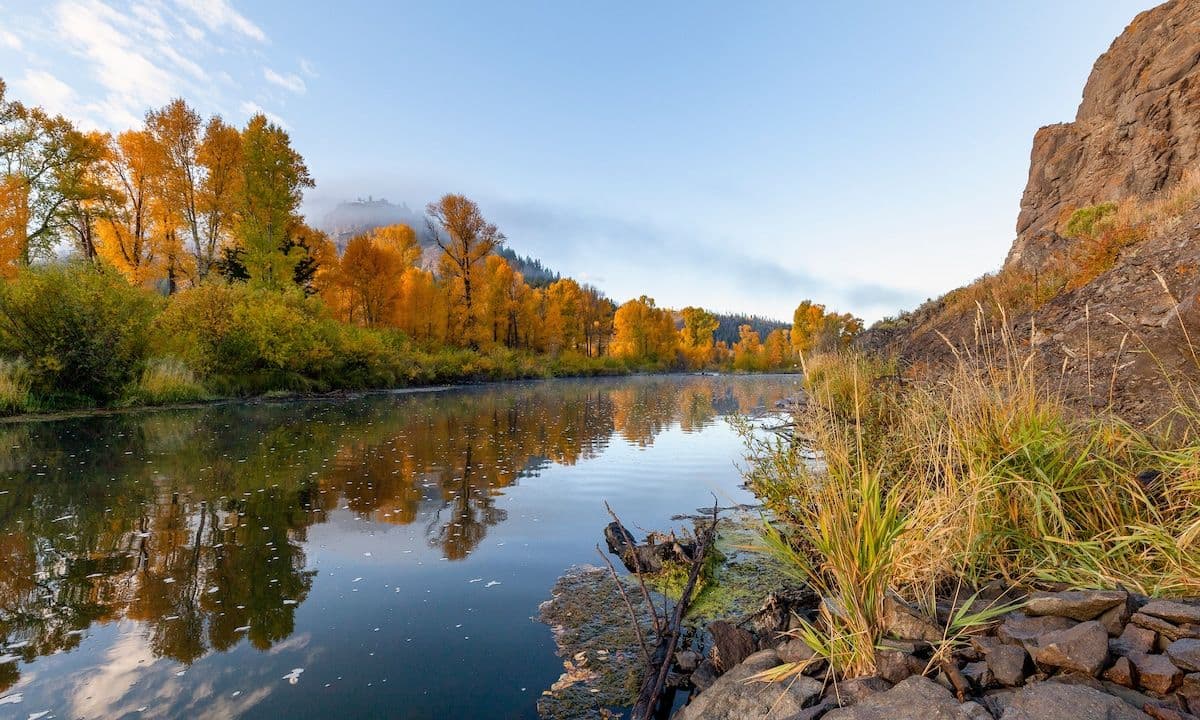
Saint-Liboire sits in the MRC des Maskoutains, in the Montérégie region of Quebec, Canada. The Black River runs through the area, providing the geographic context for the village. The river’s course influenced the original settlement patterns. In autumn, the water is cold and clear, reflecting the bare trees along the banks. The Black River serves as a key reference point for orientation. If you’re driving, the river often marks the boundary between older and newer development. The population is small—3,051 according to the 2011 Canadian Census. This means quiet streets, less traffic, and a slower pace. The Black River is the geographic anchor for your route planning.
Getting There & Local Logistics
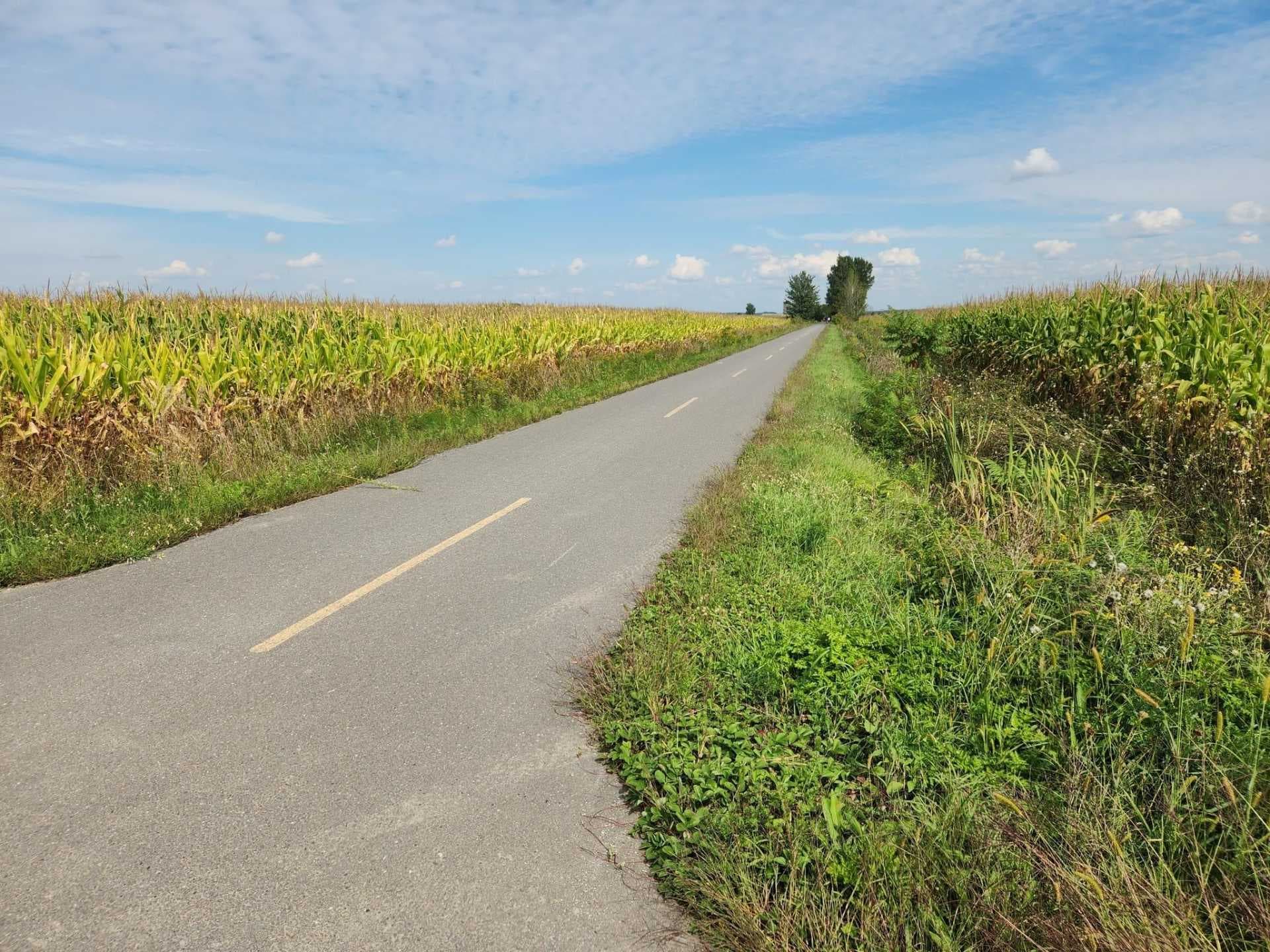
There is no confirmed railway line or station serving Saint-Liboire in the available sources. You will likely drive. The nearest major city is Montreal, but specific journey times and fares are not confirmed in the brief. Plan for a drive of roughly an hour to an hour and a half, depending on traffic. The village is served by local roads within the MRC des Maskoutains. Check the official municipal site, st-liboire.ca, for public notices, citizen services, and community events. This site is your best resource for current local information. Do not assume public transit is frequent. If you’re arriving by car, parking is generally easy due to the low population density.
When to Go & Who It’s For
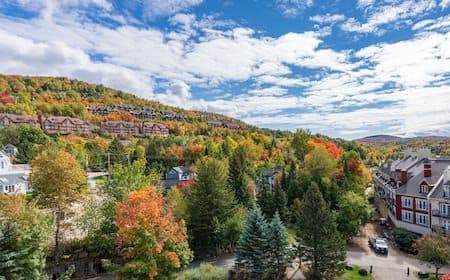
Autumn is the ideal time. The light is low, the leaves are turning, and the crowds are thin. The next major holiday is Christmas Day (2026-12-25), followed by New Year’s Day (2027-01-01) and Good Friday (2027-03-26). For an architecture tour, avoid the Christmas week if you want quiet access to the churches. The village is best for solo travelers, couples, or small groups who appreciate slow travel. It’s a destination for quiet exploration rather than large tour groups. You need at least half a day to properly explore the two churches and walk the seigneurie layout. If you’re short on time, focus on the 1878 church and the river walk. The quietness is the defining feature of the village.
Practical FAQ
Do I need a guide for the architecture tours? No. The 1878 church and 1910 church are accessible to the public. A guide can add historical context about the seigneurie de Ramezay, but the architectural details are visible to the naked eye.
How do I get to Saint-Liboire? By car is the most reliable method. No confirmed rail service is listed in the sources. Check st-liboire.ca for any local shuttle or community transport updates.
What should I bring? A notebook for sketching, a warm layer for the autumn chill, and comfortable shoes for walking the river path. The 1878 church interior is cool; a light jacket is wise.