Driving the A104 to Mingoyo? Skip the brochure fluff. You need medical evacuation cover and malaria treatment, not trip cancellation perks. Here is the blunt truth.
Why Standard Policies Fail in Rural Tanzania
Let’s cut the marketing nonsense. If you are heading to Mingoyo, a junction town on the A104 highway north of Tanga, your biggest risk isn’t a lost suitcase. It’s a flat tire at night on a road with no streetlights, or worse, a medical emergency three hours from a tertiary hospital. Most "premium" travel insurance policies sold in London or New York are built for city breaks in Europe. They assume an ambulance will arrive in ten minutes. In the Tanga region, that assumption is dangerous.
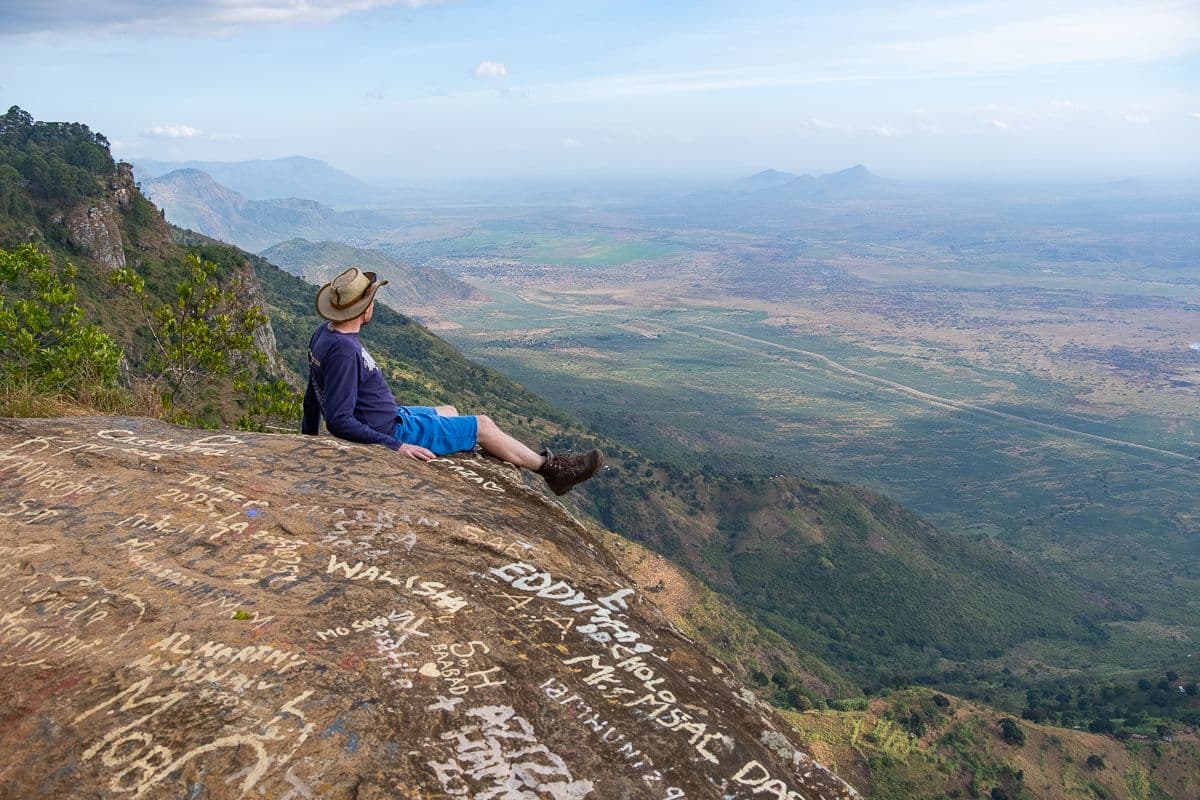
You do not need coverage for your flight delay if you are driving from Arusha. You need medical evacuation. This is non-negotiable. If you break a leg on a hiking trail near the Usambara foothills (which flank this corridor), a local clinic can set it. They cannot fly you to Nairobi or Dar es Salaam for proper surgery without a guarantee letter. If your policy doesn't have direct pay arrangements with major evacuation providers like AMREF Flying Doctors or similar regional services, you are writing a check from your hotel room while the patient waits. I’ve seen travelers stranded because their insurer wanted to review paperwork before authorizing a helicopter. Don’t be that person.
Malaria Coverage Is Not Optional
Mingoyo sits in a coastal-influenced zone where Plasmodium falciparum malaria is endemic. This is not a "maybe." It is a reality. Your insurance must explicitly cover malaria diagnosis and treatment, including intravenous therapy if things get complicated. Many budget policies exclude pre-existing conditions or have low caps for hospitalization. In Tanzania, a severe malaria case can run into thousands of dollars for ICU care and medication.
Check the fine print for "dengue fever" exclusions too. While less common than malaria here, the mosquito vector is the same. If your policy has a deductible for outpatient visits, forget it. You want zero-deductible coverage for any fever-related visit. Why? Because you might go to a local pharmacy in Mingoyo for a rapid test. That $5 test needs to be covered so you don't hesitate to seek help early. Delayed treatment turns a manageable illness into a life-threatening one. The cost difference between a $200 premium and a $5,000 hospital bill is obvious. Buy the higher-tier medical-only plan if you skip the baggage protection.
Road Trip Risks and Liability
The A104 is a lifeline, but it is also a hazard. Trucks, matatus (minibuses), and motorcycles share narrow lanes. If you rent a car, check your rental agreement’s Collision Damage Waiver (CDW). Often, this waiver excludes damage to tires and undercarriage—two things you will hit on rural Tanzanian roads. Potholes are frequent. Gravel shoulders disappear without warning.
Your personal auto insurance likely does not extend to Tanzania. Your credit card might offer secondary liability coverage, but it rarely covers third-party bodily injury claims against you if you cause an accident. In Tanzania, legal proceedings can be slow and complex. You need primary liability coverage of at least $1 million USD. Do not rely on the driver's license you carry; rely on the policy document. Also, verify if your policy covers motorbike accidents. Renting a scooter in Tanga or driving a motorbike taxi (boda-boda) is common for short hops, but most standard travel policies exclude two-wheelers unless specified. Read the exclusion list. It is usually page four or five, printed in tiny font.
Timing Your Cover Around Holidays
If you are planning this trip for late 2026 or early 2027, timing matters. Tanganyika Independence Day falls on December 9, 2026. Christmas and Boxing Day follow shortly after. These are peak domestic travel times. Roads around Tanga and the northern corridors get congested. Local clinics may operate with skeleton staff during public holidays.
This increases your risk profile. An accident during a holiday weekend means longer wait times for non-emergency care. Ensure your policy covers "high-risk activities" if you plan to hike nearby reserves, as some insurers classify off-trail trekking as excluded. Book your insurance before you leave home. Buying it at the airport in Kilimanjaro or Dar es Salaam often leaves you with limited options and higher premiums. You need time to compare the medical evacuation network details. With Union Day approaching in April 2027, expect similar congestion patterns if you are moving through the region. Plan your medical support infrastructure accordingly.
Practical FAQ for Mingoyo Travelers
Q: Does my health insurance from home work in Tanzania? A: Rarely. Most US and European health plans do not cover international care, or they require you to pay upfront and claim later. In Mingoyo, many smaller clinics require cash payment. You need a travel-specific policy that provides a guarantee of payment to hospitals in Tanga or Dar es Salaam. Carry your insurance card and the 24/7 assistance number in your pocket, not just in your phone.
Q: What is the best way to handle medical emergencies in Mingoyo? A: Stabilize locally, then evacuate. Mingoyo has basic health facilities, but for anything serious, you need to move to a larger center. Your insurance should arrange transport. Keep a copy of your policy’s emergency contact numbers saved offline. Note that mobile signal can be spotty in rural stretches; know the location of the nearest police post or major town along the A104.
Q: Should I insure my camera gear? A: Only if you are carrying expensive equipment and can prove its value. Theft is low compared to urban centers, but dust and humidity are high. Consider a separate gadget rider if you are shooting professional content. For casual tourists, prioritize medical coverage over property loss.