Kaustinen isn’t for the faint of heart or the heavy sleeper. Here, 3-star hotels are just fuel for the fiddle music that never stops.
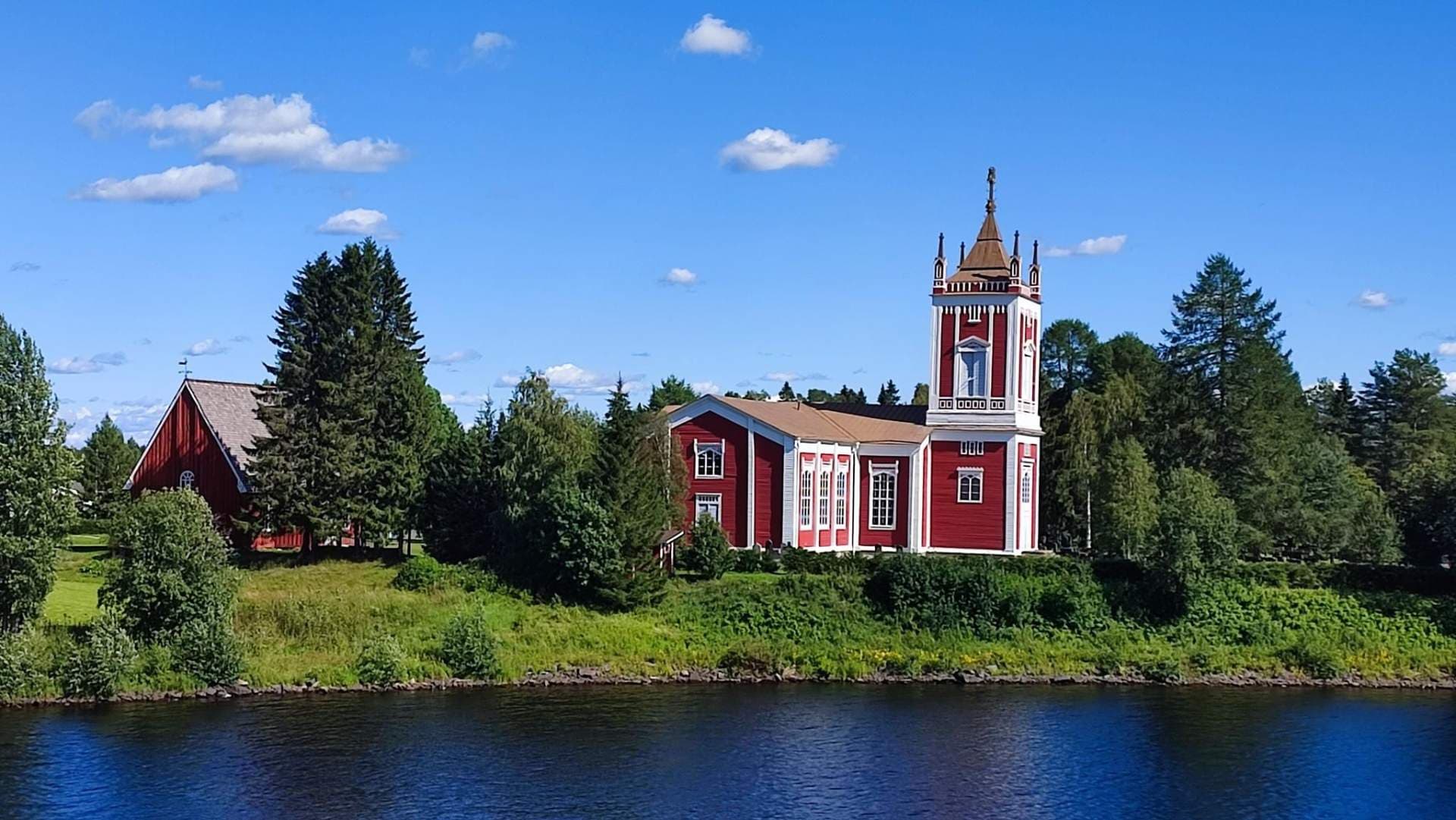
You don’t go to Kaustinen for the thread count. You go because the air in Central Ostrobothnia vibrates at a frequency that rattles your teeth. If you are looking for a spa, a pool, or a concierge who knows how to call a taxi, you are in the wrong province. Kaustinen is a municipality that exists, primarily, for one week in July. The rest of the year, it is a quiet collection of lakes, forests, and wooden houses that look like they were carved by people who hated nails.
But when the Kaustinen Folk Music Festival hits, the silence breaks. The town swells. The roads clog. And the concept of a "3-star hotel" shifts from a rating of luxury to a metric of survival. They are functional boxes that keep you dry, fed, and close enough to the chaos to feel the bass in your sternum.
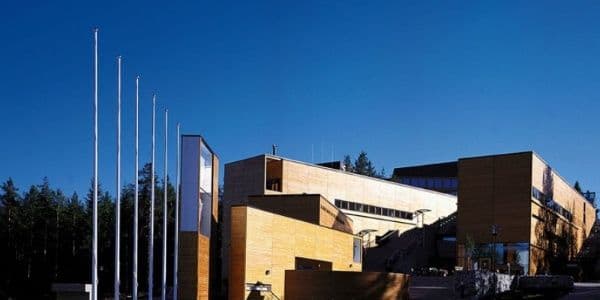
The Myth of the Star Rating
Let’s strip the varnish off. In a major European capital, three stars might mean a decent breakfast and a clean sheet. In Kaustinen, three stars means you have a roof, a lock, and a bed that doesn’t smell like mildew. It means you avoid sleeping in a tent in the rain.
There is no grand hotel district here. The accommodation landscape is fragmented. You will find guesthouses, small family-run lodgings, and perhaps a few municipal hotels that have been painted over so many times the wood grain is a legend. The distinction between 2-star and 3-star is often subjective, decided by whether the shower pressure is strong enough to wash off the lake water.
Do not expect marble. Do not expect room service. Expect a key that sticks. Expect a hallway that smells of old pine and damp wool. This is an orientation. You are trading comfort for proximity. You are paying to be within walking distance of the Pelimannitalo, the Fiddlers' House, where the music spills out onto the streets until 4 a.m.
If you book a "3-star" place here, you are booking a base camp. You are acknowledging that the hotel is not the destination. The music is the destination. The hotel is just the place where you collapse so you can do it all again tomorrow.
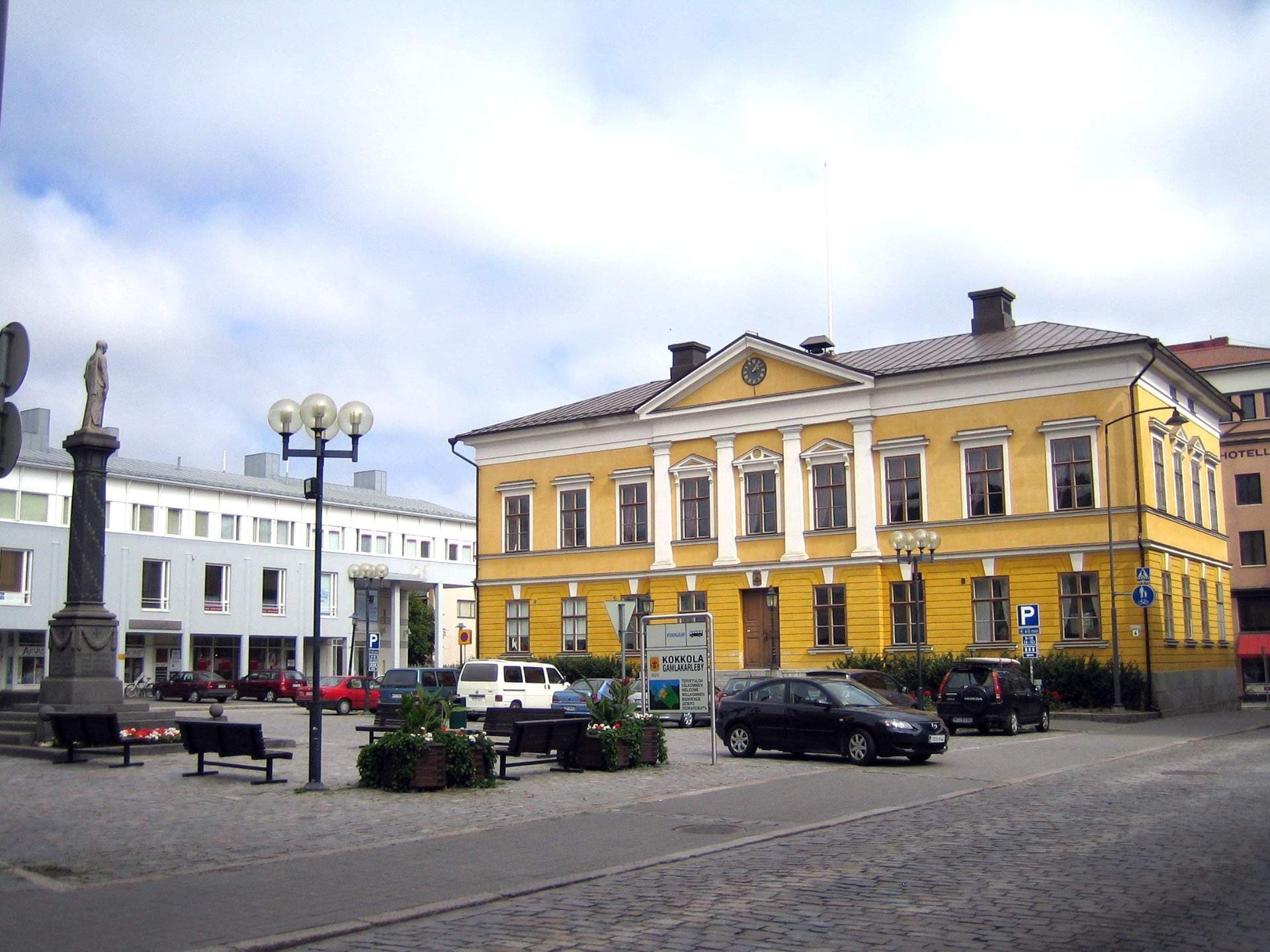
Where to Stay: The Reality on the Ground
Specific names of 3-star hotels in Kaustinen are elusive because the town is small and the inventory is fluid. One year a guesthouse is a 3-star; the next it’s a hostel. But the geography is constant. You need to stay in the center.
The "center" is essentially the area surrounding the Pelimannitalo and the main church. This is where the energy is. This is where the crowds surge. If you stay in the outskirts, you will spend your evening trying to hitch a ride or walking two kilometers in the dark through woods that feel older than the nation.
Prices are volatile. Outside of festival week, you can find rooms for a modest amount. During July, the prices spike. A room that costs €50 in August might cost €150 in July. This is basic supply and demand. The world comes to Kaustinen for the fiddles. You pay the premium.
Look for places that advertise "central location." Ignore the photos. Look at the map. If it is within 500 meters of the Pelimannitalo, it is worth the price. If it is not, you are buying a commute. And in Kaustinen, during the festival, the commute is a war.
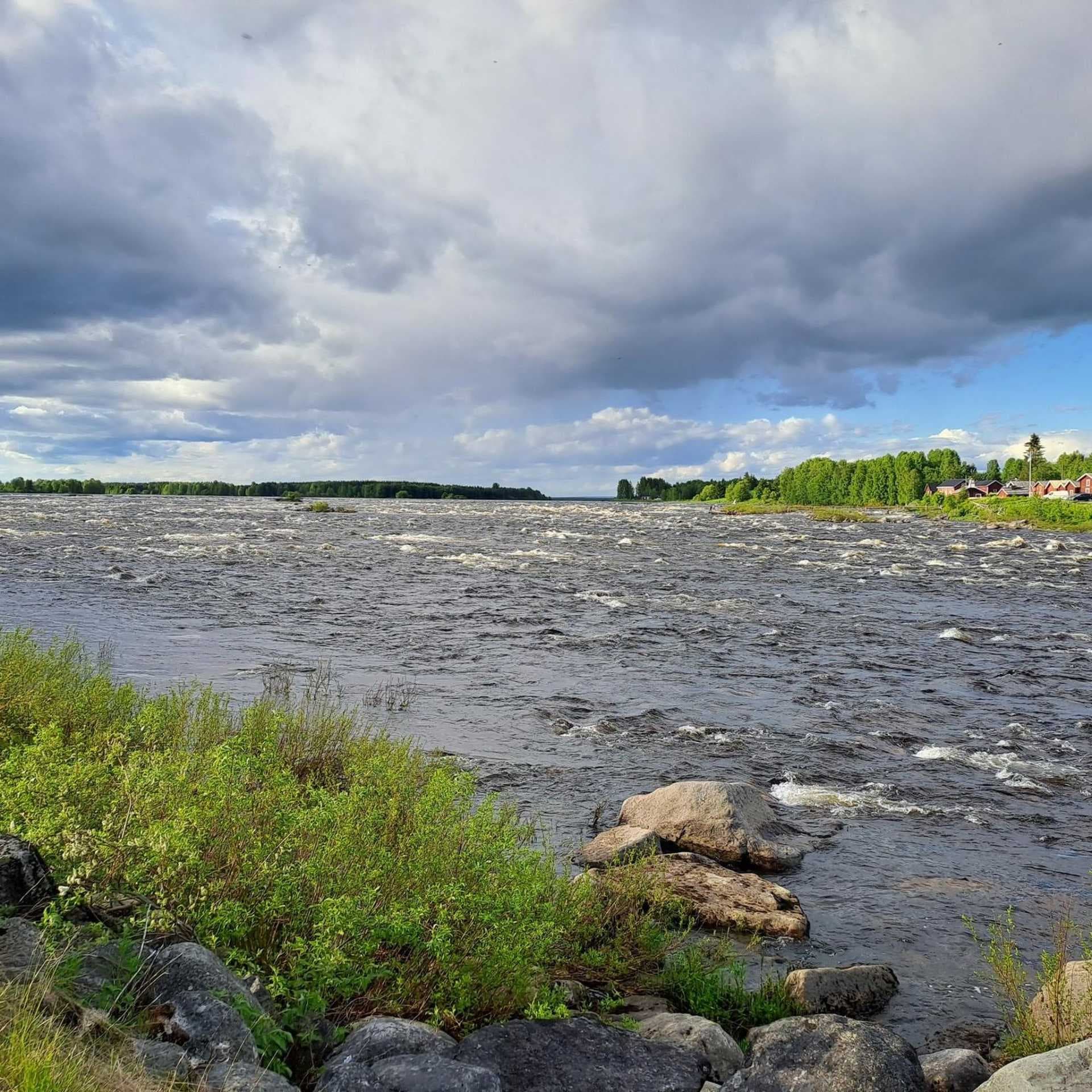
The Food That Fuels the Noise
You will be hungry. The music burns calories. You will not find a Michelin-starred tasting menu here. You will find traditional Central Ostrobothnian cuisine.
The local food is heavy. It is comforting. It is the culinary equivalent of a warm blanket after a night in the rain. You eat it at the Pelimannitalo or at local eateries. It is not food for dieters. It is food for people who need to keep their energy up for standing in a crowd for six hours.
The ingredients are local. The meat is likely from the region. The sauces are thick enough to stand a spoon in. It tastes like home, if home was a wooden cabin in a lake district. Order it. Eat it. Then go back to the music.
There is no fine dining scene here. There is no need for it. The food is functional. It is fuel. It is part of the experience. Do not look for fusion. Look for tradition.
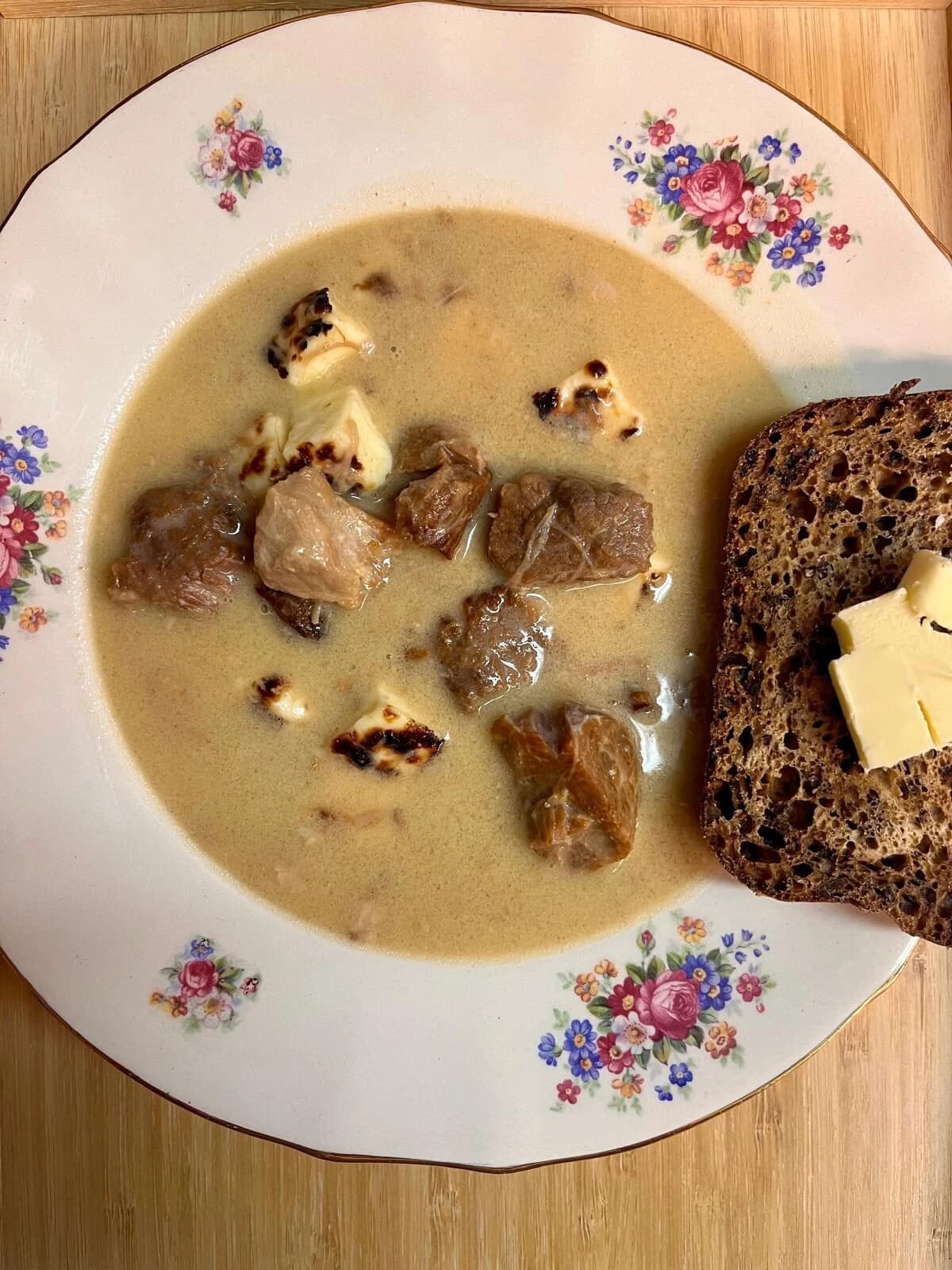
Getting There: The Assembly Line of Transit
Kaustinen does not have a railway station. It does not have an airport. It is not on the main highway. You have to work for it.
Most people fly into Helsinki or Oulu. Then they take a train to a nearby hub like Kokkola or Kauhava. Then they take a bus. Or they rent a car. The bus ride from Kokkola is about 40-50 kilometers. It takes roughly an hour. The landscape is flat. It is green. It is quiet. This is the last hour of peace you will have for a week.
If you drive, park early. The town is small. The streets are narrow. During the festival, the parking lots fill up by noon. If you arrive late, you will circle. You will get frustrated. You will realize that your ego is too big for this town.
Public transport is reliable but infrequent. Check the schedules. Do not assume. If you miss the last bus back to Kokkola, you are sleeping in Kaustinen. Which, honestly, might be the best thing that ever happened to you.
When to Go: The Window and The Wait
July is the only time. Specifically, the week of the Kaustinen Folk Music Festival. This is when the town is alive. This is when the 3-star hotels are worth the price. This is when the local food tastes like victory.
Outside of July, Kaustinen is quiet. It is beautiful. It is peaceful. But it is not Kaustinen as the world knows it. It is just a town. If you go in October, you will see All Saints' Day approaching. The light will be dim. The crowds will be gone. You will have the town to yourself. You will wonder if you missed something.
If you go in December, you will have Independence Day and Christmas. The town will be closed. The shops will be dark. The music will be silent. You will be alone. This is not a bad thing. It is a different thing. It is a meditation.
For most people, July is the answer. Book early. Book hard. And accept that you will be tired. You will be sore. You will be happy.
FAQ
Do I need a visa for Kaustinen? Kaustinen is in Finland. Finland is in the Schengen Area. If you are from the EU, EEA, or Switzerland, you need a valid ID. If you are from the US, Canada, Australia, or New Zealand, you can stay for up to 90 days without a visa. Check the official Finnish immigration website for your specific nationality.
Is it safe to walk alone at night? Yes. Kaustinen is a small town. The crime rate is low. The main danger is tripping over a root in the dark or getting lost in the woods. Stay on the main paths. Keep your valuables close. Do not leave your drink unattended.
Can I get by with English? Yes. Most people in the tourism industry speak English. The locals speak Finnish. Some speak Swedish. You will be fine. Learn a few words of Finnish. It helps. It shows respect. It makes the locals smile.