Forget the star rating. In Oguta, you come for the lake, stay for the fish, and learn that luxury is relative.
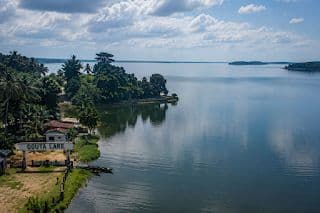
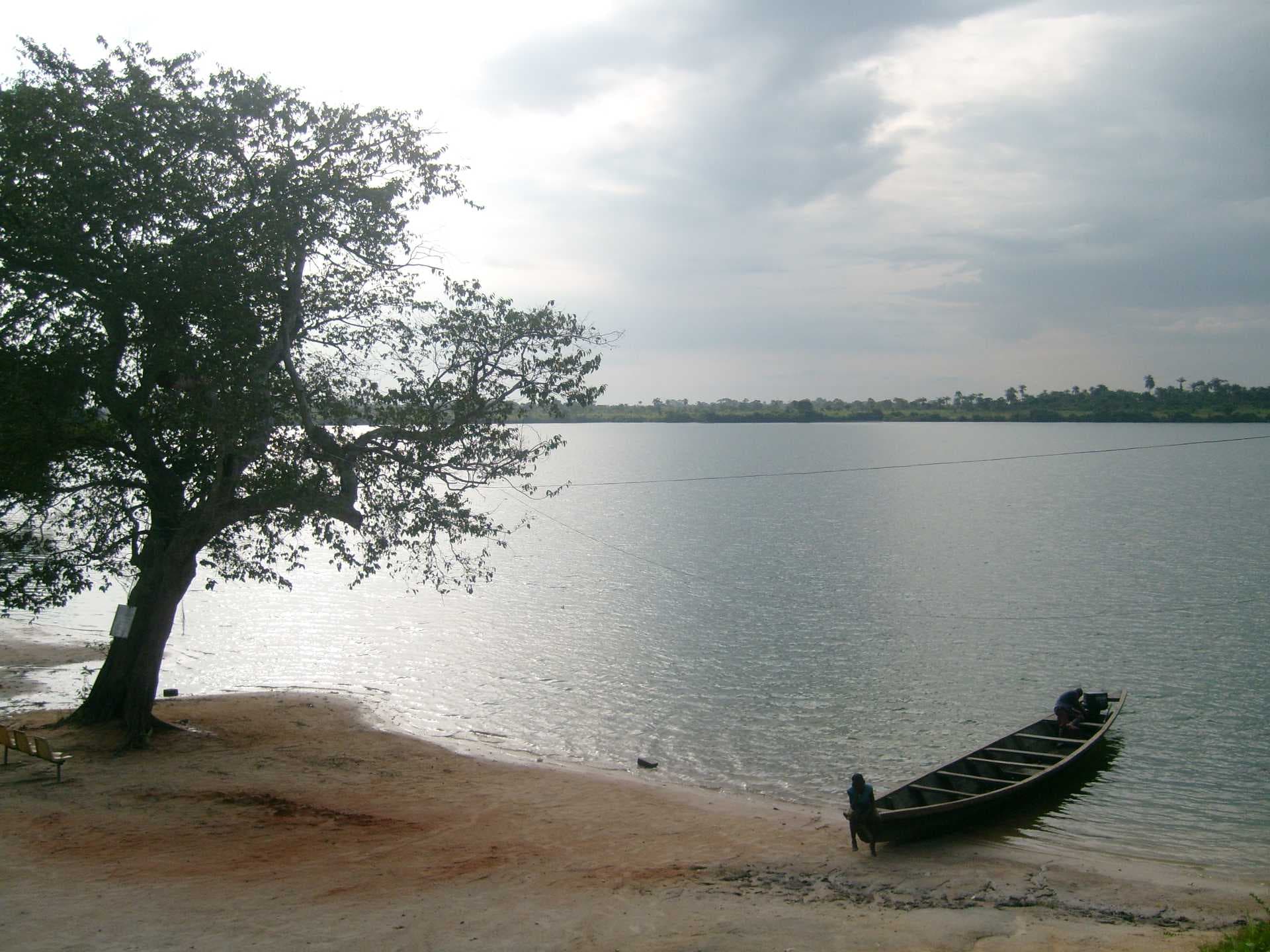
There is a specific kind of silence that falls over Oguta Lake just before the rain starts. The quiet carries the heavy, humid pause of a tropical storm holding its breath. You stand on the edge of the water, watching the surface ripple with the movement of tilapia and catfish, and you realize that the brochure promise of “four-star comfort” means something very different here than it does in Lagos or London. In Oguta, Nigeria, a four-star hotel is defined by whether the generator kicks in before the national grid fails, if the ice machine actually works, and if the view of the lake is unobstructed by the occasional power pole.
I arrived expecting a resort. I found a town that takes its water seriously. Oguta is the gateway to the largest natural lake in Imo State, a Ramsar site of international importance since 2008. The lake itself sits where the lower course of the Njaba River meets alluvial deposits. It is the protagonist of this story. Everything else—the roads, the buildings, the hotels—is merely supporting cast. And let me tell you, the supporting cast is doing its best.
The Myth of the Star Rating
Let’s address the elephant in the room, or rather, the lack of elephants. Searches for a certified, internationally branded four-star hotel in Oguta often hit a wall. The concept of strict star ratings remains fluid in many parts of rural Nigeria. The quality of the experience inside matters far more than the number of stars painted on the door.
Most travelers aiming for Oguta base themselves in Owerri, the state capital, which is a few hours’ drive away. Owerri possesses the infrastructure. It hosts hotels with swimming pools and business centers. Yet Owerri is not Oguta. Staying in Owerri and day-tripping treats Oguta like a postcard. Staying in Oguta means living in the landscape.
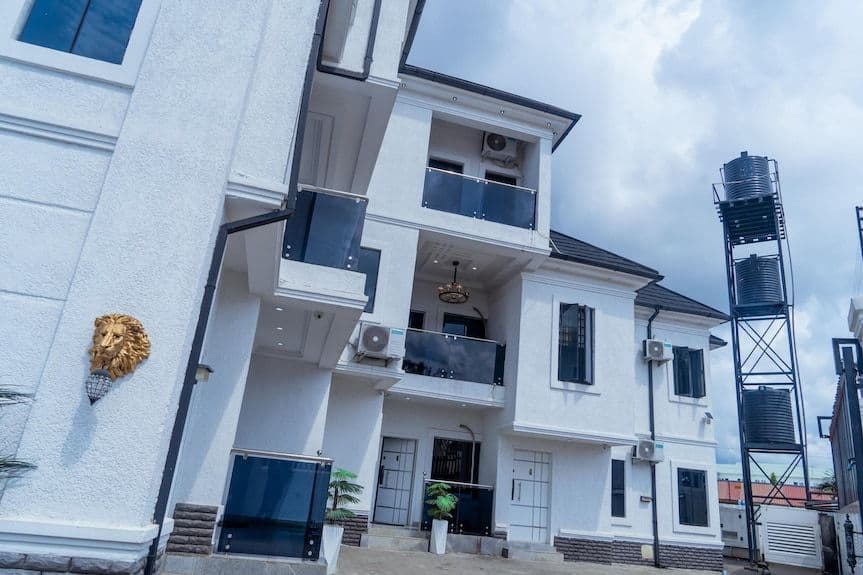
If you choose to stay in Oguta itself, you look at guesthouses and smaller lodges that offer the essentials: a clean bed, hot water (sometimes), and proximity to the lake. The “luxury” here lies in the space. You do not squeeze between neighbors. You surround yourself with the equatorial rainforest. The “four-star” experience in Oguta grants the freedom to walk out onto a wooden jetty at dawn and watch the mist rise off the Njaba River without a single person asking you to buy anything. That is a service you cannot get in a city center.
Where to Stay: The Real Options
Since specific “four-star” brands are not verified in the town proper, your accommodation strategy requires a shift in perspective. You have two main paths.
1. The Base Camp Strategy (Owerri): Stay in Owerri. This represents the pragmatic choice. You gain reliable electricity, international-standard hotels, and easy access to supermarkets. From here, you hire a driver or join a tour to Oguta. The drive takes time, but you sleep well. Look for hotels in the central districts of Owerri that advertise security and backup generators. This serves as the safe bet for business travelers or those uncomfortable with rustic conditions.
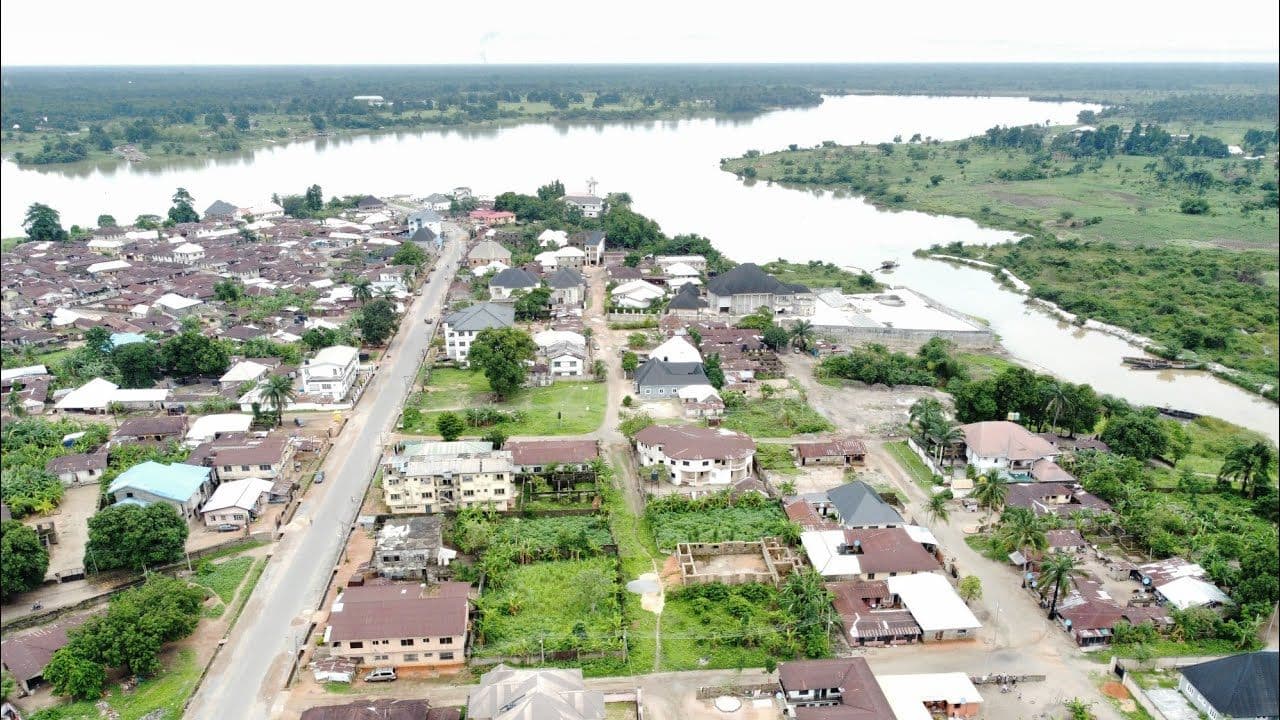
2. The Immersion Strategy (Oguta Town): Stay in Oguta. Here, you seek the best guesthouses in the Oguta New Layout. This planned residential and administrative section stands distinct from the older 27-village settlement. It appears cleaner, more organized, and closer to modern amenities. Prices vary, but expect to pay in Nigerian Naira. Cash reigns supreme. Ask about the generator schedule. Ask about the mosquito nets. If the host can tell you the best time to see fish on the lake, you have found a good place. Nightly rates in these local lodges remain significantly lower than in Owerri, often ranging from a few thousand Naira to mid-range figures depending on the room’s proximity to the water. Location serves as the differentiator here. You stand steps away from the Ramsar site.
Practicalities: Getting There and Around
Transport to Oguta relies primarily on road networks. No railways serve the town directly. The roads from Owerri can prove challenging, especially during the rainy season. Potholes test your vehicle’s suspension and your patience simultaneously. Hire a driver who knows the route. Do not rely on GPS alone. The roads may change, or disappear into mud, depending on the weather.
Movement within Oguta stays local. Walking works fine within the New Layout. For trips to the lake’s edges or the older villages, you will need a local taxi or motorbike. Negotiate fares before you get in. The currency is the Nigerian Naira (NGN). Ensure you hold small denominations. ATMs in Oguta prove unreliable compared to Owerri. Withdraw cash in the capital before you head out.
Money matters remain straightforward but require preparation. Credit cards rarely find acceptance in local lodges or small eateries. Carry enough cash for your entire stay, plus a buffer for unexpected transport costs.
Eating Well by the Lake
Food in Oguta proves simple and honest. Michelin stars do not exist here. Fresh fish dominates the menu. Specifically, tilapia and catfish from Oguta Lake grace your plate. These fish swim in a protected wetland ecosystem. They differ from the farm-raised varieties you might find in supermarkets elsewhere. Local cooks grill, fry, or stew them with local spices.
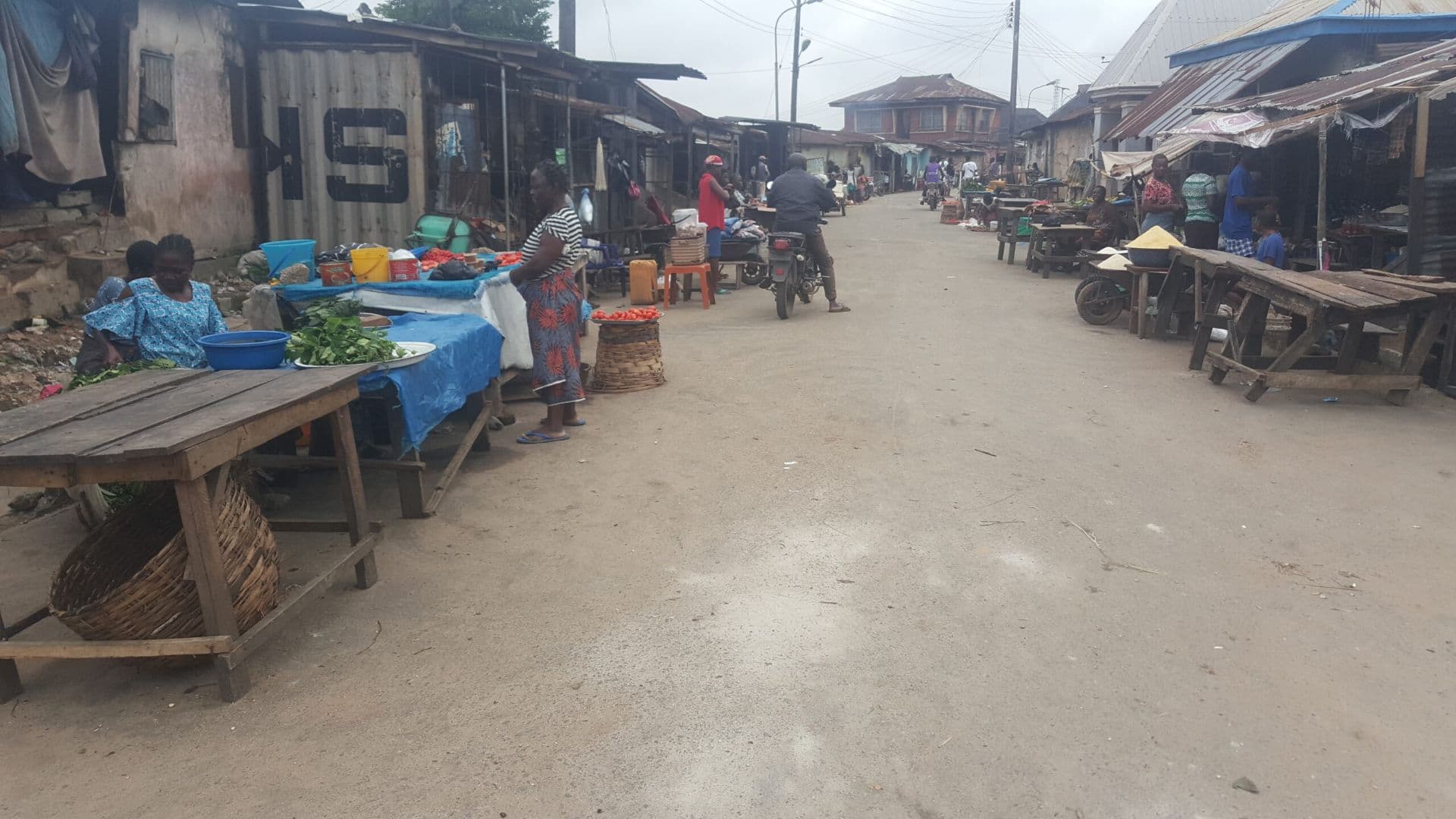
Local eateries near the market area offer the best bets. Ask for the fish of the day. Simple cooking methods prevail, often paired with plantains or rice. The flavor remains pure. The setting stays informal. You eat with your hands or with a fork, sitting on plastic chairs under a corrugated roof. The experience lacks glamour, but delivers deliciousness. The smell of frying fish mixes with the damp earth of the rainforest to create the true scent of Oguta.
General Igbo cuisine applies here. Expect stews made with palm oil, peppers, and local vegetables. Communicate clearly if you have dietary restrictions. The focus remains on communal eating and sharing. Join in. It provides the best way to connect with the locals.
When to Go and Who It’s For
Timing dictates your experience in Oguta. The lake’s size fluctuates with the seasons. The dry season offers better access to the lake edges and more stable road conditions. The rainy season brings lush greenery but also mud and potential flooding. Plan your trip around the dry months for easier travel.
Be aware of holidays. Eid-el-Mawlid is estimated for August 25, 2026. With only three weeks away, expect higher demand and surge pricing if you plan to visit then. Book early. Independence Day on October 1, 2026, marks another peak period. Christmas Day and Boxing Day in December bring families back home, filling up local lodges. Avoid these dates if you prefer solitude and lower prices.
Oguta suits travelers who value nature over nightlife. It welcomes photographers, birdwatchers, and those seeking a slow-paced retreat. Luxury seekers requiring 24-hour room service should look elsewhere. Those who understand that a “four-star” experience can mean a clean room, a stunning view, and a plate of fresh fish eaten in peace will thrive here.
Stay for two to three days. One day proves too short to absorb the atmosphere. Three days allow you to explore the lake, visit the New Layout, and perhaps take a boat trip if available. Bring insect repellent. Bring patience. Leave your expectations of urban convenience at the border.
FAQ
Is it safe to travel to Oguta? Generally, yes. Oguta functions as a peaceful town. Standard travel precautions apply: secure your valuables, be aware of your surroundings, and travel during daylight hours. Check current travel advisories for Imo State before departure.
Can I use my credit card in Oguta? Unlikely. Most local establishments operate on cash. Withdraw Nigerian Naira in Owerri or major cities before heading to Oguta.
Do I need a visa? Yes, most international travelers require a visa to enter Nigeria. Check with the Nigerian embassy or consulate in your country for the latest requirements and processing times. Apply well in advance.