Ambarita has no 4-star hotels. You’ll stay in Parapat or Tomok, then drive 20 minutes to this eerie, historic Batak village on Samosir Island.
The Truth About Luxury Here
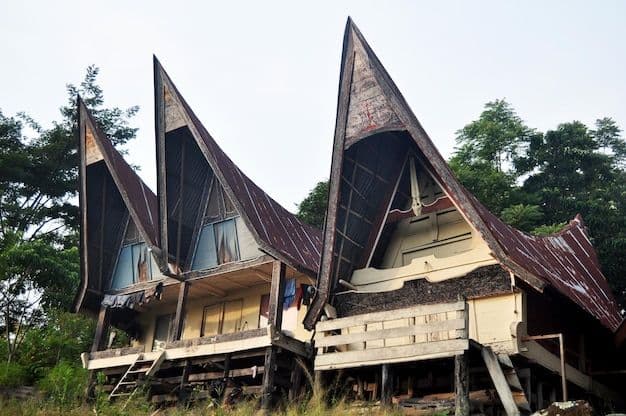
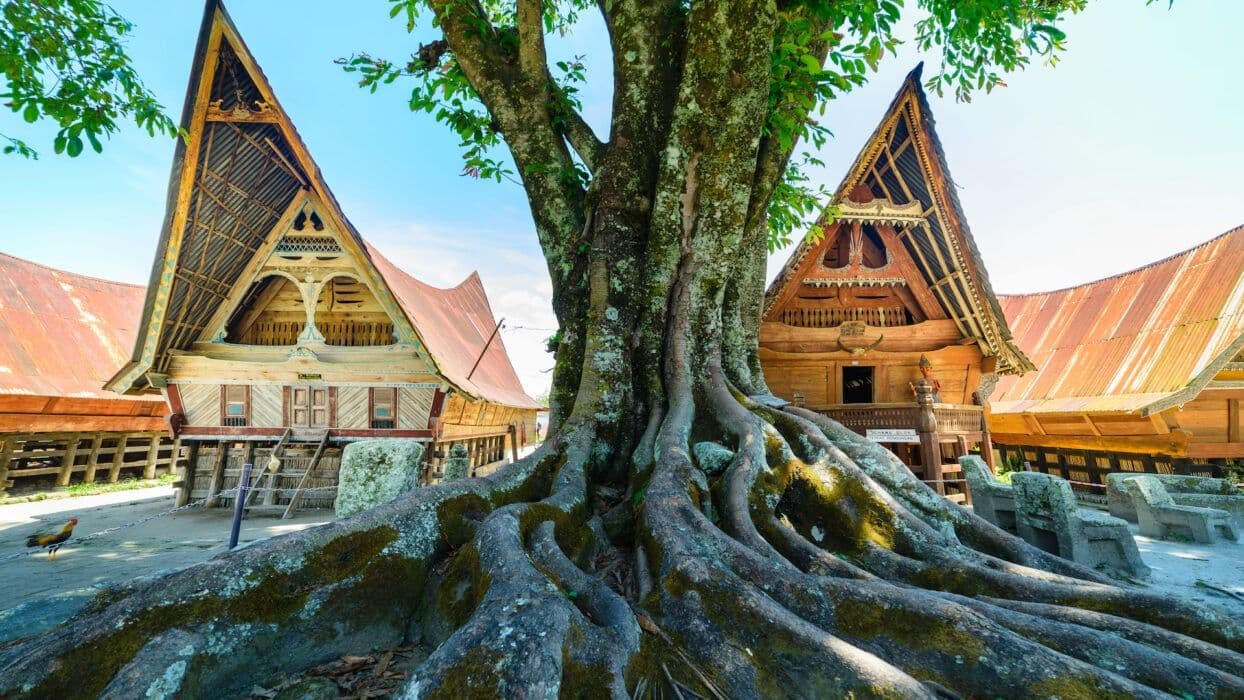
Let’s get the uncomfortable part out of the way first: you will not find a 4-star hotel in Ambarita. If you are looking for marble lobbies, infinity pools, and concierges who know your name before you’ve ordered your coffee, you are in the wrong zip code. Ambarita is a small, traditional Batak village on Samosir Island, floating in the middle of Lake Toba. It is a place of ancient stone chairs, wooden houses that have seen better centuries, and an atmosphere that locals describe as "somewhat eerie."
Ambarita serves as a destination for history and atmosphere. The accommodation within the village itself consists of local homestays and small guesthouses. These are charming, authentic, and deeply connected to the community, but they do not meet the international standards of a 4-star rating. If you arrive expecting a resort experience in Ambarita, you will be disappointed. If you arrive expecting a profound cultural immersion with a comfortable bed nearby, you are in business.
The strategy is simple: base yourself in a nearby town where the 4-star infrastructure exists, and treat Ambarita as a day trip. This approach gives you the best of both worlds—the comfort of modern amenities and the raw, unpolished history of the island’s interior. It is a pragmatic travel model that respects the village’s integrity while ensuring you sleep well.
Where to Stay (The Real Options)
Since Ambarita lacks high-end hotels, your base of operations will be one of three nearby hubs. Each offers a different flavor of comfort and convenience.
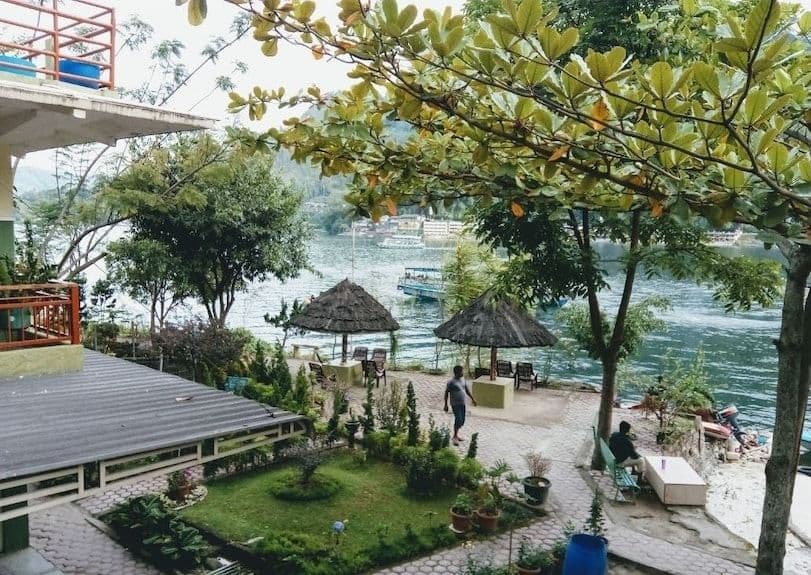
Parapat: Located on the mainland, Parapat is the gateway to Samosir Island. It is the most practical base for logistics. You will find several 4-star hotels here, offering air-conditioned rooms, swimming pools, and reliable Wi-Fi. Nightly rates typically range from IDR 1.5 million to IDR 3 million. The advantage is proximity to the ferry terminal. You can check out, hop on a ferry to Tomok, and be in Ambarita within an hour. It is efficient, clean, and modern.
Tomok: This is the main port on Samosir Island. Accommodation here is more limited, but there are decent mid-range to upper-mid-range hotels that approach 4-star standards in comfort, if not in grandeur. Prices are similar to Parapat, around IDR 1.5 million to IDR 2.5 million per night. Staying in Tomok cuts down your travel time to Ambarita significantly. It is a 20-minute drive from the port to the village. You wake up, have a slow coffee, and are in the heart of Batak history by mid-morning.
Balige: Located on the mainland but closer to the island’s eastern side, Balige offers a quieter, more colonial-era charm. It has a few well-regarded hotels that provide excellent service and comfort. Rates are comparable, hovering around IDR 1.5 million to IDR 3 million. Balige is slightly further from Ambarita than Tomok, but it offers a more relaxed town atmosphere. It is a good choice if you want to combine your Ambarita visit with other mainland attractions.
The key is to book ahead, especially during peak season. These towns fill up, and the good rooms go quickly.
Getting There and Around
Accessing Ambarita requires a bit of legwork. There is no railway line serving the village, and Samosir Island is inaccessible by rail. You must use the ferry system.
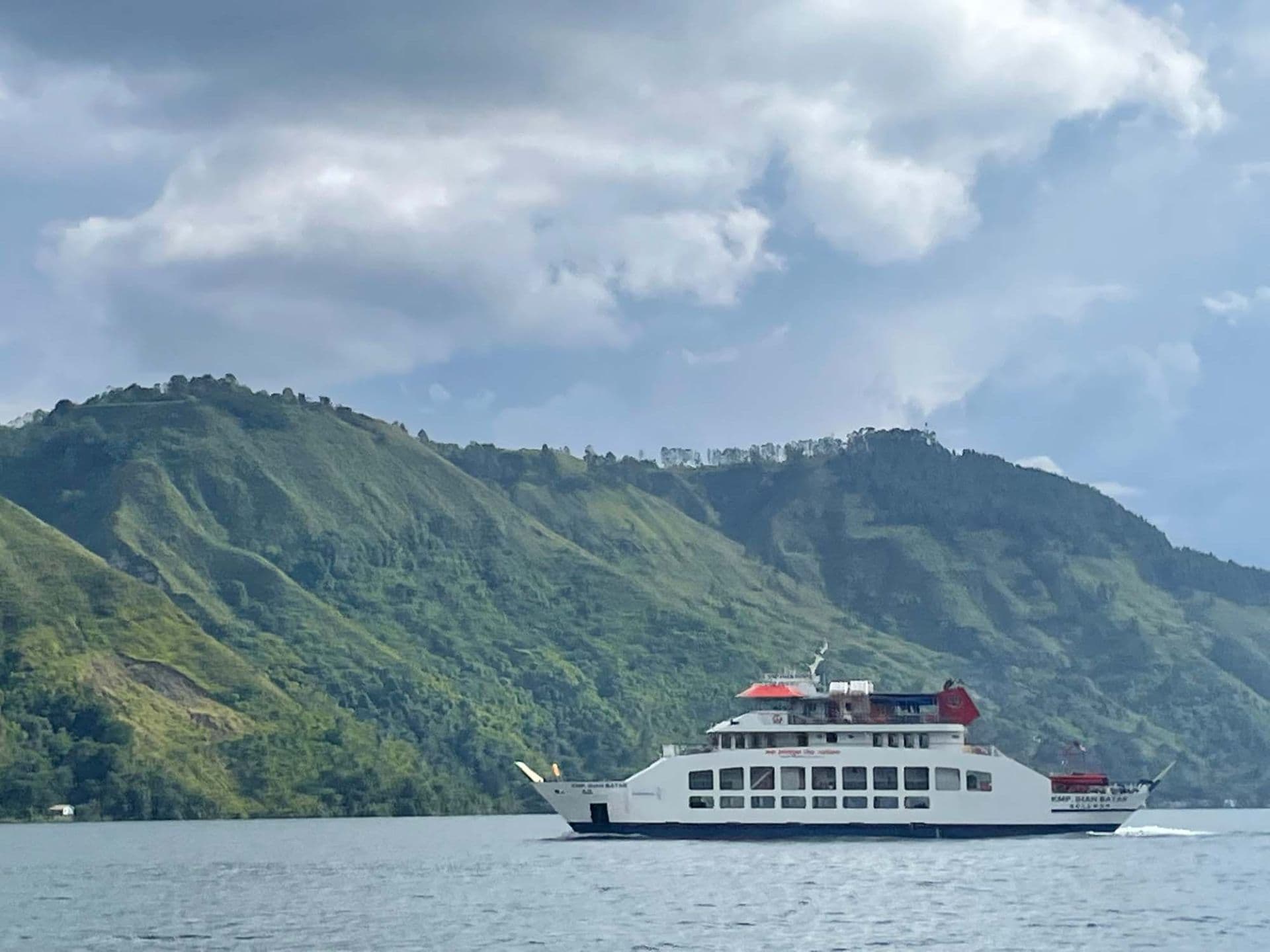
Start in Parapat. Take a ferry from the Parapat terminal to Tomok Port on Samosir Island. The ferry ride is short, taking about 15–20 minutes, and offers stunning views of Lake Toba. Tickets are affordable, typically around IDR 15,000–20,000 per person. From Tomok, you need ground transport. Ambarita is approximately a 20-minute drive away. You can hire a car with a driver, rent a motorcycle, or take a local minibus (angkot). Hiring a car is the most comfortable option, especially if you plan to visit other sites on the island. Expect to pay around IDR 300,000–500,000 for a half-day hire.
Once in Ambarita, the village is small enough to explore on foot. The main attractions are clustered together, so you won’t need much transport within the village itself. Just be prepared for uneven paths and traditional wooden structures that are best admired from a respectful distance.
The Eerie History of Ambarita
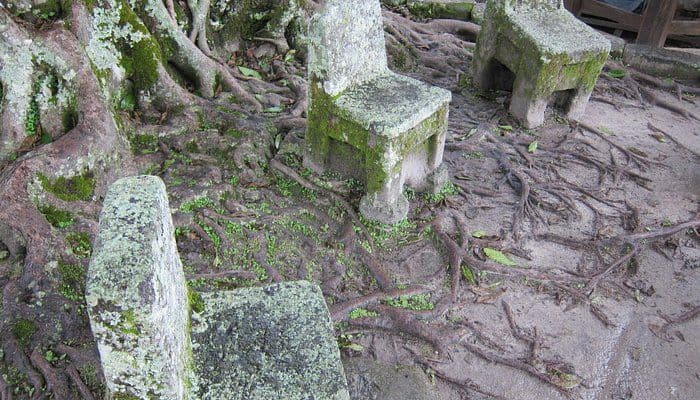
Ambarita functions as a museum of Batak history. The most famous landmark is King Siallagan’s Stone Chair. These ancient stone chairs were used for traditional Batak council meetings and trials in the pre-Christian era. They are heavy, imposing, and deeply symbolic. Standing next to them, you can almost feel the weight of the decisions made here centuries ago.
The village itself is known as the Ambarita Stone Chair Village. It is home to ancient relics and traditional wooden houses, some of which are over 100 years old. These houses serve as living structures that reflect the architectural ingenuity of the Batak people. The atmosphere is described as "somewhat eerie," which stands as an observation. The old houses, the stone chairs, and the quiet streets create a sense of timelessness that is both captivating and slightly unsettling.
It is a place to slow down, to listen, and to observe. Do not rush through Ambarita. Take your time to appreciate the details, the textures, and the history. It is a rare opportunity to step back in time without leaving Indonesia.
Food and Local Culture
While there are no specific dishes unique to Ambarita village named in authoritative sources, you will have access to standard Batak cuisine available across Samosir Island and the Lake Toba region. Look for Soto Dogo, a hearty beef soup with rice cakes, or Arsik, a fish dish cooked in coconut milk and spices. These are regional staples that offer a taste of local life.
Eat at local warungs (small family-owned eateries) in Tomok or Parapat for the best experience. Prices are reasonable, typically around IDR 50,000–80,000 for a meal. The food is flavorful, spicy, and satisfying. It is not gourmet, but it is authentic.
Respect local customs. Ambarita is a traditional village, and the community values privacy and respect. Dress modestly, ask permission before taking photos of people, and be mindful of your surroundings. The Batak people are warm and welcoming, but they also value their heritage. Treat it with the respect it deserves.
When to Go and Practical Tips
The best time to visit Ambarita is during the dry season, from April to October. This period offers clearer skies, less rain, and easier travel conditions. Heavy rains can affect ferry schedules and road conditions, so plan accordingly.
Upcoming Holidays:
- Independence Day (August 17, 2026): Expect higher demand, surge pricing, and crowding. Book early.
- Prophet's Birthday (estimated August 25, 2026): Local observances may affect business hours.
- Christmas Day (December 25, 2026) and New Year's Day (January 1, 2027): Peak tourist season. Prices will be higher.
- Isra' and Mi'raj (estimated January 5, 2027): Religious observance.
Ambarita is suitable for solo travelers, couples, and small groups who appreciate history and culture. It is less ideal for families with young children due to the lack of child-friendly amenities and the "eerie" atmosphere. Plan for a day trip from your base in Parapat, Tomok, or Balige. Allow at least 4–5 hours to explore the village and surrounding areas.
FAQ:
Do I need a visa for Indonesia? Most travelers require a visa on arrival or an e-visa. Check the latest regulations before you travel.
Is it safe to rent a motorcycle? It is common, but only rent if you are experienced. Roads can be narrow and winding. Helmets are mandatory.
What currency should I use? Indonesian Rupiah (IDR). Cash is king in villages like Ambarita. ATMs are available in Parapat and Tomok.