Rusnė offers nature, not luxury. Stay in 4-star hotels in Šilutė or Klaipėda for comfort, then commute to the island.
The Nemunas Delta does not care about thread counts. It cares about tides, reeds, and the precise migration patterns of storks. Rusnė, an island of roughly 47 square kilometers in southwestern Lithuania, is a place of wooden architecture and wetland silence. It lacks marble lobbies. If you arrive here expecting a four-star hotel experience on the island itself, you will find a discrepancy between your expectations and the reality of the landscape. There are no four-star hotels in Rusnė. The accommodation options are private guesthouses, cottages, or camping. The island’s identity is defined by this absence of high-end lodging. However, the lack of four-star amenities on Rusnė does not preclude a comfortable stay. It requires logistical discipline. You must anchor your base in the mainland hubs of Šilutė or Klaipėda, where the hospitality infrastructure meets international standards, and commute to the island for its specific assets: the Nemunas Delta Regional Park, the Gandhi monument, and the smoked fish. This guide evaluates the efficiency of this split-stay strategy, treating the island as a destination and the nearby towns as the operational headquarters.
The Accommodation Audit
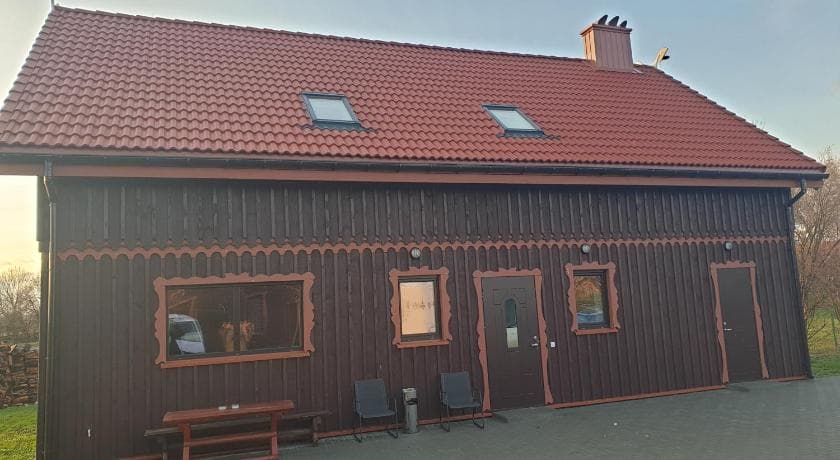
The concept of a "four-star hotel" is a metric of consistency, service, and infrastructure. Rusnė, with a population of approximately 1,000 to 1,500, does not support such establishments. The island’s villages—Vorusnė, Šyškrantė, Pakalnė, Uostadvaris, and Skirvytėlė—offer private rooms and family-run guesthouses. These options provide adequate shelter and immersion in local life. They lack the amenities associated with four-star ratings, such as daily housekeeping, on-site dining, fitness facilities, and standardized service protocols. To secure a four-star experience, you must look to the mainland.
Šilutė, located approximately 20 to 30 minutes from Rusnė via the ferry or bridge connections, serves as the primary logistical hub for the region. It hosts several hotels that meet four-star criteria, offering reliable Wi-Fi, breakfast buffets, and professional concierge services. Klaipėda, the larger port city about an hour’s drive away, provides a wider selection of international chain hotels and boutique properties with higher service ceilings. The strategy is clear: book a room in Šilutė or Klaipėda for the night, and use the day for exploration on Rusnė. This approach maximizes comfort while minimizing the friction of island logistics. Do not attempt to find a four-star hotel on Rusnė; it does not exist. Focus your search on the mainland, where the infrastructure is built to accommodate international travelers who demand predictability.
The Ferry and Road Reality
Access to Rusnė is controlled by water and road. There is no railway station on the island. The rail network terminates on the mainland, forcing all rail travelers to transfer to road transport. The primary connection is via the ferry or bridge links from Šilutė or Plakynė. This transit requirement dictates the pace of your visit. You cannot drive directly onto the island without planning for the ferry schedule or the road conditions. The ferry ride is short, but it is a bottleneck. During peak season, queues can form, disrupting a tightly scheduled itinerary.
For those seeking efficiency, a car is the optimal tool. It allows for flexibility in timing and the ability to transport equipment, such as cameras for birdwatching or gear for exploring the Nemunas Delta Regional Park. The drive from Klaipėda to Rusnė takes approximately one hour, depending on traffic and ferry wait times. From Šilutė, the journey is shorter, around 20 to 30 minutes. The road infrastructure is generally well-maintained, but the island itself features narrower roads and limited parking. If you are staying in a four-star hotel in Klaipėda, the drive is a significant part of the day. Factor this into your planning. The commute functions as a transition from the urban environment to the delta. The landscape changes from concrete to reedbeds. The air changes from exhaust to damp earth. The shift is immediate and total.
Nemunas Delta Regional Park
The Nemunas Delta Regional Park is the primary asset of Rusnė. It is a vast expanse of reedbeds, meandering waterways, and wetlands. The park operates as a wild, functional ecosystem. It is popular for birdwatching, offering sightings of species that are rare or absent in other parts of Lithuania. The reedbeds provide cover for herons, egrets, and various waterfowl. The meandering waterways create a complex network of channels that support diverse aquatic life.
Visiting the park requires patience and observation. It is not a place for rapid movement. The best experience comes from standing still, watching the water, and listening to the birds. The light in the delta is distinct, filtered through the reeds and reflecting off the water. It creates a soft, diffuse illumination that is ideal for photography. The park is accessible by road and boat, but the most effective way to explore is by walking along the designated trails or taking a guided boat tour. The guides are knowledgeable about the local ecology and can point out species that might otherwise go unnoticed. The park is a testament to the natural order of the region. The ecosystem is designed for survival. Your role is to observe without disrupting.
The Gandhi Monument and Wooden Heritage
The Monument to Mahatma Gandhi and Hermann Kallenbach is a specific point of interest on the island. Unveiled in October 2015, it honors the friendship between the Indian leader and Kallenbach, a native of Rusnė. The monument is a simple, dignified structure that stands in contrast to the surrounding natural landscape. It serves as a reminder of the island’s connection to global history and intellectual exchange. Kallenbach’s role in Gandhi’s life is a significant part of the local narrative, and the monument provides a physical anchor for that story.
Beyond the monument, the island is characterized by preserved old wooden architecture. These traditional wooden buildings are a key part of Rusnė’s heritage. They function as homes and community spaces. The wood is weathered, the paint is often faded, but the structures are solid and functional. They reflect a building tradition that is adapted to the local climate and materials. Walking through the villages, you can see the craftsmanship and the care that has gone into maintaining these buildings. They are a visual record of the island’s history. The wooden architecture provides a sense of continuity and stability in a place that is otherwise defined by the shifting waters of the delta.
Smoked Fish and Local Sustenance
Rusnė is known as the "capital of the tastiest smoked fish" in Lithuania. This reputation is earned through consistent quality. The local specialties are prepared by residents using fresh catch from the Nemunas Delta. The fish is smoked using traditional methods, resulting in a product that is rich in flavor and texture. The smoke adds a depth that is not present in fresh fish, and the process preserves the catch for longer periods.
Eating smoked fish in Rusnė is a direct connection to the local economy and culture. The dish is often sold in local shops, markets, or small eateries on the island. The experience is simple: you buy the fish, and you eat it. It may be served with bread, potatoes, or other local sides. The flavor is the focus. The fish is a testament to the skill of the local fishermen and smokers. It is a product that cannot be replicated elsewhere, because it is tied to the specific waters and methods of the Nemunas Delta. If you are staying in a four-star hotel in Šilutė or Klaipėda, you may not find this specific quality of smoked fish. You must bring it back from Rusnė. It is a portable souvenir that captures the essence of the island.
When to Go and Practical Advice
The best time to visit Rusnė is from late spring to early autumn. This period offers the most favorable weather for outdoor activities and birdwatching. Spring is notable for seasonal floods, which are a key natural attraction. The floods transform the landscape, creating new waterways and expanding the wetlands. This is a dynamic period for nature enthusiasts. Summer brings warmer temperatures and longer days, making it ideal for walking and photography.
Be aware of upcoming holidays that may affect availability and pricing. The Day of Dew and Saint John is on June 24, 2026, in approximately one week. Expect higher demand, surge pricing, and crowding during this period. Book your accommodation and ferry tickets early. Statehood Day is on July 6, 2026, in approximately three weeks. This may also see increased local traffic. Assumption Day is on August 15, 2026, in approximately two months. All Saints' Day and All Souls' Day are in November 2026, which is outside the optimal visiting season due to cooler weather.
For solo travelers, families, or slow travelers, Rusnė offers a different pace. It is not a place for rapid sightseeing. It is a place for observation and reflection. A stay of two to three days is sufficient to experience the island’s key features: the park, the monument, and the local food. Stay in a four-star hotel in Šilutė or Klaipėda for comfort, and use the island for its natural and cultural assets. This strategy provides the best of both worlds: luxury accommodation and authentic island experience.
FAQ
Is there a train to Rusnė? No. There is no railway station or rail line on Rusnė. Access is by road via ferry or bridge from Šilutė or Plakynė.
Are there 4-star hotels on Rusnė? No. There are no four-star hotels on Rusnė. Accommodation is limited to guesthouses and cottages. For four-star amenities, stay in Šilutė or Klaipėda.
What is the best local food to try? Smoked fish. Rusnė is known for its high-quality smoked fish, prepared from fresh catch in the Nemunas Delta.