Skip the Tokyo crowds. Abiko-shi offers 30-minute train access to Ueno and a quiet, authentic slice of Chiba life without the price tag.
The train from Ueno arrives in Abiko-shi with the kind of punctuality that makes you question your own life choices. You step out onto the platform, adjust your bag, and realize you are exactly thirty-one kilometers away from the chaos of central Tokyo, yet the air here smells less like exhaust and more like damp concrete and distant river water. You choose this destination when you decide that your vacation should involve fewer selfies and more actual living.
Abiko-shi, located in Chiba Prefecture, exists to serve Tokyo but has quietly retained its own rhythm. It is a commuter hub, yes, but for the traveler willing to look past the rush hour crowds, it offers a window into the Japanese suburban experience that guidebooks often skip. There are no towering skyscrapers here, no neon-lit districts demanding your attention. Instead, there is the steady hum of daily life, the clatter of trains on the Jōban Line, and a sense of calm that is increasingly rare in the Kanto region.
The Heart of the Hub
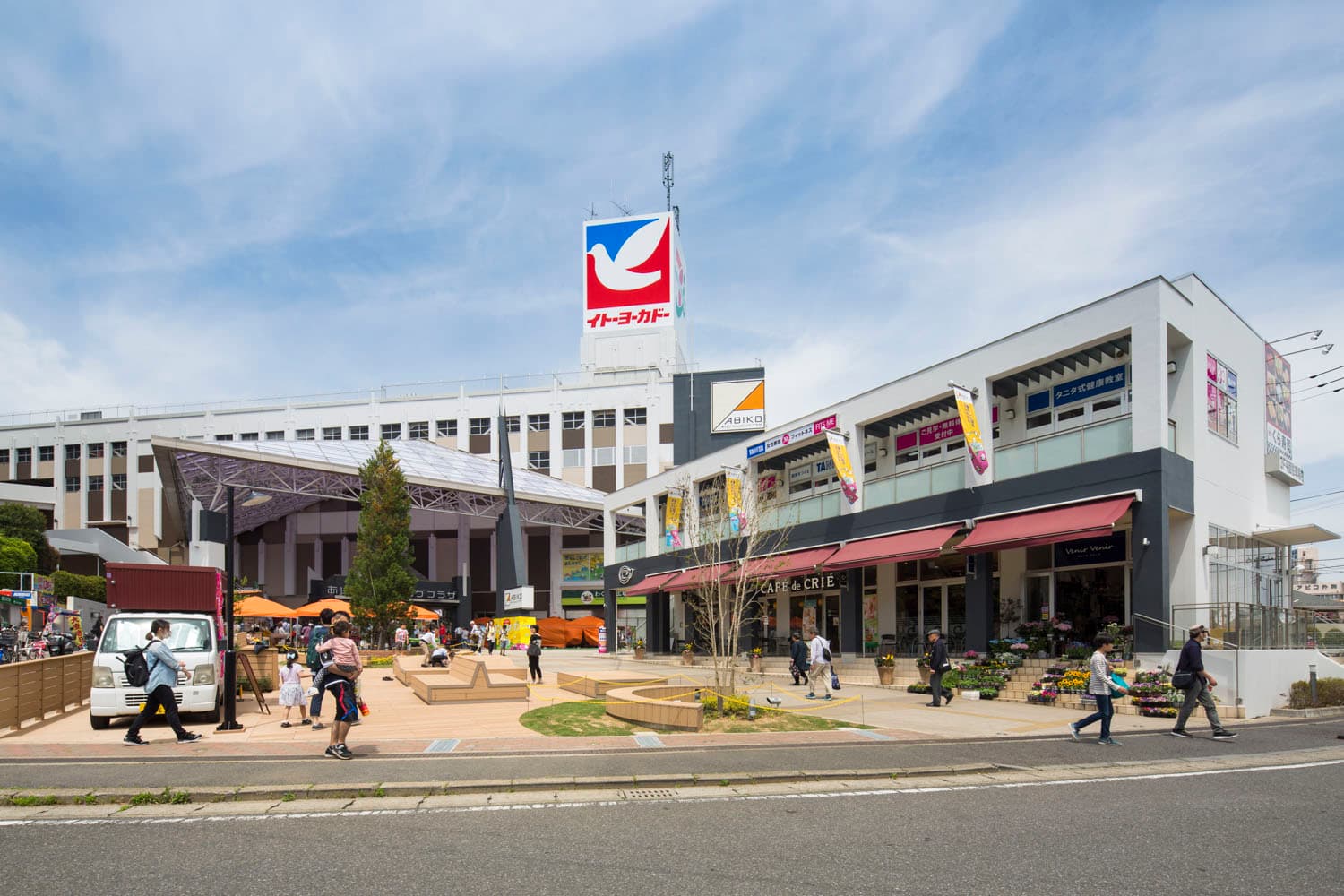
If Abiko-shi has a pulse, it beats at Abiko Station (我孫子駅). This is a major junction operated by JR East, serving as the logistical center of the city. For the visitor, this is both a blessing and a slight complication. The station is large, busy, and efficiently designed to move thousands of commuters toward Tokyo’s Ueno Station or out toward Narita.
The Jōban Line is your primary artery here. It connects Abiko directly to Ueno in approximately 30 to 40 minutes, depending on whether you catch a rapid or local service. This proximity is the city’s defining feature. You are close enough to Tokyo for a day trip if you forget your sunscreen, but far enough away that the noise of the metropolis fades into a distant memory within ten minutes of leaving the station.
The Narita Line (specifically the Abiko Branch Line) also serves the station, offering connections toward Narita. While most tourists fly into Narita and never look back, staying in Abiko allows you to experience the rail network that locals rely on. The station area is a mix of modern convenience stores, small eateries, and residential blocks. It is functional, clean, and unpretentious. You find the reality of modern Japanese urban planning here: efficient, safe, and surprisingly comfortable.
Where to Stay
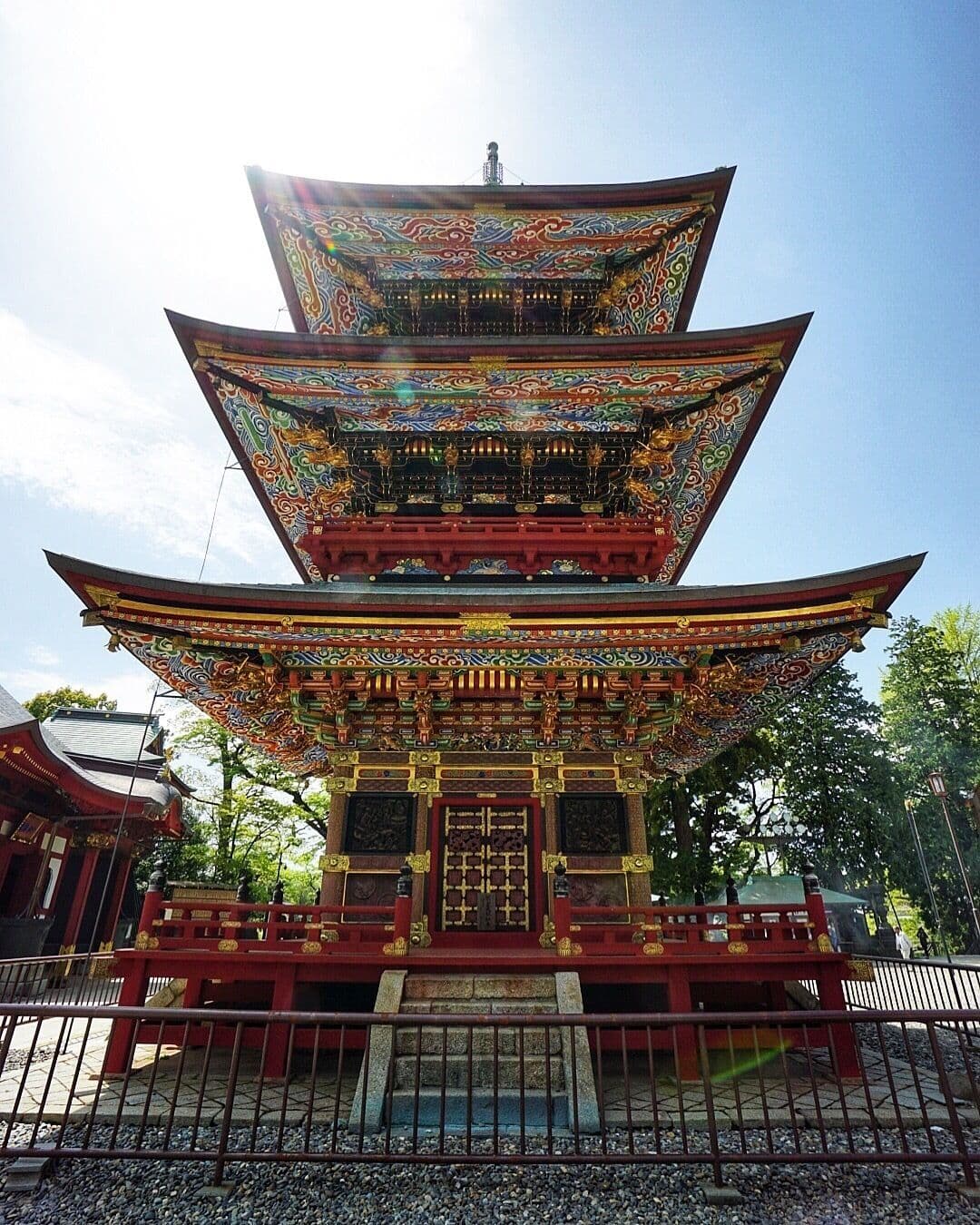
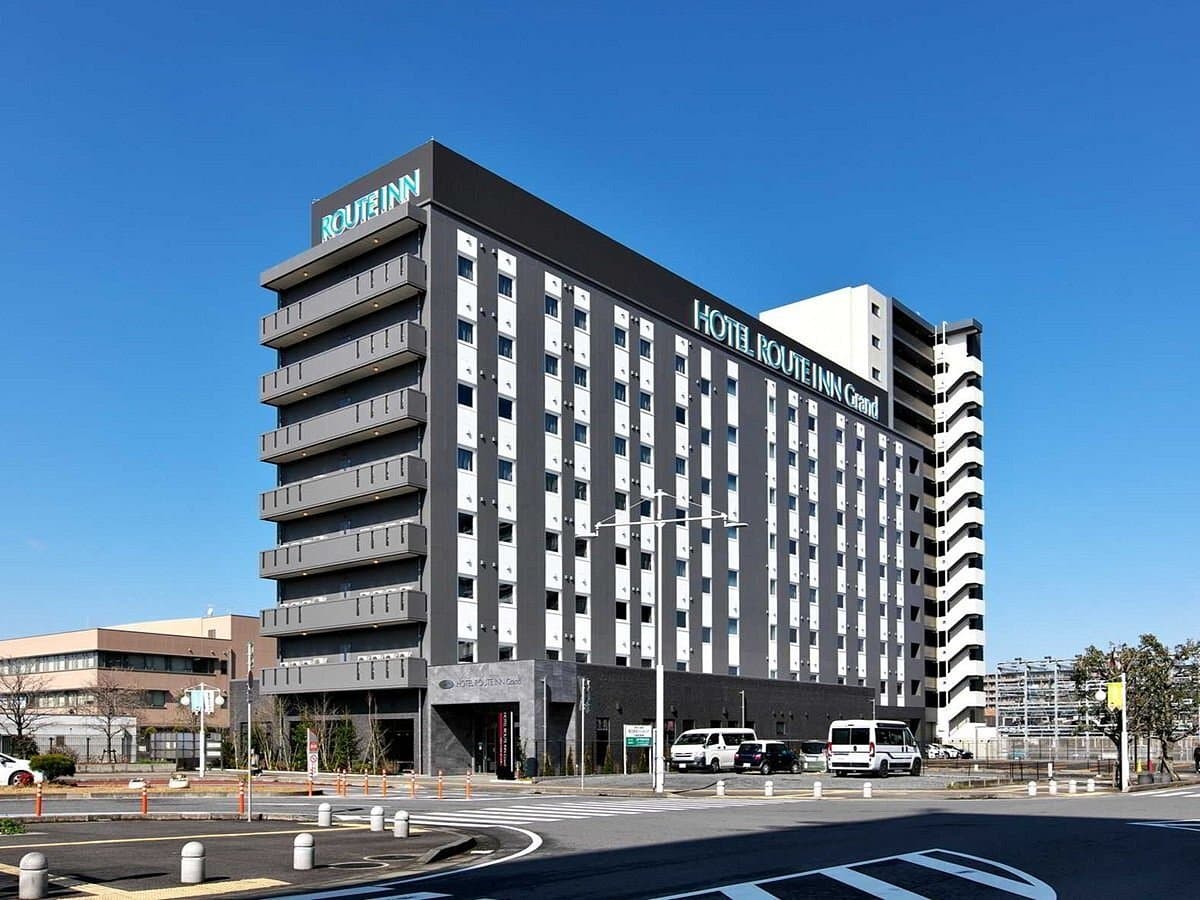
Because Abiko-shi is primarily a residential and commuter city, the accommodation options are different from what you might expect in a tourist hotspot. You are unlikely to find a cluster of international hotel chains or boutique ryokans in the city center. Instead, lodging tends to be practical and integrated into the local fabric.
For most visitors, the best strategy is to look for business hotels or minshuku (family-run guesthouses) in the immediate vicinity of Abiko Station. These properties are designed for efficiency rather than opulence. You can expect clean, compact rooms, free Wi-Fi, and a location that puts you within walking distance of the train lines. Prices are generally reasonable, often ranging from 5,000 to 10,000 yen per night for a standard double room, depending on the season and how far in advance you book.
If you prefer a more traditional experience, you may need to venture slightly further into the residential neighborhoods or look for accommodations in nearby towns connected by the same rail lines. However, staying near the station is recommended for its convenience. The area is well-lit at night, safe, and filled with local shops that cater to residents rather than tourists. This means you are eating where the locals eat and buying groceries where the locals buy them. It is a subtle shift, but it changes the texture of your trip from "sightseeing" to "living."
When to Visit
Getting around Abiko-shi is straightforward if you understand the rail system. Abiko Station is your anchor. From here, you can reach Ueno Station in Tokyo in roughly 30 to 40 minutes. This makes it an excellent base for day trips into the capital, allowing you to return to a quiet hotel room at night rather than navigating the crowded subway systems of Shinjuku or Shibuya.
The best time to visit Abiko-shi aligns with the broader seasonal rhythms of the Kanto region. Spring, particularly late March through April, brings cherry blossoms to the area’s parks and riversides. Autumn, from October to November, offers cooler temperatures and vibrant foliage. Because Abiko is not a major tourist destination, you will not face the crushing crowds that plague Kyoto or Tokyo during these peaks. You can enjoy the scenery with a degree of solitude that is becoming increasingly difficult to find in Japan.
Summer, while hot and humid, is manageable if you plan your days around indoor activities or early morning walks. Winter can be cold, but the dry air makes it crisp rather than biting. Regardless of the season, the rail connections remain reliable, and the local amenities are always open.
Mark your calendar for the upcoming national holidays, as they impact domestic travel patterns. The next major holiday is Marine Day on July 20, 2026. While Abiko is not a coastal destination, the holiday weekend sees increased travel across Japan, so book your train seats in advance. Mountain Day follows on August 11, 2026, another period of high domestic mobility.
Later in the year, Respect for the Aged Day (September 21), the National Holiday (September 22), and the Autumnal Equinox (September 23) create a long weekend in late September. This is a popular time for family travel, so expect slightly higher demand for accommodation and rail tickets. Sports Day on October 12, 2026, is less impactful but still worth noting if you are planning a mid-week trip.
Abiko-shi is ideal for solo travelers, couples, or small families who value convenience and authenticity over spectacle. It is a place for those who want to experience Japan as it is lived, not just as it is marketed. A stay of two to three nights is sufficient to settle into the rhythm of the town and use it as a base for exploring the wider Chiba Prefecture or Tokyo.
FAQ
Is Abiko-shi safe for solo travelers? Yes. Like most of Japan, Abiko-shi is extremely safe. Violent crime is rare, and the area around Abiko Station is well-lit and monitored. Standard precautions apply, but you can walk around with a high degree of confidence at any hour.
How do I get from Abiko to Tokyo? Take the JR Jōban Line from Abiko Station. Rapid trains reach Ueno Station in approximately 30 to 40 minutes. Purchase a ticket at the station machines or use a Suica/Pasmo IC card for convenience.
Are there many tourist attractions in Abiko-shi? Not in the traditional sense. Abiko is a residential city, not a tourist hub. The main attraction is the lifestyle itself and the convenience of its location. If you are looking for temples and museums, you will need to take a short train ride into Tokyo or nearby Chiba City. Abiko is best enjoyed as a quiet base rather than a destination in itself.