Trek Mount Wilhelm from Kundiawa. No gyms. No gear shops. Just mud, altitude, and the raw physical truth of the highlands.
You don’t come to Kundiawa to check boxes. You come because your lungs are tired of air-conditioned lies. The capital of Simbu Province sits at an elevation that punches you in the chest the moment you step off the plane. There is no soft landing here. The air is thin, cold, and smells of wet earth and woodsmoke. This place is a staging ground for the Bismarck Range. Adventure sports here are not packaged experiences sold by smiling staff in branded t-shirts. They are survival exercises. If you are looking for a zip line over a manicured jungle, you are in the wrong country. If you are ready to walk until your legs forget their own weight, you have arrived.
The Trek to Mount Wilhelm
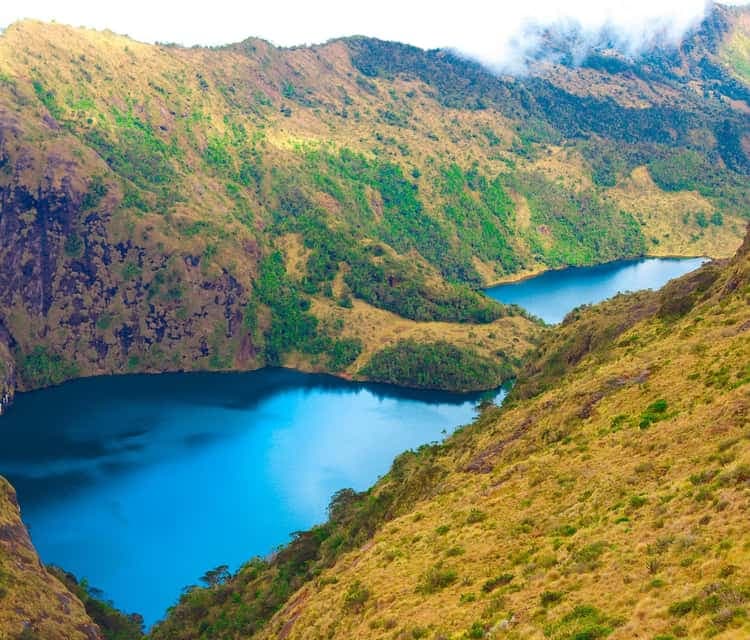
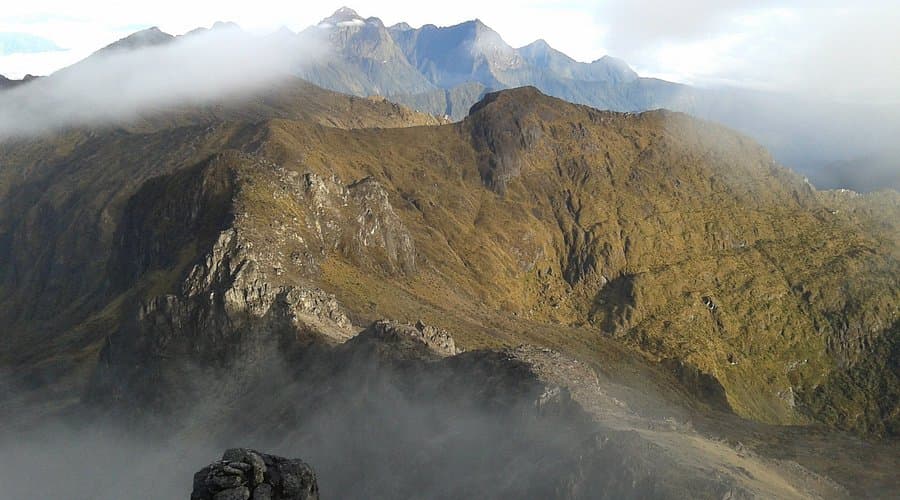
The only "sport" that matters here is walking. The trek to Mount Wilhelm is a vertical assault on a 4,509-meter peak that dominates the horizon. The trailhead is accessible from the town, but the path itself is a negotiation with gravity. You will spend hours ascending through cloud forest, the air growing denser with the scent of damp moss and rotting leaves.
There are no marked trails in the conventional sense. You follow the logic of the mountain. The terrain shifts from loose scree to dense undergrowth, demanding constant attention. Your boots will clog with mud. Your shirt will stick to your back with sweat that evaporates into the freezing air. This is the anti-consumerist dream: no Wi-Fi, no views curated for Instagram, just the brutal, honest effort of moving your body upward. The summit offers a view of the entire highland basin, a reward that feels earned rather than purchased. Most travelers attempt this over two days, camping on the slopes. Bring your own shelter. The mountain does not provide.
The Market as Physical Theater
Adventure is not always about elevation. Sometimes it is about endurance in the crowd. The Kundiawa Market is the central hub of the town, a chaotic, sensory overload that tests your balance and your patience. It serves as the economic engine of the region. Vendors sell highland produce—taro, sweet potatoes, yams—alongside cultural artifacts. The noise is deafening. Voices overlap in Tok Pisin and local dialects. The ground is uneven, slick with spilled juices and mud.
Navigating the market requires physical agility. You dodge baskets, avoid tripping over cords, and weave through crowds that move with a fluid, unpredictable rhythm. It is a workout for your reflexes. Observe the interactions. This is where the community gathers, where deals are made, and where the culture is performed without an audience of outsiders. Do not stand on the periphery. Move through it. Feel the heat of the bodies around you. Smell the fresh produce and the unwashed earth. It is a reminder that life here is tactile, immediate, and unfiltered.
Getting There: The First Hurdle
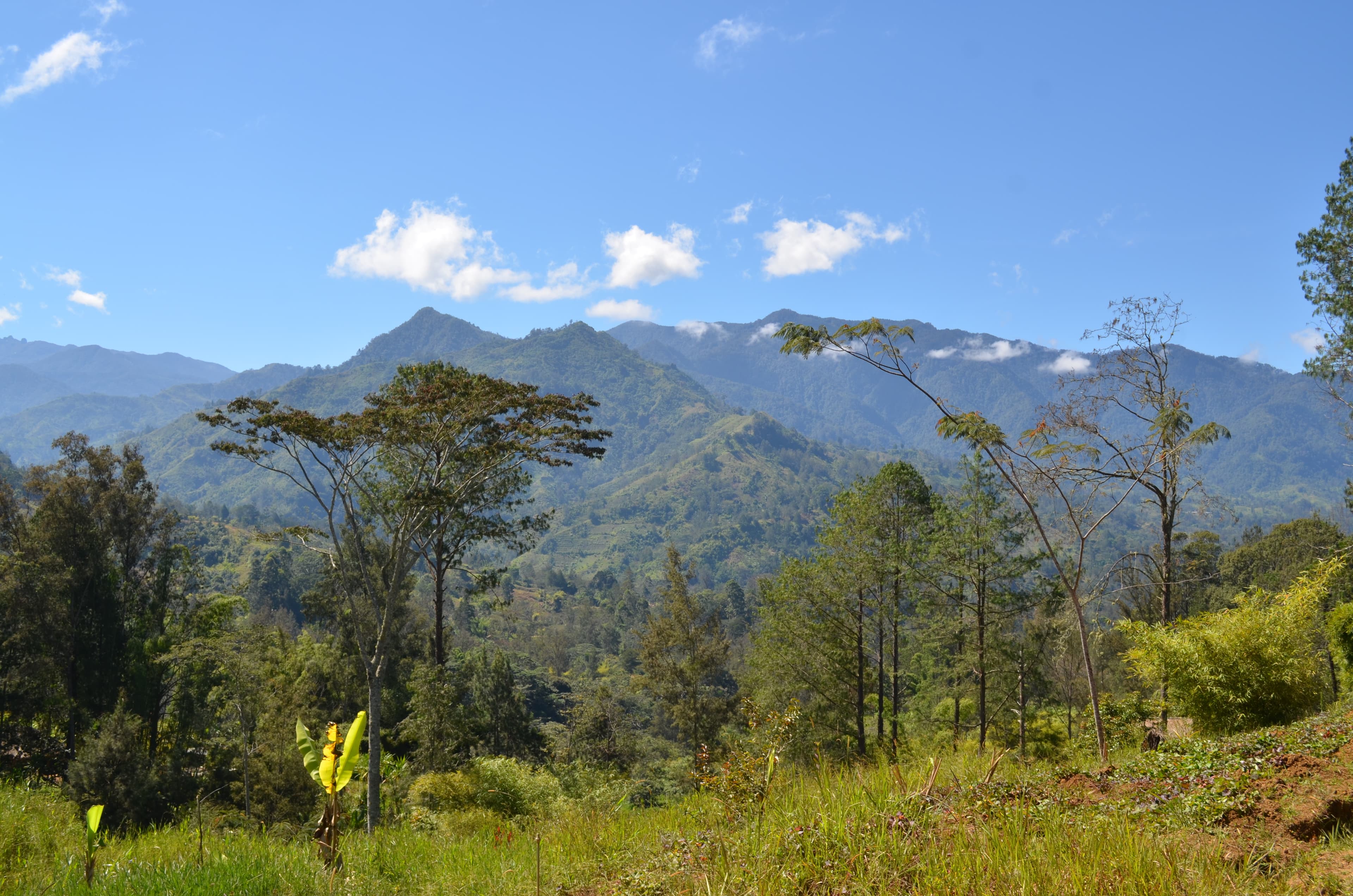
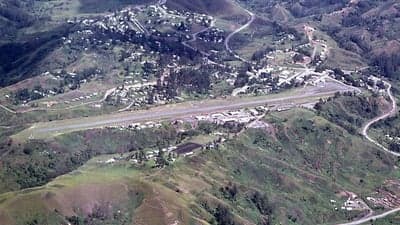
The journey to Kundiawa is part of the adventure. There are no railway lines. Papua New Guinea has no operational passenger rail network. You arrive by air, landing at Chimbu Airport (CMU/AYCH). The runway is short, the approach steep. The plane touches down with a jolt that reminds you that gravity is still in charge. From the airport, the road to town is a test of vehicle suspension and driver nerve. The roads are narrow, winding, and often unpaved. Dust hangs in the air like fog.
If you attempt to drive from Port Moresby or Goroka, prepare for days of travel. The mountainous terrain makes road access difficult and time-consuming. Bridges are narrow. Landslides are common. This is not a commute; it is an expedition. Most visitors fly in, accepting the isolation as a feature, not a bug. The disconnect from the global grid is immediate. Your phone signal may vanish. Your sense of time will distort. This is the point. You are not supposed to be connected.
Practical Realities
Kundiawa is small. The population was recorded at 8,147 in the 2000 census. It has not exploded into a metropolis. It remains a quiet, highland capital. There are no luxury hotels. You will stay in guesthouses or lodges that offer basic shelter. Hot water is a luxury. Electricity may flicker. This is not a complaint; it is a fact. You come for the absence of comfort.
Food is simple. Specific dishes unique to Kundiawa are not branded or marketed. You eat what is grown: taro, sweet potato, bush meat. It is nutritious, hearty, and unpretentious. Do not expect menus. Expect plates. Money is essential. Bring cash. ATMs are unreliable or nonexistent. The local currency is the Papua New Guinean Kina. Exchange rates fluctuate, so carry enough for your entire stay. There are no credit card terminals in the market. Transactions are physical, immediate, and final.
When to Go and Who It’s For
The summer season brings rain. The trails to Mount Wilhelm will be slick and dangerous. The roads will be mud pits. This is the best time for solitude, but the worst for comfort. If you are fragile, wait for the dry season. If you are hardy, come now. The rain adds a layer of difficulty that separates the tourists from the travelers.
Check the local holiday calendar for annual events like Independence Day or King's Birthday, which bring increased crowds. These dates bring local crowds. The market will be louder. The roads will be busier.
This place is for solo travelers who do not mind silence. It is for couples who want to test their resilience. It is not for families with young children. The terrain is too rough. Medical facilities are limited; travel insurance is essential. Stay for a week. Two days to acclimatize. Three days to trek. Two days to recover. You will leave with mud on your boots and a clearer head.
FAQ
Do I need a visa? Yes. Check with Papua New Guinea immigration authorities before you fly. Requirements change. Do not assume.
Is it safe? Violence is rare against tourists, but petty theft exists. Keep your valuables hidden. The real danger is the terrain. Respect the mountain. Do not hike alone without a guide.
What should I pack? Sturdy boots. Warm layers. Rain gear. Cash. A sense of humor. Leave the designer clothes at home. They will get dirty.