Navigate the local markets of Kaga-Bandoro with exact logistics, realistic pricing expectations, and the discipline required for Central African Republic fieldwork.
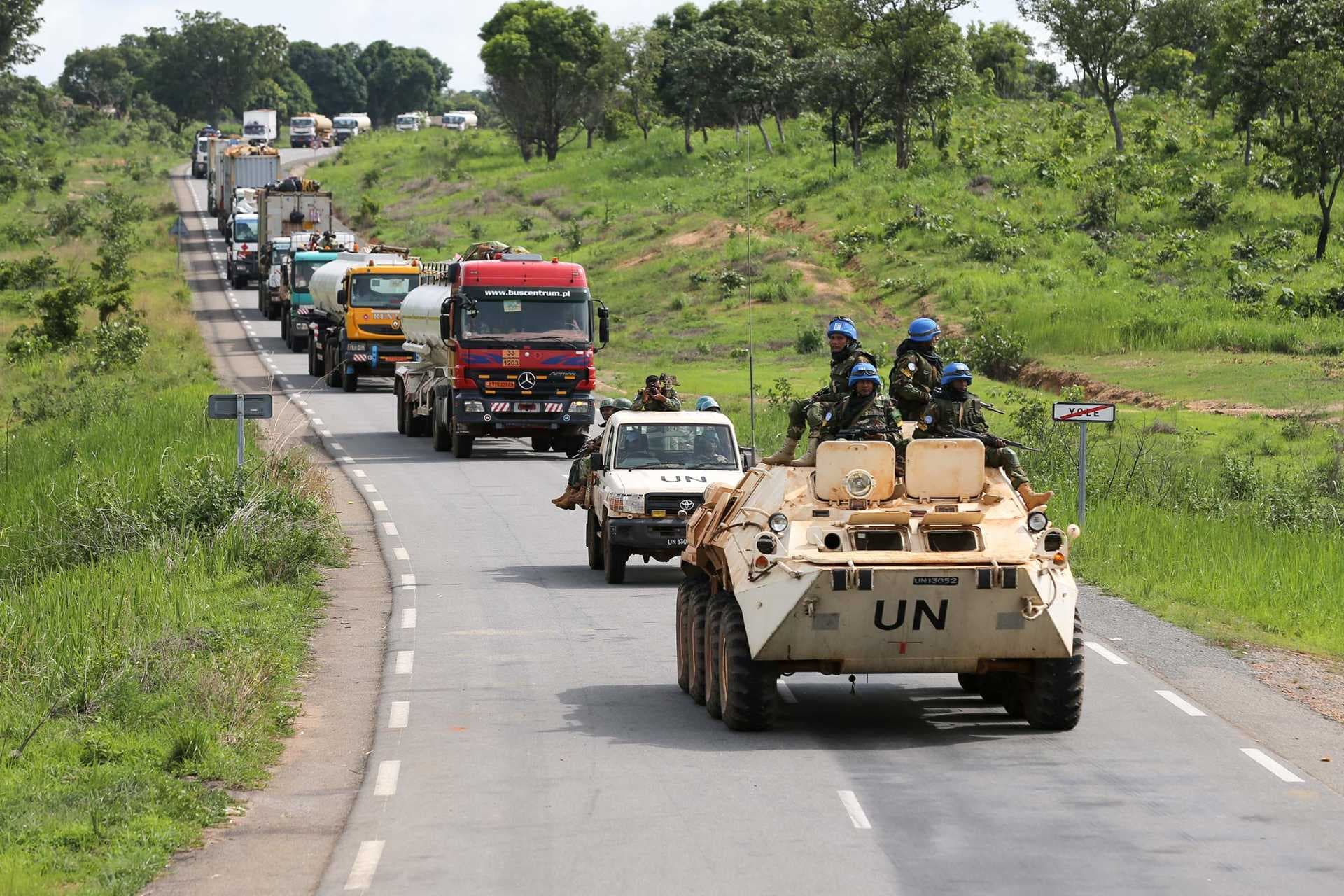
The road from Bangui to Kaga-Bandoro was rehabilitated by May 2025, reducing a previously chaotic journey to a manageable four hours and eighteen minutes. This infrastructure shift is the single most important variable for anyone planning market access in the Central African Republic. The town, home to approximately 100,000 residents, operates with a level of logistical efficiency that rewards preparation. There is no named central souk in the verified records; the market area functions as a decentralized cluster of trade points rather than a single, architecturally distinct structure. This is a functional arrangement. It lacks the aesthetic symmetry of a European covered market, but it offers direct access to the supply chain without the intermediary markup of a curated tourist zone. The air is dry during the autumn months, and the light is sharp, making visual inspection of goods straightforward.
The Market Structure
The market in Kaga-Bandoro does not follow the linear layout of a traditional bazaar. It is a collection of open-air stalls and informal trading nodes scattered across the town’s commercial district. Without a confirmed specific name for a "Central Market," visitors must rely on local direction or the general flow of foot traffic near the main road axis. The environment is utilitarian. Stalls are simple structures, often consisting of tarps or wooden frames, designed for durability rather than presentation. The primary goods are agricultural produce, textiles, and household items. There is a distinct absence of the "tourist trap" dynamic common in larger hubs. The vendors are locals serving locals. This ensures that the pricing reflects local purchasing power, not international demand. The texture of the experience is raw. You will smell raw spices, hear the low hum of conversation in Sango and French, and observe the precise mechanics of barter and cash exchange. It is a place where efficiency is the only currency that matters.
Logistics and Access
Getting to the market requires understanding the transport realities of the Central African Republic. The primary connection is the road from Bangui, the capital. As of the 2025 rehabilitation, the road is practicable, but fuel scarcity remains a critical factor. Transport costs are high. A shared taxi or local bus from Bangui will cost significantly more than in neighboring countries due to the fuel premium. Do not expect fixed, published fares. Negotiation is standard, but it is a negotiation based on scarcity, not haggling for sport. If you are flying in, Kaga Bandoro Airport serves the town. It is a small facility, and flight schedules are limited. The airport is the most reliable way to ensure you arrive on schedule, as road transport can be subject to delays caused by fuel supply issues. Once in town, walking is the most effective mode of transport for reaching the market area. The distances are short, and the streets are navigable on foot. Do not waste time seeking a vehicle for a three-block trip.
What to Expect and What to Buy
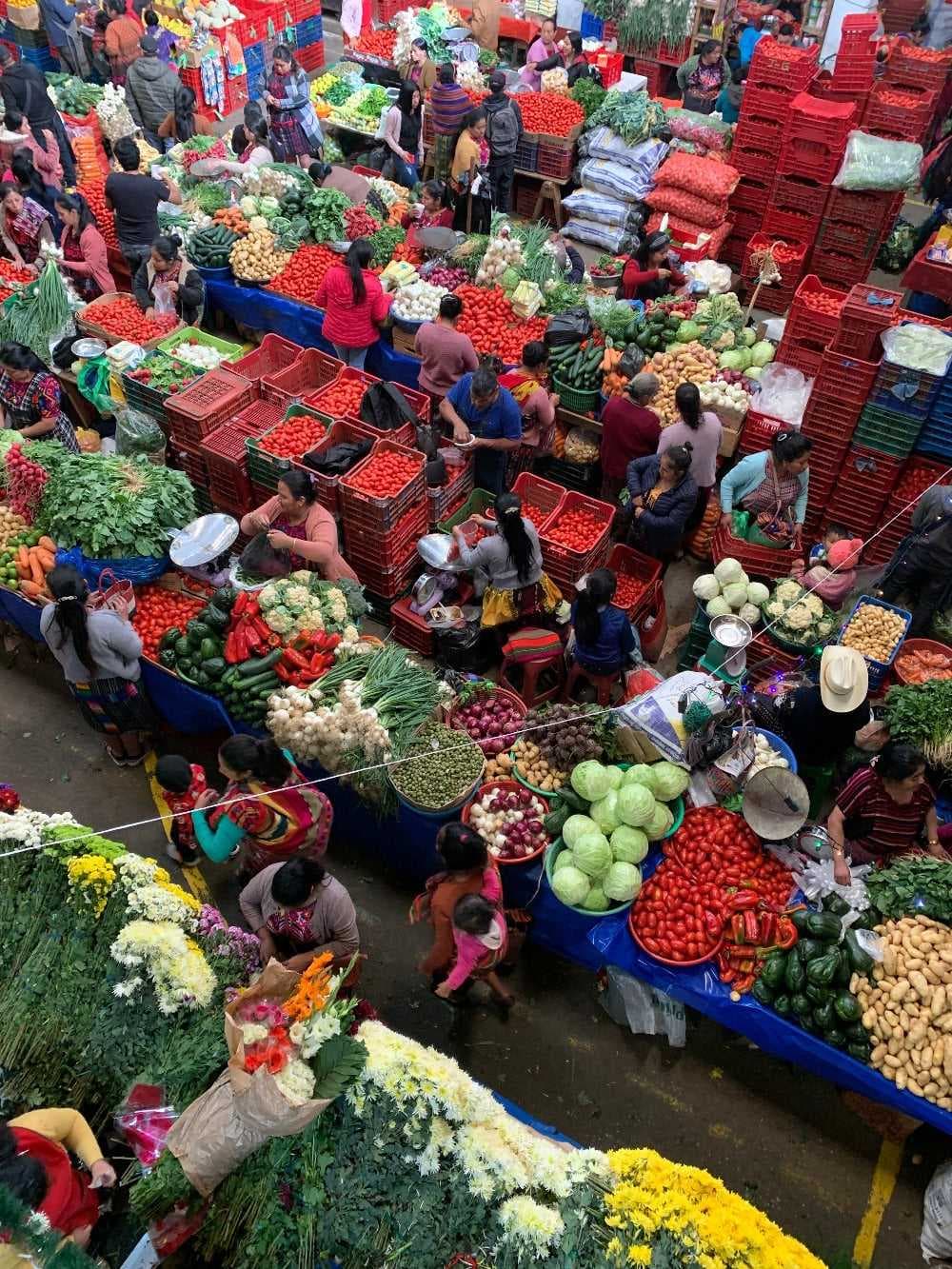
The inventory is consistent with a regional hub. You will find fresh produce, including local vegetables and fruits, as well as dried goods. Textiles are a significant category. The fabrics are often vibrant, with patterns that reflect local tastes rather than global fashion trends. There are no confirmed specific dishes or food stalls tied to the market in the verified sources, so do not expect a curated "local cuisine" menu. Food is likely available in the form of simple, prepared items near the stalls, but the focus is on raw ingredients. The quality of goods is high because the supply chain is short. There is no long-distance transport degrading the freshness of the produce. When purchasing, inspect items carefully. The lighting is bright, allowing for a clear assessment of texture and color. Bargaining is expected, but it should be done with precision. State your offer clearly, in French or Sango, and be prepared to walk away. The vendors are disciplined. They know the value of their goods. A respectful, business-like approach yields better results than a theatrical haggling performance.
Practical Timing and Safety
The market operates during standard daylight hours. The peak activity occurs in the morning, when the light is best and the crowds are thickest. By mid-afternoon, the activity subsides. The autumn season in the Central African Republic offers dry weather, which is ideal for market visits. There are no specific holidays in the next six months that would disrupt operations or cause significant crowding. This makes the current period a stable window for travel. Safety is a matter of standard vigilance. The market is a public space with high foot traffic. Keep your valuables secure. Do not display large amounts of cash. The presence of the military or police is not guaranteed in the market area, so personal situational awareness is your primary defense. The population of 100,000 means the town is large enough to have a diverse mix of visitors and locals, but small enough that you will not feel lost. The time zone is Africa/Bangui, which is two hours ahead of GMT. Plan your schedule accordingly.
Frequently Asked Questions
How do I get from Bangui to Kaga-Bandoro? The most reliable method is by road, which takes approximately four hours and eighteen minutes via the rehabilitated highway. Alternatively, you can fly into Kaga Bandoro Airport. Road travel is cheaper but subject to fuel cost fluctuations.
What currency is used in the markets? The Central African CFA franc (XAF) is the local currency. Cash is king. Credit cards are not accepted in the market area. Ensure you have small denominations for easier transactions.
Is it safe to walk around the market? Yes, with standard precautions. The market is a busy, public space. Keep an eye on your belongings and avoid isolated areas after dark. The daytime hours are the safest and most active.