Plan a low-key family trip to Bhunya: 51 km from Manzini, 956 m elevation, dry-season hiking, and a guided traditional village tour.
The Terrain
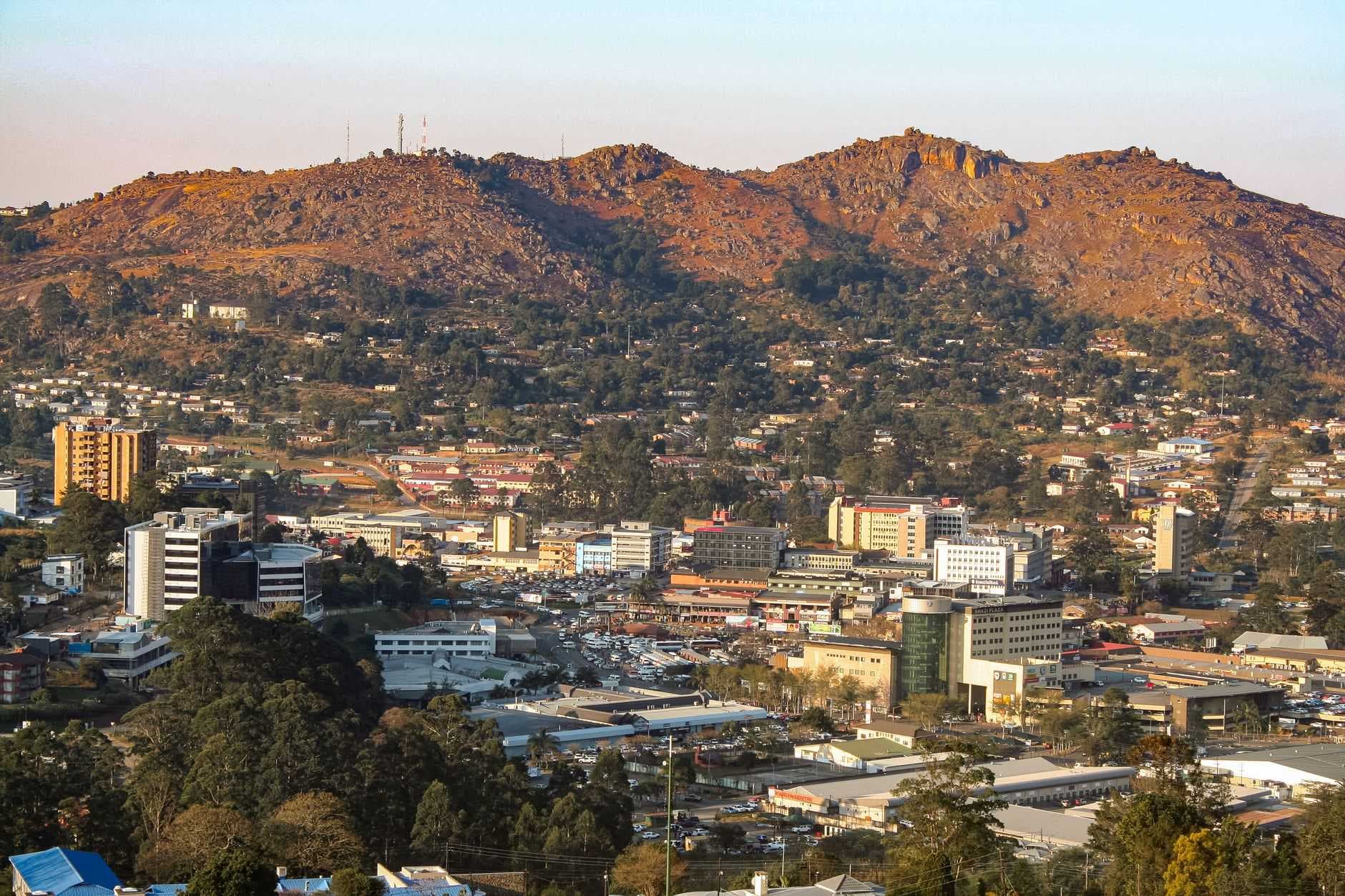
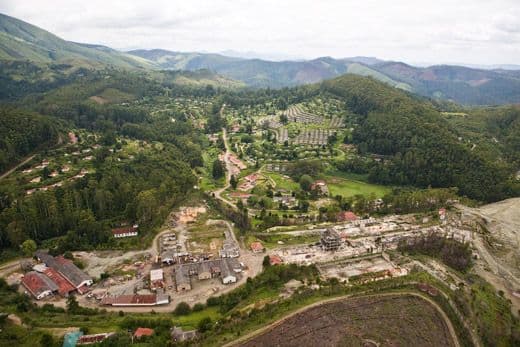
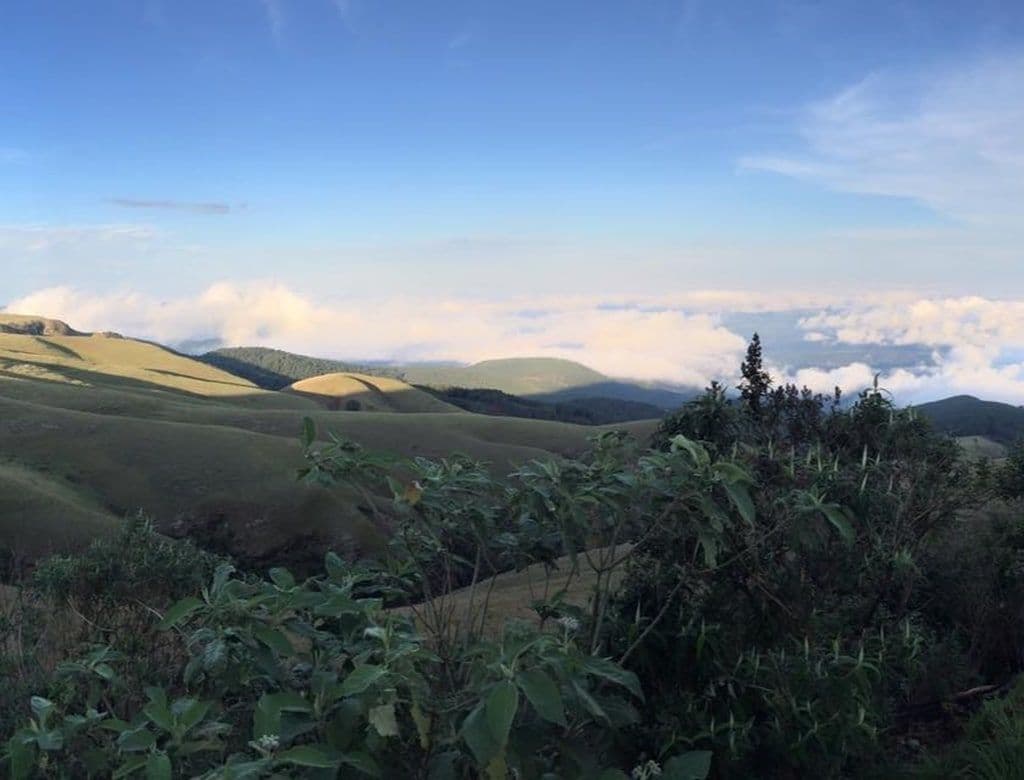
Bhunya sits at approximately 956 meters elevation, roughly 350 meters higher than the capital, Manzini. That difference dictates the temperature, the air density, and the quality of the light. For a family traveling in autumn, this highland positioning is the primary asset. The population is small—just over 3,000 residents—meaning the infrastructure is functional rather than commercial. There are no theme parks. There are no crowded plazas. The environment is defined by forestry and agricultural activity, the economic backbone of the town.
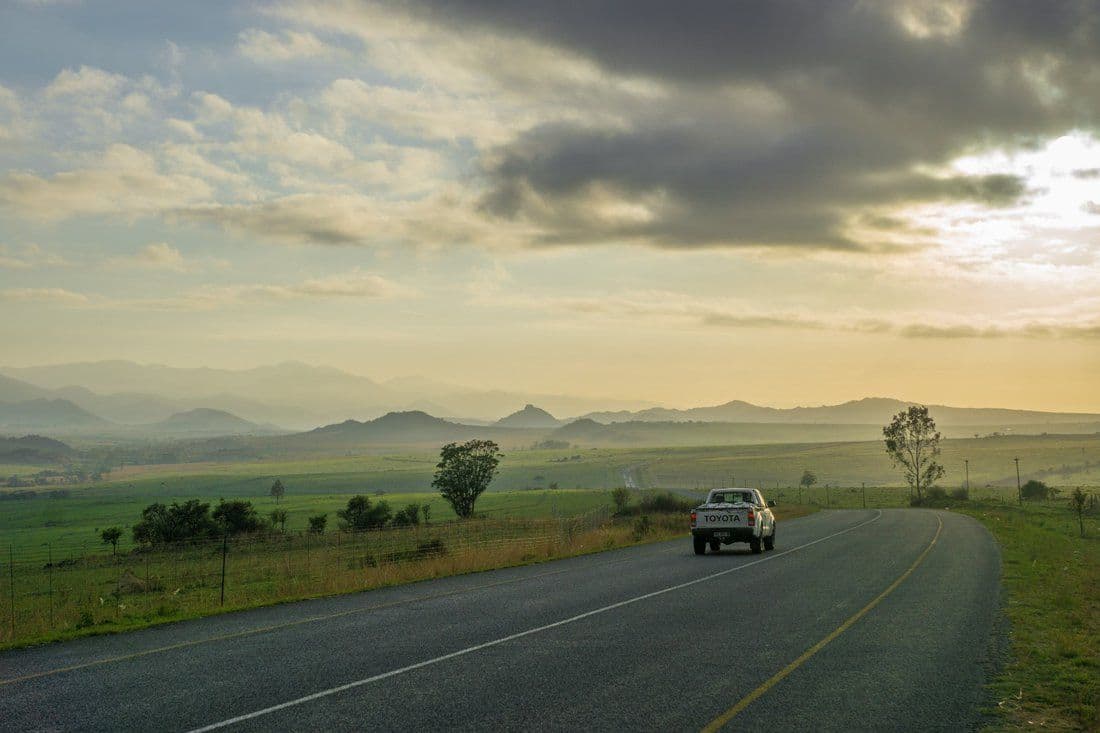
The road from Manzini to Bhunya covers about 51 kilometers. The journey time varies depending on the specific route chosen, but the drive offers a clear transition from the urban sprawl of the capital to the open, rolling landscape of the highlands. The air here is cooler and sharper. For children, the change in altitude and pace is often more engaging than any curated attraction. The town itself is a working area. This distinction matters. You are visiting a place that has a job to do.
The Traditional Village Tour
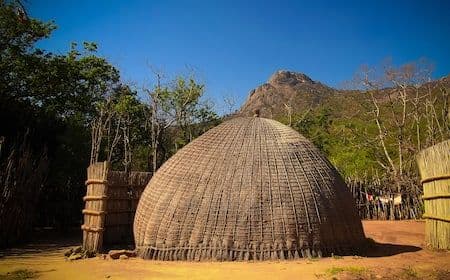
The single most significant activity in the immediate vicinity is the guided Traditional Village Tour. It offers a structured immersion into Swazi customs, traditions, and the daily rhythm of rural life. The tour provides a direct line of sight into the social fabric of Eswatini. Children learn by watching. They observe how materials are sourced, how spaces are organized, and how community decisions are made.
The educational value here is precise. It removes the filter of interpretation. You are witnessing a practice rather than reading a plaque. The guides are local, and their knowledge is practical rather than academic. For a family, this offers a rare opportunity to discuss culture without the abstraction of a museum. The setting is rural, requiring a degree of patience and respect for the local pace. The experience is grounded in the present tense. It is a benchmark for authenticity that few other destinations in the region can match without the same level of logistical friction.
Culinary Realities
Food in Bhunya is a matter of sustenance and tradition. The national staples of Eswatini dominate the local menu. Sishwala, a maize porridge, is the foundational dish. It is dense, nutritious, and central to the Swazi diet. Inyama Yembusi, a goat meat dish, offers a richer protein source, typically prepared for occasions or as a hearty meal. Emifino, a sour milk, provides a digestive counterpoint to the heavier dishes.
These items represent the daily reality of the region. Neighborhood market stalls often feature traditional meat stews and seasonal roasted corn on the cob. The flavors are robust, relying on local ingredients and simple preparation techniques. For a family, the appeal lies in the directness. There is no pretense. The food is fuel for the body, rooted in agricultural cycles. You will find the genuine texture of local life, served in simple portions. The experience is about participation.
Logistics and Transit
The primary mode of transport is the private vehicle. No specific railway line or station serves Bhunya directly, despite the existence of a national rail link in Eswatini. The 51-kilometer road connection to Manzini is the critical artery. Driving is the most efficient option, allowing for flexible timing and the ability to stop in the surrounding rural areas. The roads are functional but require attention, particularly during the rainy season when conditions can become patchy.
Accommodation options in Bhunya itself are limited. Most travelers base themselves in Manzini or choose guesthouses in the immediate rural periphery. The price point is low compared to international standards, reflecting the town's status as a regional hub. There are no major hotel chains. The lodging is basic, clean, and utilitarian. For a family, this means packing light and managing expectations regarding amenities. The value lies in the proximity to the natural landscape and the village tour.
Timing and Audience
The optimal window for a family visit is the dry winter months, from June to August. During this period, mornings are cool and the air is clear, providing ideal conditions for hiking and outdoor exploration. The scenery is lush but manageable, with roads in good condition. Summers, from November to March, are hot and rainy. The landscape is vibrant, but the patchy roads and humidity can be challenging for young children.
The upcoming holiday period includes Christmas Day (December 25, 2026) and Boxing Day (December 26, 2026). These dates fall in the peak of the rainy season. Crowding is unlikely in Bhunya itself. However, the weather will be a factor. If you are traveling during this time, prioritize indoor or covered activities and be prepared for potential travel delays. The audience for Bhunya is the family seeking authenticity over convenience. It suits those who value observation, education, and the quiet discipline of a rural landscape.
Frequently Asked Questions
Is Bhunya safe for families? Yes. The town is small and community-oriented. Standard travel precautions apply, but the environment is low-risk compared to major urban centers. The main consideration is the rural setting, which requires respect for local customs and awareness of the natural environment.
Do I need a visa to visit Eswatini? Visa requirements depend on your nationality. Many travelers from certain regions are exempt from visa requirements for short stays. You should verify the current regulations with the Eswatini embassy or consulate before booking. Check the official government travel advisory for the most up-to-date information.
What is the best way to get around Bhunya? A private vehicle is the most practical option. Public transport is limited and irregular. Hiring a car or arranging a private transfer from Manzini is recommended for flexibility and comfort, especially if you plan to visit the traditional village tour or explore the surrounding agricultural areas.