No direct flights land in Bcharré. Here is how to fly into Beirut and reach the Qadisha Valley’s cedar peaks.
The sky above Bcharré is not for landing planes. At 1,500 meters above sea level, this town in northern Lebanon sits high in the Koura District, surrounded by the steep, sacred cliffs of the Qadisha Valley. There is no airport here. There is no runway. Instead, the journey to Bcharré begins with a commercial flight into Rafic Hariri International Airport in Beirut, followed by a two-hour drive through the winding coastal roads and into the mountain interior. For travelers focused on the "airline" aspect of their trip, understanding this ground connection is the critical piece of the puzzle. The flight gets you to the country; the bus or car gets you to the silence of the cedars.
The Flight: Beirut as Your Gateway
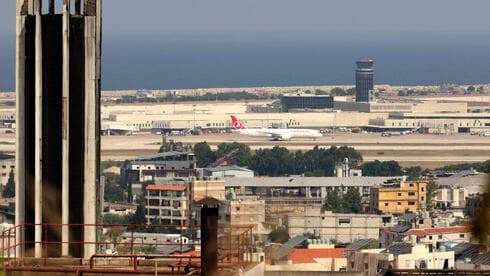
When planning air travel to Bcharré, your destination code is BEY. Rafic Hariri International Airport is the sole international gateway for Lebanon. Most international travelers will arrive here on carriers such as Middle East Airlines (MEA), the national flag carrier, or on major European and Gulf-based airlines that offer seasonal or direct routes depending on the current geopolitical and economic landscape.
Check-in procedures at Beirut can be efficient, but allowances for currency fluctuations and fuel surcharges are standard. Once you clear immigration, you are not yet in the mountains. You are in the capital. The transition from the humid, bustling coast to the cool, pine-scented air of Bcharré requires leaving the airport behind. Do not expect to see a "Bcharré" sign in the arrivals hall. Your goal is to exit the airport and begin the overland leg of the journey.
Ground Transport: From Beirut to Bcharré
The gap between the tarmac in Beirut and the streets of Bcharré is bridged by road. The most common and practical option for budget-conscious travelers is the minibus service, locally known as a "service car." These shared taxis depart from the Dowra Intersection in Beirut. The ride is a scenic but demanding two-hour journey. The vehicles are small, often crowded, and move with a speed that can feel aggressive to those unaccustomed to Lebanese driving norms. However, they provide a direct line to the mountain towns without the need for a private driver.
For those preferring a more structured experience, Connexion Bus offers a service from the Charles Helou Bus Station in Beirut. This route typically heads toward Tripoli, the second-largest city in Lebanon. From Tripoli, travelers must arrange a secondary connection, such as a local taxi or another service car, to continue north to Bcharré. This split journey adds time but offers a chance to break the trip and perhaps grab a coffee in Tripoli before ascending into the mountains.
Private transfers are also available. Hotels in Bcharré or tour operators can often arrange a private car from Beirut. This is the most expensive option but offers door-to-door convenience and the ability to stop at viewpoints along the coast or in the Qadisha Valley en route.
Navigating the Qadisha Valley
Once you arrive in Bcharré, the perspective shifts from transit to terrain. The town is the gateway to the Qadisha Valley, a UNESCO World Heritage Site. This is not a place for casual strolls on flat pavement; it is a landscape defined by verticality. The valley is carved by the Kadisha River, and the paths are steep, rocky, and often narrow.
Hiking is the primary mode of exploration here. The trails lead to historic monasteries perched on cliff edges. St. Anthony's Monastery, one of the oldest Christian monasteries in the Levant, is a key destination. The hike to reach it is moderate but requires sturdy footwear. The air is thin and cool, even in summer, due to the altitude. The silence here is profound, broken only by the wind in the cedar branches and the distant call of a muezzin or church bell from the valley floor.
Dining at Altitude: Local Flavors
Food in Bcharré is simple, hearty, and deeply rooted in Lebanese tradition. After a long hike or a bumpy bus ride, the local cuisine is a welcome relief. You will find small, family-run restaurants throughout the town. The menu is consistent across establishments, focusing on fresh, local ingredients.
Start with mezze, a spread of small dishes that includes hummus, baba ghanoush, and fattoush. Tabbouleh, a parsley and bulgur salad, is a staple here, often served in generous portions. For a main course, kibbeh is the local specialty. This dish of minced meat and bulgur wheat can be fried, baked, or boiled, and it is prepared with a care that reflects generations of culinary tradition. If you arrive in the morning, look for manakish, a flatbread topped with za'atar (a thyme and sumac blend) or cheese, baked in traditional ovens. These items are inexpensive and widely available, offering a taste of authentic Lebanese mountain life.
Practical Details for Travelers
Timing your visit is crucial. Summer is the peak season for hiking in the Qadisha Valley. The weather is dry, and the views of the cedar forests are clear. However, this is also the busiest time. Winter brings snow to the region, transforming the landscape into a winter wonderland suitable for skiing in nearby resorts, but hiking trails may be closed or dangerous due to ice.
Currency in Lebanon is complex. The Lebanese Lira has experienced significant volatility. While the official exchange rate exists, many transactions, especially in tourism, are conducted in US Dollars. It is advisable to carry cash, as credit card acceptance can be limited in smaller towns like Bcharré. Always confirm prices in USD before ordering food or hiring transport.
Connectivity can be spotty in the valley. While Bcharré town has decent mobile coverage, signal drops quickly as you hike deeper into the Qadisha Valley. Download offline maps before you start your trek.
When to Go and Who It’s For
The best time to visit Bcharré is from June to September. The temperatures are mild, ranging from 15°C to 25°C, ideal for hiking. There are no major public holidays in the next six months that significantly impact travel logistics, so you can expect standard crowd levels.
This destination is best suited for solo travelers seeking solitude, hikers who enjoy physical challenges, and those interested in religious history. Families with young children may find the steep terrain and long bus rides difficult. A stay of two to three days is sufficient to explore the main monasteries and enjoy the tranquility of the cedar forests.
FAQ
Is there a direct flight to Bcharré? No. Bcharré is a mountain town with no airport. You must fly into Beirut (BEY) and take a bus or car for the final two-hour leg.
How much does the minibus from Beirut cost? Prices vary, but expect to pay around $10–$15 USD per seat for a service car from Beirut to Bcharré. Confirm the fare before boarding.
Can I use my credit card in Bcharré? It is risky to rely on cards. Many small restaurants and transport operators prefer cash, specifically US Dollars. Carry sufficient small bills for transactions.