Forget the red guidebooks. In Al Abyār, Libya, the real recommendation is resilience, coastal views, and checking local security advice before you book.
Introduction
The concept of a "Michelin Recommended" destination usually conjures images of polished cobblestones, curated tasting menus, and five-star concierges. Al Abyār, Libya, offers a different kind of distinction. Located in the Al Marj district of Cyrenaica, this coastal town does not appear in glossy international dining guides. Its value lies in its stark authenticity, its position on the historic coastal road, and the raw, unfiltered experience of traveling through a region that demands respect and preparation. The independent traveler finds Al Abyār to be a place for deep understanding rather than passive consumption.
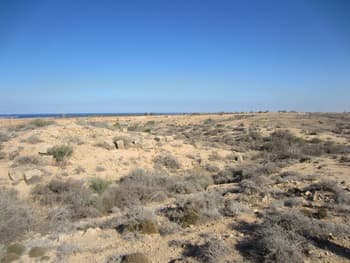
The town sits along the vital coastal artery connecting Benghazi to other key regional cities. This location serves as its primary geographic anchor. You will find no tourist traps here, no inflated prices for sunset views, and no artificial charm. The landscape is defined by the Mediterranean climate, where mild, wet winters give way to hot, dry summers. The summer air carries the dry heat of the interior, tempered only by the sea breeze. It is a landscape of resilience, shaped by history and geography in equal measure.
A Landscape of History and Road
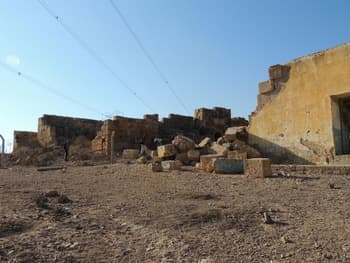
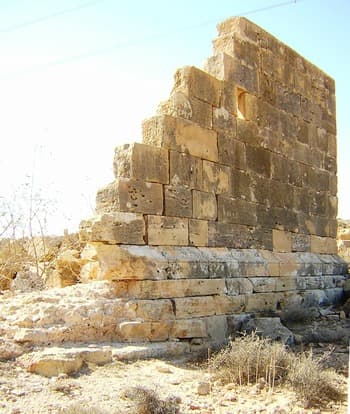
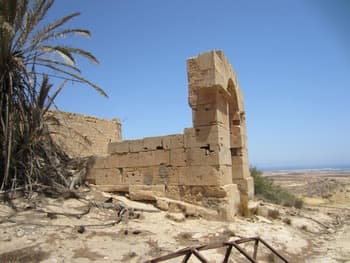
To understand Al Abyār, you must look beyond the present. The town’s most significant landmark is not a mosque or a market, but a site of profound historical weight: the former Italian concentration camp. During the Italian colonial period, this site was used to hold nomadic tribes and Libyan resistance members. It stands today as a somber reminder of the region’s complex past.
Visiting this site requires a serious approach. It serves as an act of historical witness. The structures, if they remain, are stark. The ground tells a story of displacement and conflict. For the traveler, it offers a perspective that no restaurant review can provide. It grounds the journey in reality. History here remains present, raw, and demanding of quiet reflection, without being sanitized for tourists.
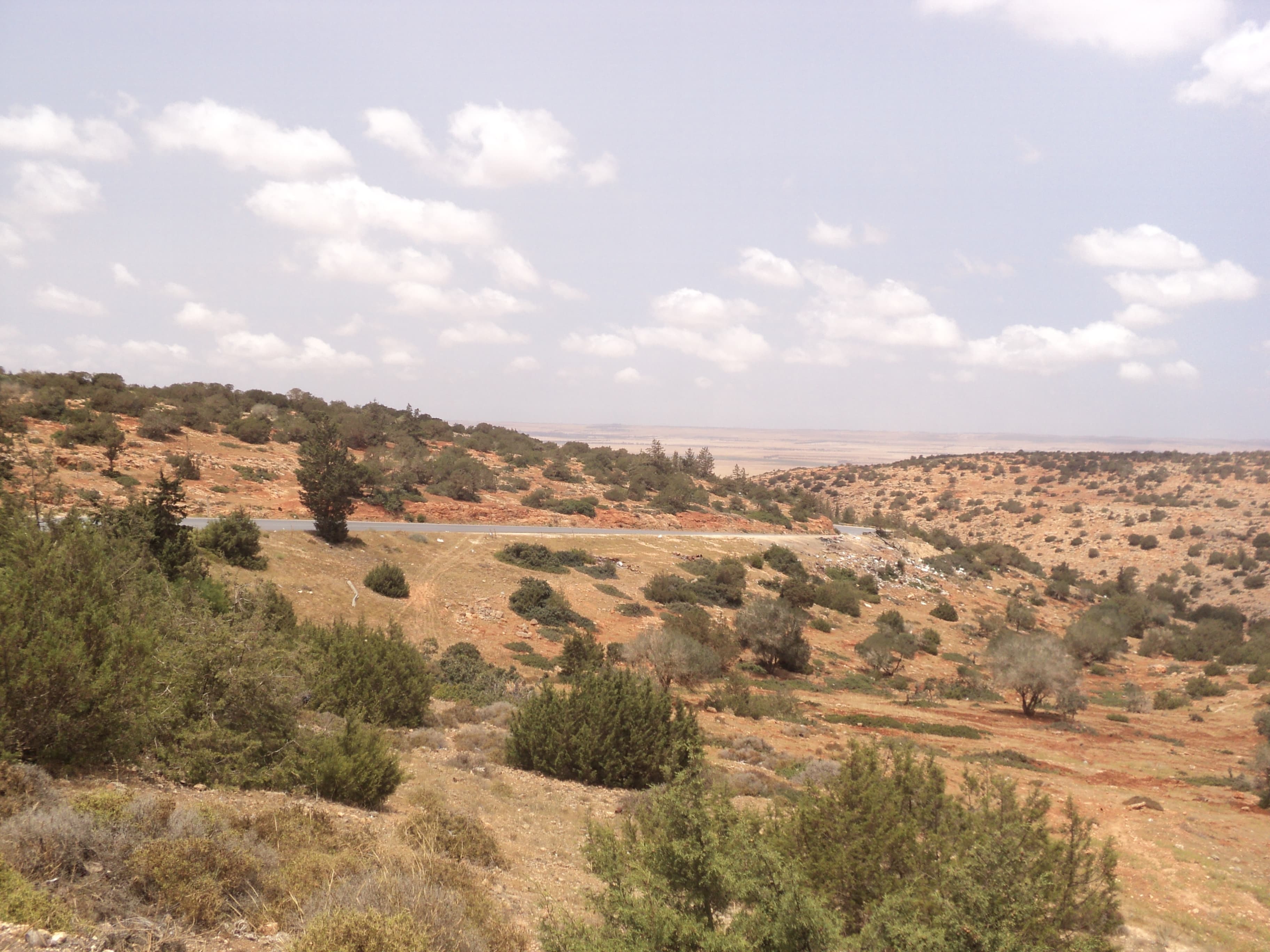
The coastal road itself is another character in this narrative. Paved and functional, it links Al Abyār to Benghazi and beyond. It is a route of commerce and movement, not just tourism. Driving this road, you pass through a landscape that is both beautiful and austere. The sea is a constant companion, blue and vast, contrasting with the arid land. There are no scenic overlooks designed for Instagram. There are only the views that present themselves to the driver, the trucker, the local resident.
The Reality of Transport
Getting to Al Abyār requires planning. There are no specific railway lines or stations confirmed for the town. Public transport is limited, and schedules are not published in international guides. Car rental is the recommended mode of transport. This is a necessity for any traveler wishing to explore the area with any degree of freedom.
Rental cars in Libya are not as ubiquitous as in Europe or North America. You must arrange this in advance, often through contacts in Benghazi or Tripoli. The roads are generally in decent condition, but driving standards vary. You will share the road with local trucks, buses, and private vehicles. Patience and defensive driving are essential.
The proximity to Benghazi is a practical advantage. Benghazi is a major city with more infrastructure, including larger hotels and more transport options. Many travelers use Benghazi as a base for day trips to Al Abyār. This is a sensible strategy. It allows you to access better amenities while still experiencing the coastal town. The drive is short, making it feasible for a day visit. However, spending a night in Al Abyār offers a different perspective. It allows you to experience the town’s rhythm, the quiet of the evenings, and the morning light over the sea.
Food and Local Life
International guides do not list specific local dishes associated with Al Abyār. This reflects the town’s scale. Food here serves as a daily necessity. You will eat what is available. This typically means regional Libyan staples: couscous, grilled meats, fresh fish from the coast, and bread baked in local ovens.
Restaurants are not listed in Michelin guides. They are small, family-run establishments. Service is informal. Menus may not exist. You point, you eat, you pay. The food is honest. It is not designed to impress critics; it is designed to feed people. This represents a different kind of culinary experience. It is about community, not curation.
Language is Arabic. English is not widely spoken. Learning a few basic phrases in Arabic is not just polite; it is practical. It helps you navigate the market, order food, and interact with locals. Respect is key. Dress modestly, especially for women. Ask permission before taking photos of people. These are not just rules; they are signs of respect for the local culture.
Practical Planning and Safety
Safety is the primary consideration for any trip to Libya. The general security situation is complex. Travelers should consult their government’s travel advice before booking. Al Abyār is in the Al Marj district, which has its own dynamics. Local knowledge is invaluable. Connect with local contacts or tour operators who understand the current situation.
The best time to visit is during the milder months. Summer is hot and dry. Temperatures can rise significantly, making daytime exploration uncomfortable. Spring and autumn offer more pleasant weather. The sea is warmer in late summer, but the heat can be intense. Plan your activities around the cooler parts of the day.
There are no major holidays in the next six months that will impact travel. This means fewer crowds, but also fewer events. The town is quiet. It is a place for slow travel, for reflection, for history. It is not for the rushed tourist.
Frequently Asked Questions
Do I need a visa for Libya? Yes. Most travelers need a visa. Apply in advance through the Libyan embassy or consulate in your country. The process can be lengthy, so start early.
Is it safe to drive in Al Abyār? Driving is possible, but requires caution. Roads are generally good, but driving standards vary. Rent a car from a reputable provider and ensure you have comprehensive insurance.
What currency should I bring? The Libyan Dinar (LYD) is the local currency. US Dollars are also widely accepted. Bring clean, unmarked bills. Exchange rates can vary, so check locally.
Al Abyār is not a "Michelin Recommended" destination in the traditional sense. It does not offer the polish, the predictability, or the prestige of such guides. It offers something else: authenticity, history, and a raw connection to a place that is often misunderstood. The traveler willing to look beyond the guidebooks and engage with the reality of the place will find an unforgettable journey. It is not easy. It is not comfortable. But it is real. And in a world of curated experiences, that is a rare and valuable thing.