Asia’s Street Food Safari: A Springtime Feast for the Brave (and the Hungry)
Spring in Asia is a sensory explosion — cherry blossoms, monsoon rains, and the sizzle of street food grills. If you’re planning a trip this season, you’re in for a treat. The air is crisp, the crowds are thinner, and the street vendors are out in full force, serving up some of the world’s most delicious, affordable, and unforgettable meals. From Bangkok’s night markets to Hanoi’s bustling alleys, Asia’s street food scene is not just about eating — it’s about culture, community, and a little bit of daring.
The Best Cities for Street Food in Spring 2026
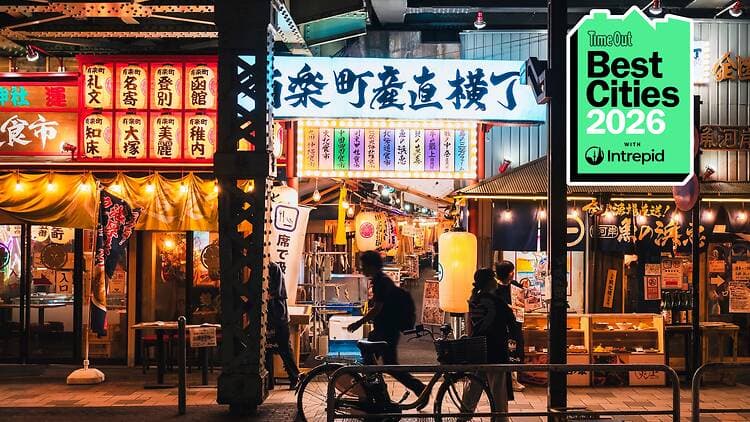
When it comes to street food, Asia doesn’t play small. But some cities stand out as culinary powerhouses. In 2026, the top contenders include Bangkok, Hanoi, Singapore, Taipei, and Seoul. Each offers a unique flavor profile and atmosphere.
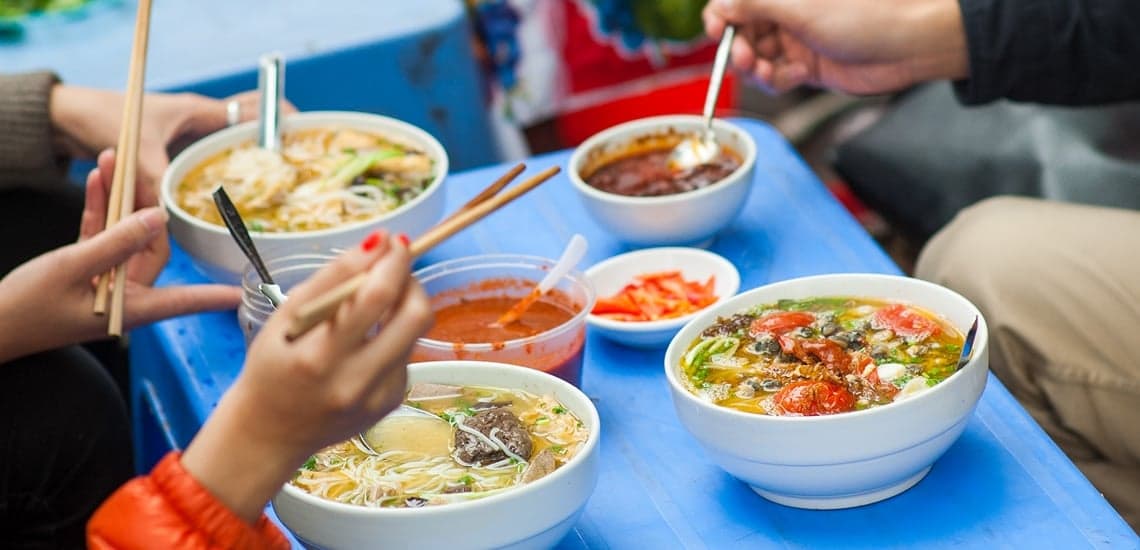
Bangkok is the undisputed king of street food chaos — think neon signs, motorbikes weaving between stalls, and the intoxicating aroma of grilled pork belly and spicy papaya salad. Hanoi, on the other hand, is more intimate, with vendors tucked into narrow alleys serving pho, banh mi, and fresh spring rolls that taste like spring itself. Singapore’s hawker centers are like food temples — clean, organized, and packed with award-winning dishes like chili crab and Hainanese chicken rice. Taipei’s night markets are a riot of flavors, from stinky tofu to oyster omelets, while Seoul’s street food scene is a modern twist on tradition, with kimchi-filled pancakes and hotteok (sweet pancakes) that warm your soul.
Must-Try Dishes Across Asia
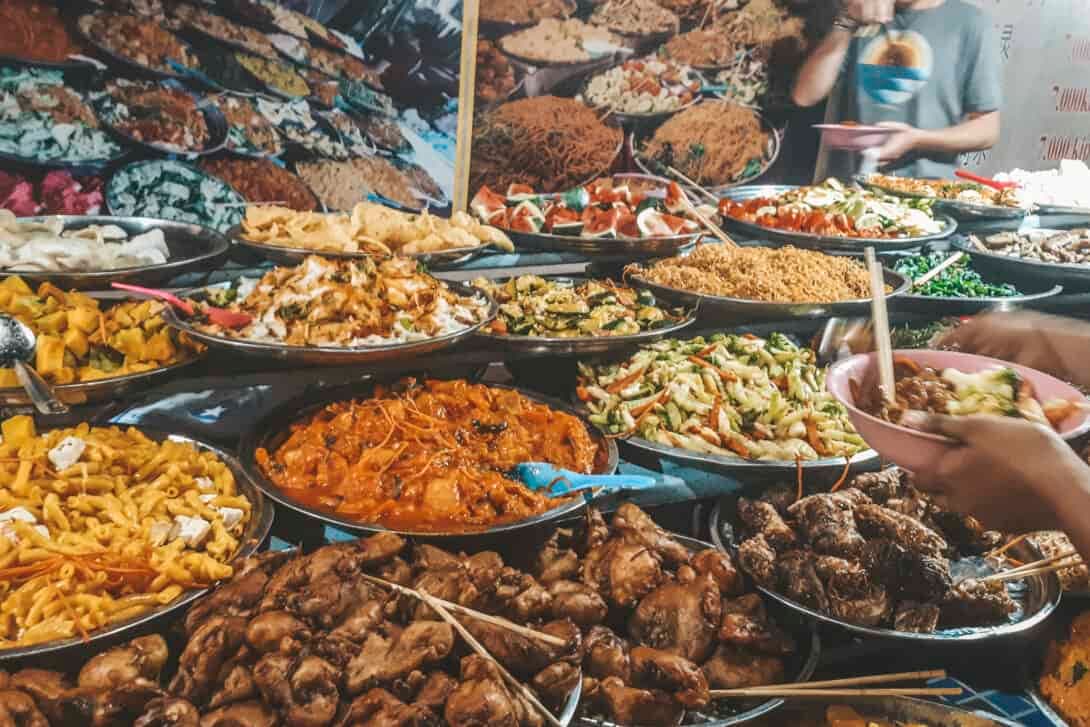
Spring is the perfect time to sample seasonal ingredients — think fresh herbs, young greens, and tender meats. In Vietnam, don’t miss pho bo (beef noodle soup) with its fragrant broth and delicate rice noodles. In Thailand, try som tum (spicy green papaya salad) — a tangy, spicy, and crunchy explosion of flavor. For something heartier, go for pad Thai — stir-fried rice noodles with tamarind, peanuts, and a hint of fish sauce.
In Malaysia and Singapore, char kway teow (stir-fried flat rice noodles) is a must, especially when cooked with prawns, eggs, and chives. India’s street food is a whole other universe — try pani puri (crispy hollow balls filled with spicy tamarind water and potatoes) or samosas (crispy pastry triangles filled with spiced potatoes). And in Japan, spring means hanami (cherry blossom viewing) and kaiseki-inspired street bites like takoyaki (octopus balls) and okonomiyaki (savory pancakes).
Safety First: How to Eat Street Food Without Getting Sick
Yes, street food can be risky — but it doesn’t have to be. The key is to eat smart. Look for vendors with high turnover — if the food is fresh and hot, it’s likely safe. Avoid places that look dirty or have no customers. Always check if the water used is bottled or boiled. If you’re unsure, stick to cooked foods, and avoid raw vegetables or undercooked meat.
Wash your hands before eating — or use hand sanitizer if available. And don’t forget travel insurance! A stomach bug is no fun, and having coverage can save you from a trip disaster. Many travelers swear by SafetyWing — it’s affordable and covers you for medical emergencies, including food poisoning.
Hygiene Tips for the Street Food Adventurer
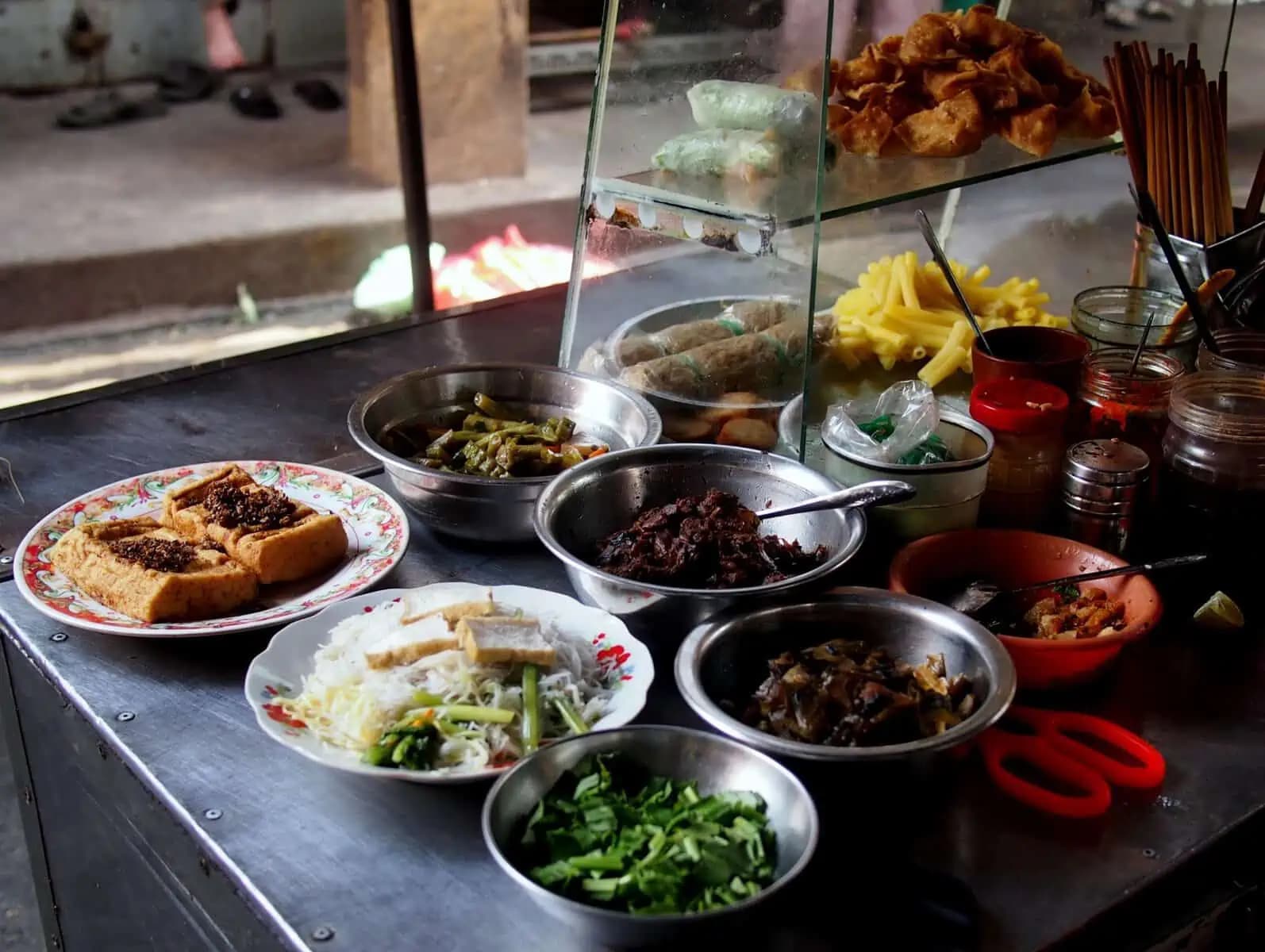
Hygiene is not just about avoiding illness — it’s about respecting local practices. In many Asian countries, street food vendors are incredibly clean, using gloves, fresh ingredients, and sterilized equipment. But you can help by choosing vendors who use clean utensils and display their food under heat lamps or in covered containers.
Avoid eating street food in extreme heat or during heavy rain — bacteria thrive in warm, moist conditions. Also, be cautious with raw or undercooked items like seafood or eggs. If you’re unsure, skip it. And if you’re traveling with a sensitive stomach, start slow — try small portions and build up your tolerance.
Cultural Etiquette: Eating Like a Local
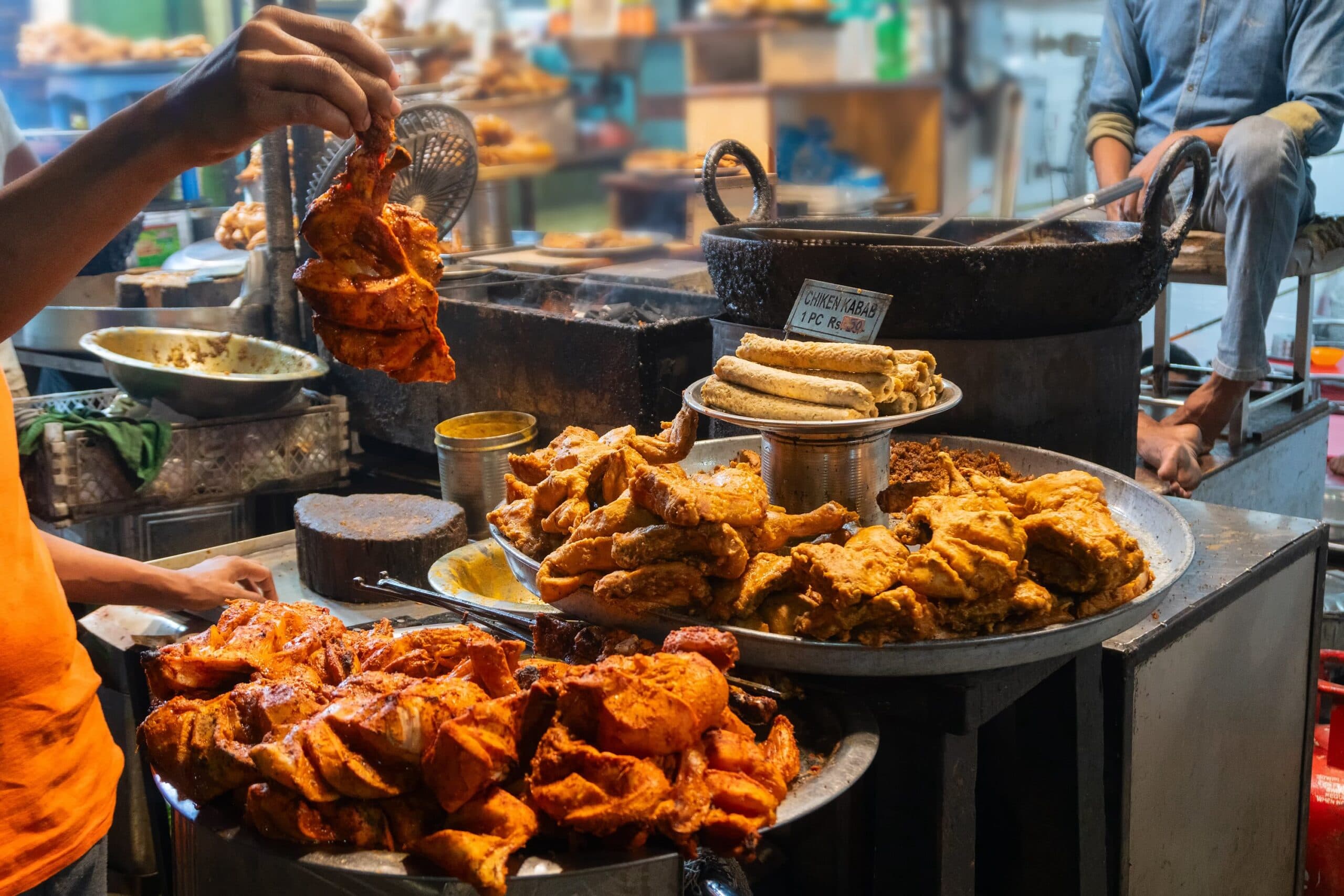
Eating street food isn’t just about the food — it’s about the experience. In many places, you’ll be eating off a small plastic stool or standing at a counter. Don’t be shy — locals are used to tourists, and many vendors will smile and even teach you how to eat a dish properly.
In Thailand, it’s polite to say “khop khun kha” (thank you) after eating. In Vietnam, “cam on” goes a long way. In Japan, bow slightly when receiving your food — it’s a small gesture that means a lot. And remember: tipping is not expected in most Asian countries, so don’t feel pressured to leave money unless the vendor specifically asks for it.
Final Thoughts: Embrace the Chaos, Savor the Flavor
Asia’s street food scene is one of the continent’s greatest treasures. It’s affordable, authentic, and full of surprises. Spring is the perfect time to explore — the weather is mild, the ingredients are fresh, and the streets are buzzing with life.
So go ahead — take a deep breath, point at that sizzling grill, and dig in. You might get a little spicy, a little messy, and maybe even a little sick — but you’ll also taste something unforgettable. And that, my friend, is what travel is all about.
Bon appétit — or as they say in Thai, “Aroi mak!” (Delicious!)