If you’re dreaming of golden leaves and crisp air, you might be thinking of New England or Japan. But hold on—Guatemala’s highlands have their own kind of autumn magic, and Totonicapán is where it happens with a side of vibrant culture, handwoven textiles, and mountains that look like they were painted by a very enthusiastic artist. While Guatemala doesn’t experience seasonal foliage like temperate zones, the “autumn” months here (roughly September to November) bring cooler temperatures, fewer rains, and the perfect backdrop for exploring this deeply traditional Maya region. Think less maple syrup, more marigolds and sacred ceremonies.
Why Autumn is the Best Time to Visit Totonicapán
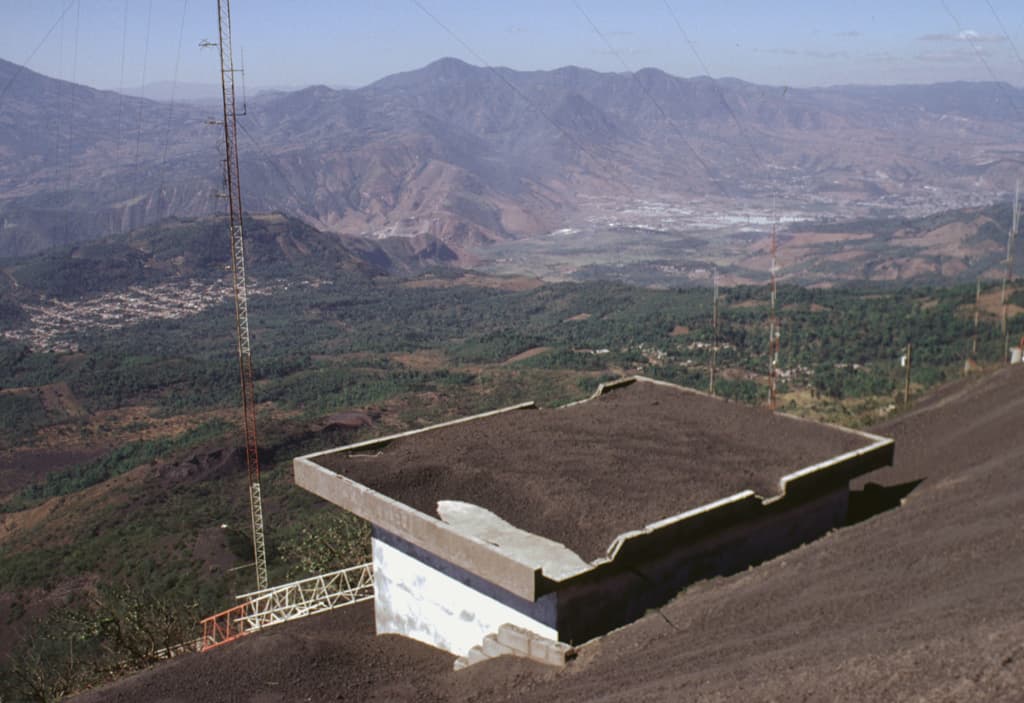
Autumn in Totonicapán isn’t about changing leaves—it’s about changing moods. As the rainy season fades, the air clears up, revealing panoramic views of volcanic peaks like Volcán San Pedro and Volcán Tajumulco (the highest in Central America). Temperatures dip into the pleasant 15–25°C (59–77°F) range, making hiking, market-hopping, and cultural immersion way more enjoyable than during the steamy summer months.
Plus, you’ll dodge the worst of the rainstorms and humidity. The dry season begins around late October, meaning roads are safer, markets are bustling, and locals are more likely to invite you into their homes for a cup of champurrado (a thick, spiced chocolate drink). And yes, if you’re into festivals with deep spiritual roots, autumn is when several important celebrations take place—including the Feria de la Paz y del Señor de Esquipulas, which honors the town’s patron saint with processions, music, and dancing that could make even a grumpy hermit smile.
Getting There: From Guatemala City to Totonicapán
The journey to Totonicapán starts at La Aurora International Airport (GUA) in Guatemala City. From there, your options are:
-
Bus: Take a direct chicken bus (colorful, loud, and full of life) from Guatemala City’s Terminal de Autobuses de Guatemala (TAG) to Totonicapán. The ride takes about 3–4 hours and costs roughly $5–$8 USD. Pro tip: Sit near the front for better views and fewer surprise encounters with chickens.
-
Private Shuttle: For a smoother ride, book a private van or shuttle through services like Ride with Me or Guatemala Tours. Expect to pay $30–$50 for a shared ride or $100+ for a private one.
-
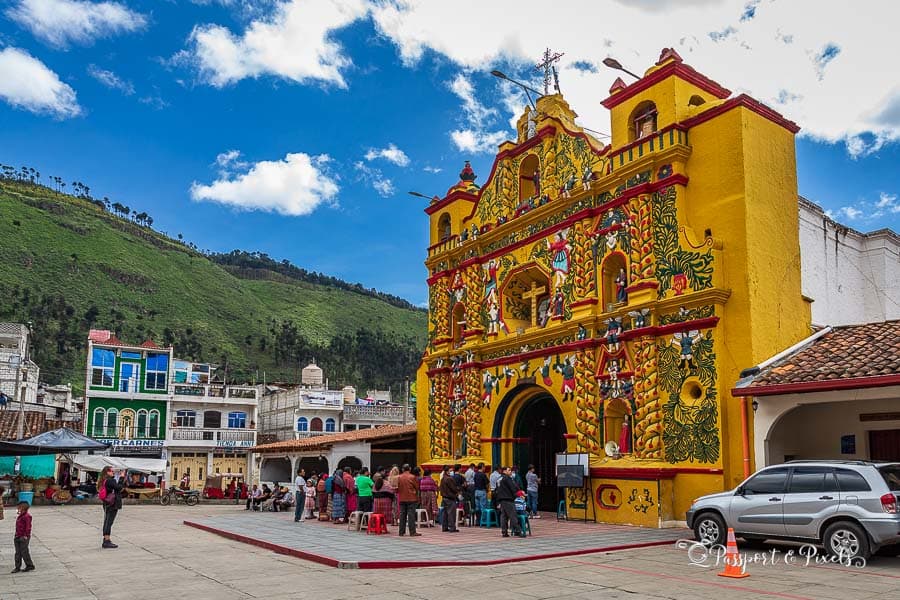
Rental Car: If you’re feeling adventurous and want to explore nearby villages like San Andrés Xecul or San Marcos, renting a car gives you freedom—but be prepared for winding mountain roads and occasional potholes that look like they were designed by a drunken badger.
Cultural Highlights: Festivals and Traditions
Autumn in Totonicapán is a season of celebration. While the Feria de la Paz y del Señor de Esquipulas usually occurs in January, other smaller village festivals happen throughout the fall. These often involve traditional marchas (processions), chirimía bands (flute-and-drum ensembles), and offerings to the earth goddess Ixchel. If you’re lucky enough to catch one, don’t be shy—locals love sharing their culture with respectful visitors.
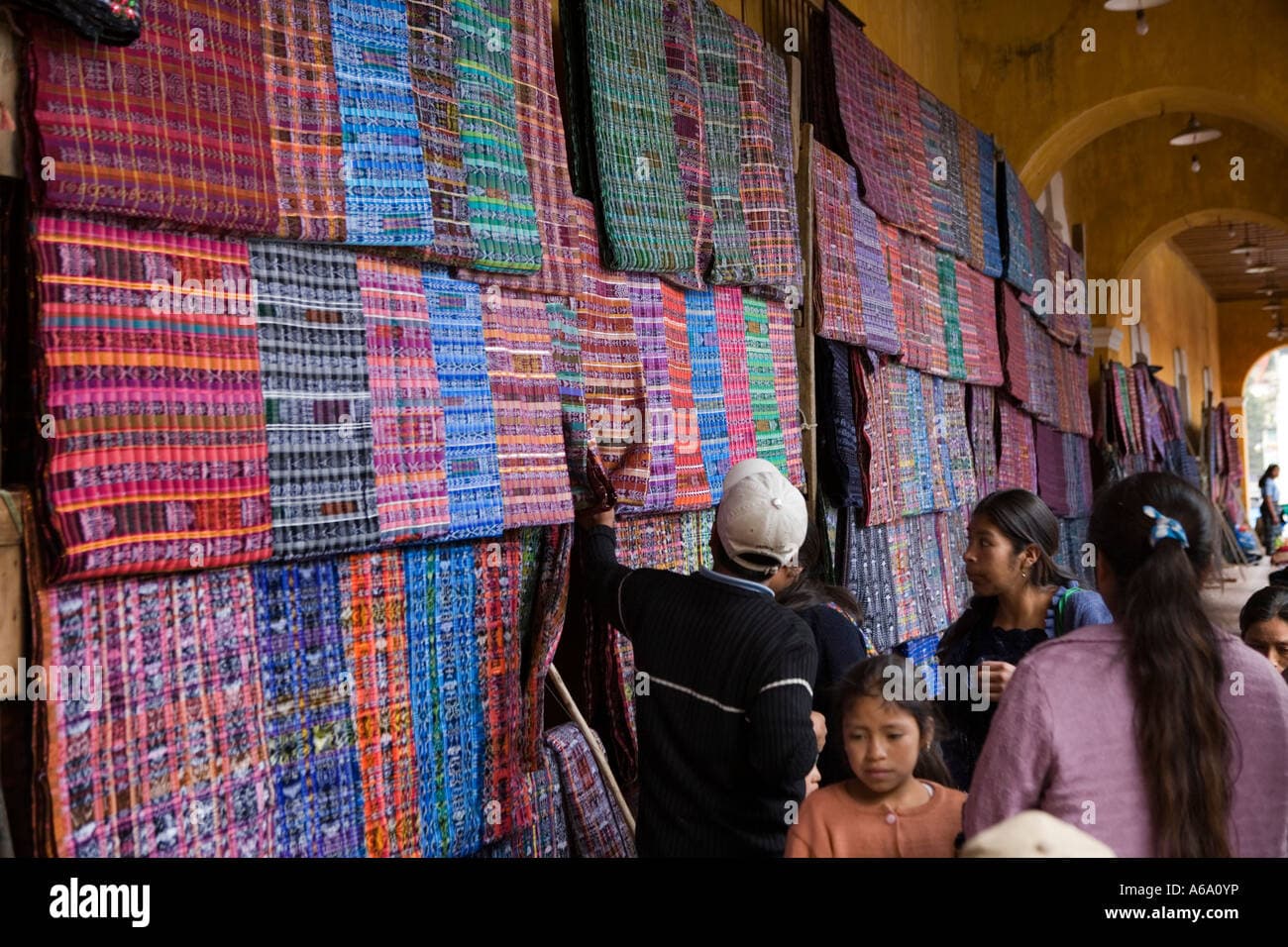
Another highlight? The Mercado de Artesanías (Craft Market) in downtown Totonicapán. Here, you’ll find handwoven huipiles (traditional blouses), intricate pottery, and wooden masks carved by local artisans. Bargaining is expected—start at half price and negotiate with a smile. Just remember: if someone offers you a handmade guitar shaped like a chili pepper, it’s probably not a joke—it’s art.
Food & Drink: What to Eat in Autumn
Autumn in Totonicapán means harvest season for corn, beans, squash, and chilies—so the food is fresh, hearty, and bursting with flavor. Don’t miss:
- Pepian: A rich stew made with ground pumpkin seeds, chilies, and meat or chicken. Served with tortillas and pickled onions.
- Tamales: Wrapped in banana leaves and steamed for hours. Ask for tamal negro (black tamale)—it’s made with chocolate and chili.
- Champurrado: That warm chocolate drink we mentioned earlier. Perfect for chilly mornings.
And if you’re feeling brave, try poc chuc, a Yucatecan-style grilled pork marinated in citrus and spices. It’s not native to Totonicapán but is increasingly popular thanks to regional fusion.
Where to Stay: From Hostels to Homestays
Accommodations in Totonicapán are modest but authentic. Here are some options:
- Hostal El Mirador: A clean, family-run hostel with views of the valley. Offers breakfast included and free Wi-Fi (though it’s slower than your grandma’s dial-up).
- Casa de los Abuelos: A homestay where you can sleep in a traditional adobe house and learn how to weave huipiles. Breakfast includes fresh pan dulce and coffee grown locally.
- Hotel San Francisco: A slightly more upscale option with hot water and room service (if you ask nicely).
Pro tip: Book ahead during festival weeks—the town fills up fast with visitors from all over Guatemala.
Safety & Practical Tips
Totonicapán is generally safe for travelers—especially if you stick to tourist areas and avoid walking alone at night. However:
- Always carry small bills—many vendors don’t accept cards.
- Keep valuables hidden; petty theft can occur in crowded markets.
- Learn basic Spanish phrases. “¿Cuánto cuesta?” (“How much does it cost?”) will get you far.
- Respect local customs—especially during religious festivals. Dress modestly when visiting churches or participating in ceremonies.
And yes, bring layers. Even though it’s “autumn,” nights can get chilly at 2,000 meters above sea level. A light jacket or sweater is essential.
Final Thoughts: Why You Should Visit Totonicapán This Autumn
If you’re tired of overcrowded tourist traps and want something real—something that smells of woodsmoke, cornfields, and ancient traditions—Totonicapán is your answer. It’s not about Instagram-perfect sunsets or luxury resorts. It’s about connecting with people who live differently, eat differently, and celebrate life with heart.
So pack your camera, your curiosity, and maybe a thermos of champurrado—and head to the highlands of Guatemala before the world catches on. Because once they do? You’ll be paying twice as much for a handmade mask shaped like a chili pepper.
Happy travels!