Pack for altitude, not aesthetics. Adi Keyh rewards the disciplined traveler who values function over form in the Eritrean highlands.
The asphalt road from Asmara to Adi Keyh tests your suspension and your patience. At 110 kilometers southeast of the capital, the terrain hardens. You climb to approximately 2,500 meters above sea level. The air thins. The light becomes sharp, unfiltered by humidity. Adi Keyh serves as a market town in the Debub Region. It functions primarily as a commercial hub for the surrounding highlands. There are no tourist traps here. There are no curated experiences. The rhythm of local commerce defines the space. The landscape operates with stark efficiency.
If you are backpacking here, you seek accuracy. You measure your gear against the reality of Eritrean infrastructure. The standard of living is modest. The order is precise. Your packing list must reflect this. Softness is a liability. Precision is an asset.
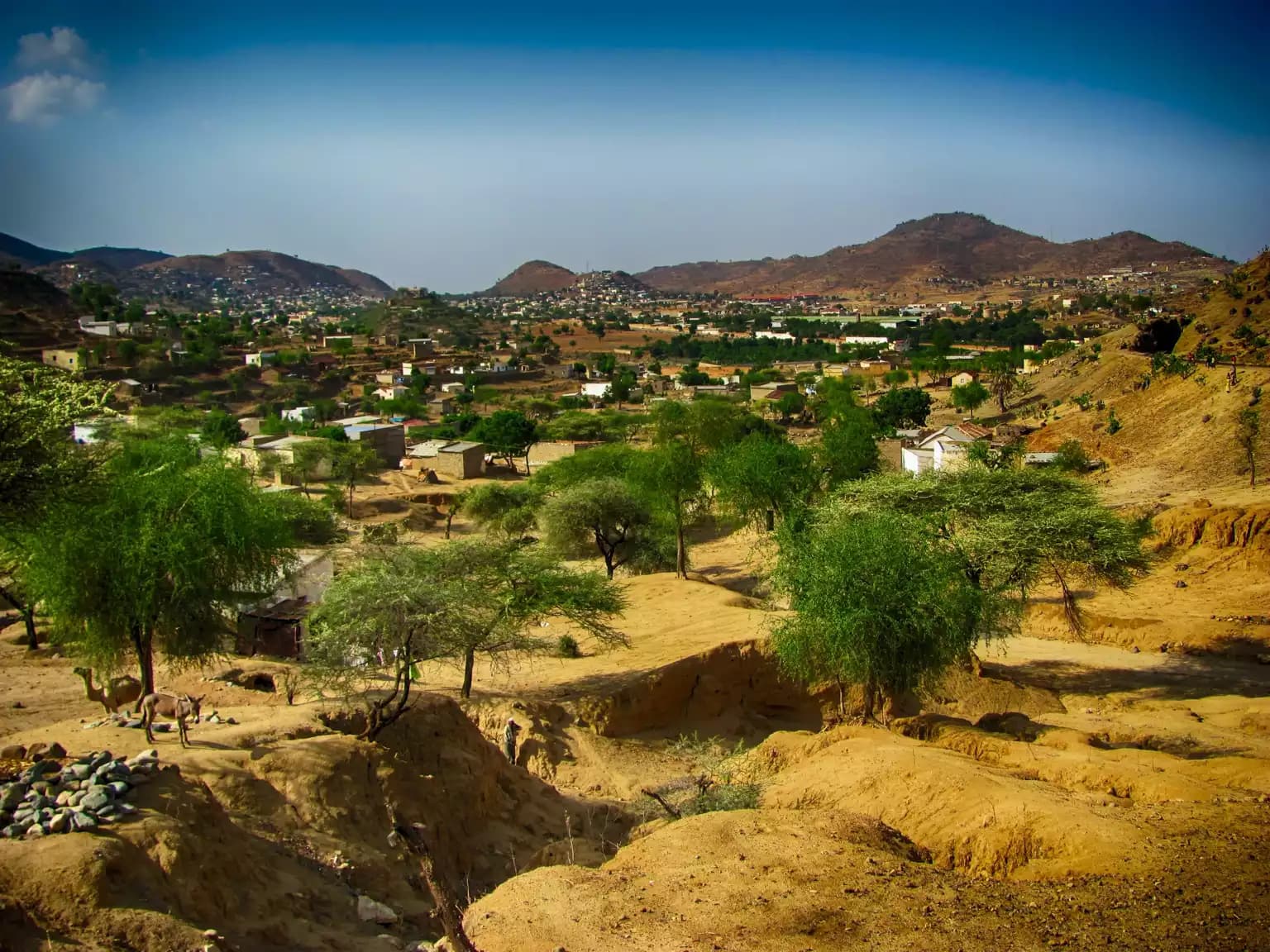
The Weight of Altitude
At 2,500 meters, the body reacts before the mind acknowledges it. The first night in Adi Keyh exposes your fitness level. The oxygen density is lower. Your heart rate remains elevated during simple tasks. This is a physiological fact.
Your sleeping bag must be rated for temperatures below 5°C. The highlands cool rapidly after sunset. The drop is sudden. If you rely on a thin liner, you will wake up shivering. Local accommodation is extremely spartan. Do not expect thermal insulation in the walls. Do not expect consistent heating. The room holds the temperature of the outside air.
Layering is non-negotiable. Synthetic fabrics retain heat when damp. Cotton does not. If you sweat during the day, cotton will freeze against your skin at night. Choose technical materials. The wind in the Debub Region cuts through loose fabric. Your jacket must be windproof. Your boots must be broken in. The terrain around the market town is uneven. Blisters are a distraction you cannot afford.
Accommodation: The Audit of Comfort
Lodging in Adi Keyh is a study in minimalism. Sources describe the available options as extremely spartan. This is a structural reality. Hot water is uncertain. Electricity may be intermittent. You are paying for a roof and a lock. Nothing more.
Do not book based on amenities. Book based on proximity. The town center is the focal point. Staying within walking distance of the market reduces your dependence on transport. The roads are asphalt. The distances feel longer at altitude. Every kilometer you walk is a calorie you burn. Every kilometer you drive is a variable you cannot control.
Check the mattress upon arrival. If it is soft, it will sag. If it is hard, it will support. Choose the hard option. Your back will thank you. Check the windows. If they do not seal, the cold will enter. If they seal, you have control. This is the only control you have. Accept it.
Transit: Road and Rail
Access to Adi Keyh is defined by the road from Asmara. The road is the primary artery. It is 110 kilometers long. It takes time. The condition of the asphalt is generally good. The pace of traffic is slow. You are not racing. You are arriving.
The Eritrean Railway is a heritage line. It is a steam-operated network that connects the coast to the highlands. The line runs from Massawa to Asmara. It does not serve Adi Keyh. Do not plan your itinerary around the train. The railway is a spectacle in other locations, but it is not a utility here.
If you are driving, check your tires. The altitude affects pressure. The heat affects tread. A blowout 50 kilometers from the nearest service station is a logistical failure. Carry a spare. Carry a jack. Carry a wrench. These are insurance.
Sustenance: The Local Standard
There are no specific dishes confirmed as unique to Adi Keyh in authoritative sources. The cuisine is regional. You will eat what the highlands provide. Injera is the staple. It is a sourdough flatbread made from teff flour. It serves as the plate, the utensil, and the meal. Zigni, a spicy stew, is common. It is heavy. It provides the calories needed for the altitude.
Do not expect variety. Do not expect presentation. The food is functional. It fuels the body. Eat it. Hydrate aggressively. The dry air at 2,500 meters depletes moisture. Water is essential. Buy it in sealed containers. Do not risk filtration errors. The local water supply is not guaranteed for foreign stomachs.
Practical Logistics
Money: The Eritrean Nakfa is the currency. ATMs are rare outside Asmara. Bring sufficient cash. Small denominations are useful for the market. The exchange rate is controlled. Do not attempt black market transactions. They are unnecessary risks.
Timing: The highland climate is temperate. Summer months are generally mild. Afternoon rains can occur. Check the sky. If clouds gather, move indoors. The rain is heavy and brief. It washes the dust from the roads. It makes the asphalt slick. Drive slowly.
Holidays: There are no major holidays recorded for the next six months in Adi Keyh. The town operates on a consistent schedule. There are no crowds to avoid. There are no price spikes to predict. This is an advantage. You have access to the space. Use it.
Audience: This destination is for solo travelers and small groups who value independence. It is not for families seeking comfort. It is not for luxury seekers. It is for those who want to see the structure of a place without the veneer of tourism. Stay for two days. One is not enough to acclimatize. Three is too long without activity. Two is the precise window.
FAQ
Do I need a visa for Eritrea? Yes. Eritrea requires a visa for most nationalities. It is typically arranged through the embassy or upon arrival if you have a pre-approved letter. Check current regulations before travel.
Is it safe to backpack in Adi Keyh? Eritrea is generally safe. Crime is low. The risk is logistical, not criminal. Prepare for infrastructure limitations.
Can I use credit cards? No. Cash is king. Bring Nakfa or convertible currency to exchange. Cards are not widely accepted outside major hotels in Asmara.
Adi Keyh does not ask for your admiration. It asks for your respect. Pack accordingly.