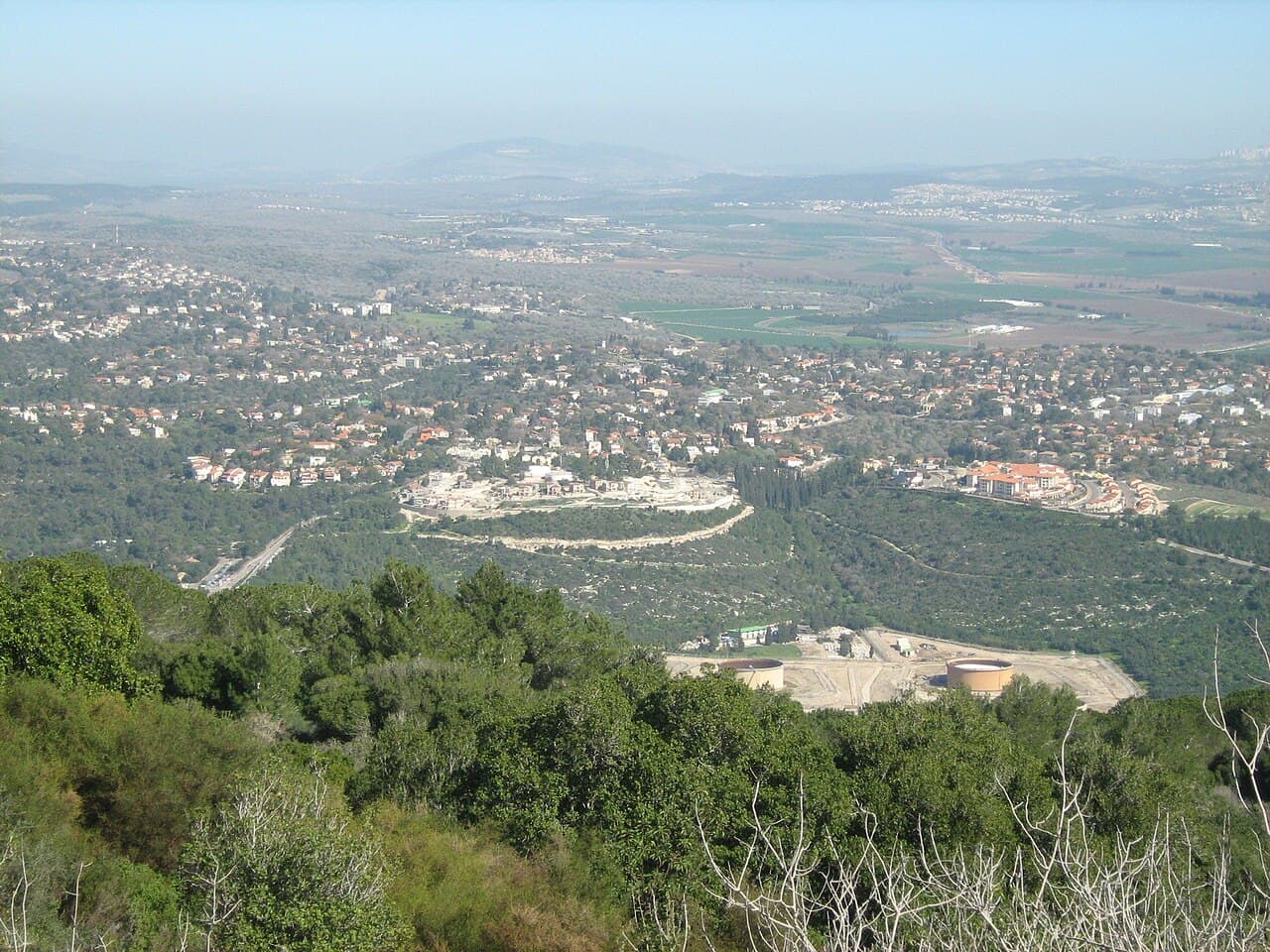
The morning air in the Lower Galilee carries the sharp scent of wild thyme and damp earth as spring arrives in Basmat Ṭab‘ūn. This local council, established in 1965 for the al-Sa’adia and al-Zabidat Bedouin tribes, sits quietly in the Jezreel Valley Regional Council, east of Kiryat Tivon. Far from the crowded coastal highways, this community offers a rare window into traditional Bedouin life within modern Israel. For travelers seeking authenticity over tourist infrastructure, Basmat Ṭab‘ūn provides a grounded perspective on the Northern District. You will find no large hotels here, but you will discover genuine hospitality, rugged landscapes, and a cultural depth that rewards patience.
Spring is the optimal season to visit. Temperatures hover between 15°C and 25°C, making hiking and outdoor exploration comfortable. The hills surrounding the village burst with greenery after the winter rains, contrasting with the dry, golden tones of late summer. This guide outlines how to navigate this lesser-known destination, respect local customs, and connect with the heritage of the Bedouin people who have called this land home for generations.
Arrival and Navigation
Basmat Ṭab‘ūn is not served by direct public transit from major hubs. Most visitors arrive by car, typically driving from Haifa or Acre. The drive from Haifa takes approximately 45 minutes via Route 70, turning east toward Kiryat Tivon. Road signs in Arabic and Hebrew mark the entry into the local council. Once inside, the streets are narrow and residential. Parking is available along the main thoroughfares, but drivers should avoid blocking driveways or gathering spots, which are central to community life.
Public buses do not regularly stop within the village limits. The nearest bus stops are located in Kiryat Tivon or the nearby industrial zone. From there, a taxi ride to Basmat Ṭab‘ūn costs roughly 30–50 NIS, depending on negotiation and time of day. Taxis are not metered; agree on a price before entering the vehicle. For those relying on ride-sharing apps, service is limited in this rural area, so pre-booking a private driver from a larger city like Safed or Nazareth is a more reliable option.
Understanding the Cultural Landscape
Basmat Ṭab‘ūn is home to two distinct tribes, the al-Sa’adia and al-Zabidat. Their presence here dates back to the British Mandate period, but the formal establishment of the local council in 1965 marked a shift in administrative recognition. The community retains strong ties to Bedouin traditions, including tribal governance structures and customary law, which often operate alongside Israeli civil law. Visitors should approach the village with cultural sensitivity. Photography of residents, especially women and children, requires explicit permission. It is customary to greet elders with respect and to dress modestly, covering shoulders and knees, even in warm weather.
The social fabric of Basmat Ṭab‘ūn revolves around family and tribe. Public spaces, such as tea houses or community centers, are vital for social interaction. While English is not widely spoken, many residents understand basic Hebrew and Arabic phrases can bridge communication gaps. Learning a few words in Arabic, such as "Marhaba" (hello) or "Shukran" (thank you), demonstrates respect and often opens doors to warmer interactions. Avoid political discussions unless initiated by locals, as tribal dynamics and regional politics are complex and deeply personal.
Food and Local Flavors
Dining in Basmat Ṭab‘ūn is an intimate experience, often centered around home-cooked meals or small family-run eateries. There are no international chains or large restaurants here. Instead, seek out local cafés that serve traditional Bedouin cuisine. Key dishes include maqluba, a layered rice dish with vegetables and meat, and fahsa, a spicy lamb stew cooked in a clay pot. Fresh bread, baked in communal ovens, is a staple and often served with olive oil and za’atar.
For breakfast, try jibneh bi-zayt, cheese soaked in olive oil, served with warm pita. Sweet treats like kunafa, a cheese-filled pastry soaked in syrup, are available at local bakeries. Prices are modest, with a full meal costing between 40–70 NIS per person. Hydration is essential in spring, so order fresh mint tea, often served in small glasses, which is both a refreshment and a symbol of hospitality. If invited into a home, it is polite to accept at least one glass of tea, even if you are not thirsty.
Outdoor Exploration and Nature
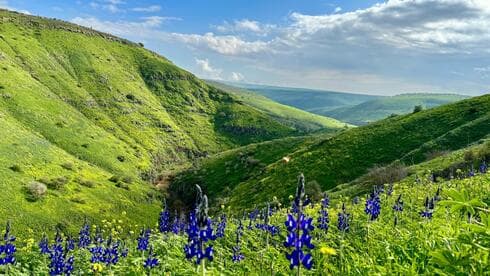
The terrain surrounding Basmat Ṭab‘ūn is characterized by rolling hills and agricultural fields. The village overlooks the Zvulun Valley, offering panoramic views of the Lower Galilee. Hiking trails are not formally marked, but local guides can lead you through safe routes that showcase the natural beauty of the area. Spring brings wildflowers, including blue irises and red poppies, which dot the landscape.
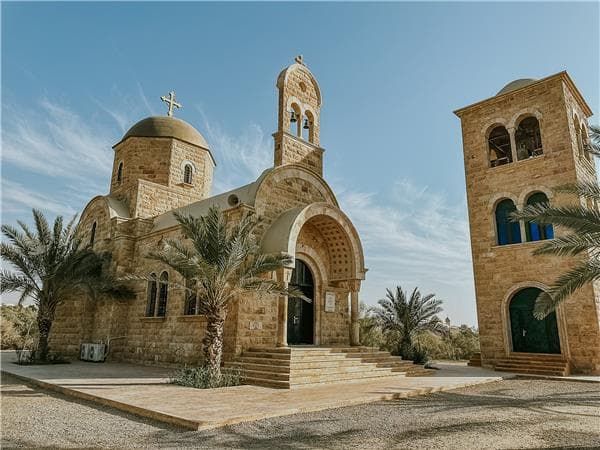
A notable nearby attraction is the ancient site of Bethlehem of Galilee, located a short drive away. While not within the village itself, it provides historical context to the region’s long human settlement. For a more active experience, horseback riding is occasionally available through local operators who raise horses for both work and sport. These experiences are informal; arrange them directly with residents or through word-of-mouth recommendations. Always wear sturdy footwear, as the ground can be uneven and rocky.
Accommodation and Logistics
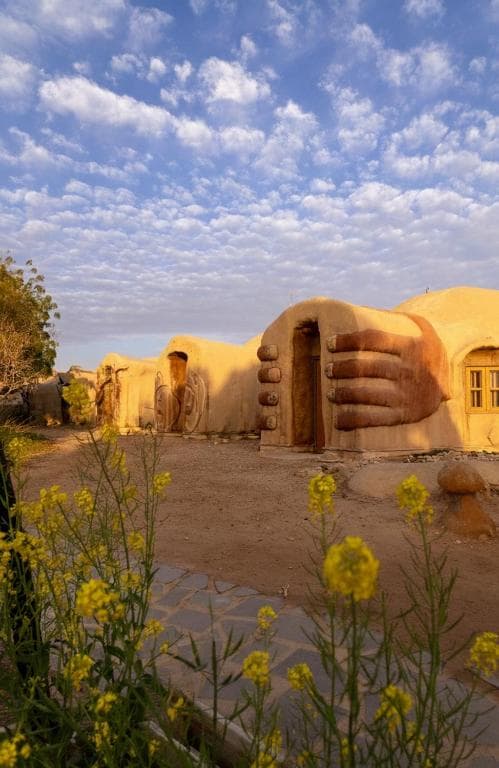
Basmat Ṭab‘ūn does not have commercial hotels or hostels. Travelers seeking to stay overnight have two primary options: homestays or nearby kibbutz accommodations. Homestays offer an immersive cultural experience, allowing guests to live with a local family. This arrangement requires advance planning and often relies on personal connections or specialized tour operators who facilitate such visits. Expect simple amenities, shared bathrooms, and meals prepared by the host family.
For those preferring more structured lodging, nearby kibbutzim such as Kibbutz Lotan or Kibbutz Gesher Haziv offer guesthouses and eco-lodges. These are located within a 20–30 minute drive and provide reliable Wi-Fi, private rooms, and organized activities. Booking in advance is essential, especially during spring holidays. If staying in a homestay, respect house rules regarding prayer times, gender segregation in certain areas, and quiet hours. Cash is preferred for payments in both homestays and local vendors, as credit card facilities may be limited.
Practical Tips for Visitors
Before visiting Basmat Ṭab‘ūn, ensure you have a reliable map or GPS device, as cellular signal can be intermittent. Carry sufficient water, sunscreen, and a hat, as shade is limited in outdoor areas. Respect local customs by avoiding loud music or disruptive behavior in residential zones. If you plan to purchase handicrafts, such as woven textiles or pottery, negotiate prices politely and view the transaction as a cultural exchange rather than a commercial deal.
Health facilities are limited within the village. The nearest hospital is in Kiryat Tivon or Acre, both within a 30-minute drive. Travel insurance that covers medical evacuation is recommended. Finally, leave no trace: dispose of waste properly and avoid picking wild plants, which are protected in many areas of the Galilee. By approaching Basmat Ṭab‘ūn with curiosity and respect, you will gain a deeper understanding of the Bedouin heritage that enriches Israel’s northern landscape.