There are no beaches in Phôngsali. Only mist, steep stone, and the quiet weight of the highlands.
The road from Luang Prabang to Phôngsali does not offer a view of the sea. It offers a test. You spend hours on winding asphalt, watching the altitude climb, the air thinning, the humidity giving way to a cool, damp stillness. This is the far north of Laos. It is a place defined by what it lacks: noise, crowds, and the easy comforts of the lowlands. If you are looking for a beach escape, you have come to the wrong province. If you are looking for an escape from the predictable, you have arrived exactly on time.
Phôngsali requires endurance to reach. The journey itself is the first filter. There is no railway here. The Laos-China Railway serves Boten and Luang Prabang with efficient speed, but it stops short of the highlands. To reach Phôngsali, you must take the bus or a private vehicle over rural roads that climb and twist through the northern mountains. The travel time is long. The roads are narrow. The experience is one of isolation, a gradual shedding of the world below.
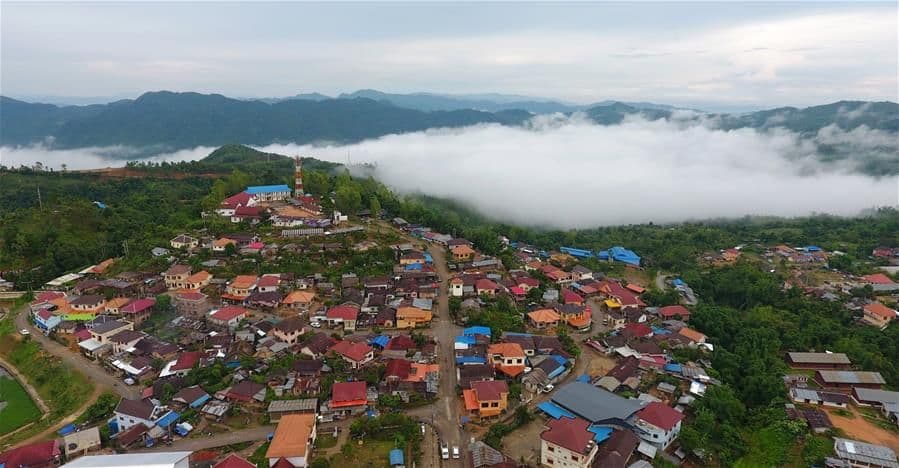
The Landscape of Silence
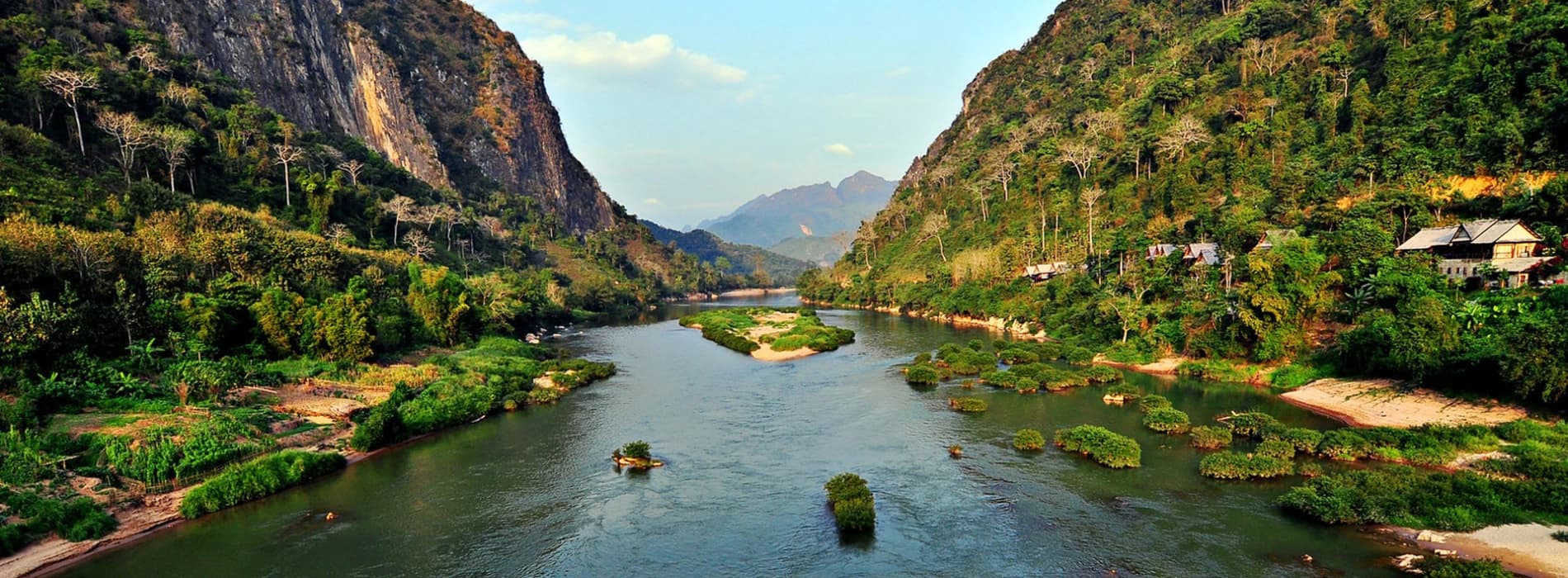
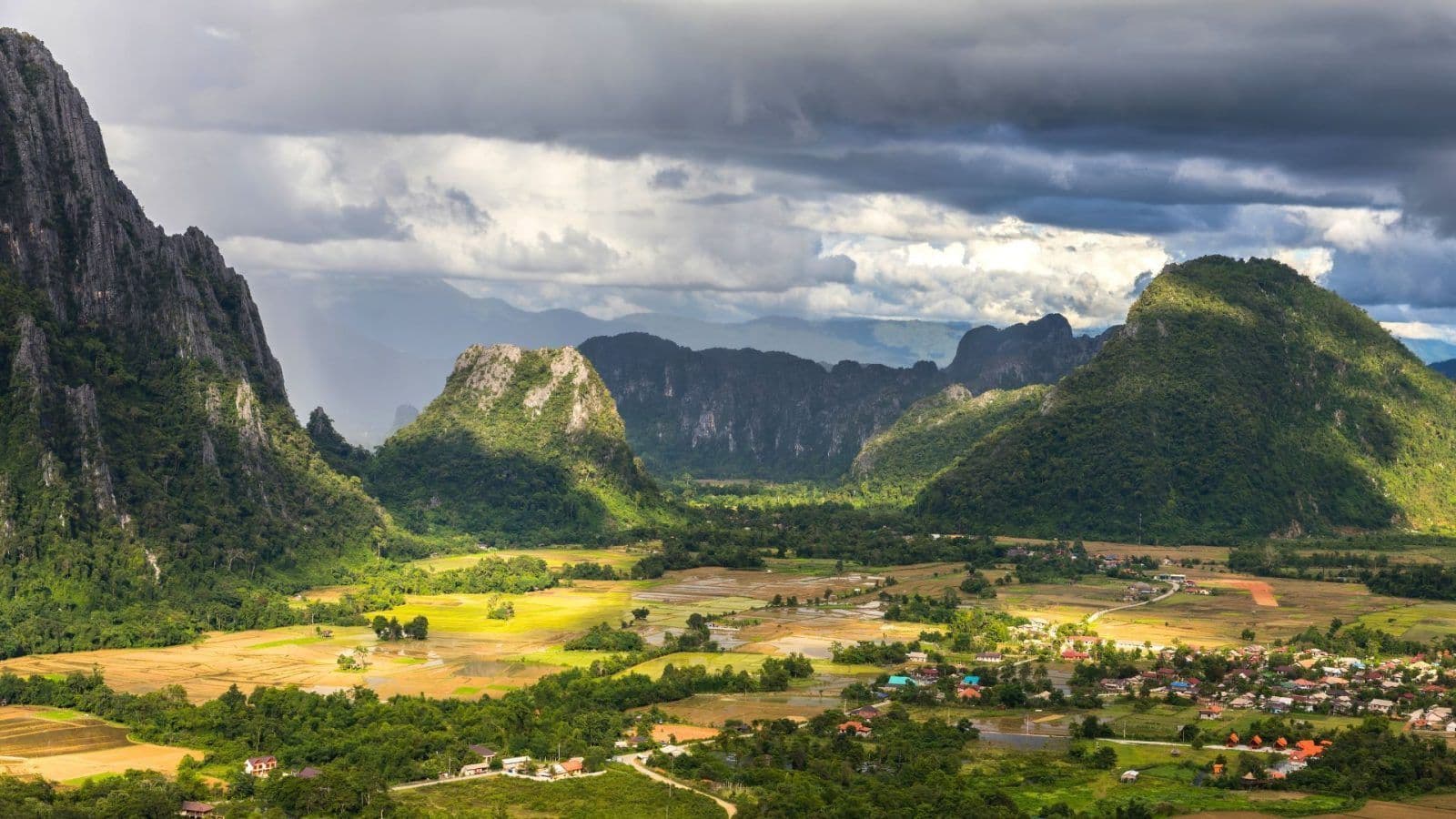
There is no coastline. There is only the Nam Ou River, which cuts through the district of Muang Khua, and the dense forests of the province. These are the anchors of the region. The protected forest areas in Phôngsali are vast zones of primary growth. They lack paved trails and gift shops. They are expansive spaces of green and shadow, suitable for trekking and nature observation for those who do not mind the mud and the mosquitoes.
The terrain is rugged. The mountains are sharp, imposing ridges that hold the mist close. In the cooler months, the air is thick with fog, creating a silence that feels heavy, almost physical. The environment is remote. Wildlife sightings are unpredictable, appearing only when the forest allows it. The beauty here is not decorative. It is structural. It is the result of geology and time, indifferent to the presence of visitors.
Tea and the Akha
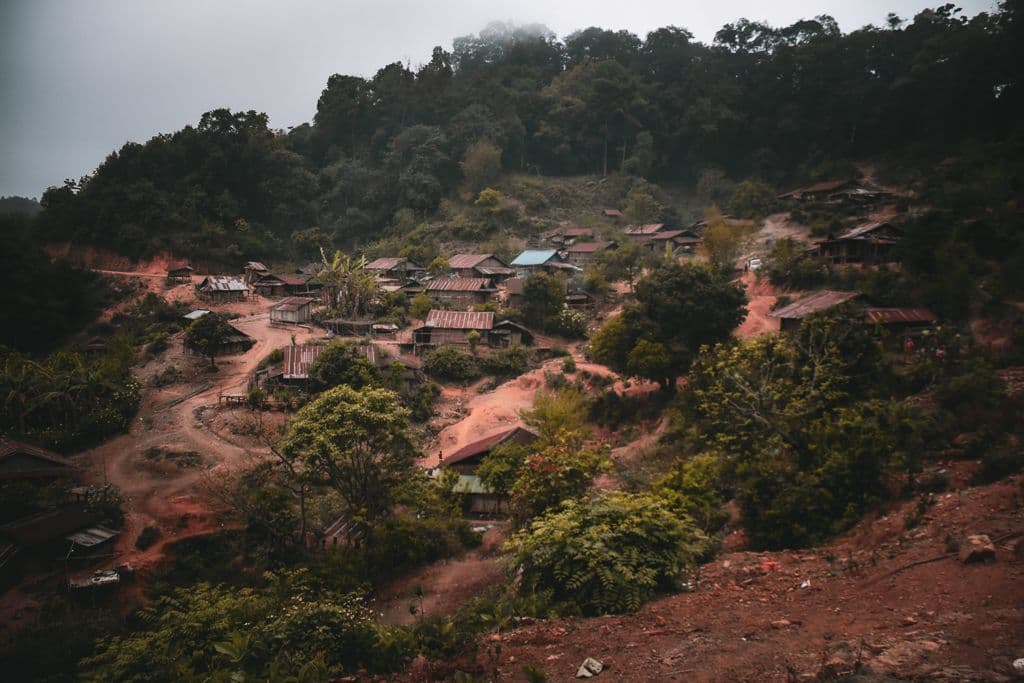
The terraced slopes of Phôngsali are dominated by ancient tea trees. These are old, gnarled plants that have grown wild or semi-wild for centuries, associated with the local Akha village culture. The Akha people have lived in these highlands for generations, their lives tied to the rhythm of the harvest and the steep gradients of the land.
To visit a tea plantation here is to stand on a slope, looking down at the village below, and understand the labor involved in every leaf. The culinary traditions of the Akha are implied through the hearth cooking seen in their homes. The food is simple, local, and functional. Restaurants in Phôngsali serve standard local Laotian cuisine at budget prices. You will find sticky rice, grilled meats, and vegetables, prepared with a focus on sustenance rather than spectacle. There is no unique "Phôngsali dish" marketed to tourists. The food is honest, regional, and tied to the ingredients available in the mountains.
Getting There and Staying Put
The logistics of Phôngsali are unforgiving. Access is via long overland bus or private vehicle from Luang Prabang or Vientiane. The journey is a transit requirement. Services are infrequent. Schedules are suggestions. Advance planning is necessary. You do not arrive in Phôngsali on a whim. You arrive because you have decided that the destination is worth the friction of the journey.
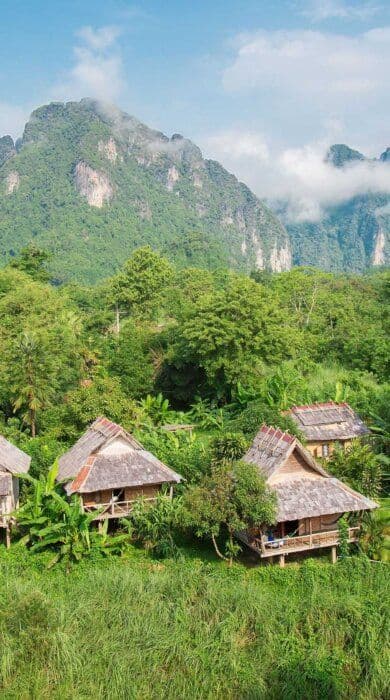
The accommodation options are basic. You will stay in guesthouses or small lodges that provide a roof, a bed, and perhaps a hot shower. The value lies in the location. A room with a view of the misty mountains or a quiet spot near the Nam Ou River offers a different kind of comfort. The price is low, typically in the range of a few hundred thousand Lao Kip per night. The amenities are relative. You are there to sleep, to rest, and to prepare for the next day’s trek or observation. The lobby is a small holding space. The strangers you meet there are few. You share the space, you exchange nods, and you move on.
When to Go and Who It Is For
The best time to visit Phôngsali is during the cooler months. The misty mountain conditions suggest a distinct atmospheric experience when the temperature drops. The rainy season brings mud and leeches. The hot season brings humidity and fatigue. The cool season brings clarity, if not always visibility.
Lao National Day falls on December 2, 2026. This is a national holiday, and while Phôngsali is remote, some local travel may increase. New Year's Day on January 1, 2027, is another marker on the calendar. For most travelers, the timing is less about holidays and more about weather. If you are a solo traveler, you will find the isolation rewarding. If you are a family, you must assess the physical demands of the terrain and the roughness of the roads. This is slow travel in the sense of moving at the speed of the landscape. You stay long enough to understand the rhythm of the place, then you leave.
Practical Questions
How do I get to Phôngsali? You must take a bus or private vehicle from Luang Prabang or Vientiane. There is no railway service. The journey is long and on rural roads. Book in advance.
Is Phôngsali safe? It is a remote area with few tourists. The primary risks are travel-related: road conditions, weather, and isolation. Standard precautions apply. Respect local customs and ask before taking photographs of people.
What should I pack? Sturdy footwear for trekking. Layers for the cool mountain air. Rain gear, regardless of the season. Cash, as ATMs are scarce or non-existent in remote villages.
Phôngsali does not offer a beach. It reflects the effort you have made to be there. The silence is full of the things you have left behind. The mist acts as a boundary. You stand on the edge, you look out, and you accept the terms of the landscape. This is the reality of the escape. It is not easy. It is inevitable.