Work from the banks of the Dniester in Transnistria. Affordable rents, stable connectivity, and a 16th-century fortress as your weekend escape.
The Work Setup
Bender, known locally as Tighina, offers a stark contrast to the typical digital nomad destinations in Eastern Europe. Situated in the Transnistria region, this city on the Dniester River provides a quiet, low-cost environment for remote workers. While major hubs like Chișinău or Bucharest dominate the conversation, Bender appeals to those seeking isolation and significantly lower overheads. The city’s infrastructure is functional rather than flashy, with internet connectivity generally available in residential areas and cafes, though speeds can vary by provider. For a remote worker, the primary advantage is the cost of living. Rent for a one-bedroom apartment in the city center typically ranges from $200 to $400 per month, a fraction of what you would pay in Western Europe. This allows for a lifestyle where work is the primary focus, without the pressure of high urban costs. The pace here is slower, which can be a double-edged sword. You will not find a dense network of coworking spaces or tech meetups as you would in a larger capital. Instead, the work culture is self-directed. Many expats and long-term visitors set up home offices, relying on the quiet of the apartment blocks that line the main streets. The lack of a vibrant startup scene means fewer distractions, but also fewer networking opportunities. You are here to work, not to network. This makes Bender ideal for freelancers, writers, and developers who thrive in solitude.
Living in the Old Town
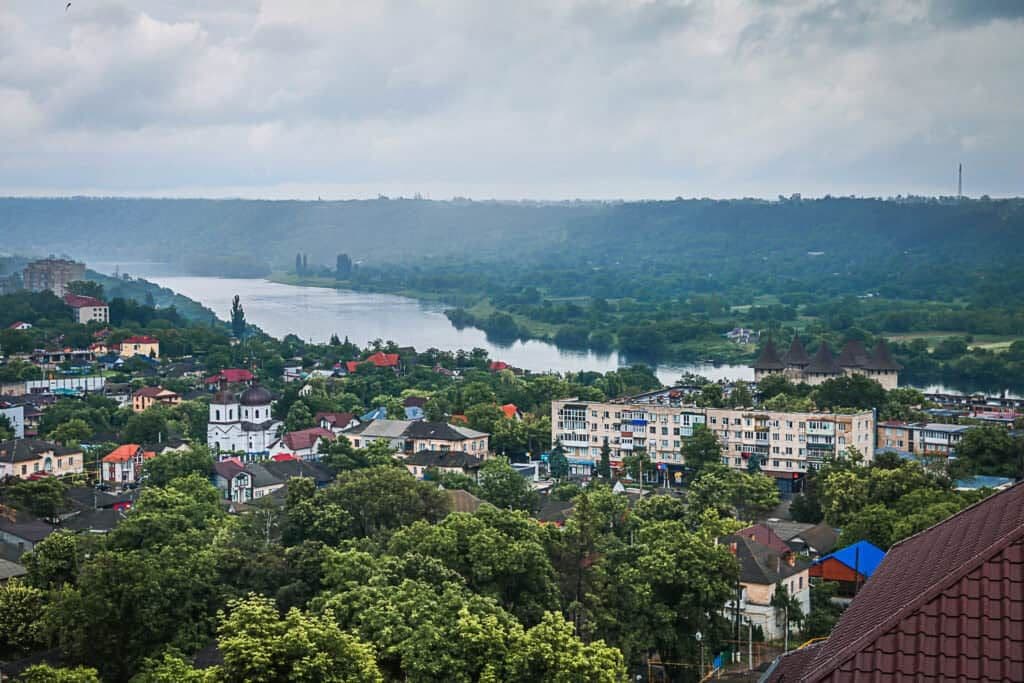
The heart of Bender is defined by the Tighina Fortress, a 16th-century structure that dominates the riverbank. Built from red brick, the fortress features defensive ramparts and a medieval dungeon museum that offers a glimpse into the city’s turbulent past. For residents, the fortress is more than a tourist site; it is a landmark that anchors the daily routine. The area around the fortress, including Alexander Nevsky Park, serves as the primary green space for the city. In the autumn, when the leaves turn and the Dniester River reflects a cooler, greyer light, the park becomes a quiet place for walks between work sessions. The old town itself is compact, with narrow streets and Soviet-era apartment blocks that have been maintained over decades. The architecture is a mix of historical stone and concrete, creating a unique aesthetic that is neither fully preserved nor fully modernized. This blend gives the city a raw, authentic feel that appeals to those tired of polished tourist traps. The local community is tight-knit, and while language barriers can exist, the Moldovan and Russian-speaking residents are generally welcoming to long-term visitors who show respect for local customs. Living in this area means being close to the main bus routes and the few cafes that cater to non-tourists.
Connectivity and Infrastructure
Internet reliability is a critical factor for any remote worker, and Bender’s infrastructure is adequate for most standard tasks. While specific data on provider speeds is not always publicly detailed, local residents report that fiber-optic connections are available in newer apartment buildings, offering speeds sufficient for video conferencing and large file transfers. For those in older buildings, DSL or 4G/5G mobile hotspots are common backups. The cost of internet is low, typically under $20 per month for a basic package. Mobile coverage is strong in the city center, with both Moldovan and Transnistrian operators providing service. However, signal strength can drop in the older parts of the city or in basements. It is advisable to test your connection before committing to a long-term lease. Banking services are available, though the currency used in Transnistria is the Transnistrian ruble, which is pegged to the Russian ruble. This can create some complexity for international transfers, and many remote workers maintain accounts in Chișinău or use digital payment platforms to manage their finances. The local banking system is functional but not as integrated with global networks as in other European countries.
Getting Around and Beyond
Bender is well-connected to Chișinău, the capital of Moldova, which is about 50 kilometers away. The most common way to travel between the two cities is by bus or taxi, with trips taking roughly one hour depending on traffic and border crossings. For rail enthusiasts, the Bender-2 train station is a notable landmark, though it is currently closed to passenger traffic. This ten-track former station is a popular spot for urban exploration, with its historic architecture and abandoned platforms offering a stark contrast to the bustling Bender-1 station, which handles all current passenger rail traffic. If you prefer rail travel, you will be using the Bender-1 station for any connections. The city itself is compact enough to be explored on foot or by bicycle. The main roads are wide, and while traffic can be heavy during rush hour, the overall volume is lower than in larger cities. Bicycles are a practical mode of transport for short distances, and the flat terrain of the Dniester river valley makes cycling easy. For longer excursions, renting a car is an option, but driving in Transnistria requires familiarity with local traffic norms and border procedures.
Food and Local Culture
The culinary scene in Bender reflects the broader Moldovan tradition, with an emphasis on hearty, home-style meals. Local restaurants serve traditional Moldovan food, including various meat dishes, salads, and baked goods. The local market area is a hub for fresh produce, where you can find seasonal fruits, vegetables, and meats at affordable prices. In autumn, the availability of fresh apples, grapes, and other local produce peaks, offering a chance to sample the region’s agricultural output. Dining out is inexpensive, with a meal for two at a mid-range restaurant costing less than $20. The atmosphere in local eateries is casual and unpretentious, focusing on the quality of the food rather than the ambiance. For those who prefer to cook, the local supermarkets and markets provide all the necessary ingredients. The cultural landscape is shaped by the region’s history, with a mix of Moldovan, Russian, and Ukrainian influences. This diversity is reflected in the local festivals and traditions, which can be a fascinating aspect of daily life for long-term visitors.
When to Go and Practical Tips
The best time to visit Bender for remote work is during the spring and autumn months, when the weather is mild and the city is less crowded with tourists. Summer can be hot and humid, while winter brings cold temperatures and shorter days. The December holidays and New Year celebrations can affect business hours and internet connectivity, so it is advisable to plan your work schedule accordingly. For visa purposes, citizens of many countries can enter Transnistria with a valid passport, though regulations can change, so it is essential to check the latest requirements before traveling. The region is generally safe for travelers, with low crime rates, but standard precautions apply. Bender is a destination for those who value affordability, quiet, and a unique cultural experience over the amenities of a larger city. It is a compelling base for a digital nomad lifestyle for the right traveler.
FAQ
Is Bender safe for solo female travelers? Yes, Bender is generally considered safe. Crime rates are low, and the city has a quiet, residential feel. As with any destination, it is wise to stay aware of your surroundings, especially at night, but most visitors report feeling secure.
What is the best way to get from Chișinău to Bender? The most common and cost-effective method is by bus, which takes about an hour. Taxis are also available and offer more flexibility, though they are more expensive. Train travel is an option, but you will be using the Bender-1 station for current passenger services.
Do I need a visa to visit Bender? Visa requirements depend on your nationality. Many travelers can enter Transnistria with a valid passport, but it is recommended to check the latest entry requirements with your local embassy or consulate before planning your trip.