Spring in Bender brings a soft green haze over the Dniester River, where reeds whisper in the breeze and the air carries the faint scent of damp earth and wildflowers. The city, technically part of Moldova but under the de facto control of Transnistria, feels suspended between eras—Soviet-era apartment blocks stand beside crumbling fortress walls, and a few cafes serve coffee with a hint of nostalgia. It’s not on most tourist radars, which makes it quietly fascinating. If you’re looking for authenticity without crowds, Bender in spring offers a slow-paced glimpse into Eastern Europe’s quieter corners.
Getting There and Around
Reaching Bender requires some planning. Most visitors fly into Chișinău International Airport (KIV), then take a shared taxi or minibus to the border crossing near Bender. The ride takes about 2.5 hours and costs around 150–200 Moldovan lei (about $8–$10 USD). Once across, local transport is limited—taxis are available but infrequent, and public buses run on a basic schedule. Walking is often the best way to explore the city center, especially along the riverfront paths near the old fortress. The terrain is flat, making it easy to cover ground on foot during mild spring days.
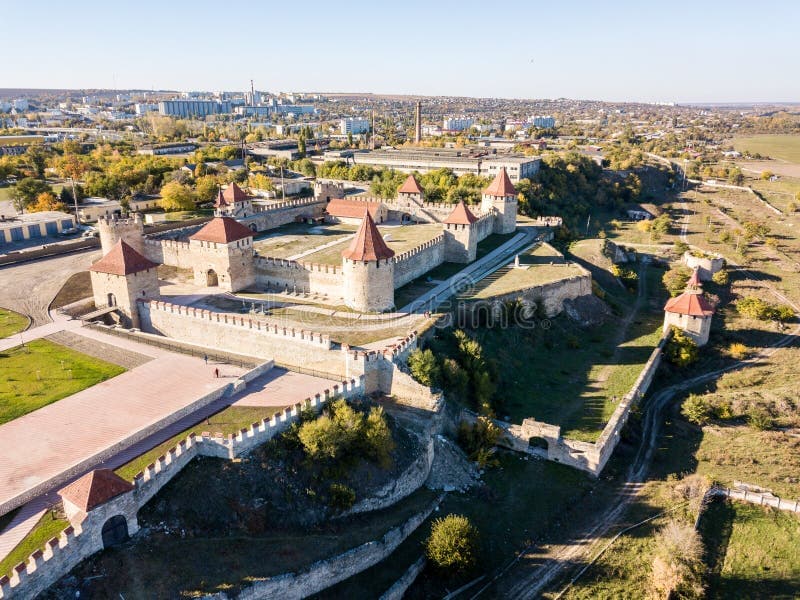
Historical Sites: The Fortress and Beyond
Bender’s most prominent landmark is the 18th-century Bender Fortress, perched on a hill overlooking the Dniester. Though much of it is in ruins, the remaining stone walls and towers offer panoramic views of the river and surrounding hills. Inside, you’ll find remnants of old barracks and guardhouses, now overgrown with ivy. Nearby, the Church of the Nativity stands as a quieter testament to the region’s religious past—its simple brick exterior contrasts with ornate interior frescoes. Note: While most sites are accessible, some areas remain restricted due to the Transnistrian political status.
Local Food and Dining
Spring in Bender means fresh produce begins appearing at small roadside stalls. Look for seasonal vegetables like radishes and greens, often sold by families from nearby villages. For meals, head to Dniestr Terrace—a riverside spot offering grilled fish from the Dniester and traditional dishes like sarmale (cabbage rolls) and mămăligă (polenta). Tighina Tavern serves a mix of Moldovan comfort food and international fare, including grilled meats and homemade desserts. Retro Café, tucked in a Soviet-era building, is ideal for a coffee break with pastries made from local ingredients.
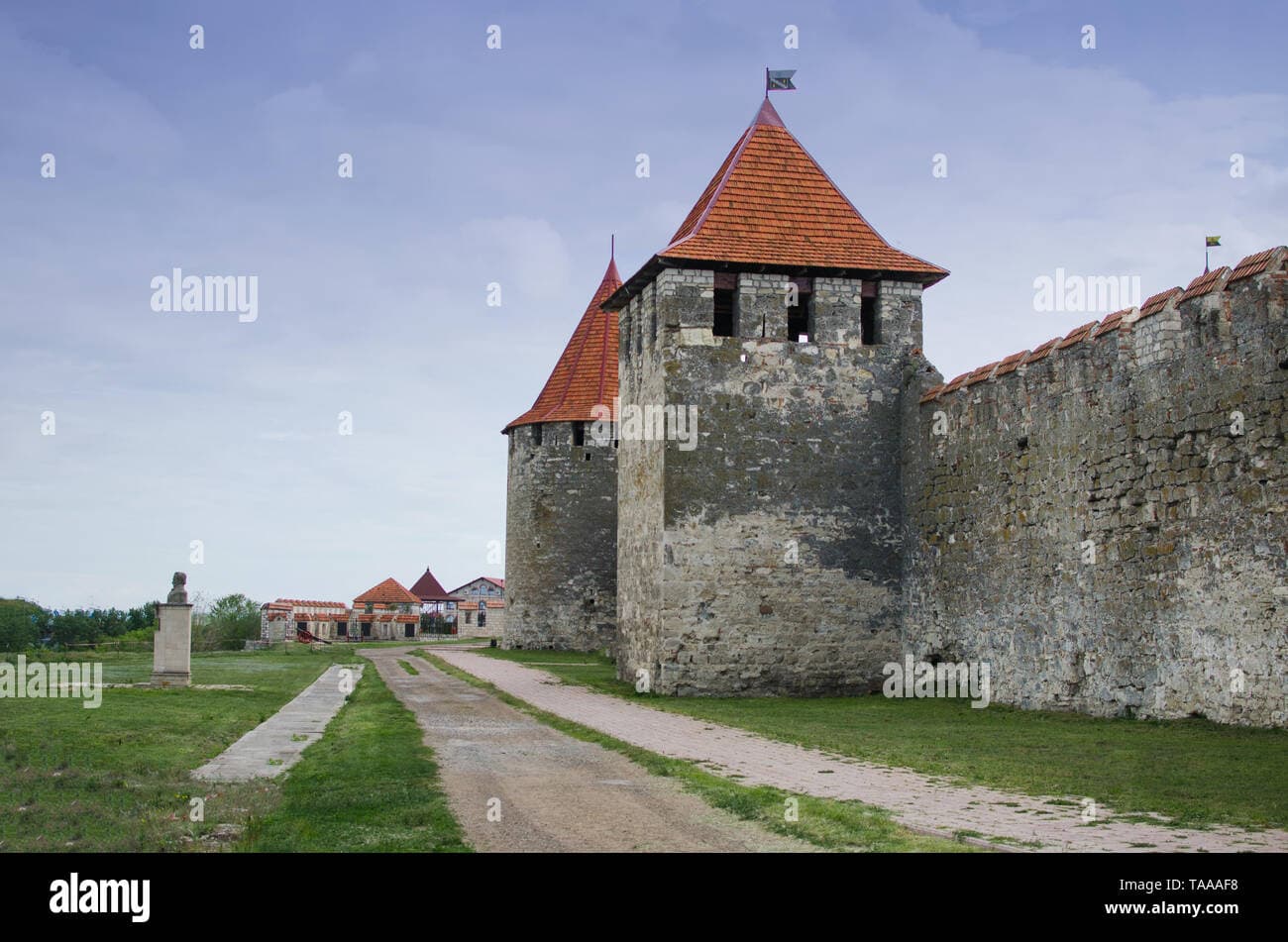
Riverfront Life and Seasonal Vibes
The Dniester River defines life in Bender. In spring, the water level rises slightly, turning the riverbanks into a lush corridor of willows and reeds. Early mornings are best for walking—locals jog along the path or fish from wooden piers. The air is crisp, sometimes with a light mist that clears by midday. Avoid weekends if you want solitude; small gatherings form near the river on sunny afternoons, often with music drifting from open windows. The sound of distant traffic mixes with birdsong—an oddly peaceful rhythm for a city with a complex political identity.
Practical Tips for Travelers
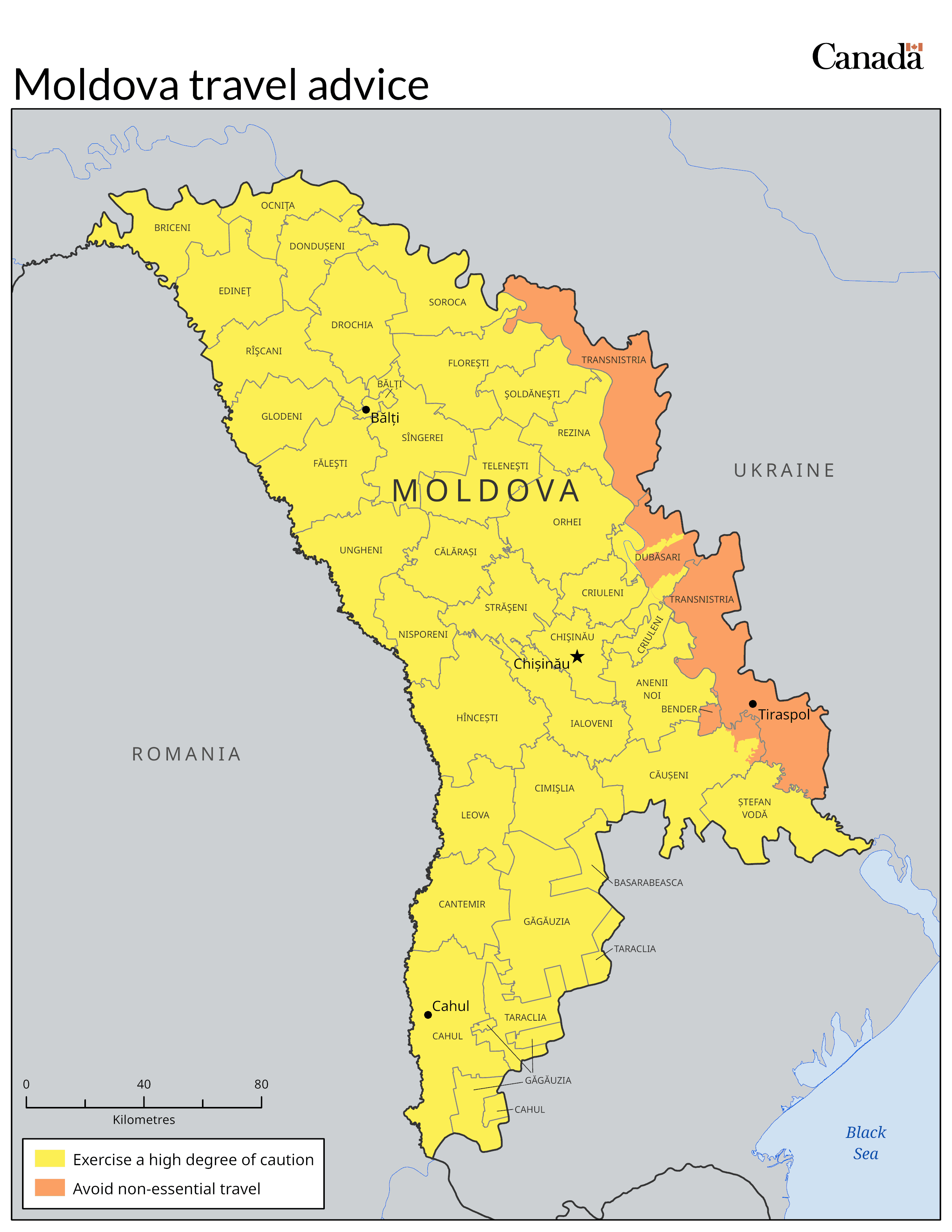
Visiting Bender requires awareness of its unique status. Entry is typically straightforward for most nationalities via the official Moldovan border checkpoint, but always check visa requirements ahead of time. Cash is king—credit cards are rarely accepted outside major hotels or tourist-oriented spots. Internet access is patchy; bring a portable hotspot if relying on digital navigation. Be respectful: while locals are generally friendly, avoid discussing politics unless invited. Spring weather averages 10–18°C (50–64°F), so pack layers—morning chills give way to pleasant afternoons.
Day Trips and Nearby Exploration
If you have extra time, consider a short drive to the Noul-Neamț Monastery, located just outside Bender. The 15th-century monastery complex features frescoed churches and peaceful courtyards surrounded by forested hills. It’s a serene escape from urban life and especially beautiful in spring when wildflowers bloom along the paths. Alternatively, cross back into Moldovan-controlled territory for a visit to the town of Tighina (Bender’s Moldovan name), where you’ll find better infrastructure and more services.
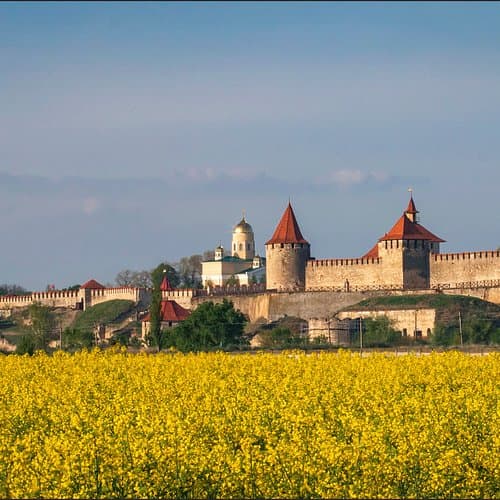
Bender isn’t about grand spectacles or luxury stays—it’s about quiet observation, slow movement, and connecting with a place that exists in liminal space. In spring, when nature reawakens along the Dniester, it becomes even more compelling. Whether you’re drawn to history, food, or simply wandering without a map, this corner of Eastern Europe offers an experience unlike any other. Just remember: what you see here is shaped by borders both physical and political—and that’s part of its charm.