Spring in Birštonas arrives with a gentle warmth, coaxing the surrounding pine forests and the banks of the Nemunas River into soft green life. The town’s historic spa district, once a retreat for Tsarist nobility and later Soviet elites, now welcomes travelers seeking not just mineral water cures but also authentic Baltic cuisine. As the snow melts from the nearby hills, local markets fill with fresh dill, wild garlic, and early-season mushrooms—ingredients that define the season’s culinary rhythm. Here, food isn’t just sustenance; it’s a seasonal dialogue between tradition and terroir.
Traditional Dishes That Define Birštonas
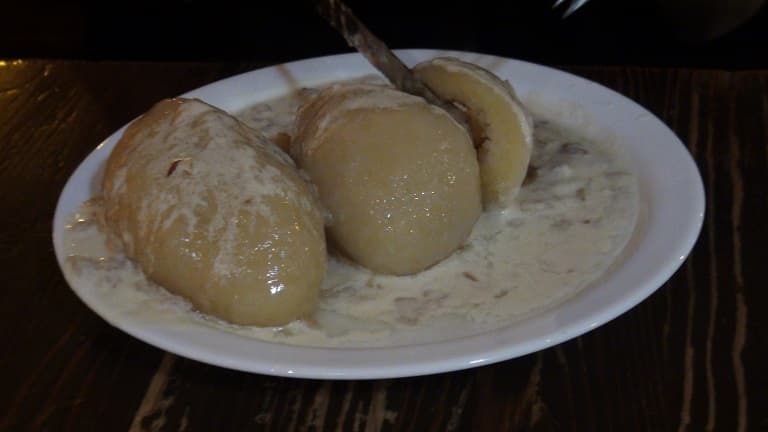
Lithuanian cuisine is rooted in simplicity, using locally available ingredients like potatoes, dairy, rye bread, and seasonal greens. In Birštonas, this heritage is preserved with pride. One must-try dish is kugelis, a savory potato pudding baked with onions and bacon. Served warm with sour cream and fresh herbs, it’s often found at family-run eateries near the central square. Another staple is cepelinai, giant dumplings filled with curd cheese or minced meat, typically served with bacon bits and a dollop of sharp garlic sauce. For vegetarians, šaltibarščiai—a cold beet soup flavored with dill and kefir—is refreshing in spring. These dishes are not merely meals; they’re cultural artifacts passed down through generations.
Where to Eat: From Family Restaurants to Spa Cafés
The town’s culinary landscape blends rustic charm with modern comfort. Near the historic spa buildings, Restoranėlė „Kurortinė“ offers an excellent menu of traditional dishes in a cozy, wood-paneled setting. Their kugelis is particularly renowned. For a scenic view, head to „Milkyway“ atop the observation deck overlooking the river valley. While it serves some international fare, their Lithuanian platters—especially the smoked fish with horseradish—are worth trying. If you’re staying at one of the spa hotels, check their dining options: many feature seasonal menus crafted from local farms within 50 kilometers.

Seasonal Ingredients and Market Visits
Spring brings a unique bounty to Birštonas’ weekly market held every Saturday morning near the train station. Look for wild garlic (known locally as pilkinės) used in salads or as a garnish for soups. Early mushrooms like chanterelles (pietiniai grybai) appear in May, often sold by foragers in small baskets. Fresh dill and sorrel are abundant too—perfect for seasoning potatoes or making homemade pickles. Many vendors also sell artisanal cheeses from nearby villages like Šilalė or Klaipėda. Prices range from €2–€10 per item depending on quantity and rarity.

Dining Etiquette and Local Customs
Lithuanians value hospitality but appreciate discretion. When invited to someone’s home—a common occurrence during spring festivals—you’ll likely be served several courses starting with cold appetizers like herring or cheese platters. Bread is always offered first, broken by the host as a sign of welcome. It’s polite to try everything offered, even if you don’t finish. Tipping is not expected in restaurants; service charges are included in the bill. However, rounding up the bill or leaving small change is appreciated for good service.

Vegetarian and Vegan Options
While Lithuanian cuisine leans heavily on meat and dairy, vegetarian options are increasingly available. Many restaurants now offer plant-based versions of traditional dishes—such as cepelinai stuffed with mushroom ragout or kugelis made with vegetable broth instead of bacon fat. In Birštonas, „Žaliasis Gėlavietės“, located near the park entrance, specializes in organic vegan meals using seasonal produce from their own garden. They serve hearty lentil stews, grain bowls, and fresh juices—ideal for travelers seeking lighter fare after a day of walking.

In Birštonas, eating is an experience deeply tied to place and season. Whether savoring a bowl of šaltibarščiai on a sunlit terrace or sharing kugelis with locals at a village fair, food here connects you to centuries of tradition. As spring unfolds across the rolling hills of southern Lithuania, let your palate guide you through the region’s quiet beauty—one dish at a time.